Quick Facts About Doul Govinda Temple
| Entry Fee | Free |
| Timings | 07:00 - 20:00 |
| Altitude (m) | 55 |
| Ideal Visit Duration (hrs) | 2 |
| Best Time of Day | Morning |
| Crowd Level | High |
| Distance from Guwahati (km) | 21 |
| Walking Difficulty | Easy |
| Parking Available | Yes |
| Last Mile Access | Road |
| Suitable for Kids | Yes |
| Suitable for Seniors | Yes |
| Wheelchair Friendly | No |
Why Visit Doul Govinda Temple, Guwahati
Atmosphere at Doul Govinda Temple is vibrant and devotional, filled with the sounds of chanting, ringing bells, and the energy of devotees. Situated on the banks of the Brahmaputra River, the temple offers a serene setting combined with spiritual fervor, making every visit both immersive and uplifting.
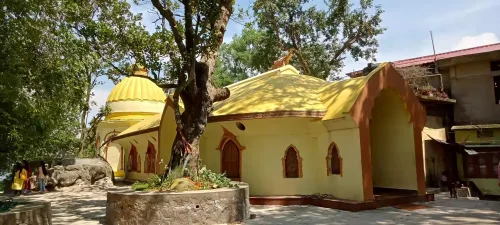
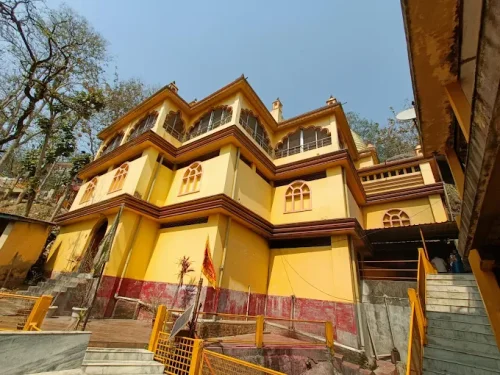
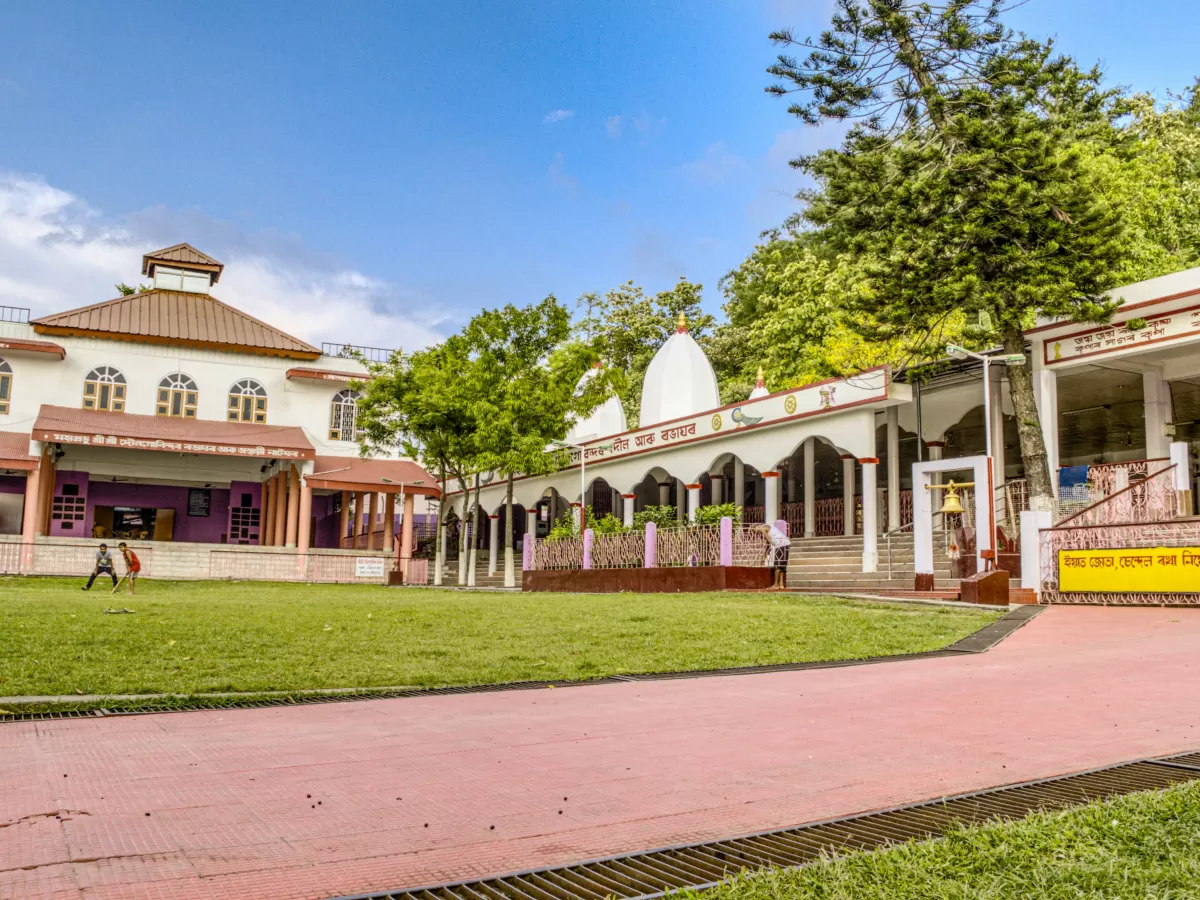
What makes Doul Govinda Temple special is its dedication to Lord Krishna and the grand celebrations during Holi and Janmashtami, which attract thousands of pilgrims and tourists. The temple’s architecture, colorful decorations, and lively rituals provide a feast for the senses, allowing visitors to witness Assamese religious traditions in full display. Seasonal events and festivals enhance the cultural and spiritual experience, making the temple a must-visit destination in Guwahati.
Beyond its visual and spiritual appeal, Doul Govinda Temple holds cultural and religious significance, offering insight into Assam’s Vaishnavite traditions and local devotional practices. It caters to pilgrims, families, tourists, and those seeking both cultural immersion and spiritual enrichment. The holistic experience ensures that visitors leave with lasting impressions of devotion, vibrant festivities, and the serene riverside ambiance.
History of Doul Govinda Temple, Guwahati
Doul Govinda Temple, located on the outskirts of Guwahati, Assam, is a prominent Vaishnavite temple dedicated to Lord Krishna. Established in the early 20th century, the temple has become an important center of devotion and pilgrimage, especially for followers of Krishna Bhakti. Its construction reflects traditional Assamese temple architecture blended with decorative motifs inspired by Vaishnavism.
The temple is particularly famous for its vibrant celebrations of Janmashtami, marking the birth of Lord Krishna, which draws thousands of devotees from across Assam and neighboring states. The site also hosts cultural performances, devotional singing, and community gatherings, reinforcing its significance as a spiritual and social hub.
Today, Doul Govinda Temple is a key religious and cultural landmark in Guwahati, offering visitors a combination of spiritual devotion, historical continuity, and insight into Assam’s Vaishnavite traditions.
Best Time to Visit Doul Govinda Temple Guwahati
Visiting Doul Govinda Temple in Guwahati is most enjoyable when the weather is pleasant, allowing visitors to comfortably explore the temple, participate in rituals, and enjoy the serene surroundings.
The months from October to March are ideal for visiting, as the weather is cool, dry, and comfortable. This period is perfect for sightseeing, attending prayers, and capturing the temple’s vibrant architecture and river views without discomfort from heat or humidity.
Spring and early summer, from March to June, offer sunny and bright days. Early morning or late afternoon visits are recommended to avoid warmer hours while exploring the temple and its surroundings.
Monsoon season, from July to September, brings heavy rainfall in Guwahati. While the temple remains accessible, travel and outdoor exploration may be affected. This season sees fewer visitors, providing a peaceful experience for those prepared for rain.
- October to March for comfortable weather, temple visits, and sightseeing
- March to June for sunny days; early mornings or late afternoons recommended
- July to September for fewer crowds and lush surroundings, though rain may affect accessibility
- Early mornings provide the best light for photography and scenic views
- Weekdays are generally quieter than weekends for a peaceful visit
How to Reach Doul Govinda Temple, Guwahati
- By Air: The nearest airport is Lokpriya Gopinath Bordoloi International Airport, approximately 25 km from the temple. Visitors can hire taxis or app-based cabs for a direct and comfortable transfer to the temple premises.
- By Train: Guwahati Railway Station is well connected to major Indian cities such as Delhi, Kolkata, and Mumbai. From the station, taxis, auto-rickshaws, or app-based cabs provide easy access to Doul Govinda Temple.
- By Road: Guwahati is connected via NH37 and city roads. Regular buses, private taxis, and self-drive vehicles make reaching the temple convenient from various parts of the city and nearby towns.
- Local Transport: Within Guwahati, taxis, auto-rickshaws, and rideshare services ensure smooth last-mile connectivity, making it easy for visitors to reach the temple comfortably.
What to Expect When You Visit Navagraha Temple Guwahati
- Immersive surroundings that reflect the true natural, cultural, or spiritual character of the destination, offering a peaceful and enriching travel experience.
- Well-maintained visitor pathways and accessible viewing points designed to provide comfortable exploration while preserving the authenticity of the location.
- Opportunities to engage with local traditions, regional architecture, or natural landscapes, allowing travelers to gain deeper cultural understanding.
- Scenic photo spots and panoramic viewpoints that highlight the area’s unique beauty throughout different times of the day.
- Informational boards, guides, or locally available assistance that help visitors learn the historical or environmental importance of the site.
- Seasonal changes in atmosphere, crowd levels, and visual appeal, ensuring a different yet memorable experience depending on the time of visit.
- Nearby amenities such as refreshment stalls, rest areas, or small markets offering local flavors and handicrafts.
- A calm and respectful environment that allows visitors to fully absorb the significance and charm of the destination.
Important Visitor Information and Safety of Doul Govinda Temple Guwahati
- Crowd & Peak Hours: Expect higher footfall during weekends, festivals, and public holidays. Early morning visits are generally quieter and ideal for a peaceful experience.
- Weather Notes: Summers can be warm, monsoon season may make outdoor areas slippery, and winters are mild and pleasant for visiting.
- Dress Code: Wear modest clothing suitable for a religious site. Comfortable shoes are recommended for walking around the temple premises. Light layers are suggested for varying temperatures.
- Safety Tips: Follow temple guidelines, avoid touching restricted areas, keep personal belongings secure, and supervise children for a safe and enjoyable visit.
Photography and Viewpoints at Doul Govinda Temple, Guwahati
- The temple’s colorful architecture and vibrant decorations provide excellent subjects for cultural and architectural photography.
- Close-up shots of deity idols, intricate carvings, and ritual activities capture the artistic and spiritual essence of the temple.
- Festivals, especially Janmashtami, offer dynamic and lively photography opportunities with devotees, performances, and ceremonial rituals.
- Morning and late afternoon light enhances the colors, shadows, and textures of the temple structures, making photographs visually striking.
- The surrounding temple grounds and landscaped areas provide scenic backdrops for wide-angle shots and composition-rich frames.
- Photography from elevated spots around the temple allows combining architectural details with the surrounding greenery and local cultural activity.