Assam State Zoo Guwahati – Family-Friendly Wildlife Attraction

Assam State Zoo , Guwahati
Established in 1957, Assam State Zoo, also known as Guwahati Zoo, houses a wide variety of native and exotic animals, birds, and reptiles. Spread across a large area with well-maintained enclosures, it offers educational experiences about wildlife conservation. The zoo is especially appealing for children and tourists seeking a leisurely and informative visit in Guwahati.

Quick Facts About Assam State Zoo

Entry Fee 30
Timings 08:00 - 16:00
Altitude (m) 55
Ideal Visit Duration (hrs) 3
Best Time of Day Morning
Crowd Level High
Distance from Guwahati (km) 6
Walking Difficulty Moderate
Parking Available Yes
Last Mile Access Road
Suitable for Kids Yes
Suitable for Seniors Yes
Wheelchair Friendly No

Why Visit Assam State Zoo, Guwahati

Atmosphere at Assam State Zoo is lively yet educational, offering an immersive experience amidst well-maintained enclosures and naturalistic habitats. The zoo combines the excitement of wildlife observation with a peaceful environment, making it suitable for families, students, and nature enthusiasts. Visitors can enjoy strolling through shaded pathways while observing a variety of native and exotic species, all set against a backdrop of lush greenery.

What makes Assam State Zoo special is its rich biodiversity and focus on conservation. Home to numerous rare and endangered species, the zoo provides opportunities for learning about Assam’s unique wildlife, including the one-horned rhinoceros, tigers, and various primates. Its engaging exhibits, informative signages, and interactive sections make it more than just a sightseeing spot — it is a hub for education and awareness. Seasonal changes bring varied wildlife activity, enhancing the visitor experience throughout the year.

Beyond visual appeal, Assam State Zoo offers cultural and educational significance, helping visitors understand the region’s ecological heritage. It caters to wildlife enthusiasts, photographers, families, and researchers seeking an engaging and informative experience. The holistic setting ensures that visitors leave with lasting impressions of both the zoo’s conservation efforts and the diversity of Assam’s fauna.

History of Assam State Zoo, Guwahati

Assam State Zoo, located in Guwahati, was established in 1957 and has since grown into one of the premier zoological parks in Northeast India. The zoo was conceived with the vision of conserving the region’s rich biodiversity, providing a habitat for native and exotic animal species, and promoting wildlife education among the public.

Spanning over 130 acres, the zoo is home to a variety of mammals, birds, and reptiles, including rare and endangered species such as the one-horned rhinoceros, clouded leopard, and swamp deer. Its design incorporates naturalistic enclosures and landscaped areas, reflecting a commitment to both animal welfare and visitor experience.

Over the decades, Assam State Zoo has played a key role in wildlife conservation programs, breeding initiatives, and environmental awareness campaigns. Today, it serves as a center for education, recreation, and research, attracting families, students, and wildlife enthusiasts from across India and abroad.

Best Time to Visit Assam State Zoo Guwahati

Selecting the right time to visit Assam State Zoo in Guwahati ensures a comfortable and enjoyable experience, as weather, crowd levels, and animal activity vary throughout the year. The ideal period depends on whether you prefer cooler temperatures, active wildlife sightings, or peaceful exploration.

The months from October to March are generally considered the best time to visit. During this period, the weather is pleasant, with clear skies and moderate temperatures, making it ideal for walking around the zoo, observing animals, and photography. Families and first-time visitors particularly enjoy this season for leisurely sightseeing.

Spring and early summer, from March to June, offer bright and sunny days, which can be enjoyable for outdoor activities. However, temperatures can rise, so early morning visits are recommended to see the animals active and for comfortable exploration.

Monsoon season, from July to September, brings heavy rainfall in the region. While the zoo’s greenery looks vibrant and fresh, some enclosures may be less accessible, and outdoor activities could be affected. Visitors during this period can expect fewer crowds and a serene environment.

  • October to March for pleasant weather, active animals, and comfortable sightseeing
  • March to June for bright sunny days and early morning wildlife activity
  • July to September for lush greenery and fewer crowds, though rain may affect visits
  • Early mornings recommended for best animal sightings and photography
  • Weekdays offer a quieter experience compared to weekends and holidays

How to Reach Assam State Zoo, Guwahati

  • By Air: The nearest airport is Lokpriya Gopinath Bordoloi International Airport, Guwahati, around 20 km from the zoo. Travelers can hire taxis, app-based cabs, or prepaid airport cabs to reach the zoo directly.
  • By Train: Guwahati Railway Station is well connected to major Indian cities such as Delhi, Kolkata, and Mumbai. From the station, visitors can take taxis, auto-rickshaws, or local buses to reach the Assam State Zoo conveniently.
  • By Road: Guwahati is connected by national and state highways. Regular buses, private taxis, and self-driving options make it easy to reach the zoo from different parts of the city and nearby towns.
  • Local Transport: Within Guwahati, taxis, auto-rickshaws, and rideshare apps provide easy access to the zoo. Well-marked roads and signages make last-mile travel simple for visitors.

What to Expect When You Visit Assam State Zoo Guwahati

  • Immersive surroundings that reflect the true natural, cultural, or spiritual character of the destination, offering a peaceful and enriching travel experience.
  • Well-maintained visitor pathways and accessible viewing points designed to provide comfortable exploration while preserving the authenticity of the location.
  • Opportunities to engage with local traditions, regional architecture, or natural landscapes, allowing travelers to gain deeper cultural understanding.
  • Scenic photo spots and panoramic viewpoints that highlight the area’s unique beauty throughout different times of the day.
  • Informational boards, guides, or locally available assistance that help visitors learn the historical or environmental importance of the site.
  • Seasonal changes in atmosphere, crowd levels, and visual appeal, ensuring a different yet memorable experience depending on the time of visit.
  • Nearby amenities such as refreshment stalls, rest areas, or small markets offering local flavors and handicrafts.
  • A calm and respectful environment that allows visitors to fully absorb the significance and charm of the destination.

Important Visitor Information of Assam State Zoo Guwahati

  • Crowd & Peak Hours: Expect heavier footfall during weekends, public holidays, and late mornings to early evenings. Early morning hours are generally quieter and ideal for peaceful exploration.
  • Weather Notes: Weather conditions can change quickly depending on the season. Summers may be warm, while mornings and evenings can be cooler. During monsoon months, pathways may become slippery.
  • Dress Code: Wear comfortable walking shoes and modest clothing, especially when visiting animal enclosures and outdoor areas. Light layers are recommended for changing temperatures.
  • Safety Tips: Stay on designated paths, do not feed or disturb animals, keep personal belongings secure, and follow zoo guidelines for a safe and enjoyable visit.

Photography and Viewpoints at Assam State Zoo, Guwahati

  • The zoo offers excellent wildlife photography opportunities with animals like tigers, elephants, primates, and exotic birds in naturalistic enclosures.
  • Morning and late afternoon light provide the best natural lighting for capturing animal behavior and vibrant foliage.
  • Wide landscaped areas, lakes, and walking trails allow for panoramic shots of the zoo’s greenery and open spaces.
  • Close-up photography of birds, reptiles, and small mammals is ideal from designated viewing platforms.
  • Seasonal variations, such as monsoon greenery or winter morning mist, add unique textures and moods to landscape and wildlife photos.
  • Natural water bodies and reflective ponds within the zoo create opportunities for artistic and serene compositions.

Near By Attraction

Devotees at Doul Govinda Temple in North Guwahati during clear daytime, featuring temple courtyard, green lawn and walkways, perfect spiritual experience Assam tour package. Temple

Doul Govinda Temple

Doul Govinda Temple is a prominent temple in Guwahati dedicated to Lord Krishna.

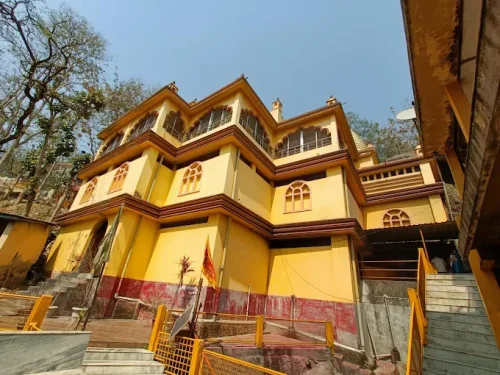
Navagraha Temple Guwahati Assam ancient hilltop temple dedicated to nine celestial planets with dome architecture Temple

Navagraha Temple Guwahati

Navagraha Temple in Guwahati is dedicated to the nine celestial deities of Hindu astrology.

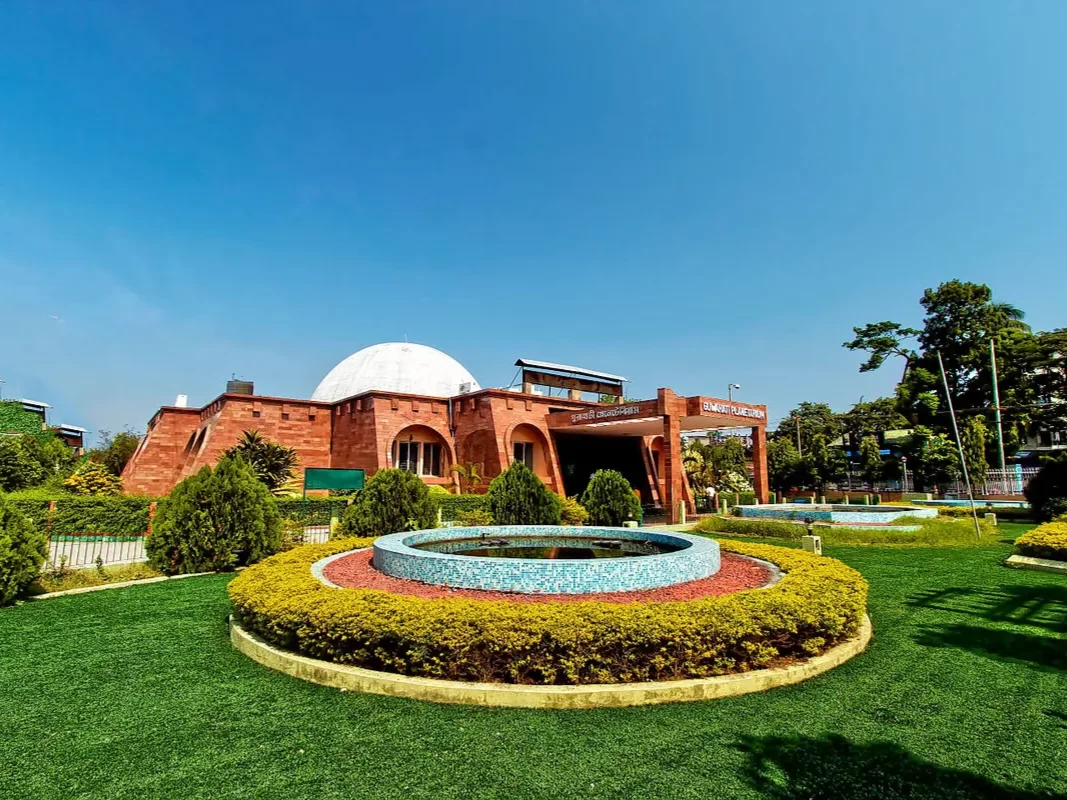
Guwahati Planetarium Assam campus during sunny daytime, featuring brick building, green gardens and National Space Day banner, perfect family experience Guwahati tour package. Tourist Attraction

Guwahati Planetarium

Guwahati Planetarium offers an engaging experience of astronomy and space science for all ages.

Frequently Asked Questions About Assam State Zoo

Assam State Zoo is located in the Hengrabari Reserve Forest area of Guwahati, Assam, India.
Assam State Zoo is known for housing a variety of native and exotic animal species in a natural forest setting.
Assam State Zoo generally remains open from morning until late afternoon and stays closed on certain designated days.
Yes, Assam State Zoo charges an entry fee for visitors, with separate charges for camera use if permitted.
Visitors can reach Assam State Zoo easily by road from different parts of Guwahati, with Guwahati Railway Station and Lokpriya Gopinath Bordoloi Airport serving as main access points in Assam.
The best time to visit Assam State Zoo is from October to March when the weather in Guwahati is pleasant for walking around the zoo premises.
Around two to three hours are usually sufficient to explore the enclosures and pathways inside Assam State Zoo.
Assam State Zoo houses animals such as tigers, leopards, rhinos, deer species, reptiles, and various birds.
Assam State Zoo is suitable for children due to its spacious layout, educational displays, and organized pathways.
Basic facilities including parking space and small refreshment stalls are available at Assam State Zoo.
Tourists can find hotels and guesthouses in Guwahati, Assam, within a short driving distance of Assam State Zoo.

Loved this place ? Let’s Plan Your Assam Trip

Get customized Assam tour planning designed around seasonal weather patterns, river conditions, wildlife safari timing, and realistic road travel flow. Whether you are visiting for national parks, tea estate stays, cultural experiences, spiritual sites, o

⚡ Quick Response | 💰 Free consultation | 🕒 24×7 expert support

×

Plan Your Trip