Quick Facts About Assam State Museum
| Entry Fee | 33 |
| Timings | 10:00 - 16:00 |
| Altitude (m) | 55 |
| Ideal Visit Duration (hrs) | 3 |
| Best Time of Day | Morning |
| Crowd Level | Moderate |
| Distance from Guwahati (km) | 1 |
| Walking Difficulty | Easy |
| Parking Available | Yes |
| Last Mile Access | Road |
| Suitable for Kids | Yes |
| Suitable for Seniors | Yes |
| Wheelchair Friendly | No |
Why Visit Assam State Museum, Guwahati
Atmosphere at Assam State Museum is quiet, educational, and culturally enriching, offering visitors a chance to explore the heritage of Assam in a serene environment. The museum’s thoughtfully curated galleries, traditional architecture, and tranquil surroundings provide an immersive experience for history buffs, students, and travelers interested in regional art and culture.
What makes Assam State Museum special is its extensive collection of artifacts, including sculptures, inscriptions, coins, textiles, and traditional crafts that showcase the rich history and diverse culture of Assam. Visitors can learn about the evolution of local art, craftsmanship, and social traditions, while also appreciating the preservation of rare and ancient items. Seasonal exhibitions and educational programs further enhance the museum’s appeal, making every visit informative and memorable.
Beyond its visual and educational appeal, Assam State Museum holds cultural and historical significance, providing deep insights into Assam’s past and heritage. It caters to students, researchers, tourists, and families seeking both knowledge and inspiration. The holistic experience ensures that visitors leave with a lasting understanding of the state’s cultural richness and historical depth.
History of Assam State Museum, Guwahati
Assam State Museum, established in 1940 in Guwahati, is one of the oldest and most significant museums in Northeast India. It was founded with the aim of preserving and showcasing the rich cultural, historical, and artistic heritage of Assam and the surrounding regions. The museum houses an extensive collection of artifacts, including ancient sculptures, coins, inscriptions, manuscripts, and traditional crafts.
The museum’s collection highlights Assam’s historical evolution, from the Ahom dynasty and medieval kingdoms to colonial times, providing insight into the region’s political, social, and artistic developments. It also features ethnographic exhibits that display the lifestyle, traditions, and material culture of Assam’s diverse indigenous communities.
Through its preservation and educational programs, Assam State Museum serves as a key institution for cultural research, heritage conservation, and public engagement, attracting scholars, students, and tourists interested in understanding Assam’s historical and cultural identity.
Best Time to Visit Assam State Museum Guwahati
Visiting Assam State Museum in Guwahati is most enjoyable when the weather is comfortable and crowd levels are manageable. Timing your visit appropriately allows for a relaxed exploration of its rich cultural, historical, and artistic collections.
The months from October to March are ideal for visiting, as the weather is cool and pleasant, making it easy to explore the museum and its surroundings. This period is especially suitable for families, students, and first-time visitors who wish to enjoy a leisurely educational experience.
Spring and early summer, from March to June, can also be a good time for indoor visits, though temperatures rise during the day. Early morning or late afternoon visits are recommended for a comfortable experience without feeling too warm.
Monsoon season, from July to September, brings heavy rainfall in Guwahati. While the museum remains open, travel to the site may be affected, and exploring the nearby outdoor exhibits or surroundings might be challenging. This season, however, sees fewer visitors, offering a quieter experience for those who don’t mind the rain.
- October to March for comfortable weather and enjoyable museum visits
- March to June for indoor exploration with early morning or late afternoon timing recommended
- July to September for fewer crowds, though travel and outdoor activities may be affected by rain
- Weekdays are best for a quiet and relaxed museum experience
- Combine with nearby cultural sites for a richer educational visit
How to Reach Assam State Museum, Guwahati
- By Air: The nearest airport is Lokpriya Gopinath Bordoloi International Airport, approximately 20 km from the museum. Visitors can hire taxis, app-based cabs, or prepaid airport cabs for a direct and comfortable transfer.
- By Train: Guwahati Railway Station is well connected to major cities like Delhi, Kolkata, and Mumbai. From the station, local taxis, auto-rickshaws, or app-based cabs can take visitors to the museum easily.
- By Road: The museum is accessible via Guwahati’s well-maintained city roads and national highways. Regular buses, private taxis, and self-drive vehicles make road travel convenient from different parts of the city and nearby towns.
- Local Transport: Within the city, auto-rickshaws, taxis, and rideshare services provide easy access. Clear road signage ensures smooth last-mile connectivity to the museum.
What to Expect When You Visit Assam State Museum Guwahati
- Immersive surroundings that reflect the true natural, cultural, or spiritual character of the destination, offering a peaceful and enriching travel experience.
- Well-maintained visitor pathways and accessible viewing points designed to provide comfortable exploration while preserving the authenticity of the location.
- Opportunities to engage with local traditions, regional architecture, or natural landscapes, allowing travelers to gain deeper cultural understanding.
- Scenic photo spots and panoramic viewpoints that highlight the area’s unique beauty throughout different times of the day.
- Informational boards, guides, or locally available assistance that help visitors learn the historical or environmental importance of the site.
- Seasonal changes in atmosphere, crowd levels, and visual appeal, ensuring a different yet memorable experience depending on the time of visit.
- Nearby amenities such as refreshment stalls, rest areas, or small markets offering local flavors and handicrafts.
- A calm and respectful environment that allows visitors to fully absorb the significance and charm of the destination.
Important Visitor Information of Assam State Museum Guwahati
- Crowd & Peak Hours: Expect heavier footfall during weekends, public holidays, and late mornings to early evenings. Early morning hours are generally quieter and ideal for peaceful exploration.
- Weather Notes: Summers may be warm, while mornings and evenings can be cooler. Monsoon season can make outdoor areas around the museum slippery.
- Dress Code: Wear comfortable shoes for walking and modest clothing, especially when visiting historical exhibits. Light layers are recommended for changing temperatures indoors and outdoors.
- Safety Tips: Stay on designated pathways, handle exhibits carefully if allowed, keep personal belongings secure, and follow museum guidelines for a safe and enjoyable visit.
Photography and Viewpoints at Assam State Museum, Guwahati
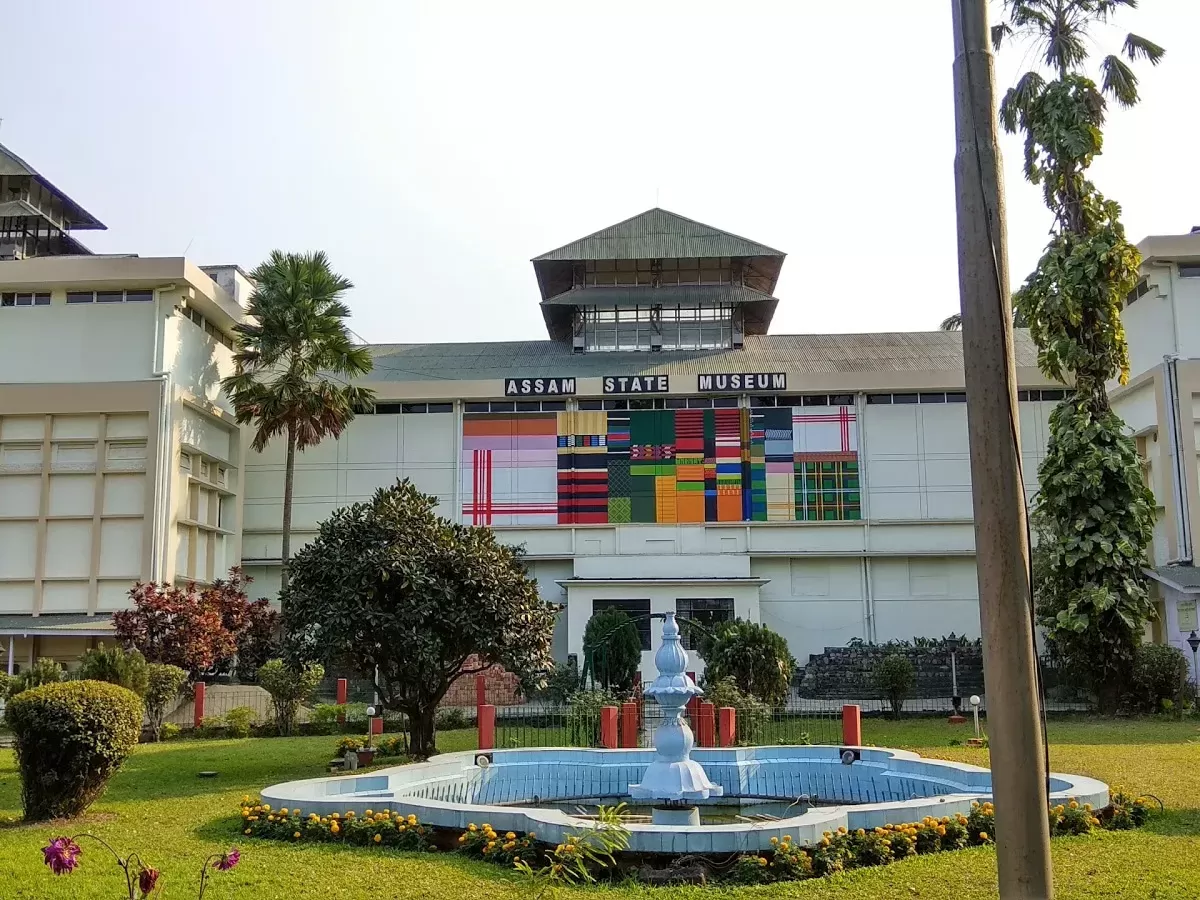
- The museum’s traditional architecture, including its detailed wooden carvings and colonial-era design, provides excellent subjects for architectural photography.
- Exhibits of ancient artifacts, sculptures, and tribal art allow for close-up photography that captures intricate details and textures.
- Natural light from well-placed windows enhances indoor photography, highlighting the colors and craftsmanship of displayed items.
- Outdoor courtyards and gardens around the museum provide scenic spots for landscape and contextual cultural shots.
- Special exhibitions and cultural events held at the museum offer opportunities for dynamic and lively photography of local traditions.
- Wide-angle shots can capture both the exterior façade and the surrounding greenery, making for visually appealing compositions.