Quick Facts About Ziro valley
| Entry Fee | Free |
| Timings | 06:00 - 18:00 |
| Altitude (m) | 1500 |
| Ideal Visit Duration (hrs) | 48 |
| Best Time of Day | Morning / Evening |
| Crowd Level | Moderate |
| Distance from City Centre (km) | 80 |
| Walking Difficulty | Moderate |
| Parking Available | Yes |
| Last Mile Access | Walk |
| Suitable for Kids | Yes |
| Suitable for Seniors | Yes |
| Wheelchair Friendly | No |
Why Visit
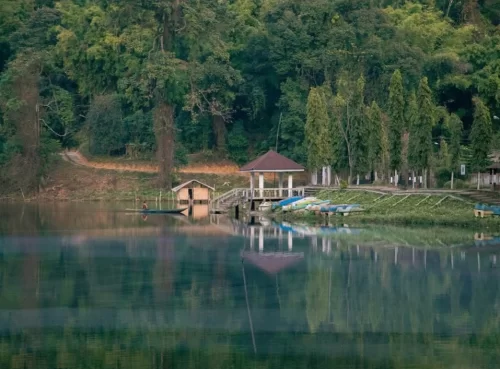
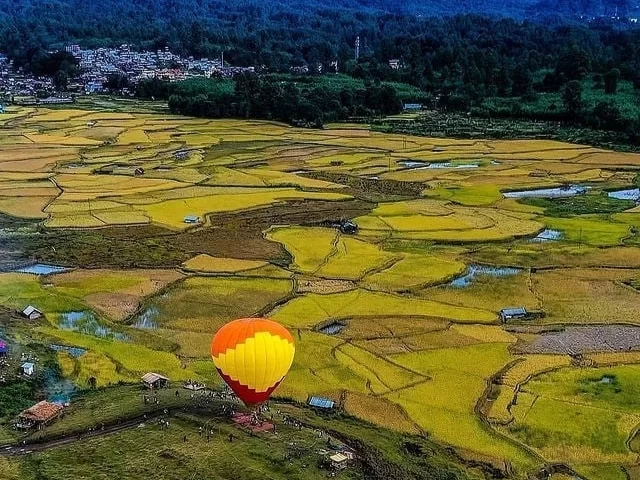
Ziro Valley is a must-visit destination for nature lovers, photographers, and cultural enthusiasts. The valley’s lush green rice terraces, rolling hills, and pristine landscapes offer a serene escape from urban life and provide endless opportunities for scenic photography and eco-tourism.
The atmosphere in Ziro Valley is tranquil and refreshing, with cool mountain air, flowing rivers, and the rhythmic beauty of traditional Apatani villages. Visitors can immerse themselves in the local way of life, experiencing age-old agricultural practices and the harmony between the community and nature.
What makes Ziro Valley special is its unique blend of natural beauty and cultural richness. The Apatani tribal heritage, traditional houses, festivals, and handicrafts provide an authentic insight into Arunachal Pradesh’s cultural fabric. Additionally, events like the Ziro Music Festival attract tourists from across India and beyond, making it a vibrant hub for both culture and nature.
Cultural Significance
Ziro Valley is home to the Apatani tribe, one of Arunachal Pradesh’s most prominent indigenous communities, known for their unique customs, agricultural practices, and sustainable lifestyle. The valley’s landscape is interwoven with traditional paddy fields, bamboo huts, and intricate irrigation systems, reflecting centuries of harmonious living with nature.
The Apatani people have preserved their cultural heritage through festivals, traditional crafts, and community rituals. Festivals such as Dree, celebrated with prayers, music, and dance, offer visitors a glimpse into the spiritual and communal life of the valley’s inhabitants.
This combination of natural beauty and deep-rooted cultural practices makes Ziro Valley an exceptional destination to experience the living heritage of Arunachal Pradesh while appreciating sustainable and traditional ways of life.
Best Time to Visit
The best time to explore Ziro Valley is during the cooler, dry months when the weather is pleasant, the skies are clear, and the valley’s lush landscapes are at their most vibrant. Planning your visit during these months ensures a comfortable experience for sightseeing, trekking, and cultural immersion.
- Best Season: October to April, when the climate is cool and dry, perfect for trekking, photography, and exploring Apatani villages.
- Summer: May to June, though warmer, still allows scenic views; early mornings and late afternoons are ideal for outdoor activities.
- Monsoon: July to September brings heavy rainfall, making trekking paths slippery and some rural areas less accessible.
- Festivals: Visiting during the Dree Festival (July–August) provides an opportunity to witness vibrant local cultural practices.
- Best Time of Day: Morning and late afternoon offer the best lighting for photography and panoramic views of rice terraces and hills.
How to Reach
- By Road: Ziro Valley is approximately 80 km from Itanagar, accessible via well-maintained roads. Private taxis, rental cars, and local buses are common options for reaching the valley from the city.
- By Rail: The nearest railway station is Naharlagun, about 90 km from Ziro. From Naharlagun, taxis or shared cabs can take visitors to the valley.
- By Air: The closest airport is Lilabari Airport in Assam, around 120 km away. From the airport, travelers can hire taxis or buses to reach Ziro Valley.
- Last Mile Access: Within the valley, walking or short treks are often required to reach remote villages and viewpoints. Local guides can assist in navigating the area safely.
- Travel Advisory: Roads may be slippery during monsoon months, so plan visits during dry seasons. Early morning departures from Itanagar ensure more daylight for exploring the valley and villages.
What to Expect When You Visit
- Stunning panoramic views of rolling hills, lush green rice terraces, and scenic rivers that define Ziro Valley’s natural beauty.
- Immersive cultural experiences in Apatani tribal villages, where visitors can observe traditional farming techniques, unique bamboo houses, and local handicrafts.
- Opportunities to witness community festivals like Dree, which showcase vibrant rituals, music, and dances, providing a deep insight into tribal life.
- Leisurely treks and nature walks through terraced fields, forests, and small streams, offering both adventure and tranquility.
- Photography opportunities at sunrise and sunset, capturing misty hills, reflective water bodies, and picturesque landscapes.
- Interaction with locals and learning about their sustainable way of life, including organic farming and water management practices.
- A peaceful and serene atmosphere ideal for relaxation, meditation, and connecting with nature while exploring the valley.
Important Visitor Information
- Crowd and Weather Notes: Ziro Valley is generally calm, except during festivals like the Ziro Music Festival, which attracts larger crowds. The weather is best from October to April, with cool temperatures and clear skies. Monsoon months (July–September) bring heavy rain, making some paths slippery.
- Peak and Quiet Hours: Early mornings and late afternoons are the best times to visit for serenity and optimal lighting for photography. Midday can be moderately crowded, especially near village centers.
- Dress Code: Comfortable and modest clothing is recommended. Layered clothing works best for cooler mornings and evenings. Sturdy footwear is advised for walking or trekking across terraces and uneven terrain.
- Safety Notes: Exercise caution on wet or uneven paths, particularly during monsoon. Carry water, snacks, and first aid for long treks. Respect local customs and traditions while visiting villages. Hiring a local guide is recommended for safer navigation and a richer cultural experience.
Photography and Viewpoint
- Ziro Valley offers exceptional photography opportunities, with its expansive green rice terraces, rolling hills, and traditional Apatani villages creating a visually striking landscape.
- Early mornings provide soft mist and diffused light, perfect for capturing the valley’s serene atmosphere and sunrise over the hills.
- Late afternoons and sunsets enhance the colors of the terraces and forests, offering vibrant and dynamic photography conditions.
- Villages and tribal settlements provide unique cultural photography opportunities, showcasing traditional bamboo houses, local attire, and daily activities.
- Panoramic viewpoints along trekking trails and hilltops allow wide-angle shots of the valley, rivers, and distant mountains.
- During festivals such as Dree, photographers can capture colorful rituals, dances, and community gatherings, adding cultural depth to the visuals.
- Visitors are advised to respect privacy and cultural norms, avoid intrusive photography, and use natural light wherever possible to maintain authenticity.