Quick Facts About Ita Fort
| Entry Fee | Free |
| Timings | 08:00 - 17:00 |
| Altitude (m) | 165 |
| Ideal Visit Duration (hrs) | 1.5 |
| Best Time of Day | Morning / Evening |
| Crowd Level | Moderate |
| Distance from City Centre (km) | 2 |
| Walking Difficulty | Moderate |
| Parking Available | Yes |
| Last Mile Access | Walk |
| Suitable for Kids | Yes |
| Suitable for Seniors | Yes |
| Wheelchair Friendly | No |
Why Visit
Ita Fort is a must-visit destination for history enthusiasts and travelers interested in exploring the rich cultural heritage of Arunachal Pradesh. The fort provides a unique glimpse into ancient military architecture and the strategic importance of the region in historical times.
The atmosphere at Ita Fort is serene and evocative, surrounded by lush greenery and offering panoramic views of Itanagar city and the nearby hills. Visitors can enjoy a quiet, contemplative experience while walking through the remnants of the fort, imagining its historical significance and past grandeur.
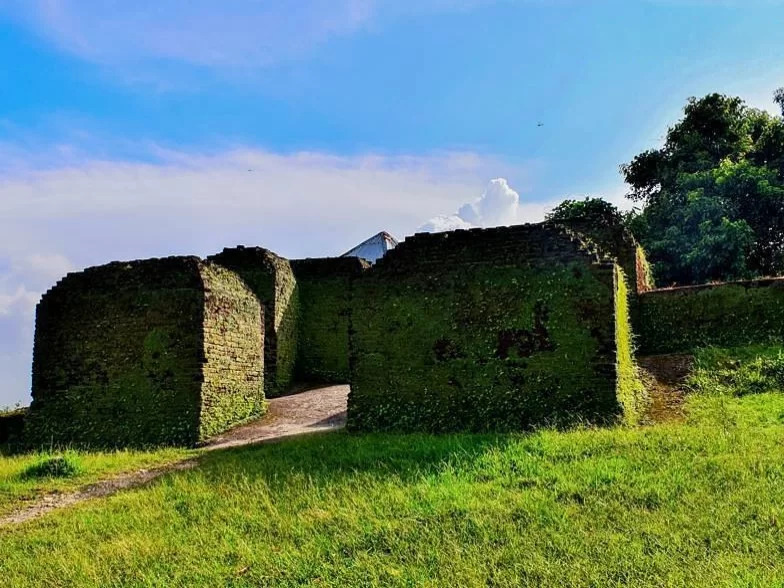
What makes Ita Fort special is its rare brick construction, which is uncommon in this part of India. The fort’s partially preserved walls, gateways, and terraces reflect the architectural ingenuity of its builders, making it both an educational and visually appealing destination for tourists, photographers, and history lovers alike.
Historical Significance
Ita Fort, dating back to the 14th–15th century, is one of the oldest brick forts in Arunachal Pradesh. It is believed to have been constructed by local rulers or the Ahom dynasty as a strategic military outpost to protect the region and control trade routes.
The fort’s brick walls, bastions, and gateways highlight advanced construction techniques for the era and showcase the strategic importance of Itanagar in historical times. Its elevated location allowed defenders to monitor approaching enemies and safeguard the surrounding territories.
Though partially in ruins today, Ita Fort serves as a valuable reminder of the region’s historical and architectural heritage. It is an important site for scholars, history enthusiasts, and tourists keen to explore Arunachal Pradesh’s past.
Best Time to Visit
The ideal time to visit Ita Fort is during the cooler months when the weather in Itanagar is pleasant and the surrounding greenery is at its best. This ensures a comfortable and enjoyable exploration of the fort and its surroundings.
- Best Season: October to March, when temperatures are moderate and the weather is dry, providing clear views of the fort and cityscape.
- Summer Months: April to June can be warm but still suitable for visiting early mornings or late afternoons.
- Monsoon: July to September may bring heavy rainfall, slippery pathways, and limited visibility; caution is advised during this period.
- Best Time of Day: Morning hours (8:00–11:00 AM) or late afternoon (3:00–5:00 PM) offer pleasant weather, fewer crowds, and excellent lighting for photography.
- Peak Periods: Weekends and local holidays may attract more visitors, so weekday visits are recommended for a quieter experience.
How to Reach
- By Road: Ita Fort is located approximately 2 km from the center of Itanagar. Visitors can take local taxis, cabs, or personal vehicles to reach the fort. The roads are well-connected, with clear signboards guiding to the site.
- By Rail: The nearest railway station is Naharlagun, about 10 km from Itanagar. From Naharlagun, taxis and shared cabs are available to reach Ita Fort.
- By Air: The closest airport is Lilabari Airport in Assam, around 90 km away. From the airport, travelers can hire taxis or use local transport to reach Itanagar and then proceed to the fort.
- Last Mile Access: After reaching the parking area near the fort, visitors need to walk a short distance on uneven terrain and steps to explore the fort premises. Comfortable shoes are recommended.
- Travel Advisory: Avoid visiting during heavy rainfall as the fort’s pathways may become slippery. Early morning or late afternoon visits provide better lighting and a more peaceful experience.
What to expect when you visit
- A fascinating exploration of one of Arunachal Pradesh’s oldest brick forts, offering insight into historical military architecture and construction techniques.
- Partially preserved walls, bastions, and gateways that allow visitors to visualize the fort’s past strategic importance.
- Panoramic views of Itanagar city and surrounding hills from the elevated fort location, providing excellent photography opportunities.
- A peaceful atmosphere ideal for history enthusiasts, students, and travelers interested in cultural heritage and historical exploration.
- Walking on uneven terrain and stone pathways, which adds a mild adventure element to the visit.
- Limited amenities on-site, so visitors are advised to carry water and wear comfortable footwear for exploring the ruins.
- An educational experience for understanding regional history, the significance of fortifications, and the role of Ita Fort in local defense strategies.
Important Visitor Information
- Crowd and Weather Notes: The fort generally experiences moderate crowds, with weekends and local holidays attracting more visitors. The weather is most pleasant from October to March, while summers can be warm and monsoons may make the pathways slippery.
- Peak and Quiet Hours: Peak visiting hours are late morning to early afternoon. For a quieter experience, early morning or late afternoon visits are recommended.
- Dress Code: Casual and comfortable clothing is suitable. Sturdy footwear is recommended due to uneven terrain and steps within the fort.
- Safety Notes: Exercise caution while walking on ruins and uneven surfaces. Supervise children, avoid restricted areas, and follow local guidelines to ensure a safe visit.
Photography and Viewpoint
- Ita Fort offers excellent viewpoints from its elevated position, providing panoramic views of Itanagar city, the surrounding hills, and the lush landscapes of Arunachal Pradesh.
- Early morning and late afternoon visits are ideal for photography, capturing soft sunlight, shadows, and the natural colors of the brick ruins and surrounding greenery.
- The fort’s ancient brick walls, gateways, and bastions provide unique textures and architectural details, perfect for both close-up and wide-angle shots.
- Visitors can photograph the interplay of sunlight and shadows over the fort’s ruins, enhancing the historical and artistic appeal of their images.
- The surrounding natural environment, including scattered trees, distant hills, and open skies, allows for scenic landscape photography alongside historical features.
- Photography enthusiasts can also capture the local flora and fauna around the fort, adding a nature element to their shots.
- Safety is advised while photographing near edges and uneven surfaces; visitors should exercise caution to avoid slips and falls while capturing the perfect shot.