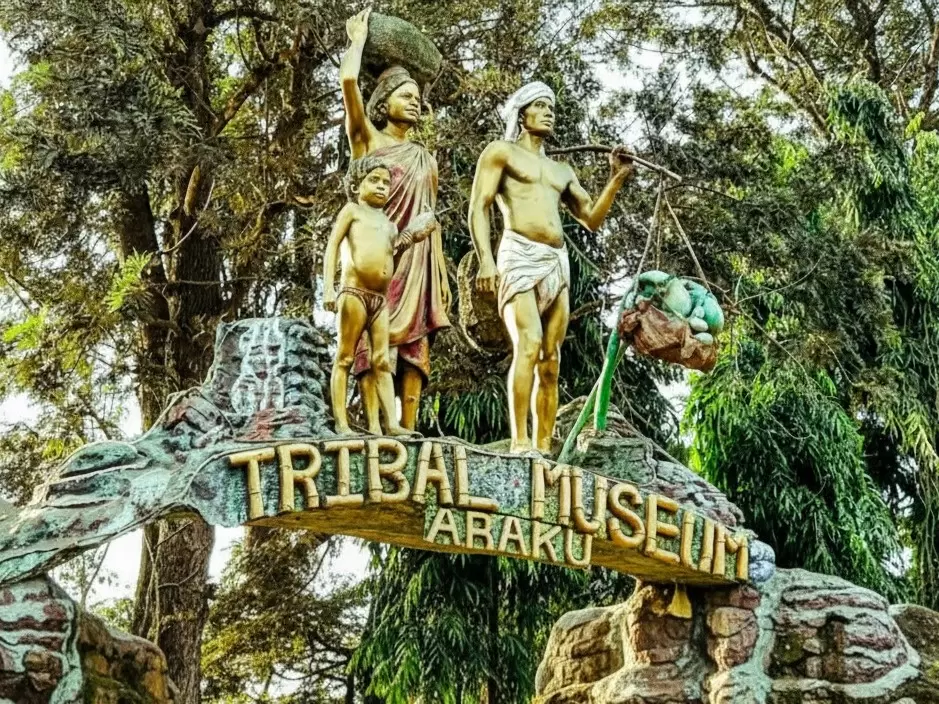
Tribal Museum, Araku Valley, Andhra Pradesh, India

Tribal Museum Araku , Araku Valley
Visitors explore exhibits of traditional clothing, tools, handicrafts, and art that reflect the customs and daily life of the region’s tribal groups. The museum provides educational insight into the culture and history of Araku Valley’s indigenous populations.

Quick Facts About Tribal Museum Araku

Quick Facts: Tribal Museum, Araku Valley

Entry Fee ?20 per adult; ?10 per child (5–12 yrs)
Timings 10:00–17:00 daily; closed on Mondays
Altitude (m) Approx. 911 m above sea level
Ideal Visit Duration 1–1.5 hours
Best Time of Day Morning for calm environment and better viewing
Crowd Level Low to moderate; busier on weekends and holidays
Distance from City Centre (km) Approx. 1 km from Araku Valley town centre
Walking Difficulty Easy; mostly level paths inside museum
Parking Available Yes; small parking area near entrance
Last Mile Access Accessible by auto, taxi, or private vehicle
Suitable for Kids Yes; educational exhibits suitable for children
Suitable for Seniors Yes; level pathways make navigation easy
Wheelchair Friendly Partial; level floors accessible, some assistance may be needed

Why Visit Tribal Museum, Araku Valley

Visitors come to Tribal Museum, Araku Valley to explore the culture, art, and daily life of local tribal communities. The museum attracts tourists, students, and researchers interested in ethnography and indigenous heritage.

On the ground, the museum has an informative and immersive atmosphere. Exhibits include traditional tools, handicrafts, clothing, and dioramas that allow visitors to understand the lifestyles and customs of the region’s tribes.

The museum is distinct for travelers because it provides a concentrated insight into tribal culture within the Araku Valley. Unlike general history museums, it focuses specifically on local communities, offering a cultural context that complements the natural beauty of the area.

Tribal Museum, Araku Valley – Context for Tourists

The Tribal Museum in Araku Valley, Andhra Pradesh, showcases the culture, lifestyle, and traditions of the local tribal communities inhabiting the Eastern Ghats.

The museum features exhibits of traditional clothing, handicrafts, musical instruments, and tools used by the tribal population, providing insight into their daily life and heritage.

Visitors can explore the displays, observe cultural artifacts, and gain an understanding of the rich tribal heritage of the Araku Valley, making it an educational and culturally enriching stop.

Best Time to Visit Tribal Museum, Araku Valley

Tribal Museum in Araku Valley is best visited during the cooler, dry months when both indoor exhibits and the surrounding outdoor tribal villages can be explored comfortably.
  • Ideal months: October to February
  • Weather conditions during the best season: Daytime temperatures between 20°C and 28°C with low humidity, providing pleasant conditions for museum tours, photography, and outdoor cultural experiences
  • Periods to avoid: March to June due to high heat; July to September because monsoon rains can affect access to nearby villages and outdoor exhibits

How to Reach Tribal Museum, Araku Valley

  • Nearest Airport: Visakhapatnam International Airport (VTZ) is approximately 110 km from Tribal Museum, Araku Valley. Travel by taxi or app-based cab takes around 3–3.5 hours depending on road conditions.
  • Nearest Railway Station: Visakhapatnam Railway Station is about 115 km away. Visitors can hire taxis or use private vehicles to reach Araku Valley; there is no direct train service to the museum.
  • Road Access and Last-Mile Connectivity: The museum is located in the heart of Araku Valley, accessible via NH16 and SH38 through winding ghat roads. Local taxis, auto-rickshaws, and guided tours provide last-mile connectivity. Parking is available near the museum, but it may be limited during weekends and peak tourist season.

What to Expect When You Visit Tribal Museum Araku, Araku Valley, Andhra Pradesh, India

  • Environment and Surroundings: The Tribal Museum is located in the scenic Araku Valley, surrounded by hills, forests, and coffee plantations. Expect a peaceful setting with well-maintained indoor galleries and small outdoor spaces showcasing tribal art and culture.
  • Facilities and Amenities: Facilities include restrooms, seating areas, and a small souvenir shop. Drinking water is available at the entrance. Informational boards and displays provide context about the local tribal communities, their traditions, and artifacts.
  • Accessibility and Movement: The museum has paved pathways and level indoor floors, making it accessible for wheelchairs and strollers. Some outdoor exhibits may have uneven terrain, requiring careful walking. Guided tours are occasionally available for a detailed experience.
  • Typical Visitor Behavior and Conditions: Visitors include students, researchers, tourists, and families. Crowds are moderate, increasing during weekends and public holidays. Visitors are expected to maintain quiet in galleries, avoid touching exhibits, and follow signage for a safe and respectful experience.

Important Visitor Information for Tribal Museum, Araku Valley

  • Crowds and Weather: The museum sees moderate visitor traffic, with increased numbers on weekends, public holidays, and during the winter tourist season (December–February). Summers (March–June) are hot, while monsoon months (July–September) can be humid. The indoor setting ensures a comfortable experience regardless of weather.
  • Visiting Hours: Open from 9:00 AM to 5:00 PM. Peak hours are 11:00 AM to 2:00 PM; visiting early morning or late afternoon provides a quieter and more relaxed experience.
  • Dress Code: Casual and comfortable clothing is appropriate. Comfortable footwear is recommended for walking through multiple galleries and exhibits.
  • Safety and Practical Notes: Follow museum guidelines regarding photography and touching exhibits. Supervise children closely. Keep personal belongings secure and maintain silence inside galleries for a better visitor experience.

Photography and Viewpoints at Tribal Museum, Araku Valley

  • Museum Exterior and Entrance: Captures the traditional architecture and surrounding gardens. Early morning (6:30–8:00 AM) provides soft light and minimal visitors. Tripods are allowed outside; avoid obstructing pathways.
  • Main Exhibit Halls: Ideal for photographing tribal artifacts, costumes, and crafts. Mid-morning (9:00–11:00 AM) ensures even indoor lighting. Flash photography is prohibited to preserve delicate exhibits.
  • Cultural Display Sections: Best for close-up shots of sculptures, masks, and instruments. Late morning light provides consistent illumination. Maintain respectful distance from artifacts and do not touch displays.
  • Outdoor Courtyard and Garden Areas: Frames the museum in context with surrounding greenery. Early morning or late afternoon light softens shadows and enhances colors. Weekends may have higher visitor traffic.
  • Observation Decks or Elevated Walkways: Provides wide-angle shots of the museum complex and Araku Valley landscape. Late afternoon (3:30–5:30 PM) enhances textures and depth. Access may be limited during special events or school tours.

Near By Attraction

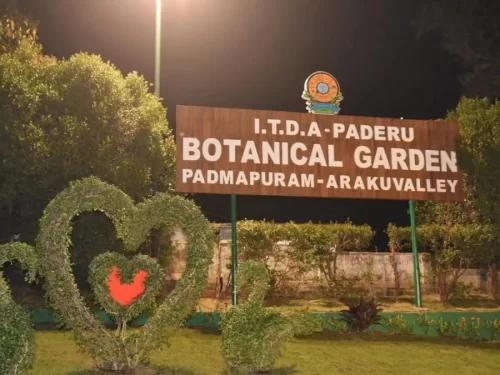
Padmapuram Botanical Gardens, Araku Valley botanical park entrance sign with lush greenery and topiary sculptures. Garden

Padmapuram Gardens

A landscaped botanical garden located in Araku Valley, featuring diverse plant species and themed sections.
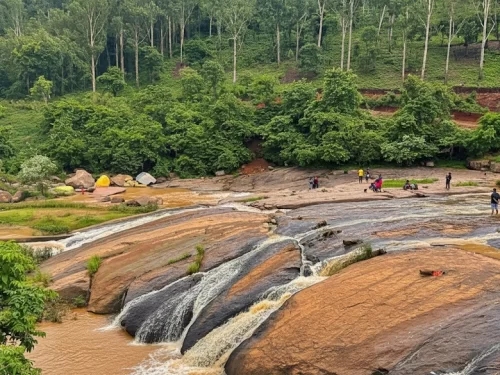
Chaparai Waterfalls, Araku Valley – scenic cascading streams over rocky terrain surrounded by lush forest Waterfall

Chaparai Water Cascade

A small waterfall and natural cascade located in the forested areas of Araku Valley.

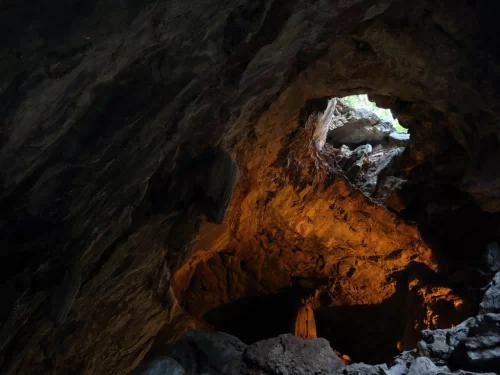
Borra Caves skylight interior near Vizag during day, featuring dramatic rock opening sunlight shaft, perfect adventure Araku Valley Andhra Pradesh tour package. Cave

Borra Caves

Limestone cave formations located in the Ananthagiri Hills near Araku Valley.

Frequently Asked Questions About Tribal Museum Araku

Tribal Museum Araku is located in Araku Valley near Visakhapatnam in Andhra Pradesh.
Tribal Museum Araku is known for showcasing the culture, lifestyle, handicrafts, and traditions of the tribal communities of the Eastern Ghats region.
Tribal Museum Araku can be reached from Visakhapatnam by road in about 3 to 4 hours, covering nearly 110 kilometers toward Araku Valley.
Tribal Museum Araku is generally open from around 10 AM to 6 PM and may remain closed on certain public holidays.
There is a nominal entry fee to visit Tribal Museum Araku as set by local tourism authorities.
The best time to visit Tribal Museum Araku is between October and March when the weather in Araku Valley remains cool and comfortable.
Visitors usually need 1 to 2 hours to explore Tribal Museum Araku and view the exhibits and cultural displays.
Parking facilities are available near Tribal Museum Araku in designated areas close to the entrance.
Photography inside Tribal Museum Araku may be restricted in certain sections, and visitors should confirm rules at the ticket counter.
Nearby attractions from Tribal Museum Araku include Padmapuram Gardens, Borra Caves, and scenic viewpoints across Araku Valley.

Loved this place ? Let’s Plan Your Andhra Pradesh Trip

Get customized Andhra Pradesh tour planning designed around coastal weather patterns, temple visit flow, road travel distances, and realistic pacing across regions. Whether you are visiting for spiritual journeys, heritage sites, beach experiences, hill r

⚡ Quick Response | 💰 Free consultation | 🕒 24×7 expert support

×

Plan Your Trip