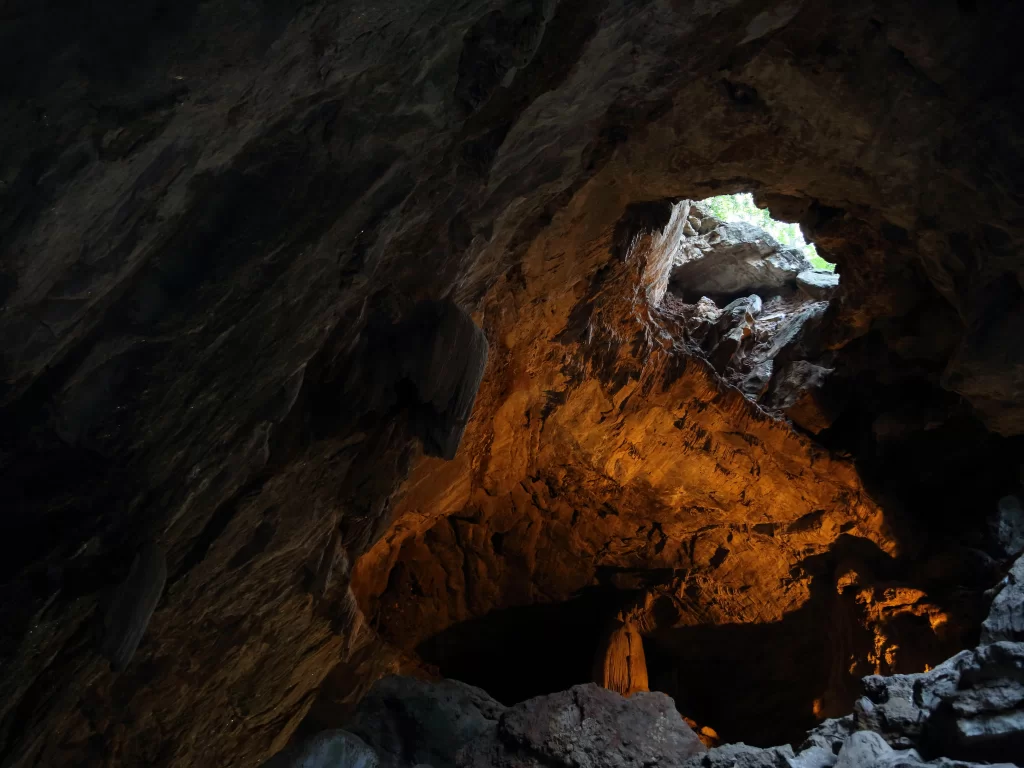
Borra Caves, Araku Valley, Andhra Pradesh, India

Borra Caves , Araku Valley
Tourists visit Borra Caves to explore stalactites, stalagmites, and underground chambers formed over millions of years. The site includes pathways and lighting to facilitate guided exploration of its geological features.

Quick Facts About Borra Caves

Quick Facts: Borra Caves, Araku Valley

Entry Fee ?50 per adult; ?25 per child (5–12 yrs)
Timings 09:00–17:00 daily
Altitude (m) Approx. 705 m above sea level
Ideal Visit Duration 1–2 hours
Best Time of Day Morning for cooler temperatures and optimal lighting inside caves
Crowd Level Moderate; busier during weekends and holiday seasons
Distance from City Centre (km) Approx. 100 km from Visakhapatnam city centre
Walking Difficulty Moderate; involves uneven rocky paths inside caves
Parking Available Yes; parking available near the cave entrance
Last Mile Access Accessible by taxi, auto, or private vehicle; short walk to cave entrance
Suitable for Kids Yes; supervision recommended due to uneven surfaces
Suitable for Seniors Partial; some climbing and uneven paths may be challenging
Wheelchair Friendly No; uneven and rocky surfaces inside caves prevent wheelchair access

Why Visit Borra Caves, Araku Valley

Visitors come to Borra Caves, Araku Valley to explore extensive limestone formations, stalactites, and stalagmites that create dramatic natural interiors. The caves attract geology enthusiasts, adventure travelers, and tourists seeking unique underground landscapes.

On the ground, the caves have a cool and humid atmosphere. Well-marked pathways, lighting installations, and guided routes allow visitors to navigate safely while appreciating the intricate rock formations and natural chambers.

Borra Caves are distinct for travelers due to their combination of geological significance and accessible cave exploration. Unlike smaller or lesser-known caves, they offer an immersive experience of large-scale limestone formations set within the scenic Eastern Ghats.

Borra Caves, Araku Valley – Context for Tourists

Borra Caves are limestone caves located near Araku Valley in Andhra Pradesh, India, formed over millions of years through natural processes. They are known for stalactite and stalagmite formations and their impressive underground chambers.

The caves hold historical significance with evidence of prehistoric human habitation and tribal worship, and some chambers contain idols of Hindu deities.

Visitors can explore illuminated pathways inside the caves, view unique rock formations, and experience the cool subterranean environment, making it a major geological and tourist attraction in Araku Valley.

Best Time to Visit Borra Caves, Araku Valley

Borra Caves are most enjoyable during the cooler, dry months when exploring the limestone formations is comfortable and trekking the approach paths is safe.
  • Ideal months: October to February
  • Weather conditions during the best season: Temperatures between 20°C and 28°C with low humidity, making it comfortable to walk through the caves and surrounding forested areas
  • Periods to avoid: March to June due to high summer heat; July to September because monsoon rains can make paths slippery and water flow inside the caves higher, affecting accessibility

How to Reach Hrinkar Theerth, Vijayawada

  • Nearest Airport: Vijayawada International Airport (VGA) at Gannavaram is approximately 18 km from Hrinkar Theerth. Travel by taxi or app-based cab takes around 35–50 minutes depending on traffic conditions.
  • Nearest Railway Station: Vijayawada Junction Railway Station is about 5 km away. Visitors can reach the site via taxis, auto-rickshaws, or city buses.
  • Road Access and Last-Mile Connectivity: Hrinkar Theerth is located near the Krishna River banks and accessible via NH16 and city roads. Local buses, taxis, and auto-rickshaws provide convenient last-mile connectivity. Parking is available nearby but may be limited during festivals and weekends.

What to Expect When You Visit Hrinkar Theerth, Vijayawada, Andhra Pradesh, India

  • Environment and Surroundings: Hrinkar Theerth is a sacred water tank situated near temples in Vijayawada. Expect a serene atmosphere with calm waters, stone steps leading to the tank, and occasional greenery around the site. Temperatures are generally warm, with shaded areas limited to nearby trees.
  • Facilities and Amenities: Facilities are minimal, including basic seating near the steps and access to drinking water at nearby temple complexes. Restrooms and food outlets are not available at the site. Signage may provide information about religious rituals performed at the tank.
  • Accessibility and Movement: Visitors access the tank via stone steps and paved pathways. Wheelchair access is not available, and caution is required on slippery surfaces near the water. Comfortable footwear is recommended for safe movement.
  • Typical Visitor Behavior and Conditions: Visitors are primarily devotees performing religious rituals or offering prayers. Crowds are moderate on regular days but increase during festivals and special poojas. Respectful behavior and modest attire are expected, and photography near sacred rituals may be restricted.

Important Visitor Information for Hrinkar Theerth, Vijayawada

  • Crowds and Weather: Hrinkar Theerth experiences moderate footfall, with increased visitors on weekends, public holidays, and during festival periods. Summers (March–June) are hot, monsoon months (July–September) may make access paths slippery, and winters (December–February) are ideal for visiting. Early morning visits are quieter and more pleasant.
  • Visiting Hours: Open from 6:00 AM to 7:00 PM. Peak hours are 8:00 AM to 11:00 AM and 5:00 PM to 6:30 PM; visiting early morning or late afternoon offers a peaceful experience.
  • Dress Code: Modest and traditional attire is recommended. Footwear must be removed before entering sacred areas.
  • Safety and Practical Notes: Be cautious near water bodies and uneven stone paths. Carry water during hot months, supervise children closely, and follow all temple or site guidelines to ensure a safe visit.

Photography and Viewpoints at Hrinkar Theerth, Vijayawada

  • Main Theerth Tank: Ideal for capturing reflections of temple structures and surrounding greenery. Early morning (6:00–7:30 AM) offers soft light and minimal visitors. Tripods are allowed on designated areas; avoid stepping into sacred waters.
  • Temple Perimeter: Frames the theerth with temple architecture and devotees performing rituals. Mid-morning (8:30–10:30 AM) ensures even lighting. Flash photography is prohibited in sanctified spaces.
  • Side Pathways and Steps: Provides angled perspectives of the water body and shrine surroundings. Late afternoon (3:30–5:00 PM) enhances textures and shadow depth. Paths may be crowded during festivals, so plan accordingly.
  • Elevated Viewing Platforms: Offers panoramic shots of the theerth and nearby Vijayawada landscapes. Sunrise or late afternoon light creates warm, directional illumination. Ensure stable footing when photographing from height.
  • Gardens and Peripheral Greenery: Useful for framing the theerth within landscaped areas. Early morning or late afternoon lighting softens shadows and enriches colors. Weekdays provide quieter conditions for unobstructed compositions.

Near By Attraction

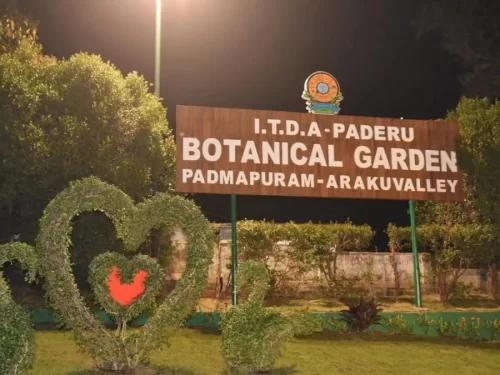
Padmapuram Botanical Gardens, Araku Valley botanical park entrance sign with lush greenery and topiary sculptures. Garden

Padmapuram Gardens

A landscaped botanical garden located in Araku Valley, featuring diverse plant species and themed sections.
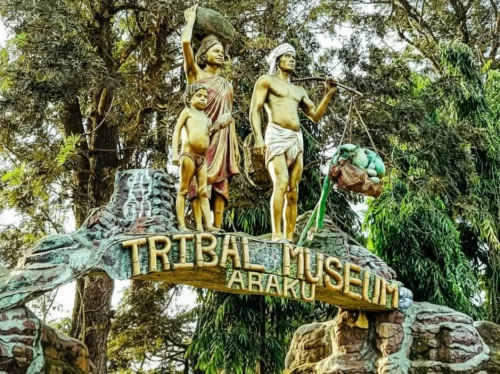
Tribal Museum, Araku Valley cultural museum showcasing tribal heritage and traditions in Andhra Pradesh. Museum

Tribal Museum Araku

A cultural museum in Araku Valley showcasing the heritage and lifestyle of local tribal communities.
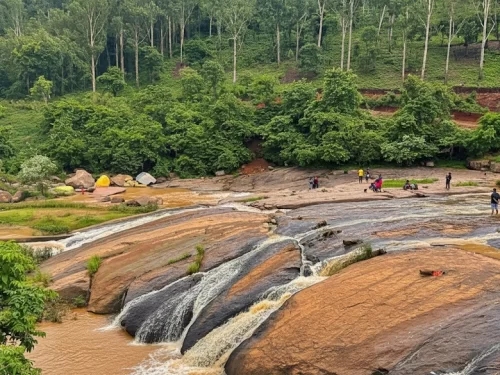
Chaparai Waterfalls, Araku Valley – scenic cascading streams over rocky terrain surrounded by lush forest Waterfall

Chaparai Water Cascade

A small waterfall and natural cascade located in the forested areas of Araku Valley.

Frequently Asked Questions About Borra Caves

Borra Caves are located in the Ananthagiri Hills near Araku Valley in Alluri Sitharama Raju district of Andhra Pradesh. They lie about 90 kilometers from Visakhapatnam city.
Borra Caves can be reached by road from Visakhapatnam in about 3 hours. Visitors in Andhra Pradesh can also travel by train on the scenic Visakhapatnam Araku railway route.
Borra Caves are generally open from around 10 am to 5 pm. Timings in Andhra Pradesh may vary slightly based on tourism department regulations.
Yes, Borra Caves have a nominal entry fee for visitors. Additional charges may apply for cameras or parking in Andhra Pradesh.
The best time to visit Borra Caves is between October and February when the weather in Andhra Pradesh is cooler. The monsoon season enhances greenery but pathways can be slippery.
Visitors usually need one to two hours to explore Borra Caves. This allows time to walk through the illuminated limestone formations in Andhra Pradesh.
Borra Caves involve walking on steps and uneven surfaces inside the cave. Senior visitors in Andhra Pradesh should move carefully and use railings where available.
Local guides are sometimes available at Borra Caves to explain geological formations. Visitors in Andhra Pradesh can also explore independently using information boards.
Parking facilities are available near the entrance of Borra Caves. Tourists traveling from Visakhapatnam in Andhra Pradesh can use designated parking areas.
Tourists visiting Borra Caves often stay in Araku Valley or Visakhapatnam in Andhra Pradesh. Both locations offer accommodation options suitable for different budgets.

Loved this place ? Let’s Plan Your Andhra Pradesh Trip

Get customized Andhra Pradesh tour planning designed around coastal weather patterns, temple visit flow, road travel distances, and realistic pacing across regions. Whether you are visiting for spiritual journeys, heritage sites, beach experiences, hill r

⚡ Quick Response | 💰 Free consultation | 🕒 24×7 expert support

×

Plan Your Trip