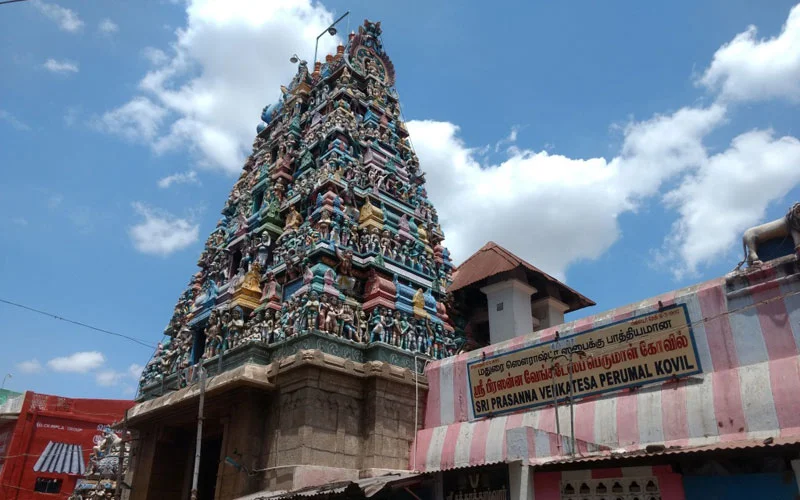
Murugan Temple, Port Blair, Andaman and Nicobar Islands, India

Shri Murugan Temple , Neil Island
It is visited by devotees for regular worship and religious observances dedicated to Lord Murugan. The temple serves as a local spiritual site for residents and visiting pilgrims within Port Blair and is used for daily rituals and festivals.

Quick Facts About Shri Murugan Temple

Murugan Temple, Andaman and Nicobar Islands Quick Facts

Entry Fee No entry fee
Timings Daily timings vary; typically open in morning and evening with a mid-day break (exact hours may vary by priest schedule and festival days)
Altitude (m) Approximately 0–20 m above sea level (coastal terrain, Port Blair region)
Ideal Visit Duration 30 minutes to 1 hour
Best Time of Day Early morning or evening during prayer hours
Crowd Level Low on weekdays; moderate during festival days such as Thaipusam and local Hindu observances
Distance from City Centre (km) Approximately 3–6 km from Port Blair city centre (depending on exact starting point)
Walking Difficulty Easy
Parking Available Limited roadside parking available near the temple approach area
Last Mile Access Accessible by road followed by a short walk to the temple entrance
Suitable for Kids Yes
Suitable for Seniors Yes
Wheelchair Friendly Partially accessible; access depends on entry route and internal steps within temple premises

Why Visit Murugan Temple, Andaman and Nicobar Islands

Visitors come to the Murugan Temple in Port Blair to offer prayers at one of the prominent Hindu temples dedicated to Lord Murugan in the Andaman region. It is especially visited by devotees from Tamil communities and travelers seeking a quiet spiritual stop within the city.

The atmosphere is calm and devotional, with regular temple rituals, chanting, and a steady flow of local worshippers. The hilltop setting provides a simple, uncluttered environment where visitors can spend time in prayer and observe daily religious practices.

What makes the temple distinct is its location in the Andaman Islands, combining a South Indian style of worship with an island setting. From the temple surroundings, visitors can also experience elevated views of Port Blair, making it both a cultural and situational landmark within the Andaman and Nicobar Islands.

History of Murugan Temple, Andaman and Nicobar Islands

Murugan Temple in the Andaman and Nicobar Islands is a Hindu place of worship dedicated to Lord Murugan, widely revered in South Indian religious traditions. The temple reflects the devotional presence of Tamil and other South Indian communities in the islands.

The temple serves as a spiritual center for regular ????, festivals, and community religious observances dedicated to Lord Murugan, especially during important Hindu festival periods associated with his worship.

Today, it remains an active religious site in the islands, supporting cultural continuity for devotees and contributing to the region’s diverse spiritual landscape.

Best Time to Visit Murugan Temple, Andaman and Nicobar Islands

Murugan Temple in the Andaman and Nicobar Islands is best visited when sea conditions are calm and island travel is smooth, allowing visitors to comfortably reach Port Blair and explore the temple without weather-related travel disruptions.

  • Ideal Months: October to March is the most suitable period for visiting, offering stable ferry and road connectivity across Port Blair and nearby attractions.
  • Weather Conditions: This season typically brings pleasant tropical temperatures, lower humidity compared to peak summer, and calmer seas that support smoother inter-island travel and sightseeing.
  • Periods to Avoid: May to September should be avoided due to the monsoon season, which can cause rough sea conditions, ferry cancellations, heavy rainfall, and restricted movement across the islands.

How to Reach Murugan Temple, Andaman and Nicobar Islands

  • By Air: Veer Savarkar International Airport in Port Blair is the nearest and only major airport in the Andaman and Nicobar Islands, located within the same city area as the temple. Regular flights connect Port Blair with Chennai, Kolkata, and select major Indian cities. From the airport, taxis and auto-rickshaws provide direct access to the temple within a short drive.
  • By Train: There is no railway network in the Andaman and Nicobar Islands. Travelers must reach Port Blair by air or sea, after which local road transport is used for reaching the temple.
  • By Road: Murugan Temple is accessible via local road networks within Port Blair. Auto-rickshaws, taxis, and hired two-wheelers are commonly used for last-mile travel. Public transport is limited, and travel times can vary depending on ferry arrivals, flight schedules, and local traffic conditions within the island capital.

What to Expect When You Visit Murugan Temple, Andaman and Nicobar Islands

  • The Murugan Temple in the Andaman and Nicobar Islands, located in the Port Blair area, is a small urban Hindu temple surrounded by residential zones, local shops, and everyday city movement rather than isolated natural landscapes.
  • The temple environment is generally quiet on regular days, with increased activity during Tamil festivals such as Thaipusam and other Hindu religious occasions when local devotees gather in larger numbers.
  • Facilities around the temple are basic and city-supported, including nearby roadside parking, small vendors, and essential shops. There are no large-scale visitor facilities or dedicated tourist infrastructure within the temple premises.
  • Access is straightforward via local road transport within Port Blair, and visitors typically reach the temple by auto-rickshaw, taxi, or private vehicle. Walking distances are short and do not involve trekking or difficult terrain.
  • Visitor behavior is primarily devotional, with people coming for prayer, offerings, and brief visits rather than extended sightseeing. During peak religious hours, small queues may form near the sanctum.
  • The temple maintains standard dress and conduct expectations typical of active Hindu places of worship, and visitors are expected to remain quiet and respectful inside the prayer areas.
  • Overall conditions reflect a functioning local place of worship rather than a major tourist monument, so experiences are simple, community-oriented, and dependent on local religious schedules.

Important Visitor Information for Murugan Temple, Andaman and Nicobar Islands

  • The temple experiences steady visitor flow throughout the year, with higher footfall during Tamil festivals such as Thaipusam and Skanda Shasti, while weekday mornings remain comparatively quiet for darshan.
  • Early morning and evening aarti hours are the most visited periods, offering a calmer spiritual atmosphere outside these times when footfall is relatively light.
  • The tropical coastal climate of the Andaman and Nicobar Islands brings high humidity year-round, with heavy rainfall during the monsoon season (typically May to October) affecting comfort and accessibility.
  • Modest clothing is expected inside the temple premises, with visitors advised to wear breathable attire suitable for humid weather while respecting traditional Hindu temple customs.
  • Visitors should be cautious on wet steps and polished stone surfaces, especially during or after rain, as humidity and monsoon showers can make areas slippery.
  • Local travel conditions in Port Blair may include uneven footpaths and traffic congestion during peak hours, so extra time should be allowed when visiting the temple during busy periods.

Photography and Viewpoints at Murugan Temple, Andaman and Nicobar Islands

  • The main temple courtyard and entrance steps provide the clearest compositions, capturing the Murugan shrine architecture set against the green, forested backdrop typical of Port Blair’s elevated temple locations.
  • From the approach path leading uphill, wider frames can include the temple structure along with surrounding tropical vegetation and partial views of the nearby settlement below.
  • Early morning light offers softer contrast on the temple façade and reduces humidity haze common in the Andaman climate, while late afternoon provides warmer tones over the hillside setting.
  • Photography is generally permitted in outer temple areas, but visitors should avoid capturing images inside the sanctum or during active ???? rituals unless explicitly allowed by temple authorities.
  • The temple sees increased footfall during Thai Poosam, Skanda Shashti, and other Murugan-related festivals, when the courtyard and steps become crowded and limit clear framing.
  • Access to the main viewpoints involves a short uphill walk or steps, and movement can become slower during peak prayer timings due to devotees gathering near the entrance.
  • Occasional restrictions may apply during special ceremonies or community events, so visitors are expected to follow on-site instructions regarding photography and respectful conduct.

Near By Attraction

Limestone Caves in Baratang featuring natural stalactite and stalagmite rock formations, perfect adventure experience with Andaman tour package. Tourist Attraction

Limestone Cave Baratang

The Limestone Caves are natural cave formations located on Baratang Island in the Andaman and Nicobar Islands, India.

Chidiya Tapu Beach in Port Blair featuring fallen driftwood and calm blue ocean, perfect beach experience with Andaman tour package. Beach

Chidiya Tapu Beach

Chidiya Tapu Beach is a coastal beach located at the southern end of South Andaman Island in the Andaman and Nicobar Islands, India.
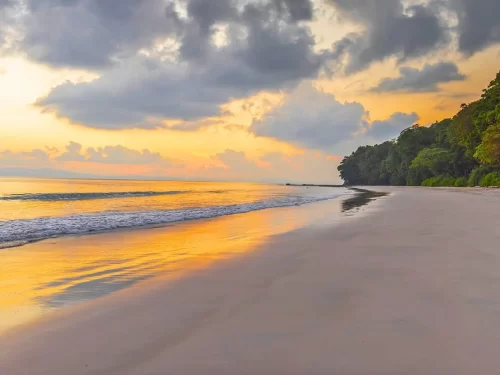
Ramnagar Beach, serene and unspoiled beach in Diglipur, Andaman known for golden sunsets, soft sands, and peaceful surroundings. Beach

Ramnagar Beach

Ramnagar Beach is a quiet and scenic beach near Diglipur known for its natural beauty and turtle nesting sites.

Frequently Asked Questions About Shri Murugan Temple

The best time to visit Murugan Temple is from October to March when the weather is pleasant and travel across the Andaman Islands is smoother. Early morning and evening prayer hours offer a peaceful atmosphere for darshan and a comfortable temple visit.
Murugan Temple generally opens in the morning and evening with a mid-day break. Timings may vary depending on daily rituals, priest schedules, and festival celebrations, so it is advisable to confirm the schedule locally before planning your visit.
No, there is no entry fee to visit Murugan Temple. Visitors can enter the temple free of charge to offer prayers, attend religious ceremonies, or spend some quiet time in the peaceful surroundings.
Most visitors spend around 30 minutes to 1 hour at Murugan Temple. This allows enough time for darshan, observing the temple architecture, participating in prayers if desired, and enjoying the calm surroundings.
Limited roadside parking is available near the temple approach. Visitors arriving by private vehicle may find parking nearby, although availability can become limited during festival days and busy prayer timings.
Murugan Temple can be reached easily from Veer Savarkar International Airport by taxi or auto rickshaw. Since the temple is located within Port Blair, the journey is short and convenient for most visitors.
Murugan Temple is suitable for both senior citizens and children. The walking distance is short and the approach is generally easy, although visitors should take extra care on steps and slippery surfaces during rainy weather.
The temple is partially wheelchair accessible. Entry depends on the approach route and the presence of steps within the temple premises, so visitors requiring assistance should plan accordingly before arriving.
Photography is generally allowed in the outer areas of the temple. Visitors should avoid taking photographs inside the sanctum or during religious rituals unless permission has been granted by the temple authorities.
Visitors are expected to wear modest and respectful clothing suitable for an active Hindu place of worship. Lightweight and breathable clothes are recommended because Port Blair has a warm and humid tropical climate throughout the year.
Murugan Temple experiences higher visitor numbers during major Hindu festivals such as Thaipusam and Skanda Shasti. Weekday mornings are usually quieter, making them a good time for a peaceful darshan experience.
Basic facilities such as small shops, roadside vendors, and limited parking are available around the temple. As it is primarily a functioning place of worship, visitors should not expect extensive tourist infrastructure within the temple premises.
After visiting Murugan Temple, travelers can continue exploring Limestone Cave Baratang, Chidiya Tapu Beach, and Ramnagar Beach to experience more of the Andaman and Nicobar Islands after completing their temple visit.
Visitors should arrive during temple hours, wear respectful clothing, remain quiet inside prayer areas, and be careful on wet stone surfaces during the monsoon. Allow extra travel time during festivals and peak traffic within Port Blair.

Loved this place ? Let’s Plan Your Andaman and Nicobar Islands Trip

Get customized Andaman and Nicobar Islands tour planning designed around ferry schedules, island connectivity, seasonal sea conditions, and realistic travel flow between islands. Whether you are visiting for beach relaxation, water sports, snorkeling, scu

⚑ Quick Response | πŸ’° Free consultation | πŸ•’ 24Γ—7 expert support

×

Plan Your Trip