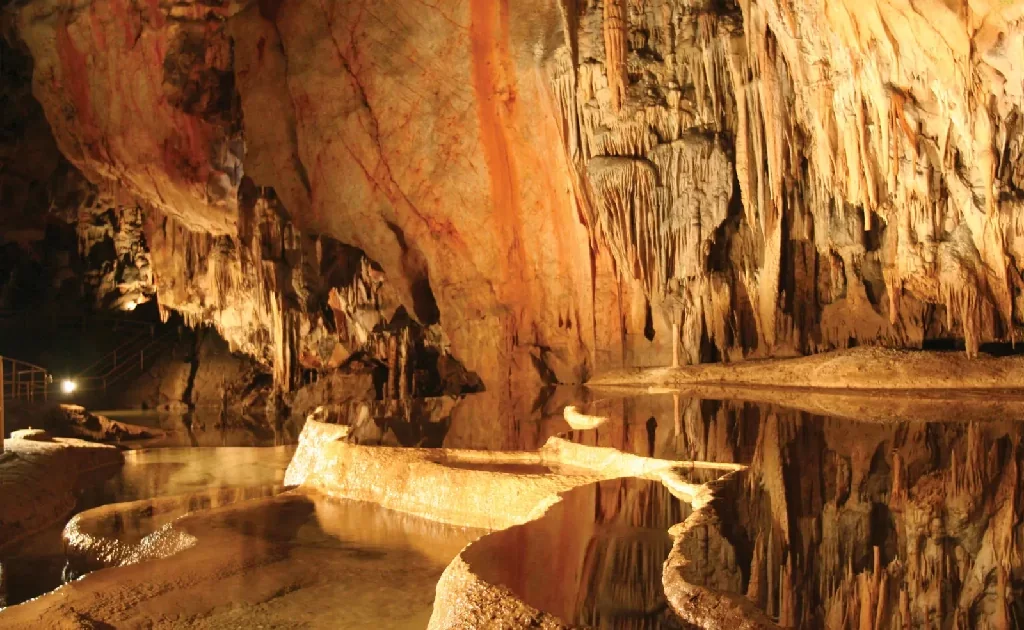
Limestone Caves, Baratang Island, Andaman and Nicobar Islands, India

Limestone Cave Baratang , Neil Island
Tourists visit the Limestone Caves to observe naturally formed stalactite and stalagmite structures created over thousands of years. The caves are reached through a combination of road, boat, and short walking routes that pass through mangrove-lined waterways.

Quick Facts About Limestone Cave Baratang

Limestone Caves, Andaman and Nicobar Islands Quick Facts

Entry Fee No entry fee for the caves; separate charges apply for boat transfers and transportation to Baratang Island
Timings Typically accessible between 9:00 AM and 5:00 PM, subject to convoy schedules, ferry operations, weather, and local regulations
Altitude (m) Approximately 0–20 m above sea level
Ideal Visit Duration 4–6 hours from Baratang Jetty; a full-day excursion from Port Blair
Best Time of Day Morning, aligned with the first available convoy and boat departures
Crowd Level Moderate to high during peak tourist season (October–March); lower during monsoon months
Distance from City Centre (km) Approximately 100 km from Port Blair city centre to Baratang Island, followed by a boat ride and short trek
Walking Difficulty Easy to moderate; includes a forest trail of approximately 1–2 km each way
Parking Available Yes, parking is available near Baratang Jetty
Last Mile Access Reachable only by licensed boat through mangrove creeks followed by a short walk to the caves
Suitable for Kids Yes, with supervision during boat travel and the forest walk
Suitable for Seniors Yes, if comfortable with boat transfers and walking on uneven natural trails
Wheelchair Friendly No; boat access and natural forest trails prevent wheelchair accessibility

Why Visit Limestone Caves, Andaman and Nicobar Islands

Visitors come to the Limestone Caves near Baratang Island to observe naturally formed limestone formations shaped over thousands of years. Reaching the caves involves a combination of road travel, creek crossings, and a short walk through mangrove surroundings, making the journey part of the experience.

The atmosphere is distinctly natural, with dense mangrove ecosystems, quiet waterways, and shaded cave interiors. Inside the caves, visitors can view stalactite and stalagmite formations while exploring narrow passages created by geological processes.

What makes the Limestone Caves distinct is the combination of cave exploration and the unique mangrove environment of Baratang Island. Few attractions in the Andaman and Nicobar Islands offer such a direct encounter with both geological formations and coastal wetland ecosystems in a single visit.

History of Limestone Caves, Andaman and Nicobar Islands

The Limestone Caves of the Andaman and Nicobar Islands are natural geological formations created over thousands of years through the gradual deposition and erosion of limestone. Located in the mangrove-rich areas of Baratang Island, the caves are part of the archipelago’s distinctive karst landscape.

These caves were formed by natural processes involving water seepage through limestone rock, resulting in intricate stalactite and stalagmite formations. Their significance lies primarily in their geological value rather than any known historical or religious association.

Today, the Limestone Caves are recognized as one of the Andaman Islands’ notable natural attractions, offering visitors insight into the region’s long-term geological evolution and unique cave formations.

Best Time to Visit Limestone Caves, Andaman and Nicobar Islands

The Limestone Caves in Baratang are best visited during the dry season when road transfers, boat rides through mangrove creeks, and the walk to the caves are more reliable and comfortable for visitors.
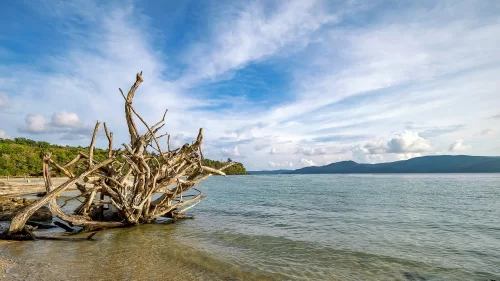
  • Ideal Months: November to April is the most suitable period for visiting the Limestone Caves, offering smoother travel conditions from Port Blair to Baratang.
  • Weather Conditions: These months generally bring lower rainfall, better visibility inside and around the cave area, and more comfortable conditions for the boat journey and short forest walk.
  • Periods to Avoid: May to September should be avoided due to monsoon rainfall, which can affect road travel, increase delays in boat operations, and make pathways to the caves muddy and slippery.

How to Reach Limestone Caves, Andaman and Nicobar Islands

  • By Air: Veer Savarkar International Airport in Port Blair is the nearest airport serving the Andaman and Nicobar Islands. After arriving in Port Blair, travelers must proceed to Baratang Island, where the Limestone Caves are located, using a combination of road and boat transport.
  • By Train: There is no railway network in the Andaman and Nicobar Islands. Visitors must reach Port Blair by air or passenger ship and then continue overland to Baratang Island.
  • By Road: The Limestone Caves are situated near Nilambur on Baratang Island, approximately 100 km north of Port Blair. Visitors travel via the Andaman Trunk Road through designated convoy timings, cross the Middle Strait by vehicle ferry, and then take a short motorboat ride through mangrove creeks followed by a brief walk to the caves. Advance planning is recommended, as access depends on ferry schedules, convoy timings, weather conditions, and forest regulations.

What to Expect When You Visit Limestone Caves, Andaman and Nicobar Islands

  • The Limestone Caves are located in the Baratang Island region and are surrounded by dense mangrove forests, tidal creeks, and tropical vegetation, offering a distinctly natural environment away from urban areas.
  • Reaching the caves involves a combination of road travel, regulated ferry crossings, boat rides through mangrove-lined waterways, and a short forest walk. Visitors should be prepared for multiple transit stages and variable waiting times.
  • The cave interiors feature naturally formed limestone stalactites and stalagmites, with uneven rocky surfaces, narrow passages, and low-light conditions in some sections. Comfortable footwear is recommended for navigating the terrain.
  • Facilities at the caves are limited. Basic refreshments and small shops may be available near transport points, but extensive visitor infrastructure, dining options, and modern amenities are not present at the cave site itself.
  • Most visitors travel as part of a day trip from Port Blair, following designated routes and schedules. Entry and movement are generally regulated to protect the fragile cave environment and surrounding ecosystem.
  • Weather and tidal conditions can influence travel times, particularly during the monsoon season when road conditions, ferry operations, and boat services may experience delays or temporary disruptions.
  • Visitor activity is primarily focused on nature observation, photography, and exploring geological formations. The experience is more about natural heritage and travel through mangrove landscapes than recreational activities.

Important Visitor Information for Limestone Caves, Andaman and Nicobar Islands

  • The Limestone Caves receive the highest visitor numbers during the peak tourist season from November to April, while early morning departures generally offer a less crowded experience.
  • Access to the caves is tide-dependent and typically involves a boat journey followed by a walk through mangrove areas, so visiting schedules may vary according to local conditions.
  • The tropical climate remains hot and humid throughout the year, while monsoon months can bring heavy rainfall that may affect boat operations and trail conditions.
  • No formal dress code applies, but comfortable clothing and sturdy footwear are recommended for navigating uneven pathways, wooden walkways, and natural cave surroundings.
  • Visitors should watch their footing inside and around the caves, as limestone surfaces, roots, and damp sections can be slippery, particularly after rain.
  • Touching or climbing on limestone formations should be avoided, as these natural structures are fragile and have developed over thousands of years.

Photography and Viewpoints at Limestone Caves, Andaman and Nicobar Islands

  • The best photographs of the Limestone Caves are taken along the mangrove-lined creek journey near Baratang, where narrow waterways, exposed roots, and dense tropical vegetation create distinctive approach scenes before reaching the caves.
  • Inside the caves, the most notable viewpoints focus on naturally formed stalactites and stalagmites, with several chambers offering dramatic compositions of mineral formations shaped over thousands of years.
  • Natural light is strongest near the cave entrance during late morning and early afternoon, while deeper sections rely on limited artificial illumination, affecting visibility and photography conditions.
  • Photography is generally permitted for personal use, but flash photography may be discouraged in certain sections to minimize disturbance and preserve the visitor experience.
  • The narrow pathways inside the caves restrict movement and tripod placement, making designated walking routes the primary locations for capturing geological features.
  • Visitor congestion is most noticeable during peak tourist season and after ferry arrivals at Baratang, which can affect access to the most popular cave chambers and viewpoints.
  • Weather and tidal conditions influence boat schedules through the mangrove creeks, which can affect the timing and lighting available for photography during the approach to the caves.

Near By Attraction

Chidiya Tapu Beach Beach

Chidiya Tapu Beach

Chidiya Tapu Beach is a coastal beach located at the southern end of South Andaman Island in the Andaman and Nicobar Islands, India.

Marina Park Garden

Marina Park

Marina Park is a public waterfront park located along the coastline in Port Blair, Andaman and Nicobar Islands, India.

 Temple

Shri Murugan Temple

Murugan Temple is a Hindu temple dedicated to Lord Murugan located in Port Blair in the Andaman and Nicobar Islands, India.
Frequently Asked Questions About Limestone Cave Baratang

Loved this place ? Let’s Plan Your Andaman and Nicobar Islands Trip

Get customized Andaman and Nicobar Islands tour planning designed around ferry schedules, island connectivity, seasonal sea conditions, and realistic travel flow between islands. Whether you are visiting for beach relaxation, water sports, snorkeling, scu

⚑ Quick Response | πŸ’° Free consultation | πŸ•’ 24Γ—7 expert support

×

Plan Your Trip