Quick Facts About Yiga Choeling Monastery
| Entry Fee | Free |
| Timings | 09:00 - 18:00 |
| Altitude (m) | 2258 |
| Ideal Visit Duration (hrs) | 1 |
| Best Time of Day | Morning |
| Crowd Level | Moderate |
| Distance from Darjeeling (km) | 8 |
| Walking Difficulty | Moderate |
| Parking Available | Yes |
| Last Mile Access | Road |
| Suitable for Kids | Yes |
| Suitable for Seniors | Yes |
| Wheelchair Friendly | No |
Why Visit Yiga Choeling Monastery
Yiga Choeling Monastery is a must-visit for travelers seeking spiritual calm, cultural depth, and a glimpse into authentic Tibetan Buddhist traditions. As one of the oldest monasteries in Darjeeling, it offers a deeply peaceful environment away from the busy town areas.
The atmosphere inside the monastery is serene and meditative, filled with the soft sounds of chanting, prayer wheels, and the aroma of incense. The cool mountain air and quiet surroundings make it an ideal place for reflection and inner peace.
What makes Yiga Choeling Monastery truly special is its massive statue of Maitreya Buddha, rare Buddhist manuscripts, and its strong connection to the Gelugpa sect of Tibetan Buddhism. The monastery also provides insight into monastic life, making the visit both spiritually enriching and culturally meaningful.
History
Yiga Choeling Monastery was established in 1875 in Ghum, making it the oldest Tibetan Buddhist monastery in the Darjeeling region. It was founded under the guidance of Lama Sherab Gyatso and later came under the influence of the Gelugpa (Yellow Hat) sect of Tibetan Buddhism, which is also associated with the Dalai Lama.
The monastery gained prominence for housing a 15-foot-high statue of Maitreya Buddha, the future Buddha, which remains its most revered feature. Over the years, Yiga Choeling became an important center for Buddhist learning, prayer, and meditation, preserving ancient scriptures, ritual texts, and traditional practices.
Despite natural challenges and political changes in the region, the monastery has continued to function as a spiritual center for monks and devotees. Today, it stands as a living symbol of Tibetan Buddhist heritage in Darjeeling, maintaining its religious importance while welcoming visitors seeking peace, knowledge, and spiritual insight.
Best Time to Visit Yiga Choeling Monastery
The best time to visit Yiga Choeling Monastery is from March to May and September to November, when the weather in Ghum remains pleasant and the surroundings are clear and comfortable for exploration. These months allow visitors to experience the monastery in calm conditions with good visibility of the surrounding hills.
Morning hours, especially between 9:00 AM and 11:00 AM, are ideal for a visit as the monastery is quieter and prayer sessions may be observed. The peaceful atmosphere during this time enhances the spiritual experience and allows visitors to explore respectfully without heavy crowds.
- Spring (March–May): Mild temperatures, blooming surroundings, and comfortable walking conditions
- Autumn (September–November): Clear skies, crisp air, and a serene monastery environment
- Monsoon (June–August): Fewer tourists but frequent rain and mist in Ghum
- Winter (December–February): Cold weather with occasional fog; quiet and contemplative atmosphere
How to Reach Yiga Choeling Monastery
- By Road: Yiga Choeling Monastery is located in Ghum, about 8 km from Darjeeling town. It can be reached easily by taxi or private vehicle via Hill Cart Road, with a travel time of around 25–30 minutes.
- By Toy Train: The Darjeeling Himalayan Railway toy train stops at Ghum Station, which is just a short walking distance from the monastery. This is one of the most scenic and memorable ways to reach the site.
- From New Jalpaiguri (NJP) Railway Station: NJP is approximately 75 km away. From NJP, visitors can hire a taxi or take a shared jeep to Darjeeling or directly to Ghum, followed by a brief walk to the monastery.
- From Bagdogra Airport: Bagdogra Airport is about 80 km from Yiga Choeling Monastery. Taxis and shared cabs are available, and the journey usually takes 3.5 to 4 hours depending on traffic and weather.
- Local Access: Shared jeeps, local taxis, and sightseeing vehicles from Darjeeling regularly include Ghum Monastery as part of standard local tour circuits.
What to Expect When You Visit Yiga Choeling Monastery
- Peaceful Spiritual Environment: Expect a calm and meditative atmosphere filled with prayer chants, spinning prayer wheels, and the gentle scent of incense, offering a break from the busy tourist areas.
- Maitreya Buddha Statue: You will see the impressive 15-foot-high statue of Maitreya Buddha inside the monastery, which is the main highlight and a significant religious symbol for devotees.
- Traditional Monastic Life: Visitors may observe monks engaged in daily prayers, study, and rituals, providing an authentic glimpse into Tibetan Buddhist monastic traditions.
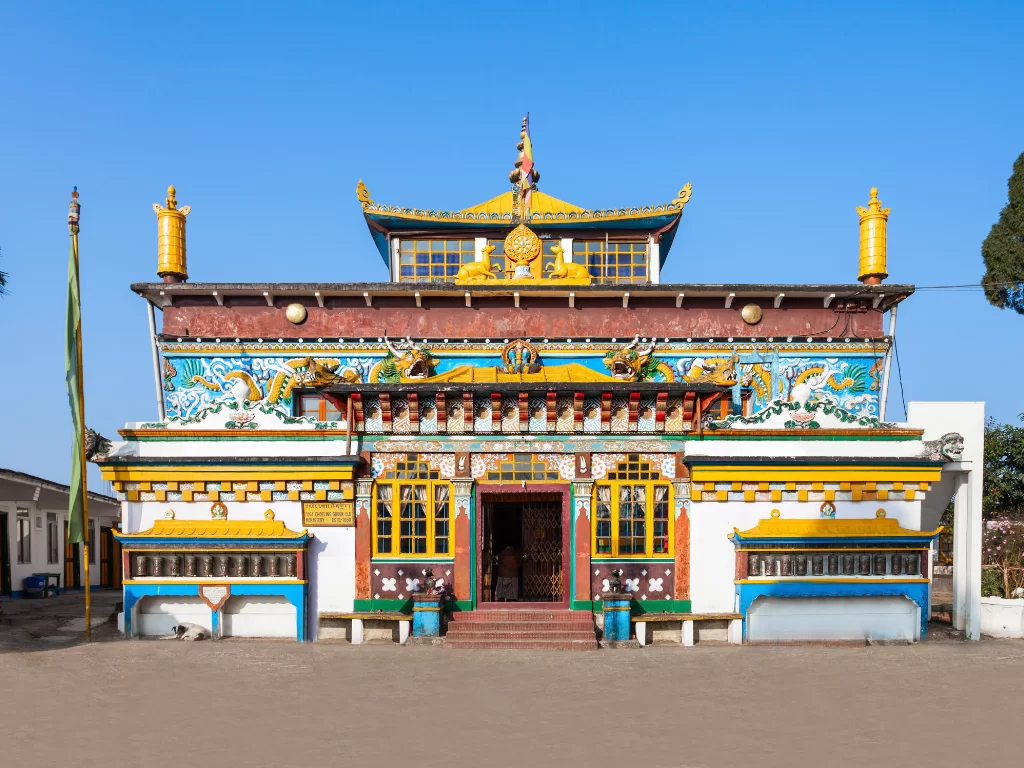
- Simple yet Sacred Architecture: The monastery features traditional Tibetan design, colorful murals, thangka paintings, and ancient scriptures that reflect its historical importance.
- Quiet Surroundings: Located in Ghum, the monastery offers a tranquil setting with cool mountain air and minimal noise, ideal for reflection and respectful exploration.
- Short, Meaningful Visit: The monastery can be comfortably explored in under an hour, making it suitable for travelers of all age groups seeking cultural and spiritual enrichment.
Important Visitor Information
- Crowd & Weather Notes: Yiga Choeling Monastery usually experiences low to moderate crowds. Visitor numbers increase during peak tourist seasons (April–June and October–November). Being located in Ghum, weather can be cold and misty, especially in the early morning and during monsoon months.
- Peak / Quiet Hours: Peak hours are generally between 11:00 AM and 2:00 PM when tour vehicles arrive. Quiet hours are early mornings from 9:00 AM to 11:00 AM, offering a more peaceful and spiritual experience.
- Dress Code: Modest clothing is recommended as this is an active religious site. Visitors should avoid shorts, sleeveless tops, and loud attire. Warm layers are advisable due to cool temperatures throughout the year.
- Safety Notes: The monastery premises are safe, but visitors should maintain silence and follow monastery guidelines. Footwear must be removed before entering prayer halls, and care should be taken on steps, especially during fog or rain.
Photography and Viewpoint
- Interior Spiritual Photography: Inside Yiga Choeling Monastery, visitors can capture serene images of prayer halls, butter lamps, prayer wheels, and colorful Tibetan murals. Photography inside may be restricted during prayer times, so always seek permission before clicking.
- Maitreya Buddha Focus: The large statue of Maitreya Buddha is the central photographic highlight. Low-light conditions inside the hall make natural-light photography ideal without flash, preserving the sanctity of the space.
- Monastery Architecture: The monastery’s traditional Tibetan design, ornate windows, and prayer flags offer excellent opportunities for cultural and architectural photography.
- Surrounding Hill Views: From the monastery complex, visitors can enjoy quiet viewpoints overlooking Ghum and nearby forested slopes, especially atmospheric during early mornings and misty conditions.
- Best Lighting Conditions: Soft morning light between 9:00 AM and 11:00 AM works best for both interior and exterior shots, while afternoons may bring fog that adds mood but reduces clarity.
- Photography Etiquette: Avoid using flash, keep camera sounds low, and do not photograph monks or rituals without consent to maintain respect for the religious environment.