Quick Facts About Thongsa Gompa
| Entry Fee | Free |
| Timings | 08:00 - 17:00 |
| Altitude (m) | 1300 |
| Ideal Visit Duration (hrs) | 1 |
| Best Time of Day | Morning |
| Crowd Level | Moderate |
| Distance from Kalimpong (km) | 3 |
| Walking Difficulty | Easy |
| Parking Available | No |
| Last Mile Access | Road |
| Suitable for Kids | Yes |
| Suitable for Seniors | Yes |
| Wheelchair Friendly | No |
Why Visit Thongsa Gompa
Thongsa Gompa is a meaningful place to visit for travelers seeking spiritual calm, historical depth, and an authentic glimpse into Kalimpong’s early Buddhist heritage.
Atmosphere: The monastery offers a serene and contemplative atmosphere, filled with the soft sounds of prayer chants, fluttering prayer flags, and the scent of incense. Surrounded by quiet hills, it feels far removed from the bustle of town life, making it ideal for reflection and inner calm.
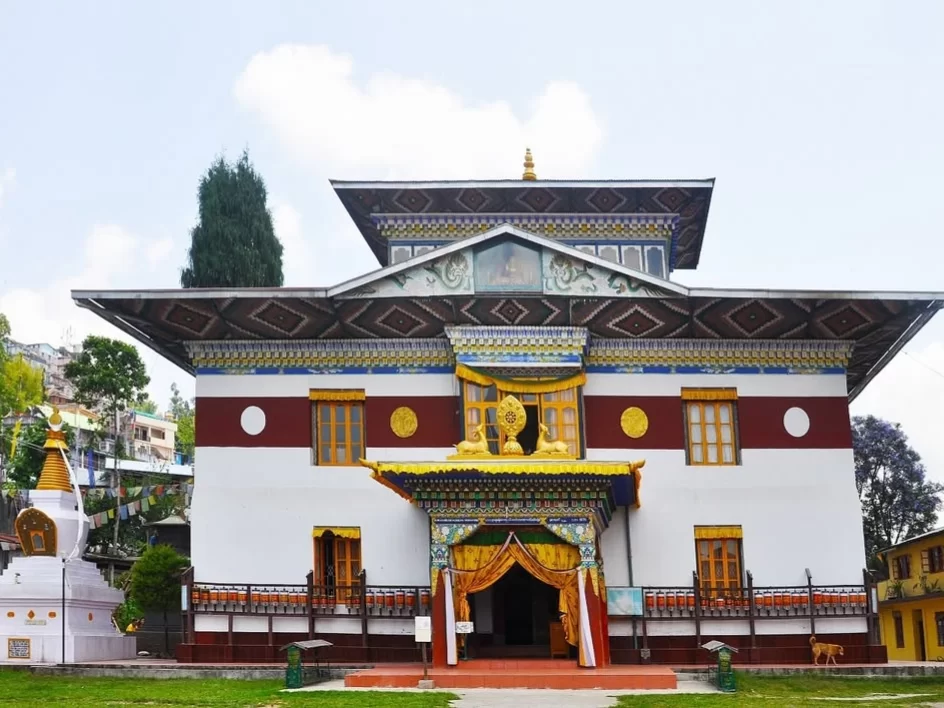
What Makes it Special: Regarded as one of the oldest monasteries in the region, Thongsa Gompa played an important role in the spread of Buddhism in Kalimpong. Its traditional Tibetan architecture, sacred prayer halls, and continued religious practice give it an authentic, living-monastery experience rather than that of a tourist-only site.
History
Thongsa Gompa is believed to be the oldest Buddhist monastery in the Kalimpong region and holds deep religious importance in the spread of Tibetan Buddhism across the Eastern Himalayas. It is said to have existed even before Kalimpong developed as a settlement, serving as a spiritual center for local communities and early Buddhist practitioners.
The monastery gained prominence due to its association with revered Buddhist monks and its role as a place of learning, meditation, and prayer. Over time, Thongsa Gompa became an important stop for religious gatherings, rituals, and festivals, strengthening its spiritual influence in the region.
Despite renovations and maintenance over the years, the gompa has preserved its traditional Tibetan architectural style and religious practices. Today, it continues to function as an active monastery, maintaining its original spiritual purpose while standing as a living symbol of Kalimpong’s early Buddhist heritage.
Best Time to Visit
The best time to visit Thongsa Gompa is from March to May and September to November, when the weather in Kalimpong is pleasant, skies are generally clear, and the monastery’s surroundings feel especially peaceful.
- Spring (March to May): Comfortable temperatures and blooming greenery create a calm setting for prayer, meditation, and quiet exploration.
- Monsoon (June to August): The area turns lush and green, but heavy rainfall may make paths slippery and reduce visibility.
- Autumn (September to November): Clear skies, fresh mountain air, and festive religious activity make this the most rewarding season to visit.
- Winter (December to February): Cold mornings and evenings bring fewer visitors, offering a tranquil experience, though outdoor time may be limited.
How to Reach
- By Air: The nearest airport is Bagdogra Airport (IXB), around 80 km from Kalimpong. From the airport, taxis and shared cabs are available to reach Kalimpong town, followed by a short drive to Thongsa Gompa.
- By Train: New Jalpaiguri (NJP) Railway Station is the closest major railhead, approximately 75 km away. From NJP, visitors can hire taxis or shared vehicles to Kalimpong.
- By Road: Kalimpong is well connected by road to Siliguri, Darjeeling, and Gangtok. Thongsa Gompa is located about 3 km from Kalimpong town centre and is accessible via a motorable road.
- Local Transport: Local taxis are the most convenient option from Kalimpong market. The last stretch may require a short walk depending on traffic and parking availability.
What to Expect When You Visit
- A quiet and spiritually enriching environment, with monks engaged in daily prayers and rituals.
- Traditional Tibetan architectural elements, including prayer halls, statues, murals, and fluttering prayer flags.
- A peaceful atmosphere ideal for meditation, reflection, and slow-paced exploration.
- Limited tourist infrastructure, preserving the authenticity of the monastery experience.
- Opportunities to observe Buddhist practices respectfully without disrupting religious activities.
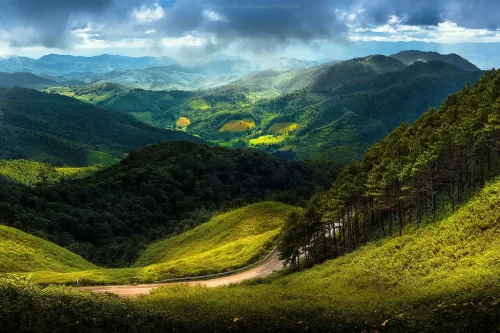
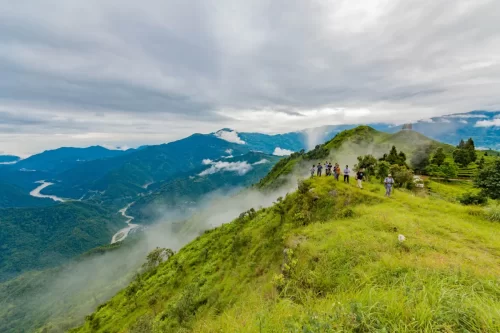
- Scenic surroundings with views of Kalimpong’s hills and valleys, especially during clear weather.
Important Visitor Information
- Crowd & Weather Notes: Thongsa Gompa usually remains quiet with low visitor numbers. Weather is pleasant for most of the year, though winter mornings can be cold and monsoon months may bring fog and rain.
- Peak / Quiet Hours: Early mornings and late afternoons are the quietest and most peaceful times to visit. Prayer hours may see a slight increase in local devotees.
- Dress Code: Modest and respectful clothing is essential. Avoid shorts, sleeveless tops, and loud attire as this is an active religious site.
- Safety Notes: Maintain silence inside prayer areas, avoid touching religious objects without permission, and watch your step on uneven paths and stairways.
Photography and Viewpoint
- Thongsa Gompa offers meaningful photography opportunities focused on traditional Tibetan Buddhist architecture, prayer halls, and symbolic details such as prayer wheels and colorful flags.
- The elevated location provides gentle viewpoints of surrounding hills and residential areas of Kalimpong, especially visible on clear days.
- Soft morning light enhances textures and colors of the monastery walls, murals, and statues, making early hours ideal for photography.
- Photography inside prayer halls may be restricted; visitors should always seek permission before capturing images of religious interiors or rituals.
- The calm surroundings allow for thoughtful composition without crowd interference, suitable for cultural and documentary-style photography.
- Use of flash, drones, or intrusive equipment is discouraged to preserve the sanctity of the religious environment.