Quick Facts About Peace Pagoda
| Entry Fee | Free |
| Timings | 08:00 - 17:30 |
| Altitude (m) | 2134 |
| Ideal Visit Duration (hrs) | 2 |
| Best Time of Day | Morning |
| Crowd Level | Moderate |
| Distance from Darjeeling (km) | 8 |
| Walking Difficulty | Moderate |
| Parking Available | Yes |
| Last Mile Access | Walk |
| Suitable for Kids | Yes |
| Suitable for Seniors | Yes |
| Wheelchair Friendly | No |
Why Visit Peace Pagoda, Darjeeling
Why Visit: Peace Pagoda in Darjeeling is a serene spiritual destination that offers visitors an opportunity to experience tranquility, meditate, and reflect amidst the scenic Himalayan landscape. It is a symbol of peace, attracting both tourists and spiritual seekers from around the world.
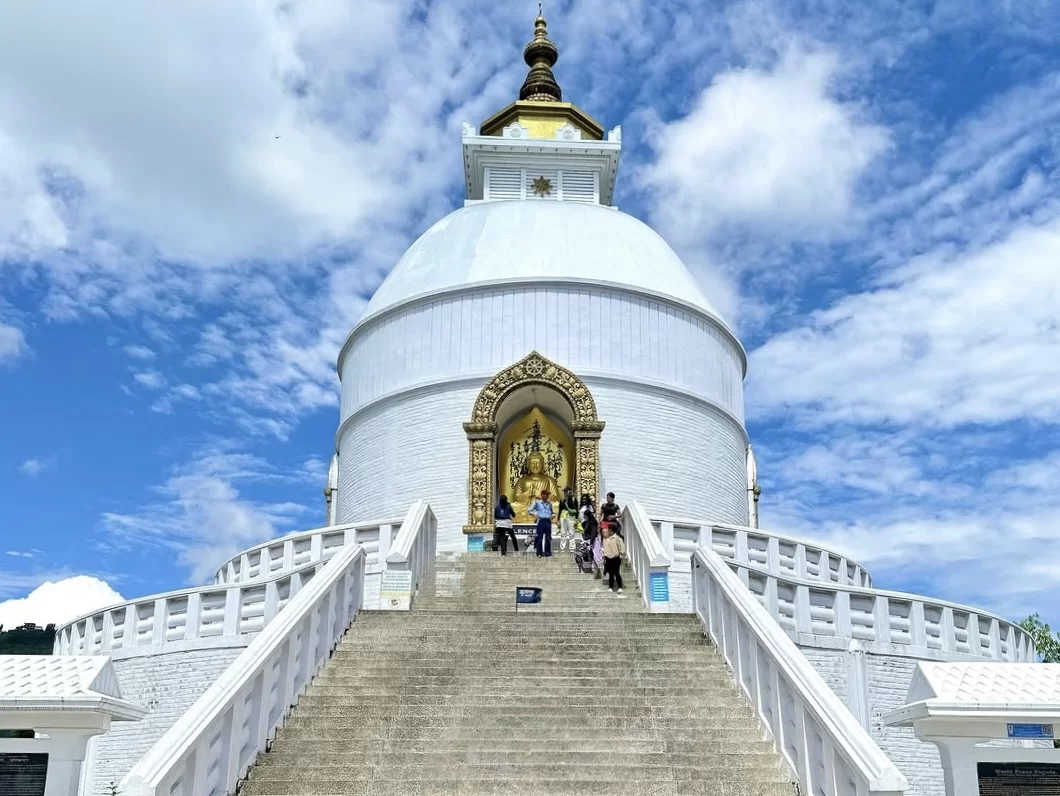
Atmosphere: The pagoda exudes a calm and meditative ambiance with its pristine white structure, golden Buddha statues, and well-maintained gardens. The gentle mountain breeze, the fluttering prayer flags, and panoramic vistas of Kanchenjunga create a peaceful and reflective environment.
What Makes it Special: The combination of spiritual significance, architectural beauty, and breathtaking Himalayan views makes Peace Pagoda unique. Its serene setting, cultural importance, and photographic opportunities provide visitors with a memorable and uplifting experience that blends nature, spirituality, and culture.
Significance of Peace Pagoda, Darjeeling
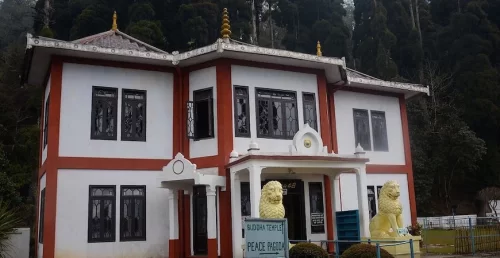
Peace Pagoda, also known as the Nipponzan Peace Pagoda, was built by the Japanese Buddhist organization Nipponzan Myohoji to promote global peace, harmony, and non-violence. It stands as a spiritual monument rather than a functioning monastery, welcoming people of all faiths to meditate and reflect.
The pagoda houses four large golden Buddha statues, each representing a different stage of Buddha’s life, emphasizing teachings of compassion and enlightenment. Its construction and serene surroundings make it a site of cultural and spiritual significance, symbolizing unity and peace in the region.
Best Time to Visit Peace Pagoda, Darjeeling
The Peace Pagoda is best visited when the skies are clear, allowing unobstructed views of the surrounding hills and the Kanchenjunga range. Seasonal variations influence both the scenic beauty and visitor experience, so timing your visit can enhance the overall experience.
- Spring (March – May): Pleasant weather with blooming rhododendrons and clear skies make this the ideal season for sightseeing and photography.
- Autumn (September – November): Crisp air, minimal cloud cover, and excellent visibility offer spectacular panoramic views of Darjeeling and the Himalayas.
- Winter (December – February): Chilly mornings with occasional mist create a serene atmosphere; snow-capped peaks may be visible on clear days, offering unique photo opportunities.
- Monsoon (June – August): Heavy rains can limit visibility and make paths slippery, making it less suitable for visiting during this season.
- Best Time of Day: Early morning for sunrise views or late afternoon for soft lighting and sunset vistas over the mountains and town.
How to Reach Peace Pagoda, Darjeeling
- By Air: The nearest airport is Bagdogra Airport, approximately 70 km from Darjeeling. From the airport, travelers can hire a taxi or shared cab to reach Darjeeling town, then continue by local transport or walk to the pagoda.
- By Train: New Jalpaiguri (NJP) Railway Station is the closest major railhead, about 65 km away. From NJP, taxis and shared cabs are available to Darjeeling, followed by a short drive or uphill walk to the Peace Pagoda.
- By Road: Darjeeling is well-connected by road to Siliguri, Kalimpong, and other nearby towns. Private taxis, buses, or shared cabs can drop visitors near the base of the hill.
- Local Transport: From central Darjeeling, such as Chowrasta or Mall Road, visitors can take a short taxi ride or enjoy a scenic uphill walk to the pagoda, which takes about 15–20 minutes.
- Parking: Limited parking is available near the base of the hill. Visitors are advised to park in designated areas and walk up via the sloped pathway to reach the pagoda.
What to Expect When You Visit Peace Pagoda, Darjeeling
- Stunning Himalayan Views: Enjoy unobstructed panoramic views of Darjeeling, surrounding valleys, and snow-capped Himalayan peaks including Kanchenjunga on clear days.
- Tranquil Atmosphere: Experience a serene and peaceful environment ideal for meditation, reflection, and a break from the bustling town below.
- Spiritual and Cultural Experience: Explore the pagoda’s four golden Buddha statues representing different stages of Buddha’s life, and witness prayer flags fluttering in the wind, adding a spiritual charm.
- Leisurely Walks: Well-maintained pathways and landscaped gardens offer a pleasant walking experience with multiple viewpoints for photography.
- Photography Opportunities: Capture sunrise and sunset vistas, panoramic landscapes, and cultural elements of the pagoda for memorable photographs.
- Visitor-Friendly Facilities: Benches, resting spots, and nearby parking make it convenient for families, senior citizens, and casual visitors.
Important Visitor Information for Peace Pagoda, Darjeeling
- Crowd & Weather Notes: The site experiences moderate crowds, with weekends and holidays being busier. Spring and autumn offer pleasant weather and clear visibility, while winter mornings can be misty and chilly. Monsoon months (June–August) may bring rain and slippery paths.
- Peak / Quiet Hours: Early mornings (08:00 AM – 10:00 AM) are the quietest, ideal for peaceful reflection and photography. Late afternoons (04:00 PM – 05:30 PM) are good for sunset views but slightly busier.
- Dress Code: Comfortable and modest clothing is recommended. Warm layers are advised during winter, and sturdy shoes are suitable for walking on sloped pathways.
- Safety Notes: Stay on designated paths, supervise children near edges, and avoid slippery areas during rains. Respect the sanctity of the pagoda, and follow any signage or guidelines inside the premises.
Photography and Viewpoint at Peace Pagoda, Darjeeling
- Panoramic Himalayan Views: Capture wide-angle shots of the surrounding valleys, Darjeeling town, and the snow-capped peaks of the Kanchenjunga range. Clear mornings provide the best visibility for dramatic landscapes.
- Sunrise and Sunset Photography: Early morning light offers soft golden hues over the hills, while late afternoon creates warm, picturesque sunsets ideal for landscape photography.
- Cultural and Spiritual Elements: Include the four golden Buddha statues, white pagoda structure, and colorful prayer flags in your photos to add cultural depth to your shots.
- Close-Up Details: Focus on architectural details, statues, and the intricate designs on the pagoda for a mix of wide and detailed photography.
- Wide-Angle Landscapes: The elevated position allows for panoramic shots of the surrounding hills, forests, and town, making it perfect for both professional and amateur photographers.
- Serene Ambience: Capture the tranquil environment, with calm gardens and meditative spaces, highlighting the peaceful atmosphere of the pagoda.