Quick Facts About Nature Interpretation Centre
| Entry Fee | Free |
| Timings | 09:00 - 17:00 |
| Altitude (m) | 1400 |
| Ideal Visit Duration (hrs) | 2 |
| Best Time of Day | Morning |
| Crowd Level | Moderate |
| Distance from Kalimpong (km) | 3 |
| Walking Difficulty | Easy |
| Parking Available | Yes |
| Last Mile Access | Walk |
| Suitable for Kids | Yes |
| Suitable for Seniors | Yes |
| Wheelchair Friendly | No |
Why Visit Nature Interpretation Centre, Kalimpong
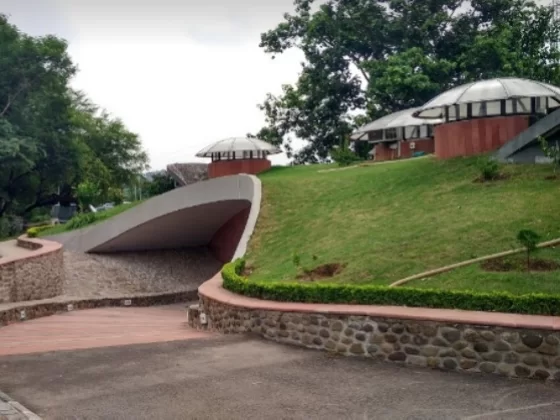
The Nature Interpretation Centre is a must-visit for students, nature enthusiasts, and tourists interested in understanding the rich biodiversity of the Kalimpong region. It offers an educational yet engaging experience for visitors of all ages.
Atmosphere: The centre has a calm and informative environment, with well-organized exhibits, natural displays, and interactive learning modules. Visitors can explore at their own pace, making it ideal for both solo travelers and families.
What Makes it Special: The centre showcases the unique flora and fauna of the Himalayan ecosystem, including rare plant species, birds, and insects. Its interactive exhibits and educational displays provide hands-on learning, making it both informative and fun. The centre also highlights local conservation efforts, inspiring visitors to appreciate and protect nature.
Educational Significance
The Nature Interpretation Centre in Kalimpong was established to promote environmental education and awareness about the Himalayan ecosystem. It serves as an important resource for students, researchers, and visitors who wish to learn about the region’s biodiversity and conservation practices.
Through carefully curated exhibits and interactive displays, the centre educates visitors on native flora and fauna, ecological interconnections, and the importance of preserving natural habitats. It also plays a role in community outreach and school programs, making it a hub for environmental learning in Kalimpong.
Over the years, the centre has become a notable destination for eco-tourists and nature enthusiasts, providing both knowledge and a deeper appreciation of the Himalayan environment.
Best Time to Visit
The Nature Interpretation Centre can be visited year-round, but the most pleasant experience is during spring and autumn when the weather is mild and the surrounding scenery is at its best.
- Spring (March to May): Ideal for school trips and nature enthusiasts, with blooming flowers and comfortable temperatures for exploring the exhibits.
- Monsoon (June to August): The region experiences heavy rainfall, making outdoor surroundings lush and green, but indoor exhibits remain accessible.
- Autumn (September to November): Clear skies and moderate temperatures make this the best time for guided tours and observing the surrounding natural beauty.
- Winter (December to February): Cool and crisp weather offers a quiet and comfortable indoor visit, though the scenery outside may be partially foggy.
How to Reach
- By Air: The nearest airport is Bagdogra Airport (IXB), approximately 80 km from Kalimpong. From the airport, visitors can hire taxis or shared cabs to reach the town, followed by a short drive to the Nature Interpretation Centre.
- By Train: New Jalpaiguri (NJP) Railway Station is the closest major railway station, around 75 km away. From NJP, taxis or shared vehicles can take visitors to Kalimpong and onward to the centre.
- By Road: Kalimpong is well connected to Siliguri, Darjeeling, and Gangtok via roads. The centre is about 3 km from the town centre and accessible via a short taxi ride or drive.
- Local Transport: From the parking area near the centre, visitors may need to walk a few steps to reach the entrance. Local taxis and auto-rickshaws are available for ease of access.
What to Expect When You Visit
- Informative and interactive exhibits showcasing the flora, fauna, and ecology of the Kalimpong region.
- Displays highlighting conservation efforts and the importance of protecting the Himalayan ecosystem.
- Guided tours and educational programs for students, researchers, and nature enthusiasts.
- Opportunities to observe rare plants, birds, and insects through well-organized exhibits.
- A calm and educational environment suitable for families, school groups, and solo visitors.
- Photography-friendly spaces, especially for capturing detailed exhibits and natural surroundings.
- Mostly indoor experience, with minimal walking required, making it accessible to a wide range of visitors.
Important Visitor Information
- Crowd & Weather Notes: The centre generally experiences low to moderate crowds. Weekends and school holidays can be busier. Weather is pleasant in spring and autumn; monsoon months may make nearby outdoor areas slippery.
- Peak / Quiet Hours: Early mornings are ideal for a quiet visit and uninterrupted learning. Afternoons may see increased visitors, especially during guided tours or school trips.
- Dress Code: Comfortable casual attire is recommended. Wear footwear suitable for walking short distances within the centre.
- Safety Notes: Supervise children during interactive exhibits. Avoid touching delicate displays unless permitted. Maintain decorum to ensure a safe and enjoyable experience for all visitors.
Photography and Viewpoint
- The Nature Interpretation Centre provides excellent opportunities for photography of educational exhibits, including detailed displays of local flora, fauna, and ecological setups.
- Indoor exhibits are well-lit, making it easy to capture clear images of models, specimens, and interactive installations.
- Visitors can photograph informative panels, dioramas, and displays highlighting the Himalayan biodiversity.
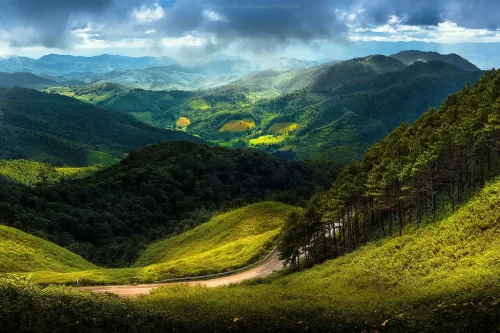
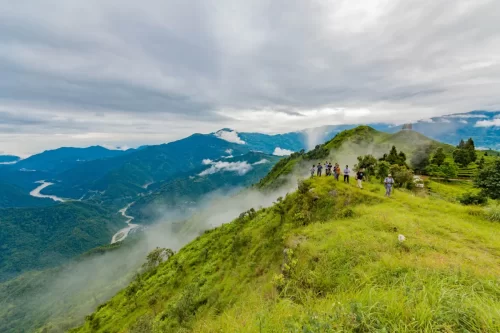
- The centre’s location also offers scenic outdoor viewpoints of the surrounding hills and valleys, ideal for landscape photography.
- Respectful photography is encouraged; avoid using flash on sensitive exhibits or disturbing ongoing educational activities.
- Both casual and professional photography enthusiasts can capture educational and nature-themed images that combine learning with scenic beauty.