Mangal Dham Temple – Spiritual Landmark in North India

Mangal Dham Temple , Kalimpong
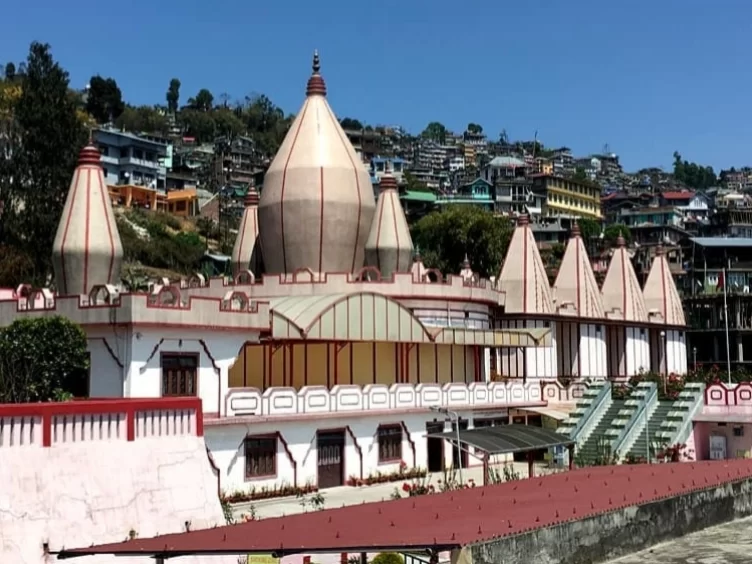
Mangal Dham Temple is a renowned Hindu temple attracting devotees and tourists alike. Located amidst scenic surroundings, it is celebrated for its peaceful ambiance, vibrant religious ceremonies, and exquisite architectural design. The temple complex includes beautifully crafted shrines and spaces for meditation and prayer, making it a significant destination for spiritual seekers. Festivals and special rituals draw visitors throughout the year, providing a glimpse into local religious traditions and culture.

Quick Facts About Mangal Dham Temple

Entry Fee Free
Timings 05:00 - 21:00
Altitude (m) 250
Ideal Visit Duration (hrs) 2
Best Time of Day Morning
Crowd Level High
Distance from City Centre (km) 5
Walking Difficulty Easy
Parking Available Yes
Last Mile Access Walk
Suitable for Kids Yes
Suitable for Seniors Yes
Wheelchair Friendly No

Why Visit

Mangal Dham Temple is a serene spiritual destination that offers visitors a peaceful escape from daily life. Its tranquil atmosphere, combined with the rhythmic chants and rituals, provides a rejuvenating experience for the mind and soul.

What makes it special is its stunning architecture, which blends traditional Indian temple design with intricate carvings and vibrant decorations. The temple is also known for its lively religious ceremonies and festivals, where devotees gather in large numbers to celebrate with devotion and fervor. Whether you are seeking spiritual solace, cultural insight, or simply a quiet place to reflect, Mangal Dham Temple offers a unique and enriching experience.

Religious Significance

Mangal Dham Temple is a revered spiritual site for devotees of Hinduism. It is dedicated to the worship of Lord Hanuman and other deities, serving as a center for daily prayers, religious rituals, and community gatherings. The temple attracts pilgrims throughout the year, especially during festivals like Hanuman Jayanti, where special ceremonies and devotional activities are conducted.

The temple’s design and sanctity reflect traditional Hindu architectural and spiritual values. Beyond its religious importance, Mangal Dham Temple serves as a hub for cultural activities, meditation, and spiritual learning, making it a significant destination for both devotees and visitors seeking peace and divine blessings.

Best Time to Visit

The best time to visit Mangal Dham Temple is during the cooler months and festival seasons, when the weather is pleasant and the temple comes alive with vibrant celebrations. Visitors can enjoy both the spiritual ambiance and the scenic surroundings in comfort.
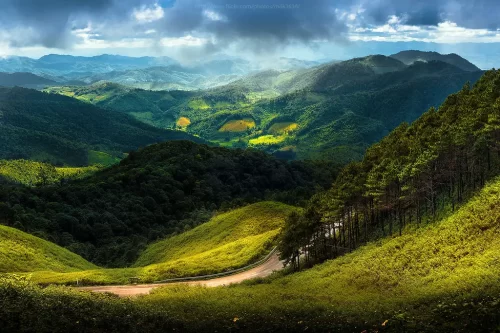
  • Winter (October to February): Pleasant weather with clear skies makes it ideal for sightseeing, photography, and attending temple rituals.
  • Festivals: Hanuman Jayanti and other Hindu festivals are the most auspicious times to visit, offering a glimpse of elaborate ceremonies, devotional music, and communal gatherings.
  • Early Morning or Evening: Visiting during early morning aarti or evening rituals provides a serene and spiritually immersive experience.
  • Avoid Peak Summer: Summer months (April to June) can be hot, making it slightly uncomfortable for long visits, although temple activities continue.

How to Reach

  • By Air: The nearest airport is Jolly Grant Airport, Dehradun, approximately 60 km away. From the airport, visitors can hire taxis or take a private car to reach the temple.
  • By Train: The nearest major railway station is Dehradun Railway Station, around 55 km from the temple. Taxis and buses are available for onward travel.
  • By Road: Mangal Dham Temple is well-connected via roads from nearby cities. Private cars, taxis, and state-run buses from Dehradun, Rishikesh, and Haridwar can reach the temple directly.
  • Local Transport: Auto-rickshaws and shared taxis are available for short distances from the parking area to the temple entrance.
  • Walking / Last Mile Access: The temple premises are accessible via paved pathways from the main parking area, making it easy for most visitors.

What to Expect When You Visit

  • Spiritual Atmosphere: Visitors can expect a serene and peaceful environment, with the sound of devotional chants and temple bells creating a meditative ambiance.
  • Religious Ceremonies: Daily aartis, special poojas, and festival celebrations offer a deep insight into Hindu rituals and traditions.
  • Architectural Beauty: The temple features intricately carved pillars, colorful shrines, and beautifully maintained premises that make it a visually appealing destination.
  • Family-Friendly Environment: The temple is suitable for visitors of all ages, offering calm spaces for meditation and reflection.
  • Photography Opportunities: Visitors can capture vibrant decorations, devotional activities, and scenic views of the surrounding area.
  • Local Interactions: Devotees and temple staff are welcoming, providing an opportunity to learn about local religious practices and customs.

Important Visitor Information

  • Crowd & Weather Notes: The temple sees moderate crowds on weekdays and higher footfall during festivals and weekends. Weather is generally pleasant, though summers can be warm and winters mild to cool.
  • Peak / Quiet Hours: Early morning (5:00 AM – 8:00 AM) is ideal for a peaceful visit and meditation, while evenings (6:00 PM – 8:00 PM) are perfect for witnessing the aarti ceremony.
  • Dress Code: Modest clothing is recommended. Traditional attire is preferred for participation in religious rituals. Comfortable footwear is advisable for walking within the temple premises.
  • Safety Notes: The temple is safe for all visitors. Keep personal belongings secure, follow signage, and respect temple rules and customs. Children and seniors should be supervised on stairs and elevated areas.

Photography and Viewpoint

  • Temple Architecture: Capture the intricate carvings, colorful shrines, and traditional design elements that make the temple visually stunning.
  • Festivals and Rituals: Festivals like Hanuman Jayanti and evening aartis provide vibrant scenes of devotional activities, perfect for cultural photography.
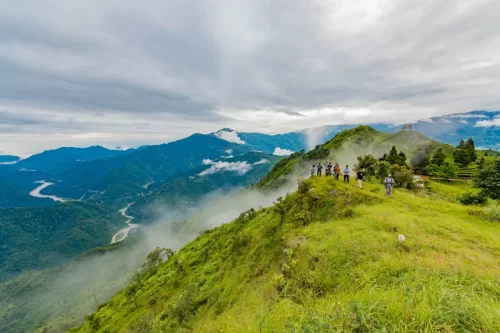
  • Scenic Surroundings: The temple is set amidst lush greenery and well-maintained gardens, providing scenic backgrounds for photography.
  • Best Time for Photography: Early morning and late afternoon offer soft lighting and minimal crowd interference for capturing clear and vibrant images.
  • Perspective Shots: Elevated areas and temple steps provide great vantage points to photograph the entire complex and surrounding landscape.
  • Respectful Photography: Always respect devotees’ privacy and follow temple rules while taking pictures, especially during rituals and prayers.

Near By Attraction

Nature Interpretation Centre in Kalimpong, West Bengal, featuring landscaped pathways, green lawns, and eco-friendly structures set amid forested surroundings, a key attraction included in West Bengal tour packages. Museum

Nature Interpretation Centre

The Nature Interpretation Centre in Kalimpong is an educational facility showcasing the region’s biodiversity, including native plants, animals, and ecological systems.

St. Teresa’s Church in Kalimpong, West Bengal, featuring its distinctive hill-style architecture and bell tower with visitors gathered in the courtyard, a notable heritage landmark included in West Bengal tour packages. Church

St. Teresa's Church

St. Teresa's Church in Kalimpong is a tranquil Catholic church situated on a hill, known for its serene ambiance, colonial architecture, and panoramic views.

Large Hanuman Temple statue atop red stairway in Kalimpong, West Bengal, surrounded by greenery and temple flags, a prominent spiritual site featured in West Bengal tour packages. Temple

Hanuman Temple

Hanuman Temple in Kalimpong is a revered hilltop shrine dedicated to Lord Hanuman, offering spiritual ambiance along with panoramic views of the surrounding hills.

Frequently Asked Questions About Mangal Dham Temple

Mangal Dham Temple is generally open during morning and evening hours for darshan. Timings may vary on special religious occasions in Kalimpong West Bengal so checking locally before visiting is advisable.
Mangal Dham Temple does not usually charge a mandatory entry fee. Visitors may offer voluntary donations to support temple maintenance and daily rituals.
Mangal Dham Temple is located within Kalimpong town and can be reached easily by taxi private vehicle or local transport. The temple is accessible by road with minimal walking required.
The best time to visit Mangal Dham Temple is during early morning or evening hours when the environment is calmer. Winter months in Kalimpong West Bengal offer more comfortable weather for temple visits.
Mangal Dham Temple expects visitors to wear modest and respectful clothing. Removing footwear before entering the main prayer hall is generally required.
Mangal Dham Temple provides limited parking space near the entrance area. During weekends and festival days in Kalimpong parking may become crowded so arriving early is recommended.
Mangal Dham Temple observes important Hindu festivals with increased footfall from local devotees. Visiting on regular weekdays ensures shorter waiting time for darshan.
Most visitors spend 30 to 45 minutes at Mangal Dham Temple. The duration may extend during special poojas or festival celebrations.
Mangal Dham Temple may restrict photography inside the main sanctum area. Visitors should follow on site instructions regarding camera and mobile phone usage.
Mangal Dham Temple offers basic access pathways within the premises. Senior citizens can manage the visit comfortably though assistance may be helpful during crowded occasions.

Loved this place ? Let’s Plan Your West Bengal Trip

Plan your West Bengal trip with customized itineraries, local insights, and expert support designed for a smooth and enriching travel experience

⚡ Quick Response | 💰 Free consultation | 🕒 24×7 expert support

×

Plan Your Trip