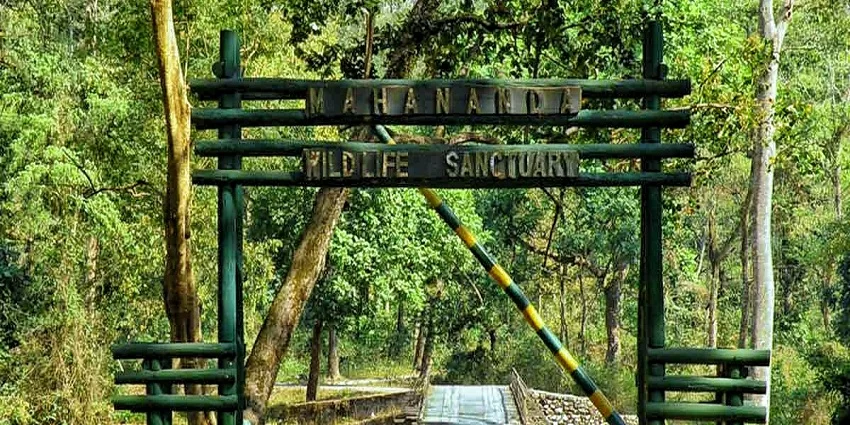
Mahananda Wildlife Sanctuary, Siliguri, West Bengal, India

Mahananda Wildlife Sanctuary , Siliguri
Visitors come to the sanctuary for nature walks, birdwatching, and opportunities to spot wildlife such as elephants, deer, and a variety of bird species. It serves as an important conservation area in the Himalayan foothills and is a popular destination for eco-tourism and outdoor recreation.

Quick Facts About Mahananda Wildlife Sanctuary

Mahananda Wildlife Sanctuary, Siliguri, West Bengal Quick Facts

Entry Fee Entry fee applicable; charges vary for Indian and foreign visitors. Separate fees apply for vehicles and cameras.
Timings Generally open daily from 8:00 AM to 4:30 PM; timings may vary based on weather and forest department regulations
Altitude (m) Approximately 150–1,300 m above sea level across the sanctuary
Ideal Visit Duration 2–4 hours
Best Time of Day Early morning for wildlife sightings and pleasant weather
Crowd Level Low to moderate; higher during winter weekends and holidays
Distance from City Centre (km) Approximately 12 km from Siliguri city centre
Walking Difficulty Easy to moderate; depends on the trail chosen
Parking Available Yes, parking is available near the main entrance
Last Mile Access Accessible by road via taxi or private vehicle; a short walk is required from the entrance to visitor areas
Suitable for Kids Yes
Suitable for Seniors Yes, on shorter and accessible routes
Wheelchair Friendly No; natural trails and uneven terrain limit wheelchair accessibility

Why Visit Mahananda Wildlife Sanctuary, Siliguri, West Bengal

Visitors come to Mahananda Wildlife Sanctuary to experience the forests of the Himalayan foothills, observe native wildlife, and enjoy nature-based activities close to Siliguri. The sanctuary is popular with birdwatchers, wildlife enthusiasts, photographers, and travelers heading toward North Bengal and the Eastern Himalayas.

The on-ground atmosphere is peaceful and natural, with dense forests, riverbeds, and designated forest trails replacing the bustle of the nearby city. Depending on the season, visitors may encounter a variety of birds, butterflies, and other wildlife while exploring the protected landscape.

What makes Mahananda Wildlife Sanctuary distinct is its location within the ecologically important Terai region, where tropical forests transition toward Himalayan habitats. Its diverse ecosystems, scenic forest environment, and accessibility from Siliguri offer a rewarding outdoor experience for travelers interested in nature and biodiversity.

History of Mahananda Wildlife Sanctuary, Siliguri, West Bengal

Mahananda Wildlife Sanctuary was established in 1955 as a protected forest area and was later notified as a wildlife sanctuary in 1976. It was created to conserve the rich biodiversity of the Himalayan foothills and the Terai region of northern West Bengal.

The sanctuary forms an important ecological corridor between the forests of North Bengal and the eastern Himalayas, supporting the movement of elephants and other wildlife. Its varied landscape of forests, rivers, and hills provides habitat for numerous plant and animal species.

Today, Mahananda Wildlife Sanctuary is managed for wildlife conservation while allowing regulated nature tourism, making it a popular destination for birdwatching, forest drives, and experiencing the region's natural heritage.

Best Time to Visit Mahananda Wildlife Sanctuary, Siliguri, West Bengal

The best time to visit Mahananda Wildlife Sanctuary is from October to March, when cooler weather and improved visibility make forest drives, birdwatching, and nature walks more enjoyable. Seasonal access may vary depending on forest management and weather conditions.

  • Ideal Months: October to March offers the most favorable conditions for wildlife viewing, birdwatching, and exploring the sanctuary's forest trails.
  • Weather Conditions: Pleasant daytime temperatures, lower humidity, and generally clear weather provide comfortable conditions for outdoor activities and better chances of spotting wildlife.
  • Periods to Avoid: June to September is the monsoon season, when heavy rainfall can make forest roads slippery, restrict access to some areas, and reduce wildlife visibility. Visitors should also check for any seasonal closures or entry restrictions before planning a trip.

How to Reach Mahananda Wildlife Sanctuary, Siliguri, West Bengal

  • By Air: The nearest airport is Bagdogra Airport, located approximately 20 km from the sanctuary's main entry near Sukna. The airport is well connected to major Indian cities, with taxis and app-based cabs available for direct travel to the sanctuary.
  • By Train: New Jalpaiguri (NJP) Railway Station is the nearest major railhead, about 16 km from the Sukna entrance. Siliguri Junction Railway Station, around 13 km away, is another nearby option. Taxis, auto-rickshaws, and local transport provide convenient last-mile connectivity.
  • By Road: Mahananda Wildlife Sanctuary is accessible via NH 10 through Sukna, approximately 13 km from Siliguri city. Regular taxis, local buses, and private vehicles operate on this route. Visitors should use the designated entry gate at Sukna, and travel may be slower during the monsoon due to heavy rainfall and forest road conditions. Entry is regulated by the Forest Department, and some interior areas require prior permission.

What to Expect When You Visit Mahananda Wildlife Sanctuary, Siliguri, West Bengal

  • Mahananda Wildlife Sanctuary consists of dense forests, riverbeds, grasslands, and foothills of the eastern Himalayas, providing a natural environment with minimal urban development and abundant birdlife.
  • Visitor facilities are basic and mainly concentrated near the entrance, with forest check posts, limited parking, and rest areas. Food outlets, fuel stations, and accommodation are available outside the sanctuary in Siliguri and nearby towns.
  • Access is by road through designated entry gates, and movement inside is restricted to permitted routes. Some sections may require prior permission or authorized vehicles, while certain areas remain closed for wildlife protection.
  • Walking opportunities are limited to approved trails and designated zones. Roads and tracks can become muddy or slippery during the monsoon, making travel slower and occasionally restricting access.
  • Wildlife sightings are unpredictable, and visitors should expect long stretches without encountering large animals. The sanctuary is better suited for observing forest landscapes, birds, butterflies, and natural habitats.
  • Visitors are expected to follow forest regulations by remaining on designated routes, avoiding loud noise, not feeding wildlife, and carrying back all waste to help protect the ecosystem.
  • During weekends, holidays, and the cooler winter season, visitor numbers increase near popular entry points, while the interior of the sanctuary generally remains quiet and undisturbed.

Important Visitor Information for Mahananda Wildlife Sanctuary, Siliguri, West Bengal

  • Visitor numbers are highest during weekends, public holidays, and the winter tourism season, while weekday mornings are generally quieter for wildlife viewing.
  • The sanctuary remains closed during parts of the monsoon season due to heavy rainfall, swollen streams, and unsafe forest conditions. Winter offers the most comfortable weather for visits.
  • There is no specific dress code, but wearing muted or earth-toned clothing is recommended to avoid disturbing wildlife and to blend with the forest environment.
  • Stay only on designated roads, walking trails, and safari routes, as the sanctuary is home to elephants, leopards, gaur, and other wild animals.
  • Do not feed wildlife, play loud music, or litter inside the protected forest area, as these activities disturb animals and violate sanctuary regulations.
  • Carry drinking water, insect repellent, and suitable footwear, and follow all instructions issued by forest officials and guides throughout your visit.

Photography and Viewpoints at Mahananda Wildlife Sanctuary, Siliguri, West Bengal

  • The Latpanchar and Gulma entry zones offer some of the best viewpoints for photographing forested landscapes, riverbeds, and the lower Himalayan foothills that surround the sanctuary.
  • Watchtowers and designated observation points provide clear opportunities to photograph grasslands, woodland habitats, and occasional wildlife sightings without disturbing the natural environment.
  • Early morning provides the best lighting for landscape and wildlife photography, with softer sunlight, improved visibility, and increased chances of spotting birds and animals along forest tracks.
  • Photography is generally permitted for personal use, but commercial filming, drones, and photography in restricted forest areas require prior permission from the West Bengal Forest Department.
  • Wildlife sightings are seasonal and unpredictable, and visitors must remain on designated roads and trails without approaching or disturbing animals for photographs.
  • Visitor numbers are usually moderate, but weekends and the peak tourism season from October to March can increase activity near entrance gates and popular observation points.
  • Dense vegetation, uneven forest trails, and changing weather conditions can affect visibility, making designated viewpoints and guided safari routes the most reliable locations for photography.

Near By Attraction

 Monastery

SLG monastery

Salugara Monastery is a Tibetan Buddhist monastery located on the outskirts of Siliguri.

Frequently Asked Questions About Mahananda Wildlife Sanctuary

Loved this place ? Let’s Plan Your West Bengal Trip

Plan your West Bengal trip with customized itineraries, local insights, and expert support designed for a smooth and enriching travel experience

⚑ Quick Response | πŸ’° Free consultation | πŸ•’ 24Γ—7 expert support

×

Plan Your Trip