Quick Facts About Lloyd Botanical Garden
| Entry Fee | 20 |
| Timings | 09:00 - 17:00 |
| Altitude (m) | 2100 |
| Ideal Visit Duration (hrs) | 2 |
| Best Time of Day | Morning |
| Crowd Level | Moderate |
| Distance from Darjeeling (km) | 3 |
| Walking Difficulty | Easy |
| Parking Available | No |
| Last Mile Access | Walk |
| Suitable for Kids | Yes |
| Suitable for Seniors | Yes |
| Wheelchair Friendly | No |
Why Visit Lloyd Botanical Garden
Why Visit: Lloyd Botanical Garden is a haven for nature lovers, students, and photographers seeking a peaceful escape in Darjeeling. The garden provides a rare opportunity to explore a wide variety of Himalayan and exotic plant species in a serene, well-maintained environment.
Atmosphere: Surrounded by lush greenery, shaded pathways, and flowering plants, the garden offers a calm and tranquil atmosphere. Gentle mountain breezes, the scent of flora, and well-organized garden layouts make it perfect for leisurely walks, meditation, and photography.
What Makes it Special: Established in 1878, the garden is home to rare orchids, medicinal plants, and vibrant flowering shrubs. Informative signage throughout the estate educates visitors about plant species and conservation efforts. Its blend of botanical diversity, historical significance, and scenic Himalayan backdrop makes it a unique and enriching experience for every visitor.
History of Lloyd Botanical Garden
Lloyd Botanical Garden was established in 1878 by Dr. Archibald Campbell and named after William Lloyd, a British botanist and horticulturist. It was created to study, conserve, and display the rich variety of Himalayan and exotic plant species in the Darjeeling region.
The garden played an important role in the introduction and acclimatization of ornamental and economic plants, including rare orchids, rhododendrons, and medicinal species. Over the decades, it has served as an educational and research center for botanists, students, and horticulture enthusiasts, helping to preserve the region’s unique flora.
Today, the Lloyd Botanical Garden continues its legacy of conservation, education, and public enjoyment. Its historic layout, diverse plant collections, and scenic trails reflect both the heritage of Darjeeling’s botanical research and the enduring charm of Himalayan gardens.
Best Time to Visit Lloyd Botanical Garden
The best time to visit Lloyd Botanical Garden is when Darjeeling enjoys clear skies, mild temperatures, and vibrant greenery. Visiting during these months allows you to fully explore the garden, enjoy scenic views, and capture photography-friendly landscapes.
- Spring (March to May): The garden is at its most vibrant with blooming flowers, fresh foliage, and pleasant weather, making it ideal for leisurely walks and photography.
- Autumn (October to November): Post-monsoon clarity enhances the scenic beauty and visibility of the surrounding hills, providing excellent conditions for exploring and capturing photographs.
- Morning Hours: Early mornings offer cool, fresh air and soft lighting, perfect for photography and enjoying the serene atmosphere with fewer visitors.
- Winter (December to February): Cool and crisp weather with fewer tourists. Clear skies enhance views of the Himalayas, but visitors should dress warmly.
- Monsoon Season (June to September): Heavy rainfall can make garden paths slippery and limit visibility, so visits during this period are less recommended.
How to Reach Lloyd Botanical Garden
- By Air: The nearest airport is Bagdogra Airport (IXB), about 90 km from Darjeeling. From Bagdogra, travelers can hire private taxis or take shared cabs to reach Darjeeling in approximately 3 to 4 hours through scenic mountain roads.
- By Train: New Jalpaiguri (NJP) is the closest major railway station, around 88 km away. From NJP, you can hire taxis or shared jeeps to Darjeeling. The drive offers scenic views of tea gardens and rolling hills.
- By Road: Darjeeling is well connected to Siliguri, Kalimpong, and surrounding towns via state-run and private buses. Upon reaching Darjeeling town, Lloyd Botanical Garden is about 3 km from Chowrasta and can be accessed via local taxis, auto-rickshaws, or a short walk.
- Local Access: From Darjeeling town, taxis or auto-rickshaws can drop visitors at the garden entrance. The paths inside the garden are paved, making the last mile accessible for most visitors.
- Travel Tips: Early morning departures from Bagdogra or NJP are recommended to avoid traffic and enjoy clear views. Comfortable walking shoes are advised for exploring the garden trails.
What to Expect When You Visit Lloyd Botanical Garden
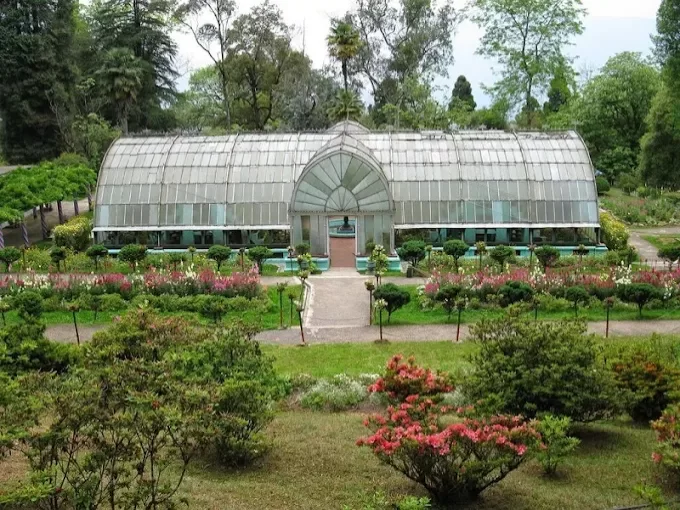
- Extensive Plant Collections: Visitors can explore a wide range of Himalayan and exotic plant species, including orchids, rhododendrons, medicinal plants, and colorful flowering shrubs.
- Peaceful Walking Trails: Well-maintained pathways and gentle slopes provide a serene environment for leisurely walks, meditation, and nature observation.
- Educational Signage: Informative boards throughout the garden provide details about plant species, their origins, and uses, making it an enriching experience for students and nature enthusiasts.
- Photography Opportunities: Scenic landscapes, flowering plants, and Himalayan backdrops create excellent opportunities for landscape and macro photography.
- Seasonal Highlights: The garden’s appearance changes with the seasons—spring brings colorful blooms, autumn offers clear skies, and winter provides crisp, tranquil scenery.
- Family-Friendly Experience: Suitable for all ages, including children and seniors, offering both educational and recreational value.
Important Visitor Information
- Crowd & Weather Notes: The garden experiences moderate crowds, with peak visiting times during spring (March to May) and autumn (October to November). Weather is generally pleasant, but mornings can be misty and cool, and monsoon months (June to September) bring heavy rainfall that may make paths slippery.
- Peak / Quiet Hours: Late morning to early afternoon is the busiest period. For a quieter experience and better photography, visit early in the morning or later in the afternoon.
- Dress Code: Casual, comfortable clothing is suitable. Layered clothing is recommended due to fluctuating temperatures, and comfortable walking shoes are advised for garden trails. Hats and sunglasses help protect against sun exposure.
- Safety Notes: Stick to designated pathways, avoid stepping on plants, and supervise children. During wet conditions, exercise caution on slippery surfaces. Photography is allowed, but flash photography inside any greenhouse or special plant areas should be avoided to protect the flora.
Photography and Viewpoint at Lloyd Botanical Garden
- Floral Landscapes: Capture vibrant orchids, rhododendrons, and flowering shrubs throughout the garden. Spring and early summer offer the most colorful floral displays for stunning photography.
- Himalayan Backdrop: Many areas of the garden offer clear views of the surrounding Himalayan ranges, perfect for panoramic shots and landscape photography.
- Walking Trails: Well-maintained paths and gentle slopes provide excellent angles for both wide-angle and close-up shots of plant species and garden layouts.
- Seasonal Variations: The garden’s appearance changes with the seasons—spring brings colorful blooms, autumn offers crisp skies and clear visibility, and winter delivers serene, misty views ideal for mood photography.
- Macro Photography: Detailed close-ups of rare and medicinal plants, leaves, and flowers are ideal for macro photography enthusiasts.
- Visitor Experience Shots: Capture candid moments of tea enthusiasts, students, and families exploring the garden, adding a human element to your nature photography.
- Tips: Use a tripod for stability, a wide-angle lens for panoramic shots, and a macro lens for detailed plant photography. Early morning light provides the best natural lighting conditions for vibrant images.