Quick Facts About Durpin Monastery
| Entry Fee | Free |
| Timings | 07:00 - 17:00 |
| Altitude (m) | 1300 |
| Ideal Visit Duration (hrs) | 2 |
| Best Time of Day | Morning |
| Crowd Level | Moderate |
| Distance from Kalimpong (km) | 3 |
| Walking Difficulty | Moderate |
| Parking Available | Yes |
| Last Mile Access | Walk |
| Suitable for Kids | Yes |
| Suitable for Seniors | No |
| Wheelchair Friendly | No |
Why Visit
Durpin Monastery is a serene spiritual destination that offers visitors a peaceful retreat amidst the hills of Kalimpong. The tranquil atmosphere, combined with the rhythmic sounds of prayer chants and fluttering prayer flags, creates a meditative and calming environment.
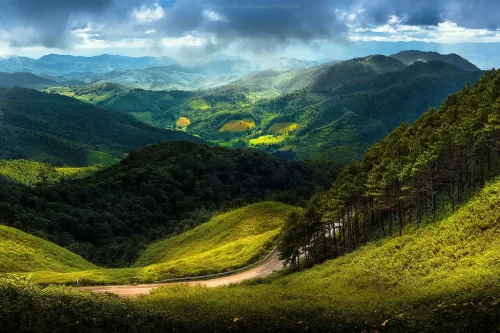
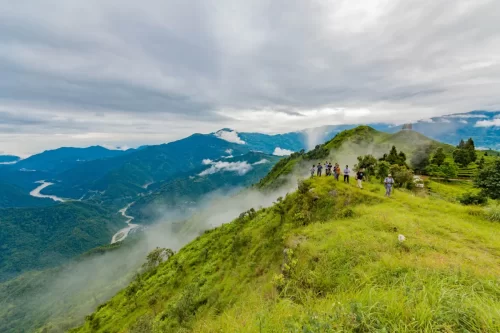
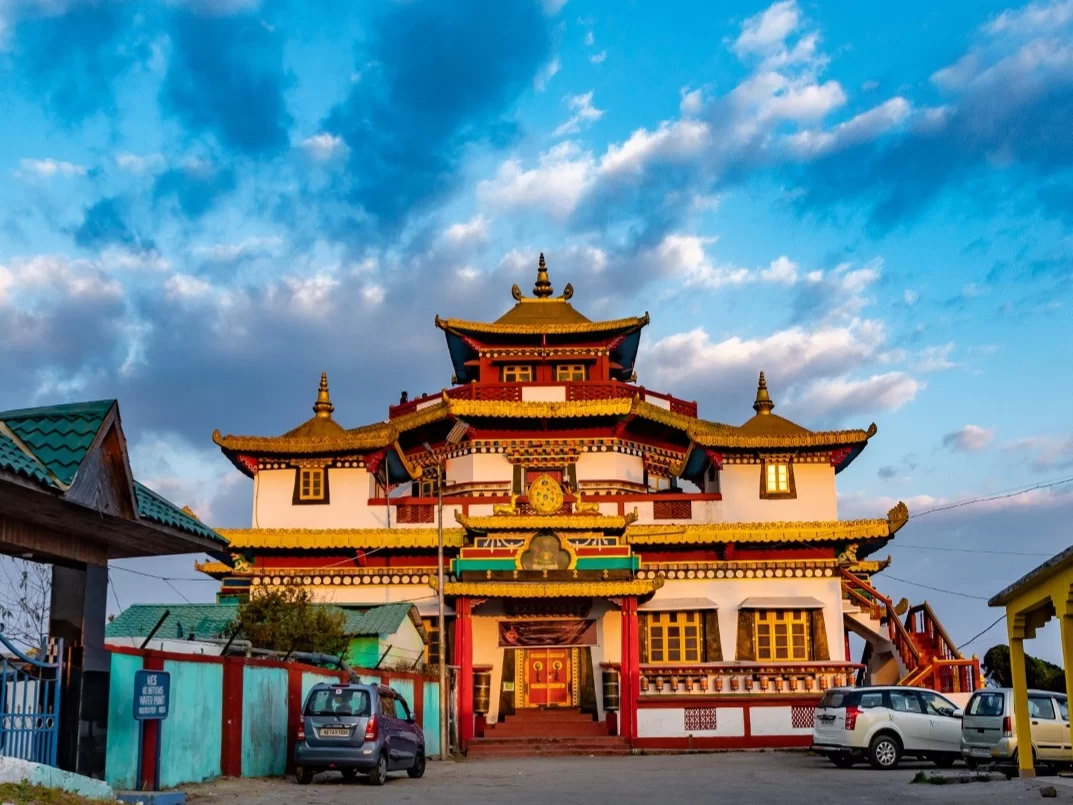
What makes it special is its striking location atop Durpin Hill, providing breathtaking panoramic views of Kalimpong town, the Teesta River, and the surrounding Himalayan ranges. The monastery’s traditional Tibetan Buddhist architecture, colorful murals, and sacred relics make it a visual and spiritual treat. Visitors also get a chance to witness daily rituals, interact with monks, and experience local Buddhist culture up close, making Durpin Monastery both a spiritual and cultural highlight of Kalimpong.
Religious Significance
Durpin Monastery is one of the oldest and most revered Buddhist monasteries in Kalimpong. Belonging to the Red Sect of Tibetan Buddhism, it serves as a center for prayer, meditation, and spiritual learning for monks and devotees alike. The monastery houses sacred relics, prayer halls, and beautifully painted murals that depict Buddhist teachings and philosophies.
It holds great significance for local Buddhists and attracts visitors seeking spiritual solace. Daily prayers, chanting sessions, and special rituals during festivals like Losar (Tibetan New Year) offer an authentic experience of Buddhist traditions and cultural heritage. The monastery not only functions as a religious hub but also as a place promoting peace, mindfulness, and cultural preservation.
Best Time to Visit
The ideal time to visit Durpin Monastery is during the cooler months when the weather is pleasant and the surrounding hills offer clear views. Visiting during festival seasons provides an added cultural and spiritual experience.
- Spring (March to May): Pleasant weather with blooming flowers and lush greenery; ideal for photography and sightseeing.
- Autumn (September to November): Clear skies and comfortable temperatures make it perfect for panoramic views of the town and hills.
- Festivals: Visiting during Buddhist festivals like Losar (Tibetan New Year) offers a glimpse of vibrant rituals, prayers, and cultural celebrations.
- Early Morning / Late Afternoon: Best times for serene visits, meditation, and capturing the monastery with soft natural light.
- Avoid Monsoon (June to August): Heavy rains may make the uphill walk slippery and reduce visibility of scenic views.
How to Reach
- By Air: The nearest airport is Bagdogra Airport, approximately 70 km from Kalimpong. From the airport, taxis or shared cabs can be hired to reach Durpin Monastery.
- By Train: The closest major railway station is New Jalpaiguri (NJP), around 75 km away. From NJP, taxis and buses are available for onward travel to Kalimpong and the monastery.
- By Road: Durpin Monastery is well-connected via road. Regular taxis, private cars, and buses operate from Siliguri, Darjeeling, and nearby towns.
- Local Transport: Within Kalimpong, auto-rickshaws, shared jeeps, and taxis can be hired to reach the uphill path leading to the monastery.
- Last Mile Access: A short uphill walk from the nearest parking area to the monastery; paved steps and pathways make it manageable for most visitors.
What to Expect When You Visit
- Spiritual Ambience: Visitors will experience a peaceful and meditative environment, enhanced by the sound of prayer bells, chanting monks, and fluttering prayer flags.
- Cultural Insight: Observe daily rituals, prayer sessions, and occasional festivals that provide an authentic glimpse into Tibetan Buddhist traditions.
- Scenic Views: The monastery offers panoramic vistas of Kalimpong town, the Teesta River valley, and surrounding Himalayan hills, perfect for photography and quiet reflection.
- Architectural Beauty: The monastery features traditional Tibetan Buddhist architecture with ornate murals, prayer halls, and sacred relics.
- Family-Friendly Environment: Suitable for all ages; children and adults can enjoy the serene surroundings and spiritual atmosphere.
- Interaction with Monks: Visitors can respectfully observe and sometimes interact with monks, learning about meditation and Buddhist practices.
Important Visitor Information
- Crowd & Weather Notes: The monastery experiences moderate footfall, with higher crowds during Buddhist festivals. Weather is generally pleasant in spring and autumn, while monsoon months can be rainy and slippery.
- Peak / Quiet Hours: Early morning (7:00 AM – 9:00 AM) is ideal for peaceful visits and meditation, while late afternoon (4:00 PM – 5:00 PM) offers serene views and fewer visitors.
- Dress Code: Modest clothing is recommended. Visitors should dress respectfully, covering shoulders and knees, especially when entering prayer halls.
- Safety Notes: Uphill walk and steps may be challenging for seniors or those with mobility issues. Keep personal belongings secure, follow temple rules, and supervise children on stairs.
Photography and Viewpoint
- Scenic Panoramas: The monastery is perched atop Durpin Hill, offering stunning panoramic views of Kalimpong town, the Teesta River valley, and the surrounding Himalayan ranges—perfect for landscape photography.
- Architectural Details: Capture the intricate Tibetan Buddhist architecture, colorful murals, prayer halls, and sacred statues that reflect the spiritual essence of the monastery.
- Festivals and Rituals: Photographs taken during festivals or daily prayer ceremonies show vibrant traditions, monks in ceremonial robes, and devotion in action.
- Golden Hour Shots: Early morning or late afternoon provides soft, natural lighting that enhances the monastery’s colors and the surrounding landscape.
- Respectful Photography: Visitors are advised to respect devotees’ privacy, avoid flash photography in prayer halls, and follow temple guidelines while taking pictures.
- Vantage Points: Elevated areas and the monastery’s terraces provide ideal spots for wide-angle shots of the monastery complex and the lush surroundings.