Quick Facts About Dr. Grahams Homes School
| Entry Fee | Free |
| Timings | 09:00 - 16:00 |
| Altitude (m) | 1200 |
| Ideal Visit Duration (hrs) | 1 |
| Best Time of Day | Morning |
| Crowd Level | Low |
Why Visit Dr. Graham’s Homes School
Dr. Graham’s Homes School is worth visiting for its peaceful hilltop setting, strong historical legacy, and inspiring social mission that has shaped generations of students in Kalimpong.
Atmosphere: The campus offers a calm, orderly, and uplifting atmosphere, surrounded by pine trees, landscaped grounds, and panoramic Himalayan foothill views. Unlike crowded tourist spots, the environment feels quiet and reflective, making it ideal for visitors who appreciate heritage spaces and serene surroundings.
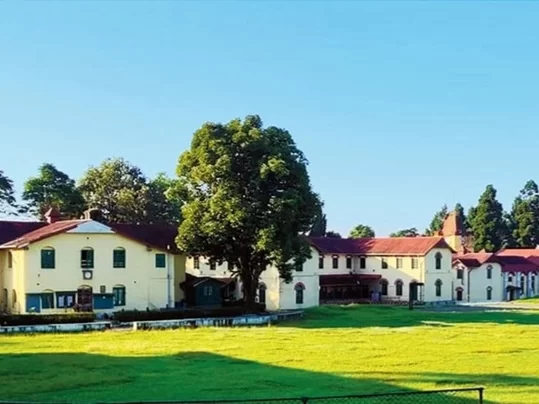
What Makes it Special: Established in 1900, Dr. Graham’s Homes is internationally respected for its unique “cottage system” of education and child welfare. The blend of Scottish architectural influence, wide open lawns, and its ongoing role as a residential school gives the place a living heritage character rather than a static monument.
History
Dr. Graham’s Homes School was founded in 1900 by Reverend Dr. John Anderson Graham, a Scottish missionary, with the aim of providing education, care, and stability to children from disadvantaged backgrounds in the Eastern Himalayas. What began as a small charitable initiative gradually developed into a well-structured residential educational institution of international repute.
The school introduced a distinctive “cottage system,” where students live in small family-style homes rather than large dormitories. This approach was innovative for its time and reflected Dr. Graham’s belief in nurturing discipline, responsibility, and emotional well-being alongside academic learning.
Over the decades, the institution expanded its campus, incorporated modern education while preserving its colonial-era buildings, and continued its commitment to social welfare. Today, Dr. Graham’s Homes stands as a living example of educational reform and humanitarian vision in Kalimpong, maintaining its original values while adapting to contemporary educational needs.
Best Time to Visit
The best time to visit Dr. Graham’s Homes School is from March to May and from September to November, when Kalimpong enjoys pleasant weather, clear skies, and comfortable daytime temperatures.
- Spring (March to May): Mild temperatures, blooming gardens, and excellent visibility make this season ideal for walking around the campus and enjoying the surrounding views.
- Monsoon (June to August): The campus becomes lush and green, but frequent rainfall and slippery paths may limit outdoor exploration.
- Autumn (September to November): Clear skies, crisp air, and peaceful surroundings offer the best conditions for sightseeing and photography.
- Winter (December to February): Cold mornings and evenings are common; visits are possible, but outdoor time may be shorter due to low temperatures.
How to Reach
- By Air: The nearest airport is Bagdogra Airport (IXB), approximately 80 km from Kalimpong. From the airport, taxis and shared cabs are available to reach Kalimpong town, followed by a short drive to Dr. Graham’s Homes School.
- By Train: New Jalpaiguri (NJP) Railway Station is the closest major railhead, located about 75 km away. From NJP, travelers can hire taxis or take shared vehicles to Kalimpong.
- By Road: Kalimpong is well connected by road from Siliguri, Darjeeling, and Gangtok. Dr. Graham’s Homes School is situated around 6 km from Kalimpong town centre and is easily accessible by private taxi or local vehicle.
- Local Transport: From Kalimpong market area, taxis are the most convenient option. The approach road is motorable, and the school campus is accessible directly by vehicle.
What to Expect When You Visit
- A well-maintained and expansive hilltop campus featuring colonial-era buildings, landscaped lawns, and tree-lined pathways.
- A calm and disciplined environment, as the institution is an active residential school with a strong focus on education and community living.
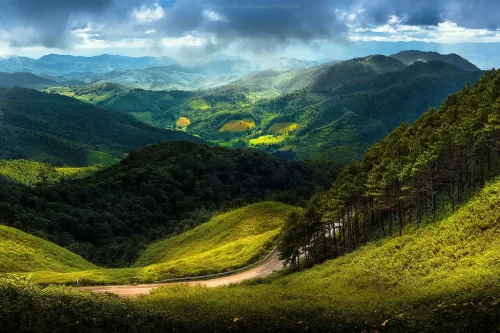
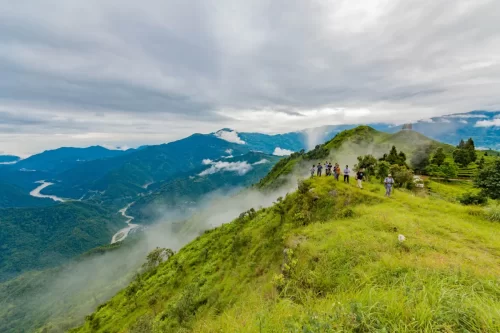
- Panoramic views of the surrounding hills and valleys, especially on clear days, offering a refreshing break from crowded tourist spots.
- Limited public access to certain areas, as many sections are reserved for students and staff, ensuring privacy and safety.
- Opportunities for quiet walks and photography in designated zones, highlighting the architectural heritage and natural surroundings.
- A respectful and structured visitor experience, with adherence to school guidelines and visiting hours being essential.
Important Visitor Information
- Crowd & Weather Notes: The campus is generally uncrowded as it functions primarily as a residential school. Weather in Kalimpong remains mild for most of the year, with occasional fog in winter and heavy rainfall during the monsoon months.
- Peak / Quiet Hours: Quiet hours are observed throughout the day, especially during school sessions. Late morning to early afternoon is the most suitable time for brief visits, subject to permission.
- Dress Code: Modest and respectful clothing is recommended. Visitors should avoid loud colors or casual attire that may disrupt the academic environment.
- Safety Notes: Follow campus rules strictly, stay within permitted areas, and supervise children at all times. Paths may be sloped or uneven in some sections, so comfortable footwear is advised.
Photography and Viewpoint
- The campus offers excellent photography opportunities with its colonial-era buildings, manicured lawns, and tree-lined pathways set against the Eastern Himalayan foothills.
- Wide open grounds and elevated sections provide scenic viewpoints overlooking Kalimpong town and surrounding valleys, especially on clear days.
- Morning and late afternoon light are ideal for capturing architectural details and soft landscape tones without harsh shadows.
- Photography should be done respectfully, avoiding close-ups of students, classrooms, and residential cottages to maintain privacy.
- Use of tripods or professional equipment may require prior permission from school authorities.
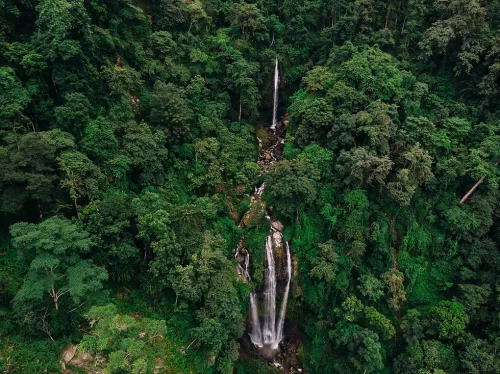
- Seasonal changes add variety, with fresh greenery during monsoon months and crisp, clear backdrops in autumn and winter.