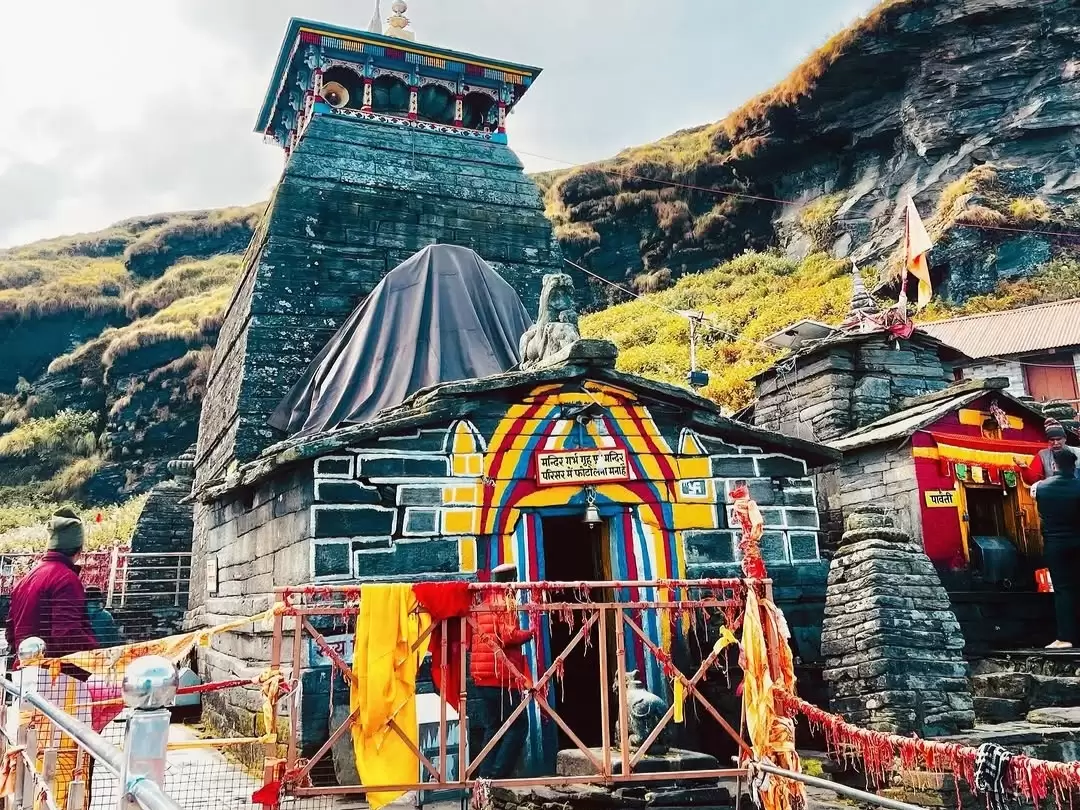
Tungnath Temple – The World’s Highest Shiva Temple in Uttarakhand

Tungnath Temple , Chopta
Tungnath Temple is one of the most important pilgrimage sites in Uttarakhand and is known as the highest Shiva temple in the world. Located in the Rudraprayag district, this ancient temple is a part of the Panch Kedar circuit and holds great religious significance for devotees of Lord Shiva. The temple is reached by a beautiful trek from Chopta, surrounded by lush green meadows, rhododendron forests, and breathtaking Himalayan mountain views. Apart from spiritual tourism, Tungnath is also popular among trekkers and nature lovers, as it offers a perfect combination of adventure, peaceful atmosphere, and stunning panoramic views of peaks like Nanda Devi, Chaukhamba, and Trishul.

Quick Facts About Tungnath Temple

Entry Fee Free
Timings 06:00 - 19:00
Altitude (m) 3680
Ideal Visit Duration (hrs) 4
Best Time of Day Morning
Crowd Level High
Distance from City Centre (km) 3.5
Walking Difficulty Moderate
Parking Available Yes
Last Mile Access Trek
Suitable for Kids No
Suitable for Seniors No
Wheelchair Friendly No

Why Visit Tungnath Temple

Tungnath Temple is one of the most sacred and breathtaking pilgrimage destinations in Uttarakhand, known as the highest Shiva temple in the world. It is an important part of the famous Panch Kedar circuit and holds deep spiritual significance for devotees of Lord Shiva. Visiting Tungnath is not only a religious journey but also a scenic Himalayan experience, as the trek offers mesmerizing views of snow-covered peaks, green meadows, and peaceful mountain landscapes. It is one of the best destinations for travelers who want to combine spirituality with adventure.

The atmosphere at Tungnath Temple is calm, divine, and deeply peaceful. Surrounded by the silence of the Himalayas, fresh mountain air, and panoramic views, the temple creates a strong spiritual connection for visitors. The trekking route from Chopta to Tungnath passes through beautiful rhododendron forests and wide-open mountain slopes, giving a refreshing experience even for first-time trekkers. The temple area feels quiet and powerful, making it perfect for meditation, devotion, and inner peace.

What makes Tungnath Temple truly special is its unique location at an altitude of around 3,680 meters and its combination of religious importance and natural beauty. The temple offers stunning views of famous Himalayan peaks like Chaukhamba, Nanda Devi, Trishul, and Kedarnath range on clear days. The short but scenic trek, the spiritual history connected to the Mahabharata era, and the peaceful Himalayan environment make Tungnath Temple a must-visit attraction for pilgrims, trekkers, photographers, and nature lovers.

History of Tungnath Temple

Tungnath Temple is an ancient and highly sacred Hindu temple dedicated to Lord Shiva, located in the Rudraprayag district of Uttarakhand. It is believed to be more than a thousand years old and is one of the most important temples in the Himalayan region. Tungnath is famous for being the highest Shiva temple in the world and is a key part of the holy Panch Kedar pilgrimage circuit, which includes Kedarnath, Madhyamaheshwar, Rudranath, Kalpeshwar, and Tungnath.

According to Hindu mythology, Tungnath Temple is connected to the epic Mahabharata. It is believed that after the Kurukshetra war, the Pandavas wanted forgiveness for their sins and searched for Lord Shiva. Shiva avoided them and took the form of a bull, disappearing into the ground. It is believed that different parts of the bull appeared at different places in Uttarakhand, which became the Panch Kedar temples. At Tungnath, it is believed that the arms of Lord Shiva appeared, which is why this temple holds great spiritual importance.

Tungnath Temple is also culturally significant for the people of Garhwal, and it is visited by thousands of pilgrims every year, especially during the summer season when the temple opens after winter closure. The temple remains an important symbol of Himalayan devotion, ancient traditions, and spiritual heritage, attracting devotees as well as trekkers who seek a peaceful and divine experience in the lap of the Himalayas.

Best Time to Visit Tungnath Temple

The best time to visit Tungnath Temple is from May to June and September to October, when the weather is pleasant and the trekking route from Chopta remains comfortable. During these months, the skies are mostly clear, offering breathtaking views of Himalayan peaks and a peaceful temple atmosphere. Summer season is ideal for pilgrims and tourists, as the temple remains open and the trek is filled with greenery and fresh mountain air.

The monsoon season from July to August is generally not recommended, as heavy rainfall can make the trekking trail slippery and risky. Cloudy weather during monsoon may also block the panoramic Himalayan views, and landslides may affect road travel towards Chopta and Ukhimath.

Winter season from November to April is not suitable for temple visits because Tungnath Temple remains closed due to heavy snowfall. The entire region becomes snow-covered, and the trekking route becomes inaccessible for regular travelers. During this period, the deity is shifted to a winter seat for worship.
  • May to June: Best for pleasant weather, greenery, and smooth trekking
  • September to October: Best for clear mountain views and peaceful darshan
  • July to August: Avoid due to rain, slippery trails, and landslide risk
  • November to April: Temple remains closed due to snowfall
  • Best Time of Day: Early morning for clear views and less crowd

How to Reach Tungnath Temple

  • By Road: Tungnath Temple is located near Chopta in Rudraprayag district, Uttarakhand. Chopta is the main base point for the Tungnath trek and is well-connected by road from major towns like Rishikesh, Haridwar, Rudraprayag, and Ukhimath.
  • Base Point (Chopta): To visit Tungnath Temple, travelers must first reach Chopta. From Chopta, Tungnath Temple is accessible via a scenic uphill trek of approximately 3.5 km.
  • From Rishikesh: Chopta is around 200–210 km from Rishikesh. The journey takes about 7–9 hours depending on road conditions. The common route is Rishikesh → Devprayag → Rudraprayag → Ukhimath → Chopta.
  • From Haridwar: Chopta is approximately 225–240 km from Haridwar. The drive takes around 8–10 hours. Many travelers prefer an overnight stay at Rudraprayag or Ukhimath.
  • From Dehradun: Chopta is around 250–270 km from Dehradun. The road journey usually takes 9–11 hours.
  • Nearest Town: The nearest town is Ukhimath, located around 30–35 km from Chopta. Ukhimath is an important location for accommodation and local transport.
  • Nearest Railway Station: The nearest railway station is Rishikesh Railway Station. Another major option is Haridwar Junction. From there, taxis and buses are available for Chopta.
  • Nearest Airport: The nearest airport is Jolly Grant Airport (Dehradun), located around 220–240 km from Chopta. From the airport, travelers can hire a taxi or take a bus towards Rudraprayag and Chopta.
  • Trek to Tungnath Temple: The trek starts from Chopta and is around 3.5 km. The trail is well-defined and offers stunning views of the Himalayas. It takes approximately 1.5–3 hours depending on walking speed.
  • Parking Available: Parking is available in Chopta. Vehicles cannot go directly to Tungnath Temple as the final access is only by trekking.
  • Travel Tip: Start trekking early in the morning to avoid crowd and enjoy clear Himalayan views. Carry water, snacks, and warm clothing.

What to Expect When You Visit Tungnath Temple

  • Spiritual Himalayan Temple Experience: Tungnath Temple offers a powerful spiritual atmosphere with peaceful surroundings and a divine environment. Visitors can experience calmness, devotion, and a deep connection with Lord Shiva in the lap of the Himalayas.
  • Scenic Trekking Journey: To reach the temple, visitors must complete a scenic uphill trek of around 3.5 km from Chopta. The trekking route is well-defined and surrounded by beautiful green slopes and rhododendron forests.
  • Fresh Mountain Air and Peaceful Nature: The entire area feels extremely refreshing due to the high altitude. Visitors can expect cool winds, clean air, and peaceful Himalayan silence, making it perfect for relaxation and meditation.
  • Breathtaking Himalayan Views: One of the main highlights is the panoramic view of famous peaks like Chaukhamba, Nanda Devi, Trishul, and other Himalayan ranges. The views are especially clear during early morning and post-monsoon months.
  • Cold Weather Even in Summer: Tungnath remains cold throughout the year because of its altitude. Even in summer, the weather can be chilly, especially in the morning and evening. Carrying warm clothes is necessary.
  • Peaceful Darshan and Temple Rituals: Visitors can witness temple prayers, rituals, and offerings. The temple environment is calm, and darshan is usually smooth except during peak pilgrimage season.
  • Adventure and Pilgrimage Combination: Tungnath is not only a religious place but also a popular trekking destination. Visitors can expect a mix of adventure, fitness activity, and spiritual satisfaction.
  • Chance to Visit Chandrashila Peak: Many tourists continue further to Chandrashila Peak after Tungnath. The additional trek is around 1.5 km and offers one of the best Himalayan viewpoints in Uttarakhand.
  • Limited Facilities on Trek Route: Visitors should expect limited food stalls and shops on the trekking route. It is recommended to carry water and snacks from Chopta.
  • Overall Experience: Overall, visiting Tungnath Temple is a memorable experience offering spirituality, trekking adventure, and stunning Himalayan scenery, making it one of the most special destinations in Uttarakhand.

Important Visitor Information for Tungnath Temple

  • Crowd & Weather Notes: Tungnath Temple is a major pilgrimage and trekking destination, so it becomes crowded during peak season from May to June and on weekends. The weather remains cold due to high altitude. Even in summer, temperatures can drop suddenly, and strong winds are common. Post-monsoon months (September–October) offer the clearest skies and best mountain views.
  • Peak / Quiet Hours: Peak visiting hours are generally between 9:00 AM to 1:00 PM when most trekkers reach the temple. Quiet hours are early morning from 6:00 AM to 8:30 AM, which is the best time for peaceful darshan and less crowd.
  • Dress Code: Wear modest and comfortable clothing as it is a religious site. Carry a warm jacket, cap, and gloves even during summer. Proper trekking shoes with good grip are highly recommended due to steep and rocky trail sections.
  • Safety Notes: The trek is generally safe but can be tiring due to steep uphill sections and high altitude. Walk slowly, take breaks, and stay hydrated. Avoid trekking late evening because visibility reduces and weather can change quickly. During rain, the trail may become slippery, so extra caution is required.
  • Altitude Precaution: Tungnath is located at around 3,680 meters, so some visitors may experience mild breathlessness, headache, or fatigue. It is recommended to avoid rushing, keep yourself hydrated, and take rest if needed.
  • Monsoon Advisory: During July and August, heavy rainfall can make the trek route slippery and risky. Landslides may also affect road connectivity to Chopta. Visiting during monsoon is not recommended.
  • Temple Closing Season: Tungnath Temple remains closed during winter months (November to April) due to heavy snowfall. Always confirm opening dates before planning the trip.
  • Facilities Note: Food stalls and shops are limited on the trek route. Carry water, snacks, and basic medicines from Chopta before starting the trek.
  • Best Travel Tip: Start trekking early in the morning to enjoy clear Himalayan views, comfortable weather, and a peaceful darshan experience.

Photography and Viewpoints in Tungnath Temple

  • Panoramic Himalayan Mountain Photography: Tungnath Temple offers breathtaking panoramic views of the Himalayan ranges. Visitors can capture stunning photographs of peaks like Chaukhamba, Nanda Devi, Trishul, and other snow-covered mountains on clear days.
  • Temple Architecture Photography: Tungnath Temple has a simple yet ancient stone structure that looks beautiful against the mountain backdrop. Visitors can capture the temple entrance, stone walls, and peaceful surroundings, giving a spiritual and historic feel to travel photos.
  • Scenic Trek Route Photography: The trek from Chopta to Tungnath is extremely photogenic. The route passes through green meadows, forest sections, and wide open mountain slopes, making it perfect for trekking reels, nature shots, and landscape photography.
  • Sunrise and Morning Golden Light Views: Early morning is the best time for photography at Tungnath Temple. The sunlight creates a golden glow on the mountain peaks, and the skies are usually clear, offering the best viewpoint experience.
  • Cloud and Mist Photography: During certain months, clouds and mist move across the mountains near Tungnath, creating dramatic photography scenes. This adds a cinematic effect to travel photos and videos.
  • Chandrashila Viewpoint (Nearby): Many visitors continue from Tungnath to Chandrashila Peak, which is one of the best viewpoints in Uttarakhand. From Chandrashila, the 360-degree Himalayan view is perfect for wide-angle and panoramic photography.
  • Snow Photography in Winter Season: When the region receives snowfall, the trek route and temple surroundings become extremely beautiful. Snow-covered trails, mountains, and frozen landscapes create a perfect winter photography experience. However, temple remains closed during heavy winter.
  • Best Time for Photography: The best photography time is between 6:00 AM to 9:00 AM for clear visibility and soft sunlight. Late afternoon can also be good, but weather often becomes cloudy.
  • Best Viewpoint Spot: The open area near the temple provides the best viewpoint for capturing the Himalayan range. The background of snow peaks and wide sky makes it ideal for landscape shots.
  • Photography Tip: Carry a wide-angle lens or use panorama mode to capture the full Himalayan view. Wear gloves in cold weather, and protect your camera from fog and moisture during cloudy conditions.

Near By Attraction

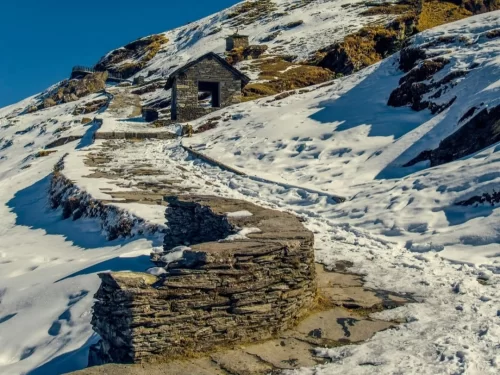
Chandrashila Peak winding snowy stone pathway curving uphill small stone hut pine trees snowy rocky Himalayan slopes blue sky backdrop, perfect Tungnath summit trek panoramic views Chopta Uttarakhand Tour Packages. Mountain

Chandrashila Peak

Chandrashila Peak is a famous trekking summit near Tungnath, known for its 360-degree panoramic views of the Himalayan mountain ranges.

Frequently Asked Questions About Tungnath Temple

Tungnath Temple is located in Rudraprayag district of Uttarakhand near Chopta, situated at an altitude of over 3,600 meters in the Himalayas.
Tungnath Temple usually opens between April and May and closes around October or November depending on weather conditions in Uttarakhand.
Visitors can reach Tungnath Temple by road up to Chopta in Uttarakhand and then trekking along a well paved mountain trail.
A moderate trek of about 3.5 to 4 kilometers from Chopta is required to reach Tungnath Temple, with gradual ascent along a stone path.
The best time to visit Tungnath Temple is between May and June and September to October when weather conditions in Uttarakhand are stable and views are clear.
There is no mandatory entry fee for general darshan at Tungnath Temple. Visitors can enter freely and may offer donations for puja.
Tungnath Temple generally allows darshan from early morning around 6 am until afternoon, with specific timings depending on seasonal conditions in Uttarakhand.
Most travelers spend about 2 to 4 hours visiting Tungnath Temple including trekking time and participating in darshan.
Guesthouses, camps, and small hotels are available in Chopta near Tungnath Temple in Uttarakhand for overnight stays.
Tungnath Temple may be moderately challenging for senior citizens due to high altitude and continuous uphill trekking, so proper fitness preparation is advised.

Loved this place ? Let’s Plan Your Uttarakhand Trip

Get customized Uttarakhand tour planning designed around seasonal weather changes, hill road travel timing, pilgrimage flow, and comfort-based pacing. Whether you are visiting for spiritual journeys, Himalayan views, wildlife reserves, river valleys, or p

⚡ Quick Response | 💰 Free consultation | 🕒 24×7 expert support

×

Plan Your Trip