Triveni Ghat Rishikesh | Sacred Ganga Aarti Ghat on River Ganges

Triveni Ghat , Rishikesh
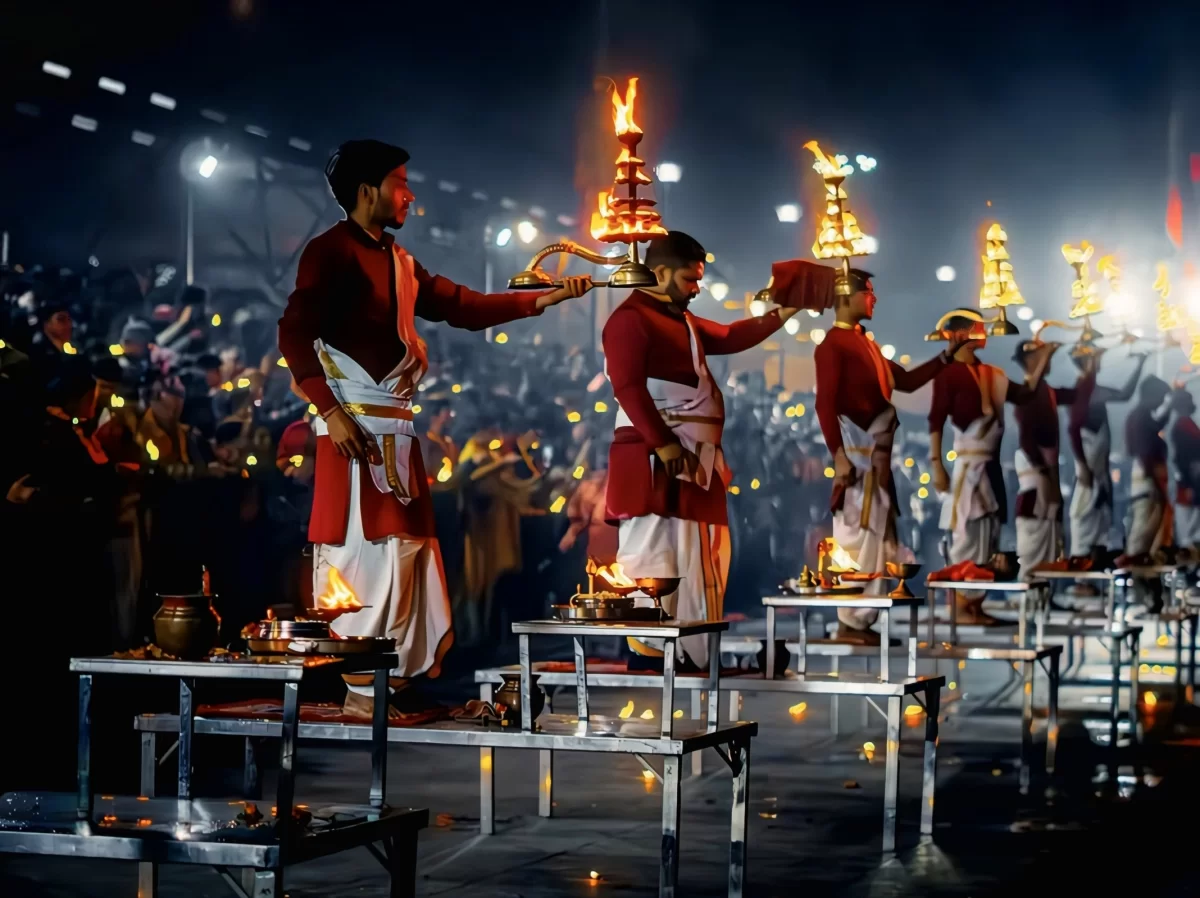
Triveni Ghat is located near the main town area of Rishikesh and functions as an active religious and community space rather than a quiet sightseeing spot. The ghat is believed to be the confluence point of three sacred rivers, Ganga, Yamuna, and Saraswati. Every evening, priests perform Ganga Aarti that attracts large crowds, including pilgrims and travelers. The area remains busy throughout the day, with vendors, temples, and constant river activity. Cleanliness, crowd control, and access improve during non peak hours.

Quick Facts About Triveni Ghat

Entry Fee Free
Timings 00:00 - 23:59
Altitude (m) 372
Ideal Visit Duration (hrs) 1
Best Time of Day Morning
Crowd Level High
Distance from City Centre (km) 1
Walking Difficulty Easy
Parking Available No
Last Mile Access Walk
Suitable for Kids Yes
Suitable for Seniors Yes
Wheelchair Friendly No

Why Visit Triveni Ghat

Triveni Ghat is worth visiting to experience living river rituals rather than static sightseeing. It offers a direct view into daily devotional life on the Ganges, where prayer, bathing, and evening aarti happen in real time. The visit is about presence and participation, not monuments.

Atmosphere

The atmosphere shifts through the day. Mornings are functional and calm, with locals performing rituals and pilgrims bathing. Afternoons are busy but unremarkable. Evenings transform the ghat into a crowded, devotional space during Ganga Aarti, with chanting, lamps, and steady movement. Noise, incense smoke, and close proximity to others are part of the experience.

What Makes It Special

What makes Triveni Ghat special is that it remains an active religious center, not a curated attraction. The belief in the confluence of three sacred rivers gives the site strong spiritual meaning, and the daily aarti is one of the most attended in Rishikesh. Its central location makes it accessible, but also means crowds are unavoidable, especially during festivals and evenings.

History

Triveni Ghat has been a central ritual site in Rishikesh for centuries due to its location on the banks of the River Ganges. Historical references and local tradition identify it as a primary bathing and prayer point for pilgrims traveling through the region. Unlike newer riverfront developments, Triveni Ghat evolved organically as part of the town’s religious life rather than through planned construction.

The ghat gained wider prominence as Rishikesh developed into a major spiritual center during the 20th century. Its proximity to the railway station and town center made it the most accessible ghat for large congregations, reinforcing its role as a communal religious space rather than a secluded pilgrimage site.

Religious Significance

Triveni Ghat is believed to be the confluence of three sacred rivers, the Ganga, Yamuna, and Saraswati, giving it strong ritual importance in Hindu tradition. Bathing here is considered spiritually purifying, and many pilgrims perform ancestral rites and daily prayers at the ghat.

The evening Ganga Aarti conducted at Triveni Ghat is one of the most prominent in Rishikesh. It is an active religious ceremony attended by priests, locals, and pilgrims every day. The ghat remains a functioning place of worship, and religious practices take priority over tourism activities throughout the day.

Best Time to Visit Triveni Ghat

Triveni Ghat can be visited throughout the year, but the experience changes significantly depending on season and time of day. Weather, river conditions, and crowd density all play a role in determining the quality of the visit.

The most comfortable months are from October to March, when temperatures are moderate and humidity is low. During this period, morning rituals and evening aarti are easier to attend without heat or heavy crowd pressure.

April to June is warmer and busier, especially during school holidays and pilgrimage season. Evening aarti remains popular but can feel congested. July to September brings monsoon rains, which raise river levels and can limit access to lower steps of the ghat.
  • Best overall season: October to March
  • Best time of day: Early morning for rituals or evening for Ganga Aarti
  • Peak crowd period: Daily between 6:00 PM and 7:00 PM
  • Avoid monsoon days with heavy rainfall due to slippery steps

How to Reach Triveni Ghat

  • By train: Rishikesh Railway Station is located less than 1 km from Triveni Ghat. From the station, the ghat can be reached on foot in about 10 to 15 minutes or by auto rickshaw.
  • By road: Rishikesh is well connected by road to Haridwar, Dehradun, and Delhi. Triveni Ghat is centrally located and easily reachable by taxi, auto rickshaw, or local bus.
  • By air: The nearest airport is Jolly Grant Airport, Dehradun, approximately 20 km away. From the airport, taxis are available directly to Triveni Ghat.
  • From within Rishikesh: Triveni Ghat is close to the main town area and can be reached on foot from many hotels and ashrams near the railway station and bus stand.
  • Last mile access: Vehicles can reach close to the ghat, but during evening aarti hours traffic restrictions may apply, requiring a short walk.

What to Expect When You Visit Triveni Ghat

  • A busy riverside space that functions as both a religious site and a community gathering point, especially active during morning rituals and evening aarti.
  • Steps leading directly to the River Ganges, where locals and pilgrims perform bathing rituals and prayers throughout the day.
  • Large crowds during the evening Ganga Aarti, with close standing arrangements and limited personal space.
  • Vendors selling flowers, lamps, and religious offerings along the approach roads and near the ghat.
  • Noticeable sound levels during peak hours due to chanting, bells, and public announcements.
  • Limited seating and shaded areas, making longer stays uncomfortable during hot or crowded periods.
  • A strong expectation of respectful behavior, as the ghat remains an active religious site rather than a sightseeing platform.

Important Visitor Information

  • Crowd and weather notes: Triveni Ghat is open and exposed along the riverbank. Weather is generally warm to hot from March to June, cool from October to February, and humid during monsoon months. Crowd levels rise sharply during evenings, weekends, festivals, and religious events.
  • Peak hours: The busiest time is during the evening Ganga Aarti, usually between 6:00 PM and 7:00 PM. During this period, movement is restricted and space becomes limited.
  • Quiet hours: Early morning between 5:00 AM and 8:00 AM is the calmest time, suitable for rituals, photography, and walking along the ghat.
  • Dress code: Modest clothing is strongly advised. Visitors should avoid short or revealing outfits, especially during aarti and ritual hours. Traditional or simple attire is more appropriate.
  • Safety notes: Steps near the river can be slippery, particularly during monsoon or early mornings. Visitors should stay alert near the water, supervise children closely, and be cautious of crowd pressure during peak hours.

Photography and Viewpoints at Triveni Ghat

  • Triveni Ghat is suited for documentary and cultural photography rather than scenic viewpoints. The focus is on rituals, crowd movement, and river activity.
  • Early morning provides the best light for photography, with softer tones, reflections on the Ganges, and fewer people in the frame.
  • Evening Ganga Aarti offers dramatic visuals with oil lamps, fire rituals, and chanting, but crowd density limits movement and framing options.
  • There are no elevated viewpoints. All photography is done from ground level along the steps and walking paths of the ghat.
  • Flash photography during aarti is discouraged, as it disrupts religious proceedings and other visitors.
  • Visitors should ask permission before photographing individuals performing rituals, especially priests and devotees.
  • Monsoon season affects river color and flow, changing the visual character of the ghat and limiting access to lower steps.

Near By Attraction

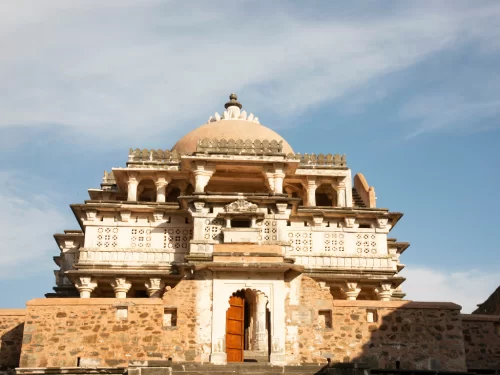
Neelkanth Mahadev Temple at Kumbhalgarh during clear day, featuring ornate domes, jharokhas, stone arches, perfect spiritual experience Rajasthan tour packages. Temple

Neelkanth Mahadev Temple

Neelkanth Mahadev Temple is a revered Hindu temple dedicated to Lord Shiva, nestled amidst the lush forests of the Himalayan foothills near Rishikesh.

Garud Chatti Waterfall Rishikesh scenic natural cascade with rocky pools and lush greenery near Neelkanth Road Waterfall

Garud Chatti Waterfall

Garud Chatti Waterfall is a picturesque waterfall near Rishikesh, perfect for trekking enthusiasts and nature lovers seeking tranquility.

Patna Waterfall Rishikesh scenic cascading waterfall over mossy rocks surrounded by lush forest greenery Waterfall

Patna Waterfall

Patna Waterfall is a serene, lesser-known waterfall near Rishikesh, ideal for short treks and a peaceful nature escape.

Frequently Asked Questions About Triveni Ghat

Triveni Ghat is located in the heart of Rishikesh, Uttarakhand, along the banks of the Ganga River near the main market area.
Triveni Ghat is known for its evening Ganga Aarti and as a sacred bathing spot in Rishikesh, Uttarakhand.
There is no entry fee to visit Triveni Ghat, as it is a public riverfront ghat in Rishikesh.
The Ganga Aarti at Triveni Ghat usually takes place every evening around sunset, with timings varying slightly by season in Rishikesh, Uttarakhand.
The best time to visit Triveni Ghat is during the evening to attend the aarti when the atmosphere in Rishikesh, Uttarakhand becomes vibrant and devotional.
Visitors can reach Triveni Ghat by road to Rishikesh in Uttarakhand and then walk or take a local auto from the bus stand or railway station area.
Most travelers spend about 1 to 2 hours at Triveni Ghat attending the aarti, taking a holy dip, and exploring the nearby market.
Triveni Ghat experiences larger crowds during weekends, festivals, and pilgrimage seasons in Rishikesh, Uttarakhand.
Numerous eateries, sweet shops, and public restroom facilities are available near Triveni Ghat in the central Rishikesh area.
Triveni Ghat is suitable for family visits, but visitors should remain cautious near the river due to strong currents in the Ganga.

Loved this place ? Let’s Plan Your Uttarakhand Trip

Get customized Uttarakhand tour planning designed around seasonal weather changes, hill road travel timing, pilgrimage flow, and comfort-based pacing. Whether you are visiting for spiritual journeys, Himalayan views, wildlife reserves, river valleys, or p

⚑ Quick Response | πŸ’° Free consultation | πŸ•’ 24Γ—7 expert support

×

Plan Your Trip