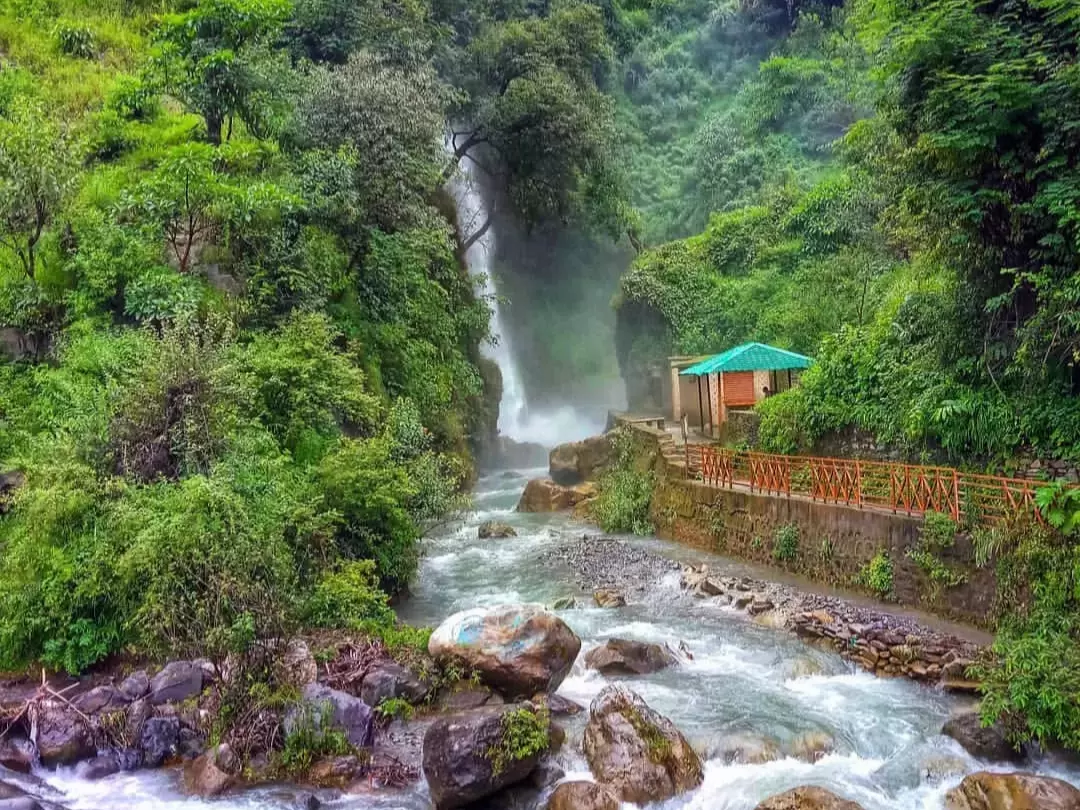
Tiger Falls Chakrata, Uttarakhand, India

Tiger Falls , Chakrata
Visitors come to see the multi-tiered cascade dropping from a height of approximately 50 meters into a natural pool surrounded by forested hills. The site is accessible via a motorable road followed by a walking trail, with higher water flow during and after the monsoon season.

Quick Facts About Tiger Falls

Entry Fee Yes
Timings 07:00 - 17:00
Altitude (m) 1400
Ideal Visit Duration (hrs) 2
Best Time of Day Morning
Crowd Level Moderate
Distance from Chakrata (km) 20
Walking Difficulty Moderate
Parking Available Yes
Last Mile Access Trek
Suitable for Kids Yes
Suitable for Seniors No
Wheelchair Friendly No

Why Visit Tiger Fall, Chakrata

Tiger Fall in Chakrata attracts visitors for its tall, single-drop waterfall set within dense forested surroundings of the Jaunsar-Bawar region. Travelers visit especially during and after the monsoon season when the water flow is strong, making it one of the prominent natural attractions near Chakrata.

The atmosphere around Tiger Fall is natural and slightly rugged, with a descending trail leading from the parking area to the base of the waterfall. The sound of cascading water becomes audible well before reaching the pool, and the surrounding cliffs and trees create a shaded, cool environment even during warmer months.

What makes Tiger Fall distinct is its height and relatively less commercialized setting compared to larger hill-station waterfalls. Unlike roadside viewpoints, reaching the base requires a short trek, offering travelers a more immersive forest-and-waterfall experience in the Chakrata region.

History of Tiger Fall, Chakrata

Tiger Fall is a natural waterfall located near Chakrata in Dehradun district, Uttarakhand. The area forms part of the Jaunsar-Bawar region, which historically remained a remote tribal belt under indirect British administration during the colonial period.

The waterfall itself is a natural formation created by a perennial mountain stream descending from the forested hills of the lower Himalayas. There is no documented ancient or medieval architectural history associated with the site, as it developed recognition primarily due to its geographic and scenic characteristics.

Its present prominence as a visitor destination emerged in recent decades as road connectivity to Chakrata improved. Tiger Fall’s historical identity is therefore linked more to regional geographic isolation and later tourism development rather than to dynastic or religious heritage.

Best Time to Visit – Tiger Fall Chakrata

Tiger Fall near Chakrata is best visited when the waterfall has strong post-monsoon flow but access trails remain safe, as the site involves a downhill trek and weather directly affects both water volume and trail conditions.
  • Ideal months: September to November and March to June offer the best balance of water flow and safe access.
  • Weather during the best season: Post-monsoon months (September–October) feature a powerful cascade with lush green surroundings and temperatures around 10–22°C. Spring and early summer bring clear skies, moderate temperatures (approximately 12–25°C), and drier trekking paths while the waterfall still maintains decent flow.
  • Periods to avoid (and why): July to August sees heavy monsoon rainfall in the Chakrata region, making the trekking route muddy and slippery, with strong water currents that can be unsafe near the base. December to February can be quite cold, with chilly winds and occasional frost, reducing comfort during the descent and climb back.

How to Reach Tiger Fall Chakrata

  • Nearest Airport: Jolly Grant Airport, Dehradun (approximately 115–120 km from Chakrata). The airport has regular connectivity to Delhi and select Indian cities. From Dehradun, taxis to Chakrata typically take 3.5–4.5 hours depending on hill road conditions and traffic.
  • Nearest Railway Station: Dehradun Railway Station (around 90 km from Chakrata) is the nearest major railhead with good connectivity to Delhi and other North Indian cities. From Dehradun, buses and taxis operate toward Chakrata, with onward travel to Tiger Fall.
  • Road Access & Last-Mile Connectivity: Tiger Fall is located about 20 km from Chakrata town in Uttarakhand’s Dehradun district. The site is accessible by road via Chakrata–Lakhwar route. Private vehicles and taxis can reach the designated parking area near the waterfall. From the parking point, visitors must walk approximately 1 km downhill on a paved but steep pathway to reach the base of the waterfall. The return climb is moderately strenuous. Roads are narrow and winding, and travel may be affected by fog in winter and landslides during the monsoon season.

What to Expect When You Visit Tiger Fall Chakrata

  • Environment and Surroundings: Tiger Fall is located near Chakrata in Dehradun district, Uttarakhand, surrounded by dense forest and hilly terrain at an altitude of around 1,400–1,500 metres. The waterfall drops from a significant height into a natural pool below, especially active during and after the monsoon season (July to September). The approach passes through pine and deodar forests with rural village surroundings. During winter, mornings can be cold, while in monsoon the area becomes lush but slippery.
  • Facilities and Amenities: Basic facilities such as small tea stalls and local snack vendors may operate near the lower waterfall area during peak seasons. Infrastructure remains limited, with minimal structured seating and simple public toilet facilities, if available. There are no organized changing rooms. Waste bins may not be consistently maintained, so visitors are expected to manage litter responsibly.
  • Accessibility and Movement: Tiger Fall is accessible by motorable road from Chakrata town up to a designated parking area, followed by a trek downhill to reach the base of the waterfall. The trek involves stone steps and uneven forest paths. The descent is moderate but can be physically demanding on the return climb uphill. During monsoon, pathways and rocks near the water become slippery, requiring careful footing.
  • Typical Visitor Behavior and Conditions: The waterfall attracts trekkers, local tourists, and weekend visitors, especially during summer and post-monsoon months. Visitors often spend 45–90 minutes at the base area for photography and limited water contact. On weekends and holidays, footfall increases significantly. During heavy rainfall, water flow can become strong, and standing directly under the cascade may not be safe.

Important Visitor Information – Tiger Fall Chakrata

  • Crowd & Weather Notes: Tiger Fall sees its highest footfall during summer (April to June) and on weekends when visitors travel from Dehradun and nearby hill towns. The waterfall is most powerful during and just after monsoon (July to September), but trails can become muddy and slippery. Winters (December to February) are cold, especially near the water.
  • Peak / Quiet Hours: Late mornings to early afternoons (10:30 AM – 2:30 PM) are typically the busiest, particularly on weekends. Early mornings on weekdays are comparatively quieter for photography and shorter wait times at the base pool.
  • Dress Code: No formal dress code applies. Sturdy footwear with good grip is essential due to steep descent trails and wet rocks near the waterfall. Quick-dry clothing is advisable if entering shallow water areas.
  • Safety Notes: Access involves a downhill trek or motorable approach followed by steps; the return climb can be strenuous. Rocks near the waterfall become extremely slippery, especially during monsoon. Entering deep sections of the pool is risky during strong flow. Basic food stalls operate seasonally, and facilities remain limited near the base.

Photography and Viewpoints – Tiger Fall Chakrata

  • Best viewpoints/angles: The base pool offers the strongest frontal composition of the nearly 50-meter waterfall framed by dense forest; slightly off-center positions help capture the full height of the cascade without foreground obstruction; elevated rocks along the side (within safe limits) provide angled shots showing the drop and surrounding greenery together.
  • Lighting & time-of-day: Morning hours provide softer light filtering through the forest canopy and fewer harsh highlights on the falling water; midday light can create bright reflections on wet rocks; post-monsoon months (September–November) offer strong water flow with clearer visibility compared to peak monsoon mist.
  • Rules/restrictions: Photography is allowed in the open waterfall area, but climbing slippery rocks near the main drop is dangerous and discouraged; drone use may require local administrative permission; follow on-site safety advisories, especially during high-flow monsoon conditions.
  • Crowd & access factors: The waterfall becomes busy on weekends and holidays, limiting uninterrupted foreground space near the pool; early weekday visits provide quieter conditions; access involves a downhill trek from the parking area, and the trail can be uneven or slippery during monsoon, affecting equipment stability.

Near By Attraction

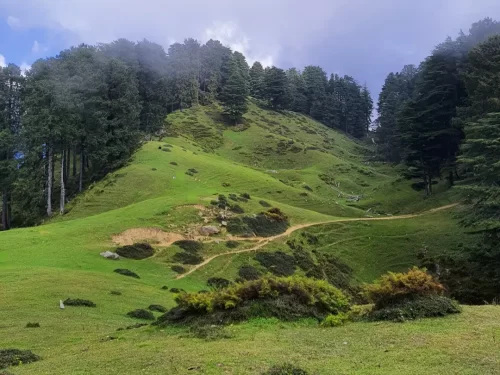
Moila Top in Chakrata, Uttarakhand with rolling green meadows and dense pine forests under misty skies, a peaceful trekking destination included in Uttarakhand tour packages Tourist Attraction

Moila Top

Moila Top is a forested ridge and trekking destination located near Chakrata in Dehradun district, Uttarakhand, India.

Frequently Asked Questions About Tiger Falls

Tiger Falls is located near Chakrata in Dehradun district of Uttarakhand, surrounded by forested hills and natural scenery.
Visitors can reach Tiger Falls by road from Chakrata in Uttarakhand, followed by a short trek or walk from the designated parking area to the waterfall.
A short downhill trek is required to reach Tiger Falls from the parking point. The trail is manageable but can be slippery during monsoon season.
The best time to visit Tiger Falls is from March to June and September to November when the weather in Uttarakhand is pleasant and the waterfall flow is steady.
Tiger Falls is generally accessible during daylight hours, and visitors are advised to plan their visit between morning and late afternoon for safety.
There is usually no major entry fee for Tiger Falls, but small local parking or maintenance charges may apply near Chakrata in Uttarakhand.
Most travelers spend around 1 to 2 hours at Tiger Falls including trekking time, photography, and relaxing near the water.
Basic food stalls may be available near the parking area at Tiger Falls during peak seasons. Restroom facilities are limited, so visitors should plan accordingly.
Swimming at Tiger Falls is possible in shallow areas, but water depth can vary depending on the season. Visitors should exercise caution and avoid deep sections.
Tiger Falls is suitable for family visits, but children and elderly visitors should be careful on the rocky and uneven paths near the waterfall.

Loved this place ? Let’s Plan Your Uttarakhand Trip

Get customized Uttarakhand tour planning designed around seasonal weather changes, hill road travel timing, pilgrimage flow, and comfort-based pacing. Whether you are visiting for spiritual journeys, Himalayan views, wildlife reserves, river valleys, or p

⚡ Quick Response | 💰 Free consultation | 🕒 24×7 expert support

×

Plan Your Trip