
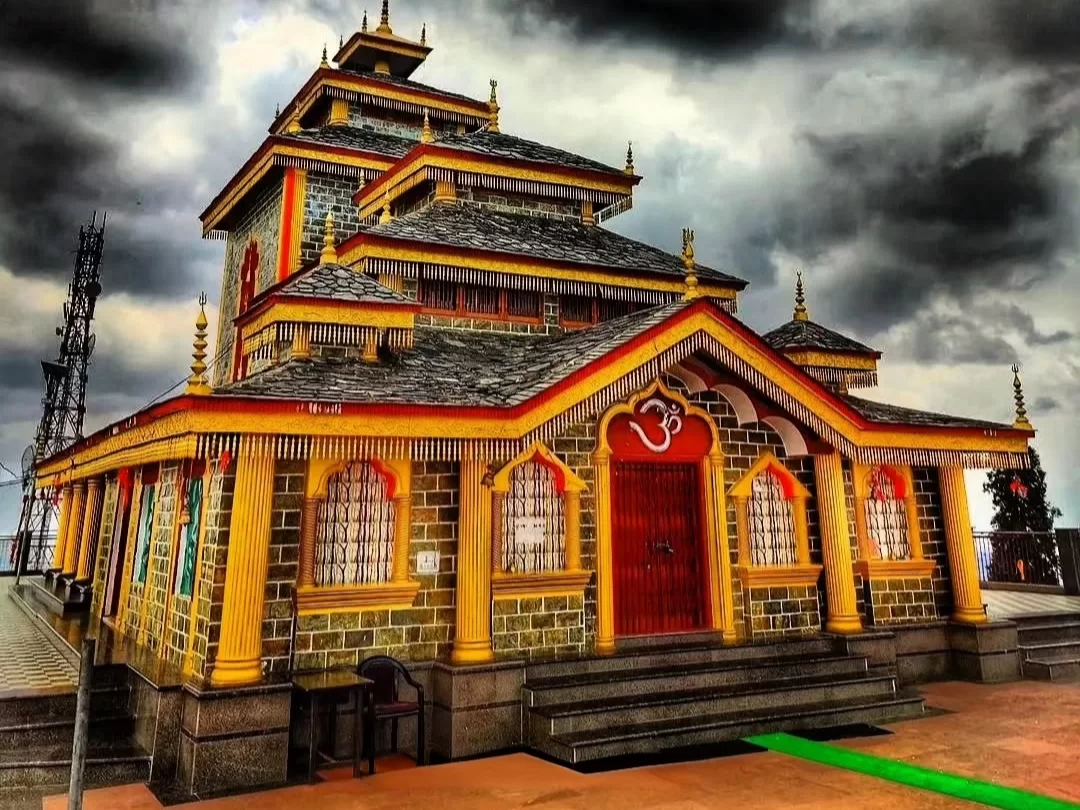
Quick Facts About Surkanda Devi Temple
| Entry Fee | Free |
| Timings | 06:00 - 20:00 |
| Altitude (m) | 2757 |
| Ideal Visit Duration (hrs) | 2 |
| Best Time of Day | Morning |
| Crowd Level | High |
| Distance from City Centre (km) | 35 |
| Walking Difficulty | Moderate |
| Parking Available | Yes |
| Last Mile Access | Trek |
| Suitable for Kids | No |
| Suitable for Seniors | No |
| Wheelchair Friendly | No |
Why Visit Surkanda Devi Temple, Kanatal
Surkanda Devi Temple near Kanatal attracts devotees and trekkers for its hilltop shrine dedicated to Goddess Durga and its wide Himalayan views. Reached by a stepped uphill trek from Kaddukhal, the temple is visited by pilgrims as well as travelers exploring the Dhanaulti–Kanatal region.
The atmosphere at the summit is open and wind-exposed, with panoramic views of snow-clad peaks on clear days and forested hills below. The climb is moderately steep but well-defined, and the temple courtyard remains active during Navratri when footfall increases significantly.
What makes Surkanda Devi Temple distinct is its combination of pilgrimage and elevated vantage point within the Shivalik range. Unlike roadside temples, it requires a physical ascent, rewarding visitors with expansive mountain scenery alongside a functioning Shakti Peetha-linked shrine.
History of Surkanda Devi Temple, Kanatal
Surkanda Devi Temple is a revered Hindu shrine located near Kanatal in Tehri Garhwal district, Uttarakhand, at an altitude of over 2,700 meters. The temple is dedicated to Goddess Surkanda, regarded as a form of Goddess Parvati, and is traditionally identified as one of the Shakti Peethas in Hindu belief.
According to sacred tradition, the temple marks the spot where the head of Goddess Sati fell when Lord Shiva carried her body across the cosmos after the Daksha Yajna episode. This association forms the primary religious foundation of the site and is rooted in mythology rather than verifiable historical record.
The present temple structure reflects later Himalayan architectural reconstruction, as earlier forms are believed to have been modest and periodically rebuilt due to harsh weather conditions. Surkanda Devi Temple remains an active pilgrimage site, especially during Ganga Dussehra and Navratri, maintaining its longstanding spiritual importance in the Garhwal Himalayas.
Best Time to Visit – Surkanda Devi Temple Kanatal
Surkanda Devi Temple near Kanatal is best visited when skies are clear and the uphill trekking path from Kaddukhal is dry, as the hilltop shrine sits at high altitude and visibility strongly affects Himalayan views.
- Ideal months: March to June and September to November offer the most reliable weather and comfortable trekking conditions.
- Weather during the best season: Spring and early summer bring mild temperatures (approximately 8–22°C) with clearer skies and blooming rhododendrons in surrounding forests. Post-monsoon autumn provides crisp air, stable trail conditions, and improved long-distance views of Himalayan peaks on clear days.
- Periods to avoid (and why): July to August sees monsoon rainfall in the Tehri Garhwal region, making the steep stone steps slippery and increasing fog that blocks views. December to February can be very cold, with occasional snowfall and icy patches on the trekking path, which may affect access and safety.
How to Reach Surkanda Devi Temple Kanatal
- Nearest Airport: Jolly Grant Airport, Dehradun (approximately 85–90 km from Surkanda Devi Temple). The airport has regular connectivity to Delhi and select Indian cities. From Dehradun, taxis to Kaddukhal (the trek base) typically take 3–4 hours depending on hill road and weather conditions.
- Nearest Railway Station: Rishikesh Railway Station (approximately 75–80 km away) has limited connectivity, while Dehradun Railway Station (around 90 km away) offers broader train services. From either station, buses and taxis operate toward Chamba/Kanatal, with onward travel to Kaddukhal.
- Road Access & Last-Mile Connectivity: Surkanda Devi Temple is located near Kaddukhal, about 8–10 km from Kanatal on the Chamba–Mussoorie road. Motorable access is available up to Kaddukhal, where parking facilities are available. From the parking area, visitors must trek approximately 1.5–2 km uphill on a paved but steep pathway to reach the temple. The climb is moderately strenuous and can become slippery during the monsoon or icy in winter. Traffic congestion may occur during Ganga Dussehra and Navratri festivals.
What to Expect When You Visit Surkanda Devi Temple Kanatal
- Environment and Surroundings: Surkanda Devi Temple is located near Dhanaulti and Kanatal in Tehri Garhwal district, Uttarakhand, at an altitude of approximately 2,750 metres. The temple sits on a hilltop offering wide views of the Himalayan ranges and surrounding valleys on clear days. The setting is open and exposed, with strong sunlight in summer and cold winds in winter. During winter (December to February), the area can receive snowfall, while monsoon (July to September) brings mist, cloud cover, and slippery trails.
- Facilities and Amenities: Basic facilities such as prasad shops and small tea stalls operate near the base of the trek and occasionally near the temple during peak seasons. Public toilet facilities are limited and simple. There are no large dining halls or extensive seating areas at the summit. Drinking water availability may be inconsistent, so carrying personal water is advisable. Infrastructure is functional but minimal.
- Accessibility and Movement: The temple is accessible by motorable road up to Kaddukhal, which is approximately 8–10 km from Kanatal. From the parking area at Kaddukhal, visitors undertake a trek of about 1.5–2 km uphill to reach the temple. The path includes paved sections and stone steps but is steep in parts. The climb can be physically demanding, especially at high altitude. During snow or rain, the trail becomes slippery and requires careful footing.
- Typical Visitor Behavior and Conditions: The temple attracts pilgrims and tourists throughout the year, with increased footfall during Navratri and Ganga Dussehra. Visitors typically spend 30–45 minutes at the summit for darshan and panoramic views. Early morning visits offer clearer views when weather permits. During peak weekends and festivals, queues may form near the sanctum, and the narrow summit area can become crowded.
Important Visitor Information – Surkanda Devi Temple Kanatal
- Crowd & Weather Notes: Surkanda Devi Temple sees heavy footfall during Ganga Dussehra (May–June) and Navratri, when large numbers of devotees undertake the climb. Summer (April to June) is pleasant but busy, while winters (December to February) can bring cold winds and occasional snowfall at the summit. During monsoon (July to September), mist and rain can reduce visibility and make the trail slippery.
- Peak / Quiet Hours: Late mornings between 9:00 AM and 12:30 PM are generally the busiest, especially on weekends and festival days. Early mornings are comparatively quieter and offer clearer Himalayan views before cloud buildup.
- Dress Code: Modest attire is expected inside the temple premises. Footwear must be removed before entering the shrine. Comfortable trekking shoes are essential for the approximately 2 km uphill paved trek from Kaddukhal.
- Safety Notes: The temple is located at an altitude of over 2,700 meters and involves a continuous uphill climb; visitors should pace themselves, especially at high altitude. Railings are installed along much of the path, but caution is required during monsoon or winter when surfaces may be slippery. Parking is available at Kaddukhal, followed by the uphill walk to the temple.
Photography and Viewpoints – Surkanda Devi Temple Kanatal
- Best viewpoints/angles: The hilltop temple complex is best photographed from the open courtyard after the summit climb, framing the shrine against the expansive Himalayan backdrop; slightly lower sections of the approach steps offer layered compositions of the temple with surrounding Garhwal peaks; clear days provide distant snow-peak views beyond the ridge line.
- Lighting & time-of-day: Early morning provides the clearest Himalayan visibility and softer light on the temple structure; late afternoon enhances ridge contours with angled sunlight; winter months often deliver sharper long-distance mountain views, while monsoon conditions may bring mist and reduced clarity.
- Rules/restrictions: Photography is generally allowed in the outer premises, but avoid photographing inside the sanctum; follow temple guidelines during active ???? (worship); drone use may require prior permission due to the temple’s religious significance and hilltop location.
- Crowd & access factors: The temple sees heavy footfall during Ganga Dussehra and Navratri, limiting uninterrupted summit compositions; early weekday mornings provide quieter access; reaching the temple requires a steep uphill trek from the parking area, and the paved path can be slippery during monsoon or winter frost.
