Quick Facts About Shree Maa Naina Devi Temple
| Entry Fee | Free |
| Timings | 05:00 - 20:00 |
| Altitude (m) | 1938 |
| Ideal Visit Duration (hrs) | 1 |
| Best Time of Day | Morning |
| Crowd Level | Moderate |
| Distance from City Centre (km) | 1 |
| Walking Difficulty | Moderate |
| Parking Available | No |
| Last Mile Access | Walk |
| Suitable for Kids | Yes |
| Suitable for Seniors | No |
| Wheelchair Friendly | No |
Why Visit Shree Maa Naina Devi Temple
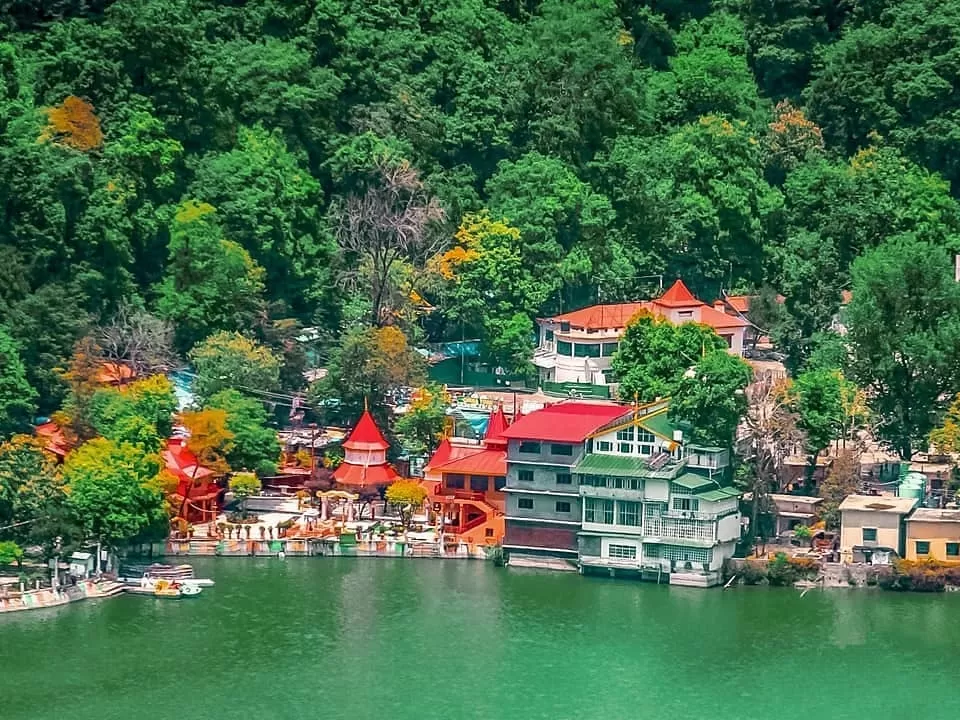
Naina Devi Temple is a spiritual destination for devotees and travelers seeking a blend of religious devotion and scenic beauty. Perched on the northern shore of Naini Lake, it offers an immersive experience in Hindu worship and ritual practices.
The atmosphere is reverent and serene, with the sound of bells, chants, and temple rituals creating a meditative environment. The surrounding hills and lake reflections enhance the peaceful aura, making it ideal for prayer, contemplation, and photography.
What makes the temple special is its religious significance combined with the panoramic view of Naini Lake and Nainital town. Visitors can witness traditional offerings, participate in aarti, and enjoy the blend of spiritual devotion and natural beauty unique to this sacred Himalayan site.
Religious Significance Shree Maa Naina Devi Temple
Naina Devi Temple holds deep spiritual importance as a revered shrine dedicated to Goddess Naina Devi, an incarnation of Goddess Durga. The temple is mentioned in local legends and scriptures, making it a vital pilgrimage site for devotees in Uttarakhand and beyond.
The northern shore location of the temple overlooking Naini Lake adds to its sanctity, and pilgrims believe that offering prayers here fulfills wishes and brings blessings. The temple is especially significant during Navratri, when thousands of devotees visit to participate in special rituals and ceremonies.
Best Time to Visit Shree Maa Naina Devi Temple
The best time to visit Naina Devi Temple is determined by weather, crowd levels, and festival timings. Visiting during cooler months or early mornings ensures a peaceful and enjoyable experience.
- March to June (spring to early summer) offers pleasant weather and clear skies, ideal for sightseeing and photography.
- September to November (autumn) provides cooler temperatures, fewer crowds, and clear views of the lake and surrounding hills.
- Early morning hours (5:00 AM – 8:00 AM) are perfect for quiet prayers and capturing serene temple views.
- Evenings (5:00 PM – 7:00 PM) are ideal for witnessing aarti and the lake’s reflection during sunset.
- Festivals like Navratri attract large crowds; visiting outside these periods allows for a calm and reflective experience.
- Monsoon season (July–August) is less suitable due to heavy rain and slippery steps leading to the temple.
For a balanced experience of spirituality, photography, and comfort, spring and autumn months are recommended.
How to Reach Shree Maa Naina Devi Temple
- By Air: The nearest airport is Pantnagar Airport, approximately 71 km from Nainital. From the airport, taxis or private cabs are available to reach Naina Devi Temple via Nainital town.
- By Train: Kathgodam Railway Station is the closest major railway station, about 34 km from Nainital. From Kathgodam, travelers can hire taxis or shared cabs to reach the temple.
- By Road: Nainital is well connected by roads from major cities like Delhi, Haldwani, and Rishikesh. Private cars, taxis, and buses are convenient options for reaching the town.
- Local Access: The temple is located on the northern shore of Naini Lake, within walking distance from Mall Road. Visitors can reach it via the lake promenade or by climbing stone steps from nearby streets.
- Public Transport: Auto-rickshaws, taxis, and shared cabs are available within Nainital for easy last-mile connectivity to the temple entrance.
What to Expect When You Visit Shree Maa Naina Devi Temple
- A spiritual and serene environment with active rituals, prayers, and aarti ceremonies.
- Steep stone steps leading to the temple entrance, requiring moderate physical effort.
- Beautiful views of Naini Lake and surrounding hills from the temple courtyard.
- Moderate crowds on weekdays, high footfall during festivals such as Navratri.
- Opportunities to participate in traditional offerings and witness local devotional practices.
- Photography-friendly environment, especially of the lake and temple architecture, while respecting worshippers.
- Nearby facilities including small shops and eateries along Mall Road, but limited inside the temple complex.
Important Visitor Information Shree Maa Naina Devi Temple
- Crowd & Weather Notes: Naina Devi Temple attracts large crowds during festivals, especially Navratri, while weekdays are relatively calm. Winters are chilly and summers are pleasant but crowded. Monsoon can make steps slippery.
- Peak / Quiet Hours: Early mornings (5:00 AM – 8:00 AM) are the quietest for meditation and photography. Evenings (5:00 PM – 7:00 PM) are suitable for aarti and sunset views. Midday tends to be more crowded.
- Dress Code: Modest clothing is recommended. Light, comfortable clothes in summer and warm layers in winter. Remove footwear before entering the temple.
- Safety Notes: Be cautious on steep steps and narrow pathways. Supervise children and seniors, especially during crowded periods. Carry water and stay hydrated during summer visits.
Photography and Viewpoint Shree Maa Naina Devi Temple
- Photography Opportunities: The temple provides excellent opportunities for capturing traditional Himalayan temple architecture, devotees during rituals, and the scenic backdrop of Naini Lake and surrounding hills.
- Viewpoints: From the temple courtyard and steps, visitors can enjoy panoramic views of Naini Lake, the town of Nainital, and the hills beyond. The northern shore location allows for striking lake reflections in early morning or late afternoon light.
- Timing: Early mornings (5:00 AM – 8:00 AM) and late afternoons (4:00 PM – 6:00 PM) are the best times for photography, providing soft light and minimal crowds.
- Equipment Tips: DSLRs, mirrorless cameras, or smartphones with moderate zoom work well. Tripods can be used carefully for low-light shots, but should not obstruct other visitors.
- Photography Etiquette: Avoid disturbing worshippers and rituals. Do not use flash during aarti, and be mindful of temple rules and local customs.