+91 9910402252
admin@chalbanjare.com


| Entry Fee | Free |
| Timings | All day |
| Altitude (m) | 372 |
| Ideal Visit Duration (hrs) | 1 |
| Best Time of Day | Morning |
| Crowd Level | High |
| Distance from City Centre (km) | 6 |
| Walking Difficulty | Easy |
| Parking Available | No |
| Last Mile Access | Walk |
| Suitable for Kids | Yes |
| Suitable for Seniors | Yes |
| Wheelchair Friendly | No |
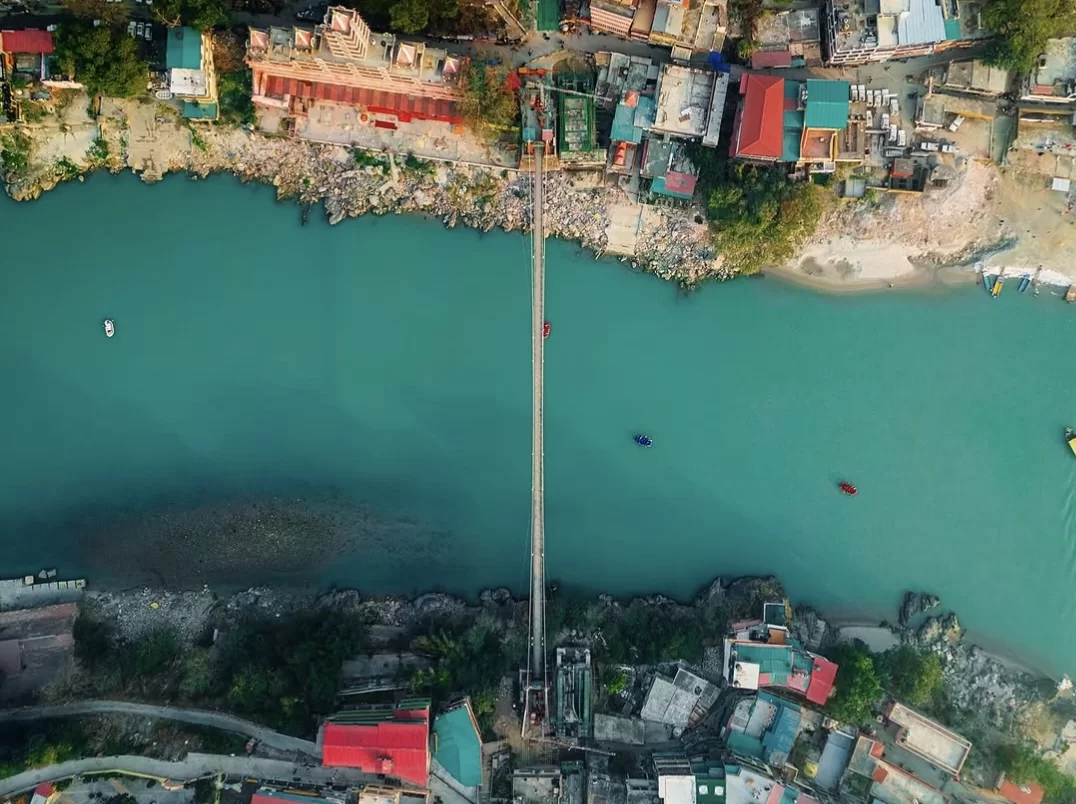
Ram Jhula is not just a crossing over the Ganga; it is a window into Rishikesh’s spiritual and daily life. Walking along the bridge allows travelers to observe sadhus, pilgrims, and local residents moving between temples, ashrams, and riverside shops. Unlike crowded tourist-only spaces, this bridge remains a functional part of the town, giving an authentic sense of life along the Ganga.
The atmosphere around Ram Jhula is active yet meditative. Early mornings bring a calm rhythm with devotees visiting nearby temples, while afternoons and evenings see bustling foot traffic, street vendors, and visitors enjoying river views. The sound of temple bells and flowing water adds a serene background to the daily movement.
What makes Ram Jhula special is its combination of accessibility, size, and spiritual significance. Unlike Lakshman Jhula, it accommodates larger crowds more safely and connects key ashrams such as the Sivananda Ashram and surrounding spiritual centers. It provides excellent viewpoints of the Ganga and offers insight into the convergence of modern travel, local life, and centuries-old religious traditions.
For travelers, Ram Jhula is best experienced slowly. Pausing to watch river activities, observing ritual practices, and exploring nearby temples gives a sense of how Rishikesh has grown around its sacred river crossings.
Ram Jhula was constructed in 1986 to meet the growing need for a safe pedestrian crossing over the River Ganga in Rishikesh. As the number of pilgrims, ashram residents, and long-stay visitors increased, Lakshman Jhula alone was no longer sufficient to handle daily foot traffic. Ram Jhula was built slightly downstream to ease congestion and improve movement between important spiritual zones.
The bridge connects the Sivananda Ashram side with the Swargashram area, both of which are long-established centers for yoga, meditation, and religious study. Its location helped strengthen the movement of devotees between ashrams, temples, and riverside ghats, making it an essential part of Rishikesh’s spiritual layout rather than just an infrastructure project.
Over time, Ram Jhula became a daily-use crossing for monks, students, pilgrims, and locals. Unlike older crossings tied mainly to mythology, its importance comes from practical use and its role in supporting the continued growth of ashram life along the Ganga. Even today, the bridge remains one of the most reliable pedestrian links across the river in Rishikesh.
The ideal time to visit Ram Jhula is during the cooler months from October to March, when temperatures in Rishikesh are pleasant and comfortable for walking along the bridge and exploring nearby temples and ashrams. The river views are clear, and the weather supports long outdoor walks without heat fatigue.
During the summer months of April to June, temperatures can rise above 35°C, making midday visits tiring. Early mornings are more manageable for walking and sightseeing, while afternoons can become crowded and hot.
Monsoon season, from July to September, brings heavy rainfall, high river levels, and slippery surfaces around the bridge. While the surroundings appear lush, access can be limited and care is required due to strong river currents and wet pathways.
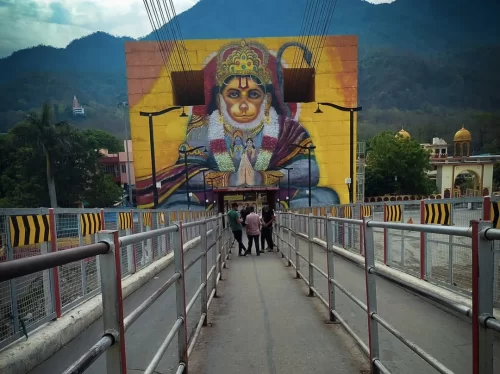 Tourist Attraction
Janki Setu is a pedestrian suspension bridge spanning the Ganges River in Rishikesh, Uttarakhand, India.
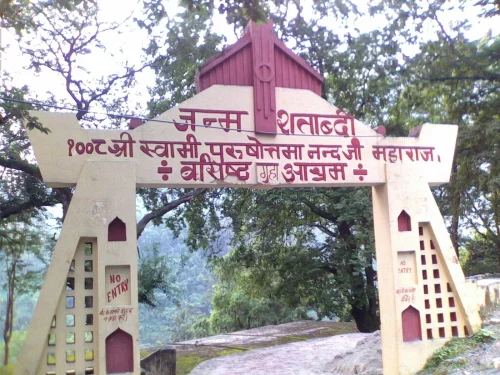 Cave
Cave
Vashishtha Gufa is a cave shrine associated with Sage Vashishtha, located on the banks of the Ganges River in Uttarakhand, India.
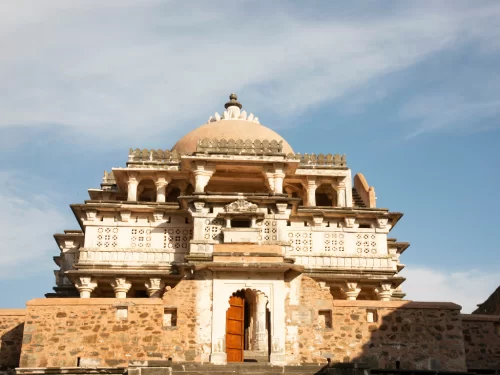 Temple
Neelkanth Mahadev Temple is a revered Hindu temple dedicated to Lord Shiva, nestled amidst the lush forests of the Himalayan foothills near Rishikesh.
Get customized Uttarakhand tour planning designed around seasonal weather changes, hill road travel timing, pilgrimage flow, and comfort-based pacing. Whether you are visiting for spiritual journeys, Himalayan views, wildlife reserves, river valleys, or p
⚡ Quick Response | 💰 Free consultation | 🕒 24×7 expert support

