Quick Facts About Nag Devta Temple
| Entry Fee | Free |
| Timings | 06:00 - 19:00 |
| Altitude (m) | 2050 |
| Ideal Visit Duration (hrs) | 1 |
| Best Time of Day | Morning |
| Crowd Level | Moderate |
| Distance from City Centre (km) | 3 |
| Walking Difficulty | Moderate |
| Parking Available | No |
| Last Mile Access | Walk |
| Suitable for Kids | Yes |
| Suitable for Seniors | No |
| Wheelchair Friendly | No |
Why Visit Nag Devta Temple Mussoorie
Nag Devta Temple is a significant spiritual destination for devotees seeking blessings and a connection with the serpent deity. Visitors are drawn to the temple for its religious importance, peaceful environment, and the sense of devotion that permeates the hilltop surroundings.
The atmosphere at the temple is serene and meditative, with the gentle rustling of trees, chanting of prayers, and panoramic views of the hills creating a calm and spiritually uplifting experience. The temple provides a perfect escape from the bustling streets of Mussoorie while allowing visitors to immerse themselves in the region’s religious traditions.
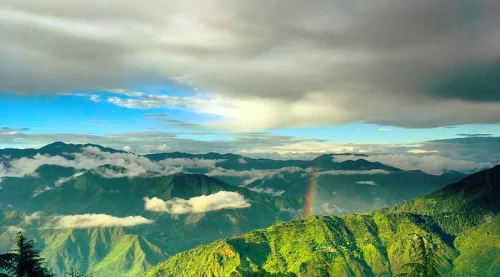
What makes Nag Devta Temple special is its combination of spirituality and scenic beauty. The hilltop location offers unobstructed views of the Doon Valley and Himalayan ranges, making it a great spot for reflection, photography, and experiencing the local cultural heritage. Its prominence during festivals like Nag Panchami adds to its unique charm and cultural significance.
Religious Significance
Nag Devta Temple is dedicated to the serpent deity, a figure of protection and prosperity in Hindu beliefs. The temple holds immense religious importance for locals and visitors, especially during Nag Panchami, when devotees offer prayers, milk, and flowers to the deity to seek blessings for health, safety, and well-being.
The temple’s hilltop location has historically made it a place of spiritual reflection and community gatherings. Over the years, it has maintained its traditional rituals and practices, attracting pilgrims and tourists who wish to experience the devotion, serene environment, and cultural heritage associated with Hindu temple traditions in the Mussoorie region.
Best Time to Visit Nag Devta Temple Mussoorie
The best time to visit Nag Devta Temple is from March to June and September to November when the weather is pleasant, skies are clear, and the hilltop offers comfortable conditions for walking and sightseeing.
Early morning visits provide a peaceful atmosphere, ideal for spiritual reflection and photography, while late afternoons offer cooler temperatures and scenic sunset views of the surrounding hills.
- March to June and September to November for mild weather and clear visibility
- Early morning (6:00 AM – 9:00 AM) for calm and serene temple experience
- Late afternoon (4:00 PM – 6:00 PM) for scenic views and photography opportunities
- Festivals like Nag Panchami attract larger crowds, adding cultural vibrancy
- Monsoon (July–August) provides lush greenery but can make the uphill path slippery
- Winter (December–February) is cold and quiet, suitable for devotees seeking a tranquil visit
How to Reach Nag Devta Temple Mussoorie
- By Air: The nearest airport is Jolly Grant Airport, Dehradun, around 35 km from Mussoorie. From the airport, taxis or private cabs can take you to Mussoorie, followed by a short drive to the base of the temple path.
- By Train: Dehradun Railway Station is the closest railhead, about 34 km away. From there, taxis, private cabs, or shared vehicles can reach Mussoorie, and the temple is accessible via a short uphill walk from the nearest parking area.
- By Road: Mussoorie is connected via NH7 and hill roads. Buses, private cars, and taxis from Dehradun or nearby towns reach Mall Road, Mussoorie, from where Nag Devta Temple is a 10–15 minute uphill walk.
- Local Transport: Auto rickshaws and taxis from Mussoorie Mall Road or nearby points provide convenient access. Walking from the drop-off point to the temple is common.
- Walking Access: The final stretch to the temple involves a moderate uphill path and steps. Comfortable walking shoes are recommended.
- Parking Tips: Limited roadside parking is available at the base of the temple trail. Small vehicles are preferable, and early arrival is recommended during peak hours or festival days.
What to Expect When You Visit Nag Devta Temple Mussoorie
- A peaceful and spiritual atmosphere with devotees offering prayers and performing rituals dedicated to the serpent deity.
- Stunning hilltop views of Mussoorie, the Doon Valley, and surrounding Himalayan ranges, ideal for photography and quiet reflection.
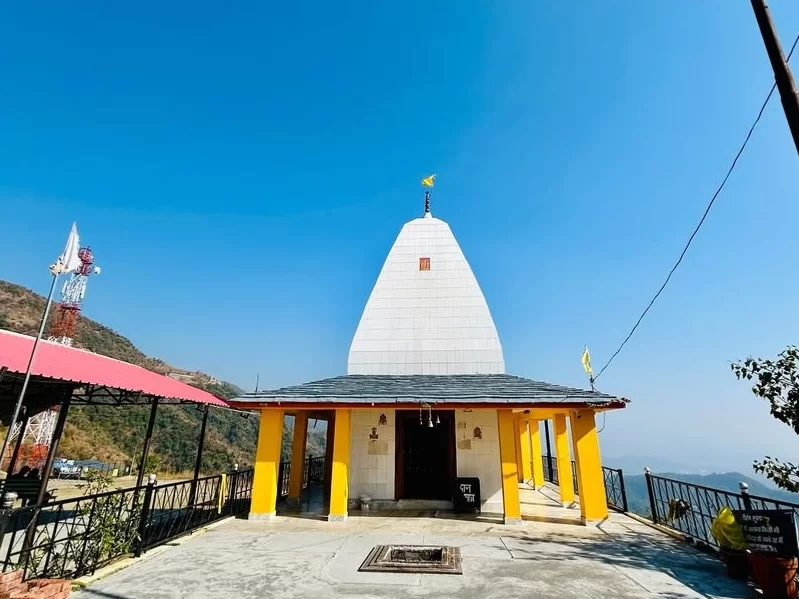
- Traditional temple architecture with a sanctum, prayer area, and decorative elements reflecting Hindu beliefs.
- Moderate uphill walk and steps to reach the temple, requiring comfortable footwear and basic fitness.
- Opportunities to witness or participate in local rituals, especially during Nag Panchami festival when the temple is decorated and vibrant.
- Occasional small shops or vendors near the temple offering flowers, prasad, and souvenirs for devotees and visitors.
- Serene surroundings amidst lush greenery, providing a calm retreat from the crowded streets of Mussoorie.
- Quiet time for meditation, photography, and enjoying the panoramic landscapes.
- Family-friendly environment, though supervision is advised for children due to the uphill path and steps.
Important Visitor Information
- Crowd & Weather Notes: The temple generally experiences low to moderate crowds, with increased visitors during festivals like Nag Panchami. Pleasant weather is observed from March to June and September to November. Monsoon brings greenery but can make the uphill path slippery, and winters are cold but tranquil.
- Peak Hours: 10:00 AM – 4:00 PM, especially during weekends and festivals.
- Quiet Hours: Early morning (6:00 AM – 9:00 AM) and late afternoon (4:00 PM – 6:00 PM) for a serene and spiritual experience.
- Dress Code: Modest clothing recommended; light jackets or sweaters in winter; rain gear during monsoon. Footwear should be comfortable for walking uphill.
- Safety Notes: Stay on designated paths, supervise children on steps, avoid slippery areas during rains, and carry water and light refreshments for comfort.
Photography and Viewpoint
- Scenic Hilltop Views: The temple is located on a hilltop, offering unobstructed views of the Doon Valley, Mussoorie hills, and surrounding Himalayan ranges, perfect for landscape and wide-angle photography.
- Temple Architecture: Capture the intricate details of the temple’s design, including the sanctum, prayer hall, and decorative elements reflecting traditional Hindu temple architecture.
- Golden Hour Opportunities: Early morning and late afternoon provide soft natural light, enhancing the temple and surrounding greenery for stunning photographs.
- Festive Photography: During Nag Panchami and other religious occasions, the temple is decorated and vibrant, offering unique cultural photography opportunities.
- Nature and Surroundings: The lush greenery, hill paths, and pine forests surrounding the temple add depth and scenic beauty to photos.
- Tips for Visitors: Use a DSLR or smartphone with wide-angle capabilities for landscapes. A tripod helps capture low-light shots or panoramic views.
- Viewpoint Advantage: The hilltop location allows photographers to frame both the temple and the sweeping valley below, making it ideal for memorable compositions.