Quick Facts About Landour
| Entry Fee | Free |
| Timings | 06:00 - 18:00 |
| Altitude (m) | 2100 |
| Ideal Visit Duration (hrs) | 4 |
| Best Time of Day | Morning |
| Crowd Level | Moderate |
| Distance from City Centre (km) | 4 |
| Walking Difficulty | Moderate |
| Parking Available | No |
| Last Mile Access | Walk |
| Suitable for Kids | Yes |
| Suitable for Seniors | No |
| Wheelchair Friendly | No |
Why Visit Landour Mussoorie
Landour offers a serene and charming escape from the busy streets of central Mussoorie. Known for its peaceful environment, colonial-era buildings, and scenic walking trails, it is a haven for those seeking relaxation, nature, and heritage exploration.
The atmosphere in Landour is tranquil and refreshing, with quiet lanes, pine-scented air, and the distant sounds of birds and flowing streams. Unlike Mussoorie’s crowded tourist spots, Landour provides an intimate connection with the hills and nature, ideal for leisurely walks, photography, and mindful relaxation.
What makes Landour special is its unique blend of heritage and natural beauty. Visitors can explore historic churches, quaint cafes, local bakeries, and heritage homes while enjoying panoramic views of the Doon Valley. Its peaceful ambiance, combined with easy access from Mussoorie, makes it a must-visit destination for travelers seeking both culture and nature.
Background and Heritage
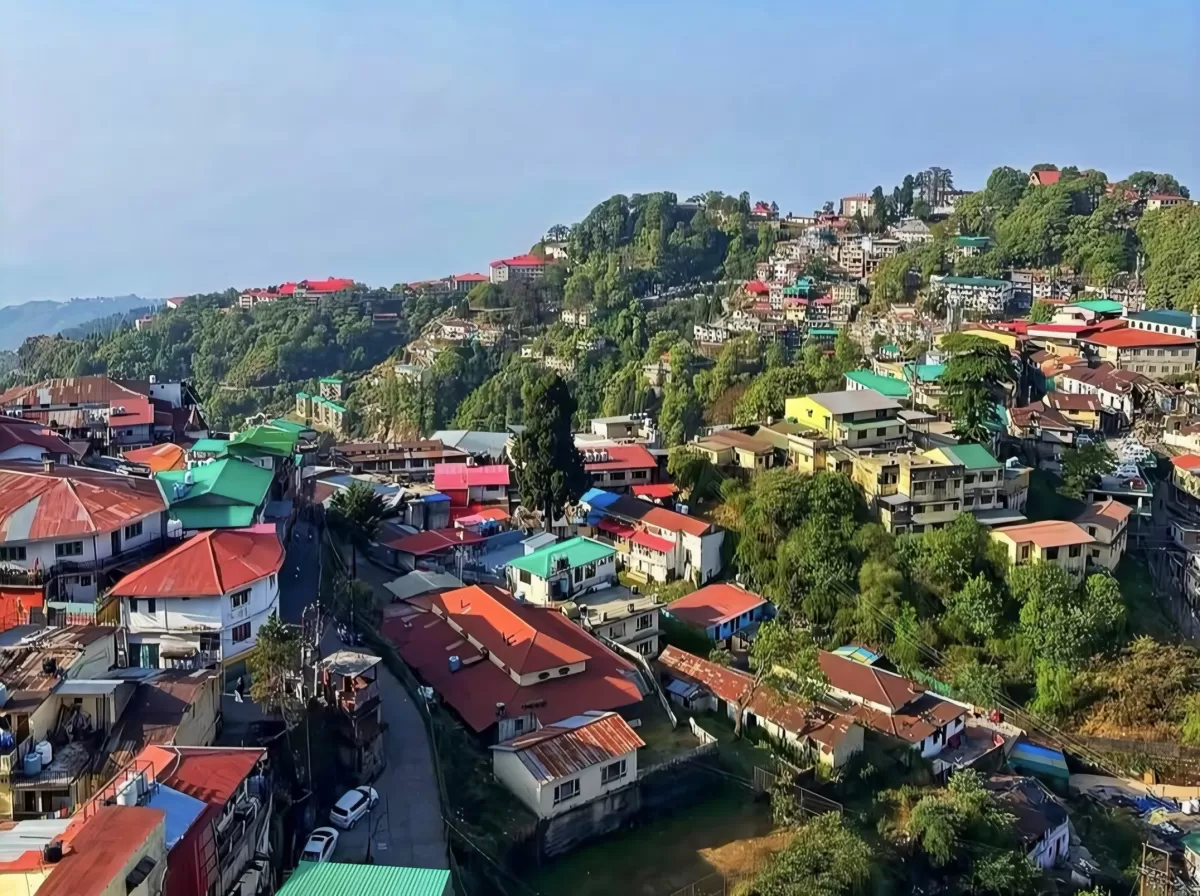
Landour was established during the British colonial era as a cantonment and hill retreat. Its development reflects colonial architecture, with heritage buildings, churches, and old residential cottages that preserve the charm of the 19th and early 20th centuries.
While Landour does not have specific religious or cultural festivals unique to the area, its heritage and historical significance as a quiet British-era hill station make it an important part of Mussoorie’s overall legacy. The area has retained its original layout, narrow lanes, and colonial aesthetics, offering visitors a glimpse into the past while surrounded by scenic Himalayan views.
Best Time to Visit Landour Mussoorie
The ideal months to visit Landour are from March to June and September to November, when the weather is pleasant, skies are clear, and the natural surroundings are at their most vibrant. Early mornings and late afternoons provide calm conditions and beautiful lighting for photography and sightseeing.
Monsoon season (July to August) brings lush greenery and misty landscapes, but some trails may be slippery. Winter months (December to February) are cold and less crowded, offering a peaceful retreat for travelers who enjoy crisp mountain air and quiet walks.
- March to June and September to November for clear skies and pleasant weather
- Early morning (6:00 AM – 9:00 AM) for serene walks and sunrise views
- Late afternoon (4:00 PM – 6:00 PM) for golden-hour photography and cooler temperatures
- Monsoon (July–August) for misty landscapes and vibrant greenery; caution advised on slippery trails
- Winter (December–February) for quiet exploration and crisp, fresh mountain air
How to Reach Landour Mussoorie
- By Air: The nearest airport is Jolly Grant Airport in Dehradun, approximately 35 km from Landour. From the airport, taxis or private cabs can take you to Mussoorie, and a short drive or walk will lead to Landour.
- By Train: Dehradun Railway Station is the closest railhead, about 34 km away. From the station, shared cabs, taxis, or private vehicles can reach Mussoorie, with Landour accessible via a short drive from Mall Road.
- By Road: Landour is well connected by road via NH7 and hill routes from Dehradun and nearby towns. Private cars, buses, and taxis can reach Mussoorie, and Landour is a 10–15 minute drive from central Mussoorie.
- Local Transport: Auto rickshaws, taxis, and private vehicles from Mussoorie Mall Road provide easy access to Landour. Walking within Landour is common due to its narrow, scenic lanes.
- Walking Access: The area is pedestrian-friendly, with well-maintained streets and gentle trails, though some inclines exist. Comfortable walking shoes are recommended.
- Parking Tips: Limited roadside parking is available; visitors are advised to park near designated areas and explore on foot to fully experience the scenic lanes.
What to Expect When You Visit Landour Mussoorie
- Quaint colonial-era buildings, heritage churches, and cottages that showcase Landour’s British-era charm.
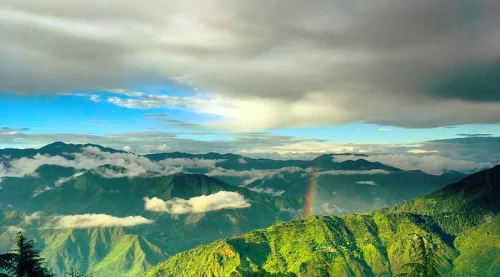
- Scenic walking trails with panoramic views of the Doon Valley and surrounding Himalayan hills, ideal for photography and nature walks.
- Peaceful and quiet environment, with fewer tourists compared to central Mussoorie, making it perfect for relaxation and reflective walks.
- Local cafes and bakeries offering fresh bread, pastries, and refreshments, adding a culinary experience to the visit.
- Moderate walking terrain with hilly streets, gentle inclines, and some steps; suitable for casual walkers with basic fitness.
- Opportunities for bird watching, spotting small wildlife, and enjoying the natural beauty of pine and oak forests.
- Family-friendly environment, though supervision is recommended for children due to steps and inclines.
- Seasonal changes bring unique experiences: misty monsoons, vibrant spring blooms, and crisp winter air for serene walks.
- Minimal commercial distractions, allowing visitors to enjoy the natural and historical charm of the area fully.
Important Visitor Information
- Crowd & Weather Notes: Landour experiences low to moderate crowds, with weekends and holidays seeing a slight increase. Spring and autumn offer mild temperatures and clear skies, monsoon brings mist and greenery, and winter is cold but peaceful.
- Peak Hours: 10:00 AM to 4:00 PM when visitors explore walking trails, cafes, and viewpoints.
- Quiet Hours: Early morning (6:00 AM – 9:00 AM) provides a serene and tranquil experience, perfect for photography and nature walks.
- Dress Code: Comfortable walking shoes, casual attire, and light jackets or sweaters during winter; rainproof gear recommended in monsoon season.
- Safety Notes: Stay on designated paths, supervise children, avoid steep or slippery trails during rains, and carry water and basic essentials for comfort and safety.
Photography and Viewpoint
- Scenic Walks: Landour offers numerous lanes and trails lined with pine and oak trees, perfect for capturing the essence of a serene hill station.
- Panoramic Views: Elevated spots like Lal Tibba provide stunning vistas of the Doon Valley and Himalayan ranges, ideal for wide-angle landscape photography.
- Golden Hour Shots: Early mornings and late afternoons offer soft natural light, enhancing the beauty of colonial buildings, streets, and surrounding hills.
- Architectural Photography: Historic churches, cottages, and colonial-era structures provide rich opportunities for capturing heritage architecture against scenic backdrops.
- Nature and Wildlife: Occasional sightings of birds and small mammals make for interesting wildlife and nature shots along walking trails.
- Local Life: Street scenes, small cafes, and the relaxed lifestyle of Landour can be photographed to capture the hill station’s unique charm.
- Photography Tips: Use a DSLR, mirrorless camera, or smartphone with a wide-angle lens for landscapes. A lightweight tripod helps with low-light shots and capturing panoramic views.
- Viewpoints: Key viewpoints like Lal Tibba and open hill clearings provide unobstructed views for memorable photography sessions.