+91 9910402252
admin@chalbanjare.com


| Entry Fee | Free |
| Timings | 00:00 - 23:59 |
| Altitude (m) | 372 |
| Ideal Visit Duration (hrs) | 1 |
| Best Time of Day | Morning |
| Crowd Level | High |
| Distance from City Centre (km) | 5 |
| Walking Difficulty | Easy |
| Parking Available | No |
| Last Mile Access | Walk |
| Suitable for Kids | Yes |
| Suitable for Seniors | Yes |
| Wheelchair Friendly | No |
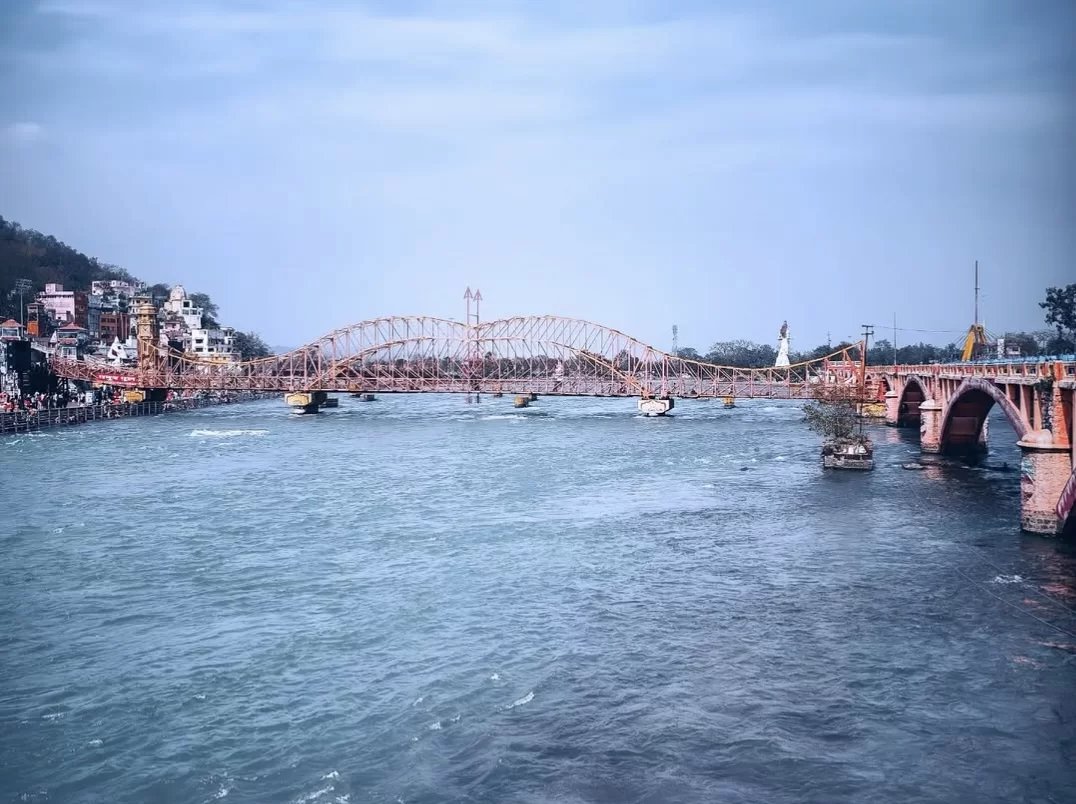
Lakshman Jhula is worth visiting not because of a checklist attraction, but because it shows how daily life, religion, and travel intersect in Rishikesh. Standing near the bridge gives you a clear view of the Ganga flowing fast below, sadhus moving between ashrams, pilgrims heading to temples, and long-stay travelers settling into nearby cafes. It is one of the few places in Rishikesh where spiritual routine and everyday movement are visible at the same time.
The atmosphere here is busy but purposeful. Mornings are quieter, with locals crossing on foot and temple bells in the background. By late morning and afternoon, the area becomes crowded with visitors, street vendors, and people walking between Tapovan and Jonk villages. Even when the bridge itself is restricted, the surrounding area remains active and gives a real sense of how important this crossing point has been for decades.
What makes Lakshman Jhula special is its strong mythological association. According to belief, Lord Lakshman crossed the Ganga at this spot using a jute rope, and the bridge is named after him. Nearby temples like Lakshman Temple and Tera Manzil Temple add to the religious importance. Unlike newly developed riverfronts, this area still feels lived-in, slightly chaotic, and grounded in routine worship rather than staged experiences.
For travelers, Lakshman Jhula offers context rather than spectacle. It helps you understand why Rishikesh grew the way it did, how people move between both sides of the river, and how faith continues to shape daily life here. It is best experienced slowly, with time to observe rather than rush through.
Lakshman Jhula holds long-standing religious importance rather than architectural age. The site is traditionally believed to be the place where Lakshman, the younger brother of Lord Rama, crossed the River Ganga during the period of exile described in the Ramayana. According to local belief, he used a rope made of jute to cross the river, which is why this location became sacred long before any physical bridge existed.
The first permanent structure at this location was built in the early 20th century to support the growing movement of pilgrims and residents between the two sides of the river. Over time, the bridge became essential for daily life in Rishikesh, connecting Tapovan and Jonk and allowing access to temples, ashrams, markets, and residential areas. Its suspension design made it a recognizable landmark of the town.
Lakshman Jhula is closely tied to the spiritual growth of Rishikesh. Several ashrams and temples developed around this crossing point because of the steady flow of pilgrims. The nearby Lakshman Temple and Tera Manzil Temple reinforce the religious relevance of the area, making it an important stop for those following traditional pilgrimage routes along the Ganga.
Although safety concerns have limited access to the bridge structure in recent years, the historical and religious importance of Lakshman Jhula remains unchanged. The site continues to be referenced in local rituals, pilgrimage walks, and spiritual narratives, keeping its relevance alive even without active bridge crossings.
The best time to visit Lakshman Jhula is from October to March, when the weather in Rishikesh remains comfortable for walking and outdoor exploration. Daytime temperatures are pleasant, humidity is low, and visibility along the river is clear. This period allows you to spend time around the bridge area without heat fatigue, especially if you plan to walk between nearby temples and ashrams.
April to June brings summer heat, with temperatures often rising above comfort levels by late morning. While the river breeze offers some relief, the concrete paths and dense crowd movement can make midday visits tiring. If visiting during summer, early mornings are the most manageable time before the heat builds up.
July to September coincides with the monsoon season. Heavy rainfall can make walking surfaces slippery, river levels rise significantly, and access restrictions may increase due to safety concerns. While the surroundings appear greener, this period is less suitable for sightseeing and short walks around Lakshman Jhula.
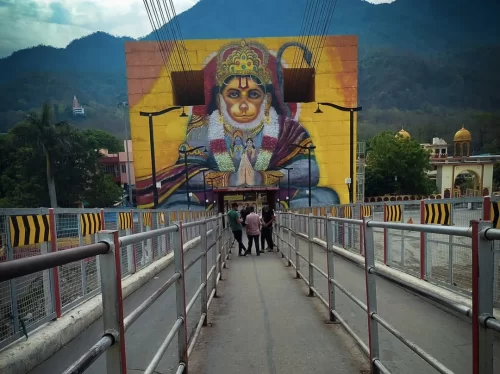 Tourist Attraction
Janki Setu is a pedestrian suspension bridge spanning the Ganges River in Rishikesh, Uttarakhand, India.
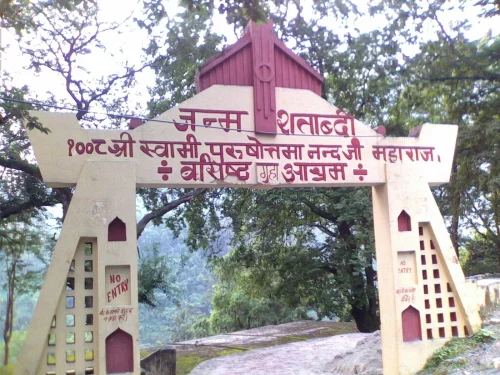 Cave
Cave
Vashishtha Gufa is a cave shrine associated with Sage Vashishtha, located on the banks of the Ganges River in Uttarakhand, India.
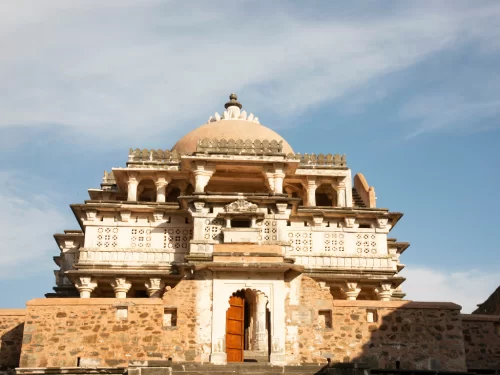 Temple
Neelkanth Mahadev Temple is a revered Hindu temple dedicated to Lord Shiva, nestled amidst the lush forests of the Himalayan foothills near Rishikesh.
Get customized Uttarakhand tour planning designed around seasonal weather changes, hill road travel timing, pilgrimage flow, and comfort-based pacing. Whether you are visiting for spiritual journeys, Himalayan views, wildlife reserves, river valleys, or p
⚡ Quick Response | 💰 Free consultation | 🕒 24×7 expert support

