Kuteti Devi Temple Uttarkashi – Historic Hilltop Shrine in Uttarakhand

Kuteti Devi Temple , Uttarkashi
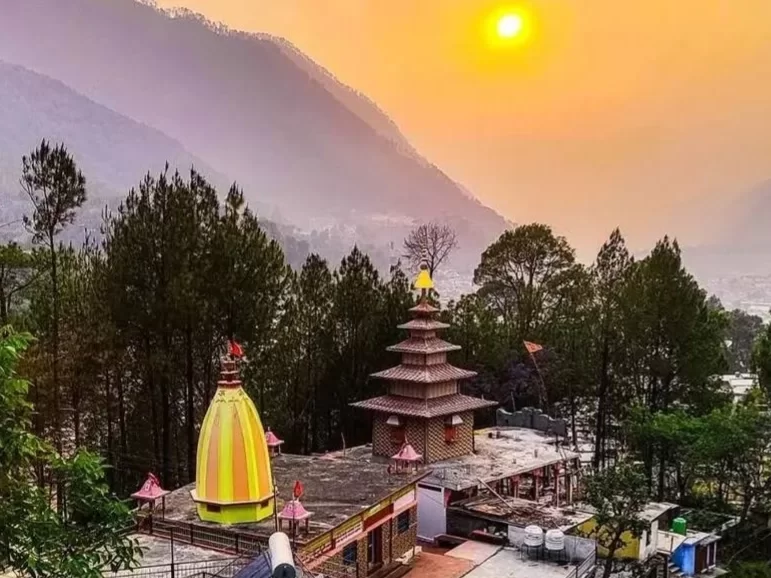
Situated around 15 kilometers from Uttarkashi town, Kuteti Devi Temple is dedicated to the local goddess Kuteti Devi. The temple sits on a modest hill, offering panoramic views of the surrounding valleys. The approach involves a short uphill trek, mostly on unpaved paths. The temple is small but well-maintained, with basic facilities for visitors. It is a quiet site, rarely crowded except during local festivals. The best time to visit is between March and June or September and November when the weather is clear and comfortable.

Quick Facts About Kuteti Devi Temple

Entry Fee Free
Timings 04:00 - 21:00
Altitude (m) 1615
Ideal Visit Duration (hrs) 1
Best Time of Day Morning
Crowd Level Moderate
Distance from City Centre (km) 2
Walking Difficulty Moderate
Parking Available No
Last Mile Access Walk
Suitable for Kids Yes
Suitable for Seniors No
Wheelchair Friendly No

Why Visit Kuteti Devi Temple

Kuteti Devi Temple is worth visiting for its serene hilltop setting and authentic local experience. Unlike crowded tourist hotspots, this temple offers a quiet atmosphere where you can observe local religious practices without interruption. The surrounding views of the Garhwal Himalayas make it a peaceful spot for reflection and photography.

The atmosphere here is calm and contemplative, with the occasional chanting of priests and sounds from nearby village life. Visitors often find the simplicity of the temple and the devotion of locals refreshing compared to larger, more commercialized sites. It is rarely crowded, even during festival periods, providing a genuine sense of connection to the local culture and faith.

What makes Kuteti Devi Temple special is its combination of spiritual and natural appeal. The temple itself is modest and historically significant to the local community. The short uphill walk, lined with natural stone paths, and panoramic views of Uttarkashi’s valleys and hills add a sense of accomplishment and immersion in nature. The site offers a real, lived-in experience of Garhwal’s religious traditions rather than a staged tourist attraction.

History of Kuteti Devi Temple

Kuteti Devi Temple is a small but locally revered shrine dedicated to Kuteti Devi, a goddess worshipped primarily in the Uttarkashi region. The temple has been maintained by local families for generations and serves as a focal point for village religious activities. While its exact date of construction is not documented, oral histories suggest that the site has been a place of worship for several decades, if not longer, reflecting the continuity of local devotional practices.

The temple holds particular importance during Navratri and other regional festivals when locals gather to offer prayers and perform rituals. Its cultural significance lies in its role as a community gathering spot, where traditional Garhwali religious customs are actively practiced. The temple’s modest architecture, simple stone construction, and hillside location are representative of many smaller shrines in the Garhwal Himalayas, giving visitors insight into the local way of life and spiritual traditions.

Best Time to Visit Kuteti Devi Temple

The ideal time to visit Kuteti Devi Temple is when the weather is comfortable and access is safe. Being located in the Garhwal Himalayas, the temple experiences cold winters with occasional snow and heavy rains during the monsoon, which can make the paths slippery. Clear months offer both pleasant walking conditions and excellent visibility of the surrounding valleys.

  • March to June: Spring to early summer is the most comfortable period for visiting. Temperatures are mild, and the uphill walk is easier. The surrounding valleys are lush and scenic during this time.
  • September to November: Post-monsoon months provide clear skies and crisp weather. This is ideal for photography and experiencing the temple without rain-related access issues.
  • Avoid July to August: Heavy monsoon rains make the paths slippery and increase the risk of landslides in some sections.
  • December to February: Winters can be very cold, with occasional snow at higher altitudes. Only recommended for visitors prepared for cold weather.
  • Best time of day: Early morning is recommended for quiet darshan and cooler temperatures; late afternoon offers soft light for scenic views.

How to Reach Kuteti Devi Temple

  • By Road: Kuteti Devi Temple is about 1.5 to 2 km from central Uttarkashi town. Local taxis, shared jeeps, and private vehicles can reach near the base of the temple. The last section involves a short uphill walk on narrow, uneven stone paths. Roads are generally in good condition but may have minor potholes and sharp turns typical of hilly terrain.
  • By Train: The nearest major railway station is in Dehradun, approximately 140 km away. From Dehradun, you can hire a taxi or take a bus to Uttarkashi. The road journey from Dehradun takes 5 to 6 hours depending on traffic and weather.
  • By Air: Jolly Grant Airport in Dehradun is the closest airport, around 150 km from Uttarkashi. From the airport, taxis or buses are available to reach Uttarkashi town. The hilly terrain makes the road journey scenic but winding.
  • Last Mile Access: From the parking area near the base, visitors must walk uphill along a stone and paved path to reach the temple. The path has steps and uneven surfaces, requiring moderate effort.
  • Tips: Avoid traveling during heavy monsoon rains as landslides can occur. Wear sturdy footwear for the uphill walk, and carry water if visiting during warmer months.

What to Expect When You Visit Kuteti Devi Temple

  • Quiet and Peaceful Atmosphere: The temple is rarely crowded except during local festivals. Visitors can expect a calm, reflective environment with natural sounds from the surrounding hills and occasional chants from priests.
  • Short Uphill Walk: Access to the temple requires a short uphill walk on stone and paved paths. The walk is moderate in difficulty and offers scenic views of Uttarkashi’s valleys.
  • Basic Facilities: The temple has minimal facilities. There are no large restrooms or food courts, though small local vendors may be present near the base. Carry water and light snacks if needed.
  • Scenic Views: Panoramic views of the Garhwal Himalayas are visible from the temple area. Early morning or late afternoon provides the best lighting for photography.
  • Local Devotional Experience: Visitors can observe traditional Garhwali rituals and offerings. The temple is actively used by locals, giving a genuine insight into regional religious practices.
  • Weather Considerations: The area can be cold in winter and rainy during monsoon. Sturdy footwear is recommended due to uneven paths.
  • Accessibility: Not suitable for wheelchairs; seniors and children should have assistance for the uphill path and steps.
  • Quiet Exploration: Since it is not a major tourist site, visitors can spend time exploring the small temple grounds, taking in the views, and interacting with locals if desired.

Important Visitor Information

  • Crowd & Weather Notes: The temple is generally quiet, with low visitor numbers on regular days. During Navratri and other local festivals, expect moderate crowds. Weather can be cold in winter (December–February) and slippery during monsoon (July–August). March–June and September–November offer the most comfortable conditions.
  • Peak / Quiet Hours: Early morning (around 5:00–7:00 AM) is the quietest for solitary darshan. Late afternoon (4:00–6:00 PM) is also pleasant for views and photography. Midday tends to have local visitors and small groups.
  • Dress Code: Modest attire is recommended as this is an active religious site. Covering shoulders and knees is appreciated. Remove footwear before entering the temple premises.
  • Safety Notes: The uphill path is uneven with steps and narrow sections—exercise caution while walking, especially for children and seniors. Carry water and wear sturdy footwear. Avoid visiting during heavy rains due to slippery paths.

Photography and Viewpoint

  • Panoramic Views: The temple is situated on a modest hill, offering clear views of Uttarkashi town and surrounding Garhwal Himalayas. Early morning or late afternoon light enhances the natural colors of the valleys and hills for photography.
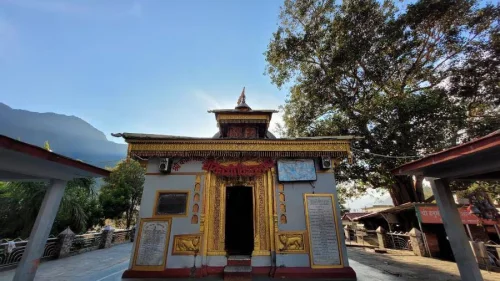
  • Temple Architecture Shots: The small stone temple, traditional carvings, and simple altars provide opportunities for capturing authentic local religious architecture and devotional practices.
  • Landscape Photography: The uphill path and surrounding hillside forests are ideal for nature shots, showing local flora and the Himalayan backdrop. The best angles are from the temple entrance and the upper steps.
  • Festival Photography: Visiting during local festivals such as Navratri allows capturing rituals, offerings, and devotees in traditional attire. Crowds remain moderate, so it’s possible to take clear shots without obstruction.
  • Tips for Photographers: Carry a wide-angle lens for landscape shots. Respect worshippers—avoid flash photography inside the temple. Weather changes quickly, so be prepared for soft diffused lighting during fog or clouds.
  • Drone Photography: Not officially permitted; check local restrictions before use. The surrounding hills provide natural framing for aerial shots if allowed.

Near By Attraction

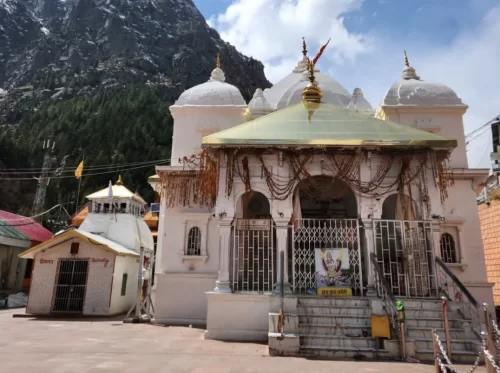
Devotees at Gangotri Temple in Uttarkashi during sunny day, featuring white Nagara-style shrine and Himalayan mountain backdrop, perfect spiritual Uttarakhand tour package. Pilgrimage Site

Gangotri

Gangotri in Uttarkashi is a sacred Hindu pilgrimage site, renowned as the origin of the holy Ganga River and a key destination on the Char Dham Yatra.

Frequently Asked Questions About Kuteti Devi Temple

Kuteti Devi Temple is located in Uttarkashi town in Uttarakhand, situated on a hilltop overlooking the Bhagirathi River.
Visitors can reach Kuteti Devi Temple by road up to Uttarkashi in Uttarakhand followed by a short uphill walk and steps to the temple.
Kuteti Devi Temple is generally open from early morning around 6 am until evening around 8 pm, with extended hours during festivals in Uttarkashi, Uttarakhand.
There is no mandatory entry fee to visit Kuteti Devi Temple. Visitors can enter freely and offer voluntary donations.
The best time to visit Kuteti Devi Temple is between March and June and September to November when the weather in Uttarakhand is pleasant for temple visits.
Most travelers spend about 45 minutes to 1.5 hours at Kuteti Devi Temple including prayer time and enjoying panoramic views of Uttarkashi.
A short uphill walk and a flight of steps are required to reach Kuteti Devi Temple from the base road in Uttarakhand.
Small shops and eateries are available in Uttarkashi town near Kuteti Devi Temple. Basic restroom facilities may be found in the town area.
Kuteti Devi Temple may require moderate effort due to steps, so senior citizens should climb slowly and take rest breaks if needed.
Kuteti Devi Temple is commonly visited along with other attractions in Uttarkashi town as part of a half day sightseeing plan in Uttarakhand.

Loved this place ? Let’s Plan Your Uttarakhand Trip

Get customized Uttarakhand tour planning designed around seasonal weather changes, hill road travel timing, pilgrimage flow, and comfort-based pacing. Whether you are visiting for spiritual journeys, Himalayan views, wildlife reserves, river valleys, or p

⚡ Quick Response | 💰 Free consultation | 🕒 24×7 expert support

×

Plan Your Trip