Quick Facts About Kainchi Dham
| Entry Fee | Free |
| Timings | 05:00 - 20:00 |
| Altitude (m) | 1900 |
| Ideal Visit Duration (hrs) | 2 |
| Best Time of Day | Morning |
| Crowd Level | Moderate |
| Distance from Nainital (km) | 14 |
| Walking Difficulty | Moderate |
| Parking Available | Yes |
| Last Mile Access | Walk |
| Suitable for Kids | Yes |
| Suitable for Seniors | Yes |
| Wheelchair Friendly | No |
Why Visit
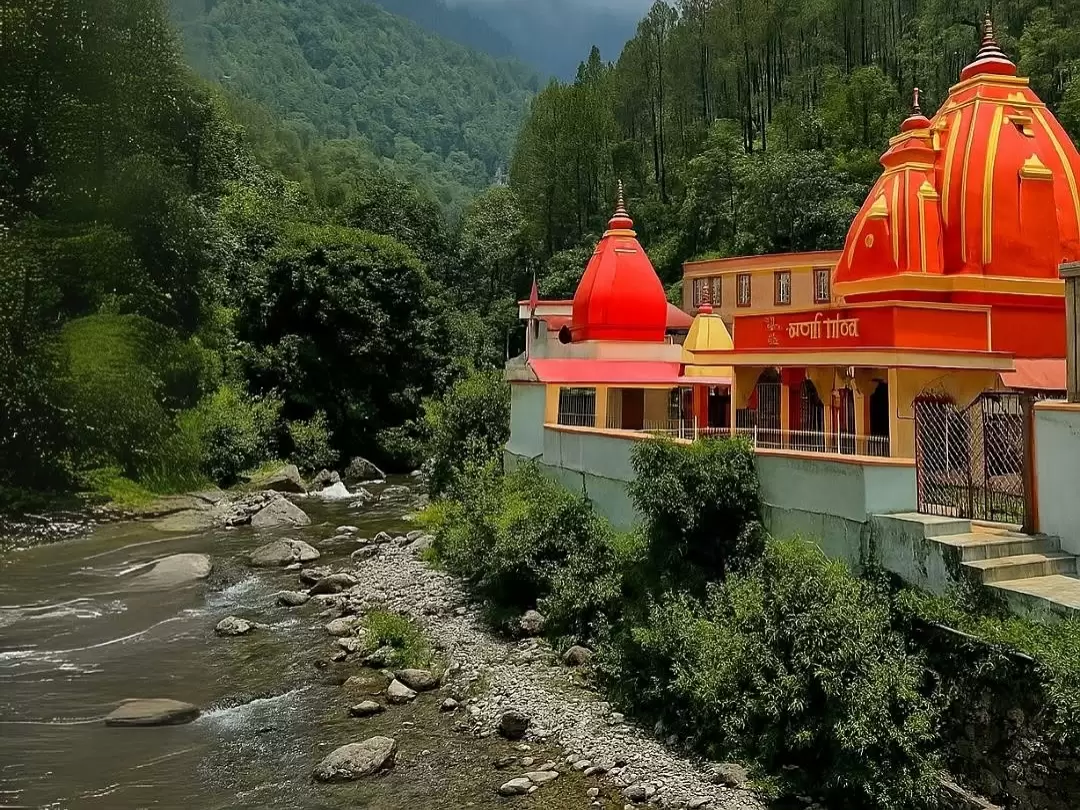
Kainchi Dham is a significant spiritual destination for devotees of Lord Hanuman and followers of Neem Karoli Baba. Visitors come here to seek blessings, participate in daily aarti, and experience a peaceful retreat away from the hustle of Nainital town.
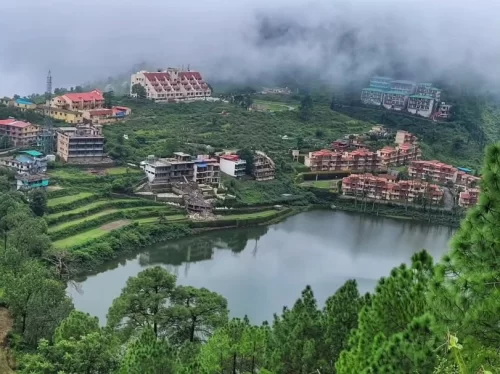
The atmosphere at Kainchi Dham is tranquil and rejuvenating, surrounded by lush green hills and serene landscapes. The temple and ashram grounds exude a spiritual calm, making it an ideal spot for meditation, reflection, and connecting with nature.
What makes Kainchi Dham special is its deep spiritual legacy tied to Neem Karoli Baba, a revered saint known for his teachings and miracles. The temple attracts devotees from across India and abroad, offering a unique blend of devotion, natural beauty, and cultural significance in the Himalayan foothills.
Religious Significance
Kainchi Dham is closely associated with Neem Karoli Baba, a highly revered Hindu saint, whose teachings and spiritual legacy continue to inspire devotees worldwide. The temple is dedicated to Lord Hanuman, and it is believed that visiting the shrine brings peace, spiritual upliftment, and blessings.
The ashram serves as a center for spiritual learning, meditation, and devotional practices. Pilgrims visit to participate in daily aarti, chant prayers, and experience the serene ambiance created by the surrounding hills. Festivals such as Hanuman Jayanti see special celebrations, drawing larger gatherings of devotees from across the country.
While Kainchi Dham does not have historical monuments, its cultural importance lies in its role as a spiritual hub and its connection to the life and teachings of Neem Karoli Baba, making it a vital pilgrimage site in the Nainital region.
Best Time to Visit
The best time to visit Kainchi Dham is during the spring and autumn months when the weather in Nainital is pleasant and the surrounding hills are lush and green. These months provide comfortable temperatures for exploring the ashram and attending temple rituals.
- Best Season: March to June and September to November for mild weather and clear skies.
- Avoid Monsoon: July to August may bring heavy rainfall, making travel to the ashram slippery and less comfortable.
- Winter Months: December to February are colder, but still accessible; mornings can be chilly, so layered clothing is advised.
- Best Time of Day: Early morning for serene ambiance and participation in morning aarti; late afternoon offers a peaceful environment for meditation and photography.
- Peak Periods: Hanuman Jayanti and weekends see larger crowds; visiting on weekdays ensures a quieter, more reflective experience.
How to Reach
- By Road: Kainchi Dham is about 14 km from Nainital city center. Visitors can hire taxis, cabs, or use private vehicles from Mall Road or Nainital bus stand to reach the temple. The road is well-maintained but includes winding hill paths.
- By Rail: The nearest railway station is Kathgodam, approximately 34 km from Nainital. From Kathgodam, taxis and buses are available to Nainital, followed by local transport to Kainchi Dham.
- By Air: Pantnagar Airport, around 71 km away, is the closest airport. From the airport, taxis or buses connect to Nainital, then onward travel to the temple is via local transport or cab.
- Last Mile Access: After parking near the temple, a short uphill walk leads to the main shrine. Visitors are advised to wear comfortable shoes for this walk.
- Travel Advisory: Roads are hilly and can be narrow; avoid visiting during heavy rainfall. Early morning trips are recommended to avoid traffic and ensure a peaceful experience.
What to expect when you visit
- A serene spiritual experience surrounded by lush Himalayan hills, ideal for meditation, reflection, and prayer.
- Devotional atmosphere with daily aarti, chanting, and rituals dedicated to Lord Hanuman, attracting both locals and pilgrims.
- Opportunities to explore the ashram premises, interact with resident devotees, and learn about the teachings and legacy of Neem Karoli Baba.
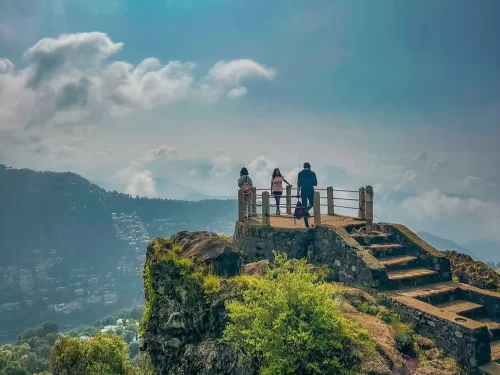
- Scenic viewpoints within the temple complex offering panoramic views of the surrounding hills and valleys, perfect for photography and quiet contemplation.
- Moderate walking required along paved steps and gentle slopes; comfortable shoes recommended for seniors and children.
- Peaceful environment suitable for families, solo travelers, and spiritual seekers looking for a calm retreat near Nainital.
- Limited amenities; visitors are advised to carry water and light refreshments for convenience during the visit.
Important Visitor Information
- Crowd and Weather Notes: The temple experiences moderate crowds on weekdays, while weekends, festivals, and Hanuman Jayanti attract larger gatherings. Weather is generally pleasant from March to June and September to November; monsoon months can be rainy and slippery.
- Peak and Quiet Hours: Peak hours are during morning aarti (6:00–8:00 AM) and evening prayers. For a quieter experience, visit in the late afternoon or on weekdays.
- Dress Code: Modest and respectful clothing is recommended. Avoid shorts or sleeveless tops; comfortable attire suitable for climbing gentle steps is ideal.
- Safety Notes: The path includes steps and gentle slopes; visitors should wear sturdy shoes, supervise children, and exercise caution during rainy or slippery conditions. Follow temple rules and stay within designated areas for safety.
Photography and Viewpoint
- Kainchi Dham offers several viewpoints overlooking the lush green Himalayan hills and valleys, ideal for capturing scenic landscapes and panoramic shots.
- Early morning and late afternoon provide the best natural light for photography, highlighting the temple architecture and the surrounding greenery.
- Visitors can photograph the main Hanuman temple, ashram premises, and traditional religious activities such as aarti and bhajans, providing cultural and spiritual context.
- Wooden and stone pathways, along with natural terraces, offer compositional elements for architectural and landscape photography.
- The serene environment and elevated viewpoints allow wide-angle shots of the surrounding hills, forests, and distant peaks, perfect for both casual and professional photographers.
- Visitors should exercise caution when taking photos on slopes or near steps to ensure safety while capturing shots.
- The temple’s colorful decor, flowers, and devotees’ rituals create vibrant opportunities for capturing authentic spiritual experiences.