Quick Facts About G B Pant High Altitude Zoo
| Entry Fee | 50 |
| Timings | 10:00 - 17:00 |
| Altitude (m) | 2100 |
| Ideal Visit Duration (hrs) | 3 |
| Best Time of Day | Morning |
| Crowd Level | Moderate |
| Distance from Nainital (km) | 2 |
| Walking Difficulty | Moderate |
| Parking Available | Yes |
| Last Mile Access | Walk |
| Suitable for Kids | Yes |
| Suitable for Seniors | Yes |
| Wheelchair Friendly | No |
Why Visit
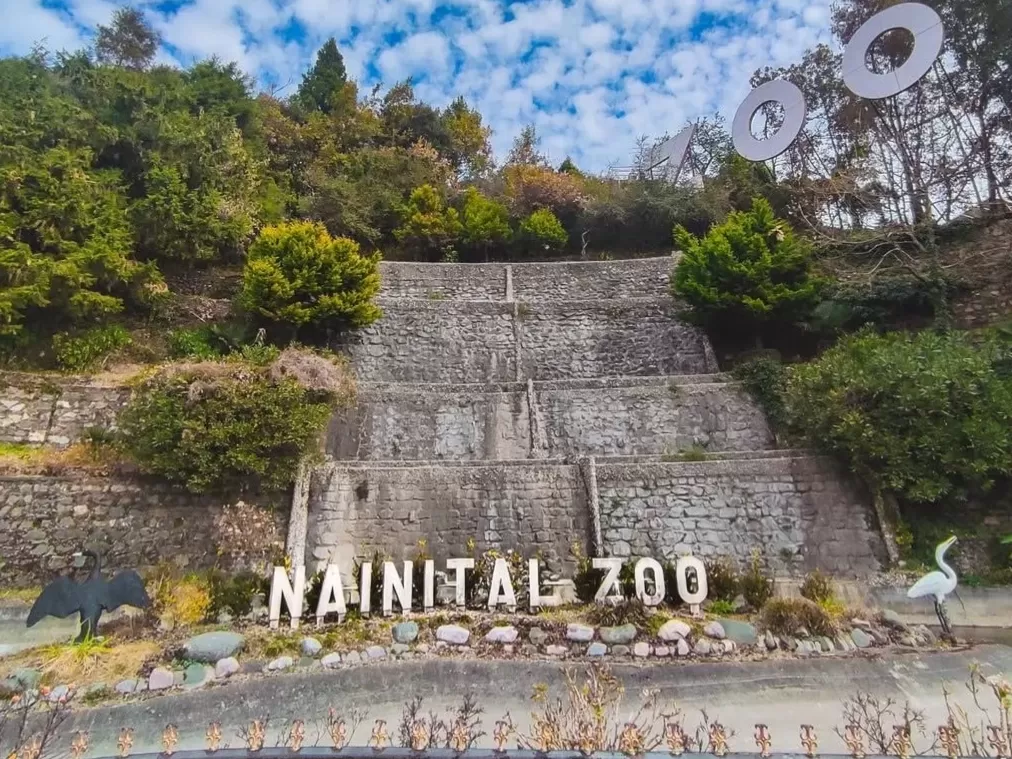
G.B. Pant High Altitude Zoo is a unique destination in Nainital, offering visitors the chance to observe rare and endangered Himalayan wildlife in their natural high-altitude environment. The zoo plays a crucial role in wildlife conservation and education, making it a must-visit for families, students, and nature enthusiasts.
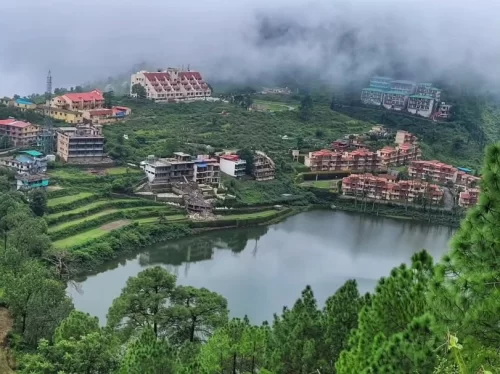
The atmosphere at the zoo is serene and refreshing, surrounded by dense oak and pine forests with panoramic views of the Himalayan foothills. The well-laid walking trails and naturalistic enclosures provide a peaceful setting for leisurely exploration while observing animals in habitats that mimic their natural surroundings.
What makes G.B. Pant High Altitude Zoo special is its collection of rare species such as snow leopards, red pandas, Himalayan black bears, and barking deer. In addition to animal sightings, the zoo offers educational opportunities about Himalayan biodiversity, conservation efforts, and wildlife protection, making every visit both enjoyable and informative.
Background
G.B. Pant High Altitude Zoo was established in 1984 with the primary objective of conserving endangered and rare Himalayan species. Situated at a high altitude of around 2,100 meters, the zoo provides a natural habitat for animals that are native to the Himalayan region.
The zoo is known for its successful breeding programs for endangered species like the snow leopard and red panda, making it a significant center for wildlife conservation in Uttarakhand. It also serves as an educational hub, offering visitors insights into the biodiversity of the Himalayas and the importance of preserving fragile ecosystems.
While it does not hold cultural or religious significance, the zoo’s contribution to wildlife protection and environmental awareness has made it an important attraction for families, students, and wildlife enthusiasts visiting Nainital.
Best Time to Visit
The ideal time to visit G.B. Pant High Altitude Zoo is during the spring and autumn months when the weather in Nainital is pleasant, and the animals are most active. Visiting during these periods ensures comfortable temperatures and clear visibility for observing wildlife and enjoying scenic views.
- Best Season: March to June and September to November for mild weather and maximum wildlife activity.
- Winter Months: December to February are colder and may limit visibility of some animals; however, red pandas and snow leopards are active during cooler weather.
- Avoid Monsoon: July to August brings heavy rainfall, slippery paths, and limited access to some enclosures.
- Best Time of Day: Morning hours (10:00 AM–12:00 PM) when animals are most active and lighting is ideal for photography.
- Peak Periods: School holidays and weekends attract more visitors; weekdays are quieter for a peaceful experience.
How to Reach
- By Road: G.B. Pant High Altitude Zoo is approximately 2 km from Nainital Mall Road. Visitors can hire taxis, cabs, or drive their own vehicles to the zoo. The road is well-maintained, with a slight uphill climb from the city center.
- By Rail: The nearest railway station is Kathgodam, about 34 km from Nainital. From Kathgodam, taxis or buses can take visitors to Nainital, followed by a short drive to the zoo.
- By Air: Pantnagar Airport, located around 71 km away, is the closest airport. From the airport, taxis or buses connect to Nainital, and the zoo can be reached via a short local ride.
- Last Mile Access: After parking near the zoo entrance, visitors walk along paved paths leading to the animal enclosures and viewpoints. Comfortable walking shoes are recommended.
- Travel Advisory: Roads leading to the zoo can be slightly steep, and during monsoon months, caution is advised due to slippery patches. Early morning visits help avoid traffic and provide better chances to see active wildlife.
What to expect when you visit
- A diverse collection of Himalayan wildlife, including endangered species like snow leopards, red pandas, Himalayan black bears, and barking deer, in naturalistic enclosures.
- Scenic surroundings with dense oak and pine forests, offering a peaceful environment for walking and nature observation.
- Educational experiences through informative signage, guided tours, and conservation-focused programs explaining the importance of Himalayan biodiversity.
- Moderate walking along uphill and paved trails; suitable for families, students, and casual hikers with comfortable footwear.
- Opportunities for wildlife photography, especially during morning hours when animals are most active and lighting is ideal.
- Benches and resting areas throughout the zoo, providing breaks during exploration and enhancing comfort for seniors and children.
- A chance to connect with nature while learning about conservation efforts and the challenges of protecting endangered Himalayan species.
Important Visitor Information
- Crowd and Weather Notes: The zoo experiences moderate crowds on weekdays and higher footfall during weekends, holidays, and school vacations. Weather is pleasant from March to June and September to November, while monsoon months may bring slippery paths and limited visibility.
- Peak and Quiet Hours: Peak visiting hours are late morning to early afternoon. Early morning visits (10:00 AM–12:00 PM) provide a quieter experience and more active wildlife sightings.
- Dress Code: Comfortable and casual attire is recommended. Sturdy walking shoes are essential due to uphill paths and uneven terrain. Layered clothing is advisable during cooler months.
- Safety Notes: Visitors should stay on designated paths, supervise children, and avoid feeding animals. Caution is advised on sloped or wet trails. Follow zoo rules and maintain a safe distance from enclosures for a safe and enjoyable visit.
Photography and Viewpoint
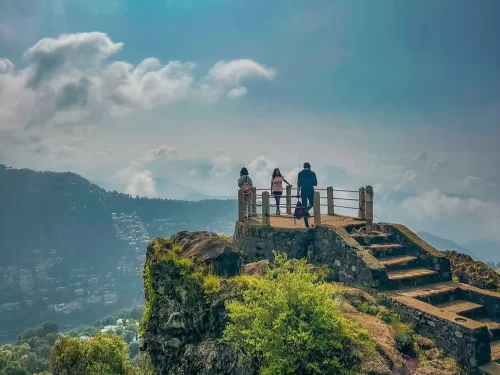
- The zoo offers multiple viewpoints along its hillside trails, providing panoramic vistas of Nainital town, surrounding valleys, and the Himalayan foothills, perfect for landscape photography.
- Early morning hours are ideal for photography, as animals are most active and the soft natural light enhances the colors of wildlife and forest scenery.
- Animal enclosures are designed to mimic natural habitats, allowing photographers to capture realistic images of Himalayan species such as snow leopards, red pandas, and Himalayan black bears.
- Scenic forest trails, wooden pathways, and observation points offer excellent opportunities for wide-angle and close-up shots, combining natural and architectural elements.
- Visitors can photograph both wildlife and the lush surroundings, including oak and pine forests, providing rich compositions for nature and wildlife enthusiasts.
- Caution is advised while photographing on slopes or near steps to ensure safety without disturbing the animals or other visitors.
- The zoo’s elevated location allows for capturing dramatic sunrise or sunset shots, with misty hills and the distant town creating striking visual compositions.