+91 9910402252
admin@chalbanjare.com


| Entry Fee | 100 |
| Timings | 10:00 - 17:00 |
| Altitude (m) | 1000 |
| Ideal Visit Duration (hrs) | 1 |
| Best Time of Day | Morning |
| Crowd Level | Low |
| Distance from City Centre (km) | 5 |
| Walking Difficulty | Easy |
| Parking Available | Yes |
| Last Mile Access | Road |
| Suitable for Kids | Yes |
| Suitable for Seniors | Yes |
| Wheelchair Friendly | No |
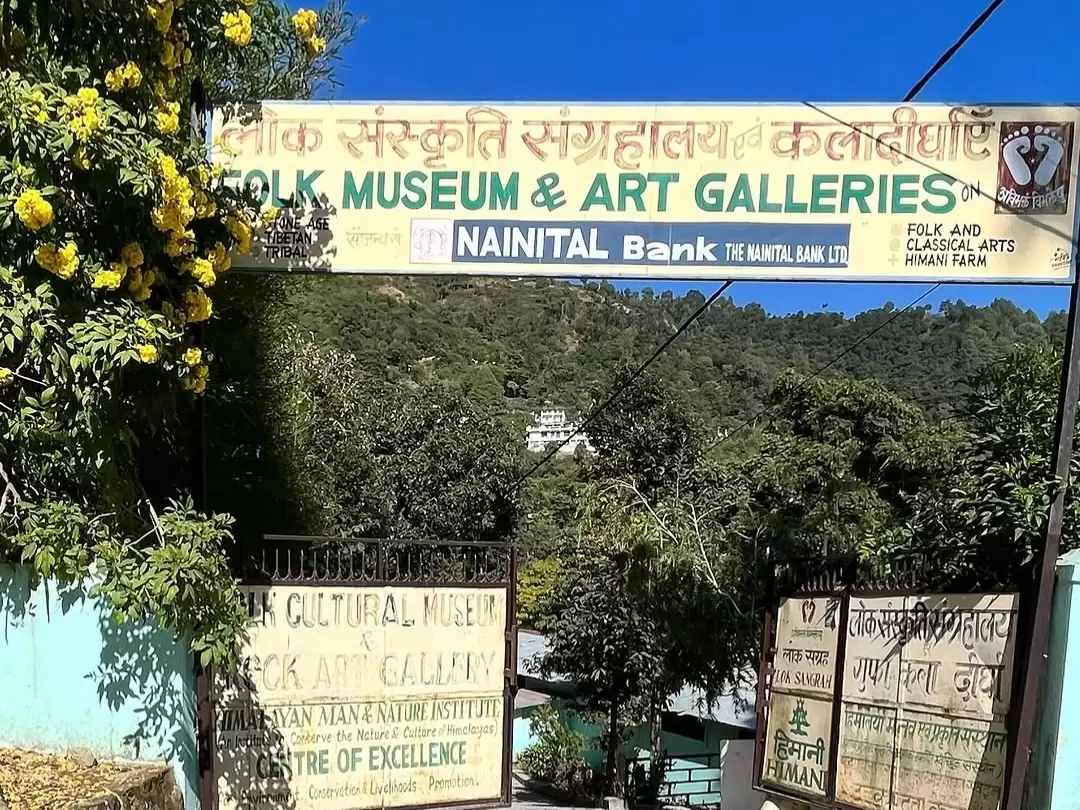
A Folk Culture Museum is a perfect place for travelers who want to explore the true cultural identity of a destination. It offers a deep look into the traditional lifestyle, history, and heritage of local communities through rare artifacts, old tools, folk costumes, handmade crafts, and traditional artwork. Visiting a folk culture museum helps tourists understand how people lived in earlier times, what they wore, what traditions they followed, and how their daily life was shaped by the region’s geography and customs. It is an excellent attraction for cultural tourism, educational trips, and heritage exploration.
The atmosphere inside a Folk Culture Museum is calm, informative, and heritage-rich. Visitors can expect a peaceful environment where they can slowly explore exhibits, read about local history, and observe traditional items displayed in an organized manner. The museum environment feels authentic and gives a strong connection to the past. It is an ideal place for travelers who enjoy history, photography of cultural artifacts, and learning about local traditions beyond natural sightseeing.
What makes a Folk Culture Museum special is its unique collection of cultural objects that are not commonly seen in modern life. Many museums display ancient household items, musical instruments, farming tools, weapons, traditional jewelry, and regional handicrafts that represent the true heritage of the area. It is a great attraction for students, researchers, and tourists who want a meaningful travel experience. The museum visit adds depth to any trip by offering knowledge, cultural understanding, and appreciation for local traditions.
A Folk Culture Museum is developed to preserve and showcase the traditional heritage, lifestyle, and cultural identity of a region. Such museums are usually established by cultural organizations, government bodies, or private collectors with the purpose of protecting valuable folk artifacts that represent local traditions, art forms, and historical lifestyle patterns. The museum collection often includes old household items, farming tools, handmade crafts, folk costumes, jewelry, musical instruments, and traditional artworks that reflect the daily life of earlier generations.
Folk Culture Museums play an important role in protecting cultural heritage that may otherwise disappear due to modernization. These museums help preserve regional folk art, rural living methods, traditional skills, and cultural values for future generations. Many museums also support cultural education by providing information to tourists, students, and researchers interested in heritage studies.
Today, Folk Culture Museums are recognized as valuable heritage attractions that allow visitors to understand the cultural roots of a destination. They offer an authentic experience of local traditions and give travelers a deeper connection with the history and lifestyle of the region through preserved exhibits and cultural displays.
The best time to visit a Folk Culture Museum is throughout the year, as it is an indoor cultural attraction and not affected much by seasonal weather. However, the most comfortable time to explore the museum is during October to March, when the climate is pleasant and tourists can easily combine the museum visit with other sightseeing activities in the area. Winter months are ideal because visitors can explore exhibits peacefully without heat or humidity.
The summer season from April to June is also suitable, especially because museums provide a comfortable indoor experience away from outdoor heat. This makes it a good attraction for families and travelers visiting during warm weather.
During the monsoon season from July to September, museums remain open, but heavy rains in some regions may affect travel plans. Still, a Folk Culture Museum becomes a great indoor sightseeing option when outdoor locations are difficult to explore.
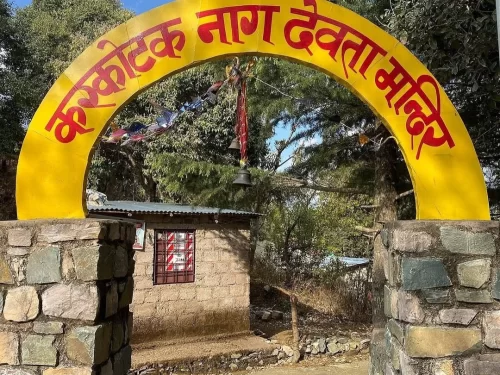 Temple
Karkotak Mandir is a famous serpent deity temple near Nainital, known for its spiritual importance, peaceful forest surroundings, and local mythological beliefs.
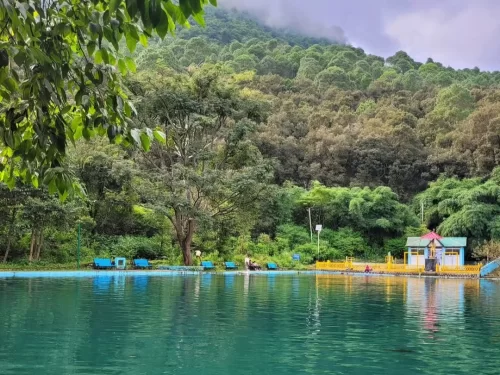 Lake
Lake
Nal Damyanti Tal is a serene natural lake known for its mythological connection to King Nala and Queen Damyanti, surrounded by quiet forest beauty.
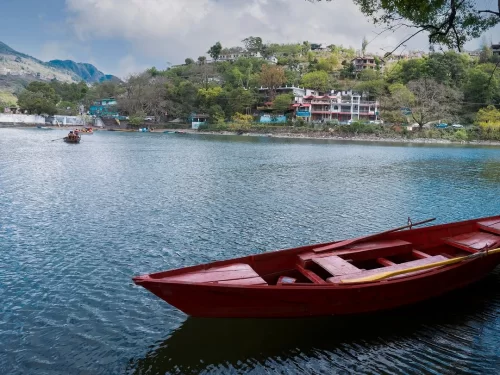 Lake
Lake
Bhimtal Lake is a peaceful freshwater lake near Nainital, famous for boating, scenic hill views, and its calm natural surroundings.
Get customized Uttarakhand tour planning designed around seasonal weather changes, hill road travel timing, pilgrimage flow, and comfort-based pacing. Whether you are visiting for spiritual journeys, Himalayan views, wildlife reserves, river valleys, or p
⚡ Quick Response | 💰 Free consultation | 🕒 24×7 expert support

