+91 9910402252
admin@chalbanjare.com


| Entry Fee | Free |
| Timings | 00:00 - 23:59 |
| Altitude (m) | 2010 |
| Ideal Visit Duration (hrs) | 2 |
| Best Time of Day | Morning |
| Crowd Level | Moderate |
| Distance from City Centre (km) | 3 |
| Walking Difficulty | Easy |
| Parking Available | No |
| Last Mile Access | Walk |
| Suitable for Kids | Yes |
| Suitable for Seniors | Yes |
| Wheelchair Friendly | No |
Camel’s Back Road is a peaceful, scenic trail perfect for walking, jogging, or simply enjoying the natural beauty of Mussoorie. Unlike the crowded Mall Road, this route offers a quieter, more relaxed experience where visitors can take in panoramic views of the Doon Valley, surrounding hills, and distant mountain ranges.
The atmosphere along the trail is calm and refreshing, especially during early mornings and late afternoons when the air is cool and visibility is clear. The path is lined with trees and benches, creating a sense of serenity uncommon in busier parts of the town. Occasional small eateries and tea stalls along the way provide light refreshments without disrupting the peaceful environment.
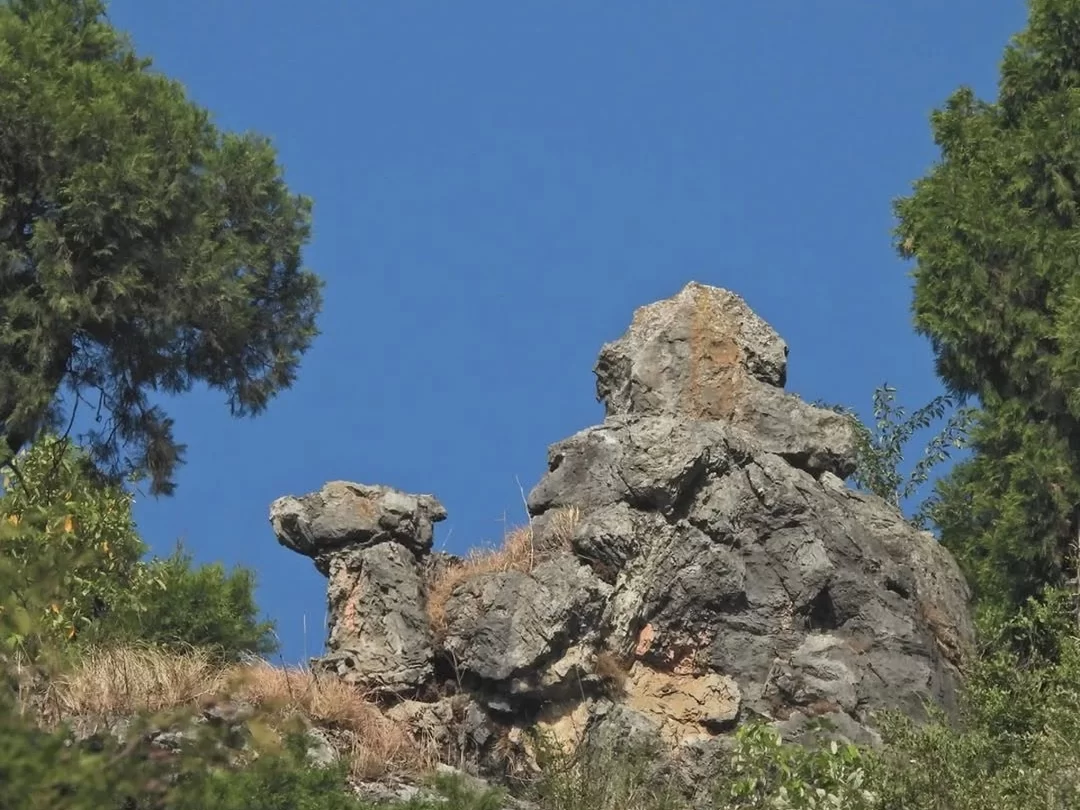
What makes Camel’s Back Road special is its combination of accessibility, natural beauty, and iconic landmarks. The camel-shaped rock formation adds character and makes it a unique viewpoint for photography. Its mostly flat, pedestrian-friendly path ensures visitors of all ages can enjoy the walk, making it ideal for families, fitness enthusiasts, and nature lovers looking for a tranquil experience in the heart of Mussoorie.
Camel’s Back Road was developed during the British colonial era as part of Mussoorie’s network of ridge roads, designed to provide scenic walking routes and viewpoints for residents and visitors. Its name comes from a distinctive rock formation that resembles the hump of a camel, which has become a natural landmark and a reference point for locals and tourists alike.
Over the years, the trail has remained mostly unchanged, retaining its natural charm and pedestrian-friendly layout. The road has become a popular spot for morning walkers, joggers, and tourists seeking panoramic views of the Doon Valley, while small additions like benches, signposts, and refreshment stalls have enhanced visitor convenience without affecting the trail’s scenic and tranquil character.
Camel’s Back Road continues to be an essential part of Mussoorie’s recreational offerings, combining natural beauty, easy accessibility, and historical significance as a colonial-era promenade with minimal development and unspoiled landscapes.
The best time to visit Camel’s Back Road is from March to June and September to November when Mussoorie experiences pleasant weather, making walking and sightseeing comfortable. Early mornings provide clear views, cool temperatures, and fewer visitors, while late afternoons are ideal for sunset photography and enjoying the panoramic vistas of the Doon Valley.
Monsoon months (July to August) bring occasional heavy rainfall, which can make sections of the trail slippery and less suitable for casual walks. Winter (December to February) is colder, and while the trail remains accessible, warm clothing is recommended for a comfortable visit.
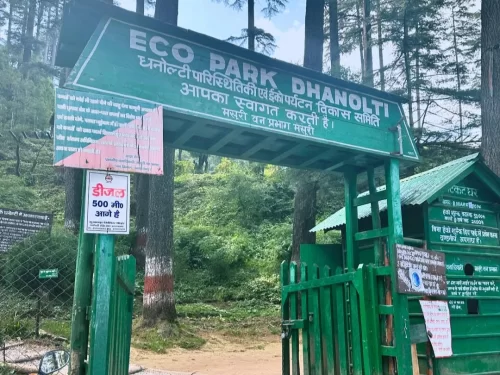 Garden
Dhanaulti Eco Park is a forest-based recreational park located in Dhanaulti, Uttarakhand, India.
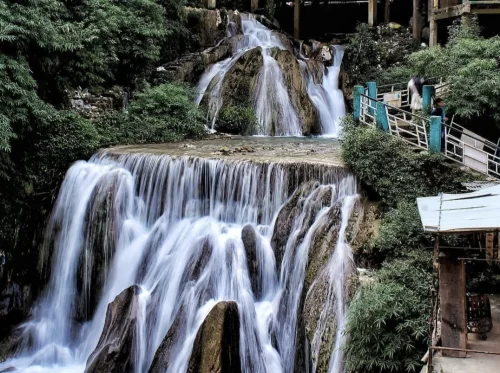 Waterfall
Kempty Falls is a waterfall located on the Mussoorie–Dehradun road in Uttarakhand, India.
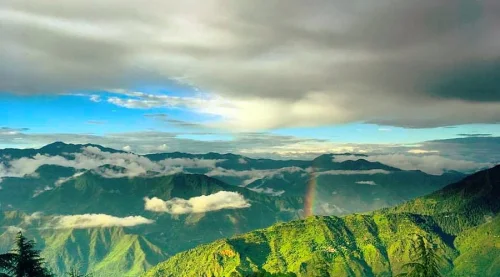 Viewpoint
Lal Tibba is the highest point in Mussoorie, offering panoramic views of the surrounding Himalayan ranges.
Get customized Uttarakhand tour planning designed around seasonal weather changes, hill road travel timing, pilgrimage flow, and comfort-based pacing. Whether you are visiting for spiritual journeys, Himalayan views, wildlife reserves, river valleys, or p
⚡ Quick Response | 💰 Free consultation | 🕒 24×7 expert support

