Benog Wildlife Sanctuary Mussoorie Travel Guide Flora, Fauna, and Nature Trails

Benog Wildlife Sanctuary , Mussoorie
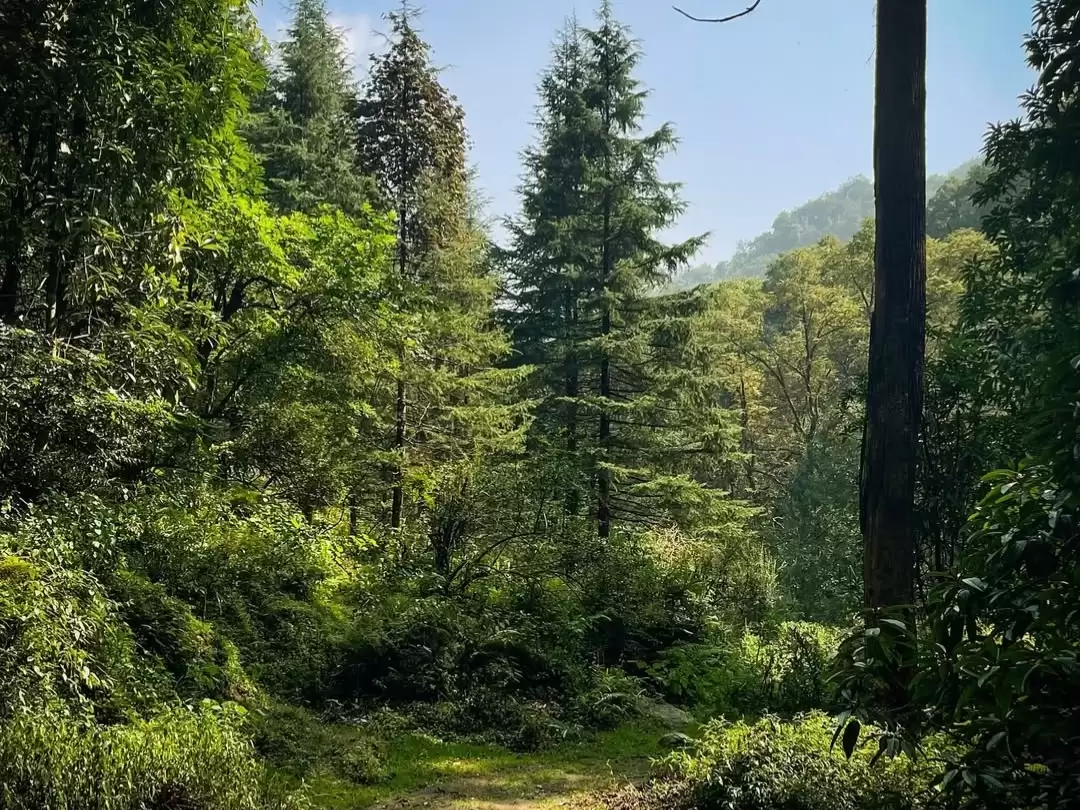
Benog Wildlife Sanctuary, located about 8 km from central Mussoorie, is a dense forest reserve known for its Himalayan flora and fauna. The sanctuary is part of the Mussoorie Reserve Forest and provides a quiet, natural environment for nature enthusiasts, bird watchers, and casual hikers. Visitors can explore several marked trails, spot native birds and small mammals, and enjoy panoramic views of surrounding hills and valleys. Facilities are minimal to preserve the natural habitat, so visitors should carry water, snacks, and basic essentials. The sanctuary is less crowded than central Mussoorie attractions, making it ideal for a peaceful escape into nature. Some trails are moderately challenging, so suitable footwear and preparation are recommended.

Quick Facts About Benog Wildlife Sanctuary

Entry Fee Free
Timings 06:00 - 17:00
Altitude (m) 2100
Ideal Visit Duration (hrs) 4
Best Time of Day Morning
Crowd Level Moderate
Distance from City Centre (km) 8
Walking Difficulty Moderate
Parking Available No
Last Mile Access Walk
Suitable for Kids Yes
Suitable for Seniors No
Wheelchair Friendly No

Why Visit Benog Wildlife Sanctuary Mussoorie

Benog Wildlife Sanctuary is a haven for nature lovers and wildlife enthusiasts seeking a quiet escape from Mussoorie’s busy town center. The sanctuary’s dense forests, scenic trails, and biodiversity provide a unique opportunity to experience the Himalayan ecosystem up close.

The atmosphere is serene and refreshing, with chirping birds, rustling leaves, and occasional sightings of small mammals adding to the immersive natural experience. The peaceful environment is ideal for bird watching, nature walks, and photography without the distractions of crowded tourist spots.

What makes Benog Wildlife Sanctuary special is its relatively untouched forest landscape and the variety of flora and fauna it supports. Visitors can explore marked trails that offer varying levels of difficulty, vantage points for panoramic views of the valley, and chances to observe local wildlife in their natural habitat. The sanctuary’s combination of accessibility, scenic beauty, and biodiversity makes it a must-visit for anyone interested in nature and outdoor activities.

Background and Conservation

Benog Wildlife Sanctuary is part of the Mussoorie Reserve Forest, established to protect the rich Himalayan biodiversity in the region. The sanctuary covers dense forest areas that are home to native trees, shrubs, and a variety of wildlife, including birds, small mammals, and reptiles.

The sanctuary has been preserved to maintain ecological balance and prevent urban encroachment. Trails and access points are carefully managed to minimize human impact while allowing visitors to experience the forest environment. Though it does not have specific historical or religious significance, its importance lies in conservation and providing a natural habitat for local wildlife.

Best Time to Visit Benog Wildlife Sanctuary Mussoorie

The best time to explore Benog Wildlife Sanctuary is from March to June and September to November when the weather is mild and the forest trails are comfortable for walking. These months also provide optimal conditions for bird watching and wildlife spotting.

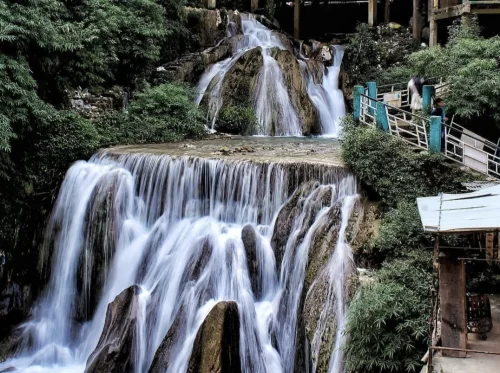
Monsoon season (July to August) enhances the greenery and waterfall streams within the sanctuary but trails may become slippery and challenging. Winter months (December to February) are cold, and while the forest is less crowded, proper warm clothing is recommended.
  • March to June and September to November for pleasant weather and lush forest scenery
  • Early mornings (6:00 AM – 9:00 AM) for bird watching and wildlife activity
  • Late afternoons for peaceful walks and photography with softer light
  • Monsoon months for vibrant greenery, but caution required on slippery trails
  • Winter months for a quiet forest experience, with low visitor numbers

How to Reach Benog Wildlife Sanctuary Mussoorie

  • By Air: The nearest airport is Jolly Grant Airport in Dehradun, approximately 35 km from Mussoorie. From the airport, visitors can hire a taxi or cab to Mussoorie, followed by local transport or private vehicle to the sanctuary entrance.
  • By Train: Dehradun Railway Station is the closest railhead, around 34 km from Mussoorie. From the station, taxis, shared cabs, or private vehicles can reach Mussoorie and then the sanctuary.
  • By Road: Mussoorie is connected via NH7 and local hill roads. Private cars, buses, and shared taxis can reach the outskirts of Mussoorie, with the sanctuary accessible via a short drive along forested roads.
  • Local Transport: Auto rickshaws, shared taxis, and private cabs from Mussoorie town or Mall Road can take visitors close to the sanctuary entrance.
  • Last Mile Access: A short walk along marked forest trails from the parking area leads to the main parts of the sanctuary. Some paths include uneven terrain and slight inclines.
  • Driving Tip: Roads to the sanctuary are narrow and winding; early arrival is recommended to secure parking and avoid congestion, especially on weekends and holidays.

What to Expect When You Visit Benog Wildlife Sanctuary Mussoorie

  • Dense forest trails with rich Himalayan flora, including pine, oak, and rhododendron trees, providing a natural canopy and scenic walks.
  • Opportunities to spot native wildlife such as Himalayan squirrels, small mammals, and a variety of bird species, making it ideal for nature enthusiasts and bird watchers.
  • Moderate walking trails with uneven terrain, inclines, and rocky patches; suitable for casual hikers with proper footwear.
  • Low to moderate crowds, offering a peaceful and immersive forest experience away from the busy tourist areas of Mussoorie.
  • Photography opportunities along forest trails, clearings, and natural viewpoints overlooking valleys and distant hills.
  • Minimal facilities; visitors should carry water, snacks, and essential supplies for comfort during the walk.
  • Quiet and serene environment, perfect for meditation, nature walks, and reconnecting with the outdoors.
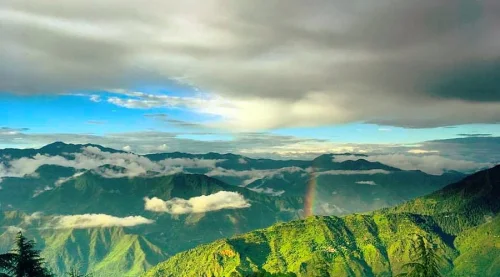
  • Some trails offer panoramic viewpoints of the Doon Valley and surrounding Himalayan foothills.
  • Suitable for families with children and adults, though supervision is needed due to uneven paths.

Important Visitor Information

  • Crowd & Weather Notes: Benog Wildlife Sanctuary experiences low to moderate visitor traffic. Weekends and holidays see a slight increase. Spring and autumn provide mild weather and vibrant greenery, while monsoon may make trails slippery. Winters are cold but less crowded.
  • Peak Hours: 9:00 AM to 3:00 PM when most visitors explore the forest trails and wildlife areas.
  • Quiet Hours: Early morning (6:00 AM – 9:00 AM) is the best time for bird watching and peaceful walks.
  • Dress Code: Comfortable walking shoes, casual attire, and warm layers in winter. Rainproof gear recommended during monsoon season.
  • Safety Notes: Stay on marked trails, supervise children, avoid touching or disturbing wildlife, and carry water and basic first aid. Slippery paths during rains require extra caution.

Photography and Viewpoint

  • Forest Trails: The sanctuary’s dense forest provides beautiful natural framing for photography, with sun-dappled paths and rich greenery throughout the year.
  • Wildlife Shots: Bird watchers can capture Himalayan bird species in their natural habitat. Occasional sightings of squirrels and small mammals add variety to nature photography.
  • Panoramic Views: Elevated points along certain trails offer sweeping views of the Doon Valley and surrounding hills, ideal for wide-angle landscape shots.
  • Lighting: Early mornings offer soft, diffused sunlight for natural, vibrant photos, while late afternoons give golden-hour hues perfect for atmospheric shots.
  • Close-Up Nature Photography: Flowers, moss-covered rocks, and forest floor details provide opportunities for macro photography enthusiasts.
  • Visitor Etiquette: Maintain a respectful distance from wildlife and avoid stepping off trails to preserve both safety and the natural environment.
  • Equipment Tips: Smartphones, DSLRs, or mirrorless cameras are suitable. Lightweight tripods can help with low-light shots along shaded forest paths.
  • Viewpoints: Natural clearings and minor elevation points along trails serve as ideal photo spots for capturing both the forest and distant valley scenery.

Near By Attraction

Tibetan Buddhist Temple in Mussoorie, Uttarakhand featuring colorful traditional architecture and prayer motifs, a peaceful spiritual attraction included in Uttarakhand tour packages Temple

Tibetan Buddhist Temple

The Tibetan Buddhist Temple is a place of worship located near Happy Valley in Mussoorie, Dehradun district, Uttarakhand, India.

Gun Hill in Mussoorie, Uttarakhand with red cable car rides ascending the rocky hillside, a popular viewpoint included in Uttarakhand tour packages Viewpoint

Gun Hill

Gun Hill is a prominent hilltop viewpoint located above Mall Road in Mussoorie, Dehradun district, Uttarakhand, India.

George Everest House in Mussoorie, Uttarakhand perched on a scenic hilltop overlooking lush valleys, a historic colonial landmark featured in Uttarakhand tour packages Tourist Attraction

George Everest House

George Everest House is a 19th-century colonial-era residence and survey office located in Park Estate, west of Mussoorie town in Dehradun district, Uttarakhand, India.

Frequently Asked Questions About Benog Wildlife Sanctuary

Benog Wildlife Sanctuary is located near Mussoorie in Uttarakhand, situated along the Mussoorie Chakrata road within the Rajaji National Park region.
Visitors can reach Benog Wildlife Sanctuary by road from Mussoorie in Uttarakhand, followed by entry through designated forest gates.
Benog Wildlife Sanctuary is generally open during daylight hours, typically from morning until late afternoon, as per forest department guidelines in Uttarakhand.
An entry fee is charged to visit Benog Wildlife Sanctuary, and rates may vary for Indian and foreign visitors as per Uttarakhand forest regulations.
The best time to visit Benog Wildlife Sanctuary is between March and June and September to November when the weather in Uttarakhand is suitable for nature walks.
Most travelers spend about 2 to 4 hours at Benog Wildlife Sanctuary exploring walking trails and enjoying panoramic views of the Himalayan foothills.
Light trekking and nature walks are required inside Benog Wildlife Sanctuary, as visitors explore forest trails and viewpoints on foot.
Food stalls and restroom facilities are not available inside Benog Wildlife Sanctuary, so visitors should carry water and essentials from Mussoorie in Uttarakhand.
Benog Wildlife Sanctuary is suitable for family visits with older children, though proper footwear and supervision are recommended on forest trails.
Benog Wildlife Sanctuary is commonly visited along with Mussoorie attractions such as Cloud End and Company Garden as part of a combined sightseeing plan in Uttarakhand.

Loved this place ? Let’s Plan Your Uttarakhand Trip

Get customized Uttarakhand tour planning designed around seasonal weather changes, hill road travel timing, pilgrimage flow, and comfort-based pacing. Whether you are visiting for spiritual journeys, Himalayan views, wildlife reserves, river valleys, or p

⚑ Quick Response | πŸ’° Free consultation | πŸ•’ 24Γ—7 expert support

×

Plan Your Trip