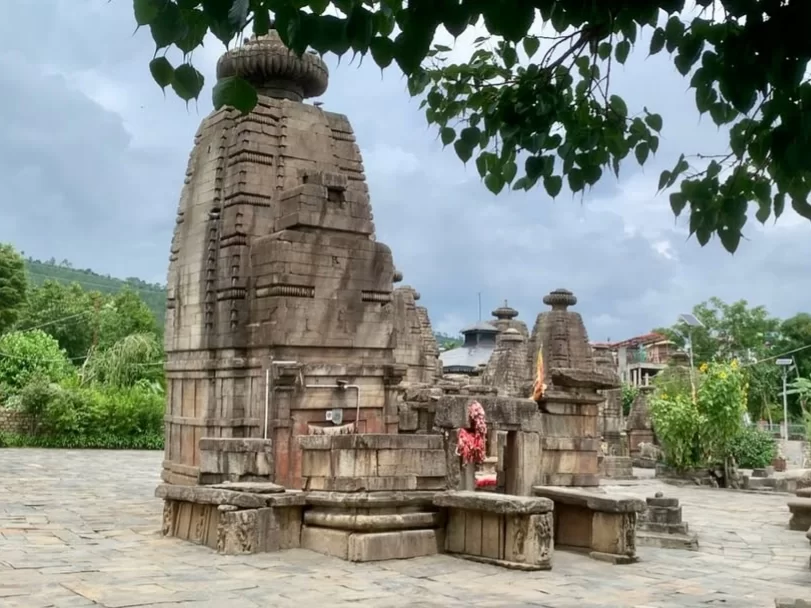
Baijnath Temple Complex, Uttarakhand, India

Baijnath Temple Complex , Baijnath
Visitors come to see the 12th–13th century stone temples built by the Katyuri dynasty along the Gomti River. The complex features Nagara-style architecture, carved stone idols, and a riverside setting, and remains an active place of worship.

Quick Facts About Baijnath Temple Complex

Entry Fee Free
Timings 06:00 - 19:00
Altitude (m) 1125
Ideal Visit Duration (hrs) 1
Best Time of Day Morning
Crowd Level Moderate
Distance from Bageshwar (km) 20
Walking Difficulty Easy
Parking Available Yes
Last Mile Access Road
Suitable for Kids Yes
Suitable for Seniors Yes
Wheelchair Friendly No

Why Visit Baijnath Temple, Uttarakhand

Baijnath Temple in Uttarakhand attracts visitors for its cluster of stone temples dedicated to Lord Shiva, located along the banks of the Gomti River in the Bageshwar district. Travelers interested in heritage architecture and quieter pilgrimage sites visit to see the well-preserved stone carvings and riverfront setting.

The atmosphere at Baijnath is calm and less crowded compared to larger Himalayan shrines. The temple complex sits in an open valley with mountain views in the distance, and visitors can walk freely around the group of shrines, observing sculpted details and the riverside environment.

What makes Baijnath distinct is its compact temple cluster layout combined with its scenic riverbank location. Unlike single-structure hilltop temples, it offers a cohesive architectural group within a rural Himalayan landscape, making it suitable for travelers seeking both cultural context and a peaceful setting.

History of Baijnath Temple, Uttarakhand

Baijnath Temple is a medieval temple complex located in the Bageshwar district of Uttarakhand, situated along the banks of the Gomti River in the Kumaon region. The main temple is dedicated to Lord Shiva as Vaidyanath (Baijnath) and dates to the 12th century CE, constructed during the rule of the Katyuri dynasty, which governed parts of Kumaon in the early medieval period.

The complex originally comprised several stone temples built in the Nagara style of North Indian temple architecture. The surviving structures feature carved stone doorways, sculpted panels, and a sanctum housing a Shiva Lingam. An important idol of Goddess Parvati carved in black stone is also preserved within the complex, reflecting the artistic workmanship of the Katyuri era.

Baijnath Temple remains an active place of worship and is protected as a heritage monument. Its historical importance lies in representing the architectural and religious legacy of the Katyuri rulers, who established the site as a significant Shaivite center in the Kumaon Himalayas.

Best Time to Visit – Baijnath Uttarakhand

Baijnath in Uttarakhand, known for its ancient temple complex on the banks of the Gomti River in Bageshwar district, is best visited when hill weather is clear and road conditions are stable, as monsoon rains and winter chill can affect comfort.

  • Ideal months: March to June and October to November provide the most comfortable and reliable travel conditions.
  • Weather during the best season: Spring and early summer bring mild temperatures (approximately 12–28°C), clear skies, and pleasant conditions for exploring the stone temple complex and riverbank area. Autumn offers crisp air and improved Himalayan visibility after the monsoon season.
  • Periods to avoid (and why): July to September sees monsoon rainfall in the Kumaon region, which can cause slippery pathways near the river and occasional road disruptions in hilly stretches. December to February can be quite cold, with chilly mornings and occasional frost, reducing comfort for early temple visits.

How to Reach Baijnath Uttarakhand

  • Nearest Airport: Pantnagar Airport (approximately 180 km from Baijnath). The airport has limited domestic connectivity. From Pantnagar, taxis to Baijnath via Almora or Bageshwar typically take 6–7 hours depending on hill road conditions. Indira Gandhi International Airport, Delhi (around 460 km away), is commonly used for wider connectivity, followed by a 10–12 hour road journey.
  • Nearest Railway Station: Kathgodam Railway Station (approximately 150–160 km from Baijnath) is the nearest major railhead with regular train services from Delhi and other North Indian cities. From Kathgodam, shared taxis and private cabs to Bageshwar/Baijnath operate daily and take around 5–6 hours via the hill route.
  • Road Access & Last-Mile Connectivity: Baijnath (near the Baijnath Temple complex) is located about 20 km from Bageshwar on the Bageshwar–Garur route in Kumaon. It is directly accessible by road via Almora or Bageshwar. Private vehicles, taxis, and Uttarakhand state buses operate to Baijnath town. Parking is available near the temple area, followed by a short walk to the temple complex. Roads are winding and may experience landslides during the monsoon season or fog during winter months.

What to Expect When You Visit Baijnath Temple Uttarakhand

  • Environment and Surroundings: Baijnath Temple is located in Baijnath town of Bageshwar district, Uttarakhand, on the banks of the Gomti River. The temple complex sits in a quiet valley setting surrounded by low hills and agricultural fields. Built in stone, the main temple and subsidiary shrines form a compact cluster near the riverbank. The atmosphere is generally peaceful, with flowing river sounds in the background. During winter (December to February), mornings can be cold and misty, while monsoon (July to September) brings increased river flow and wet stone surfaces.
  • Facilities and Amenities: Basic facilities such as small shops selling prasad and flowers are available near the entrance. Public toilet facilities are limited and simple. Seating arrangements inside the temple complex are minimal, and there are no large dining facilities within the immediate premises. Drinking water availability may be limited, so carrying water is advisable. Waste disposal facilities are basic.
  • Accessibility and Movement: The temple is directly accessible by motorable road and lies approximately 20 km from Bageshwar and around 70 km from Almora. Parking is available near the temple complex. Movement within the site involves walking on stone-paved surfaces, which can be uneven and slippery during rain. A few steps lead into the main shrine area. Footwear must be removed before entering the temple.
  • Typical Visitor Behavior and Conditions: The temple attracts local devotees and heritage visitors, with moderate footfall throughout the year. Crowds increase during Shivratri and other major Hindu festivals. On regular days, visitors typically spend 30–45 minutes exploring the temple cluster and riverbank area. The site generally remains less crowded compared to larger pilgrimage centers in Uttarakhand.

Important Visitor Information – Baijnath Temple Uttarakhand

  • Crowd & Weather Notes: Baijnath Temple receives steady visitors year-round, with higher footfall during Maha Shivratri and the Shravan month (July–August). Summers (April to June) are pleasant and suitable for exploration, while winters (December to February) can be cold in the mornings. During monsoon (July to September), the Gomti River flows strongly and stone pathways may remain damp.
  • Peak / Quiet Hours: Morning darshan hours between 8:00 AM and 11:00 AM are generally busier, especially on Mondays. Weekday afternoons outside festival periods are comparatively quieter.
  • Dress Code: Modest attire is expected inside the temple complex. Footwear must be removed before entering the shrine area. Conservative clothing covering shoulders and knees is advisable.
  • Safety Notes: The temple complex is an ASI-protected heritage site with uneven stone floors and steps; visitors should move carefully, particularly during monsoon when surfaces can be slippery. The site is located along the Gomti River bank; visitors should avoid stepping onto wet rocks near the water. Basic facilities are available in the nearby market area.

Photography and Viewpoints – Baijnath Temple, Uttarakhand

  • Best viewpoints/angles: The temple cluster is best captured from across the Gomti River bank, allowing a full frame of the stone shikharas reflected in calm water; within the complex, slight diagonal angles along the stone pathway highlight the alignment of subsidiary shrines; close-range compositions of the carved doorway and stone idols work well in natural light.
  • Lighting & time-of-day: Early morning offers softer illumination on the grey stone structures and clearer Himalayan foothill backdrops; late afternoon enhances surface textures with angled light; overcast conditions reduce harsh shadows and are useful for evenly lit architectural shots.
  • Rules/restrictions: Photography is generally permitted in the outer temple complex, but avoid photographing inside the sanctum (garbhagriha); flash photography near the deity is discouraged; as a protected heritage site, do not climb on temple structures or disturb carvings; drone use may require prior administrative permission.
  • Crowd & access factors: The complex is relatively peaceful compared to larger pilgrimage sites, allowing uninterrupted compositions on most weekdays; Mahashivratri and local festivals increase footfall; stone surfaces near the riverbank can be uneven and slippery during monsoon.

Near By Attraction

Frequently Asked Questions About Baijnath Temple Complex

Baijnath Temple Complex is located in Baijnath town near Bageshwar in Uttarakhand, situated along the banks of the Gomti River.
Baijnath Temple Complex is generally open from early morning around 6 am until evening around 7 pm. Timings may vary slightly during special religious occasions in Uttarakhand.
There is no entry fee to visit Baijnath Temple Complex. Visitors can enter freely and may offer donations inside the temple premises.
Visitors can reach Baijnath Temple Complex by road from Bageshwar or Kausani in Uttarakhand. The nearest railway station is Kathgodam, and Pantnagar Airport is the closest airport.
The best time to visit Baijnath Temple Complex is between March and June and September to November when the weather in Uttarakhand is pleasant for sightseeing.
Most travelers spend about 45 minutes to 1.5 hours exploring Baijnath Temple Complex and the surrounding river area.
Baijnath Temple Complex becomes more crowded during Maha Shivratri and other major Hindu festivals. Regular weekdays are usually quieter for visitors.
Photography is generally allowed in the outer areas of Baijnath Temple Complex but may be restricted inside the main shrine. Visitors should follow posted guidelines.
Basic food stalls and small restaurants are available near Baijnath Temple Complex in Baijnath town, Uttarakhand. Restroom facilities are limited but accessible nearby.
Baijnath Temple Complex is suitable for senior citizens as the temple grounds are mostly level. Visitors should take care on stone steps near the riverbank.

Loved this place ? Let’s Plan Your Uttarakhand Trip

Get customized Uttarakhand tour planning designed around seasonal weather changes, hill road travel timing, pilgrimage flow, and comfort-based pacing. Whether you are visiting for spiritual journeys, Himalayan views, wildlife reserves, river valleys, or p

⚡ Quick Response | 💰 Free consultation | 🕒 24×7 expert support

×

Plan Your Trip