Bagnath Temple, Bageshwar, Uttarakhand, India

Bagnath Temple, Bageshwar , Kausani
The temple is an important pilgrimage site in the Kumaon region and is known for its traditional North Indian temple architecture, historical significance, and religious festivals. Visitors come to offer prayers, explore the temple complex, and experience the spiritual atmosphere along the riverbanks.

Quick Facts About Bagnath Temple, Bageshwar

Bagnath Temple, Bageshwar Quick Facts

Entry Fee Free
Timings Generally 5:00 AM–8:00 PM; timings may vary during festivals and special religious occasions.
Altitude (m) Approximately 1,004 m
Ideal Visit Duration 45 minutes–1.5 hours
Best Time of Day Early morning for peaceful darshan or evening during the aarti.
Crowd Level Moderate on most days; very crowded during Mahashivratri and the Uttarayani Fair.
Distance from City Centre (km) Approximately 0.5 km (located in central Bageshwar).
Walking Difficulty Easy; the temple is accessible via a short, level walk from nearby roads and parking areas.
Parking Available Yes, limited public parking is available near the temple complex.
Last Mile Access Accessible by motorable road followed by a short walk through the temple approach and ghat area.
Suitable for Kids Yes
Suitable for Seniors Yes, with minimal walking required; extra care is advised around the riverfront steps.
Wheelchair Friendly Partially; the temple approach is accessible, but some sections and surrounding ghats include steps.

Why Visit Bagnath Temple Bageshwar, Uttarakhand

Visitors come to Bagnath Temple to offer prayers to Lord Shiva and to experience one of the most important pilgrimage sites in the Kumaon region. The temple is also known for its location at the confluence of the Saryu and Gomti rivers, making it a significant destination for both devotees and travelers.

The temple complex has a peaceful atmosphere, with the sound of temple bells, regular worship rituals, and pilgrims visiting throughout the day. The riverside setting and surrounding hills create a calm environment, while local markets near the entrance add to the everyday character of the town.

What makes Bagnath Temple distinct is its blend of religious importance, traditional Kumaoni stone architecture, and its setting within the historic town of Bageshwar. The temple serves as both a living place of worship and a convenient starting point for exploring the cultural and spiritual heritage of the region.

History of Bagnath Temple, Bageshwar, Uttarakhand

Bagnath Temple is one of the oldest and most important Hindu temples in Bageshwar, Uttarakhand. Dedicated to Lord Shiva, the present stone temple was built in 1602 CE by Kumaon ruler Raja Laxmi Chand. It stands at the confluence of the Saryu and Gomti rivers, a site that has long been regarded as sacred by devotees.

The temple's religious significance is closely associated with the legend that Lord Shiva appeared here in the form of a tiger (Bagh), giving the town its name, Bageshwar, meaning "Lord of the Tiger." This tradition has made the temple an important center of Shaivism in the Kumaon region for centuries.

Bagnath Temple continues to be a major pilgrimage destination, especially during the annual Uttarayani Fair held every January. Along with its historical architecture and riverside setting, the temple remains an active place of worship and an important part of Bageshwar's cultural and religious heritage.

Best Time to Visit Bagnath Temple, Bageshwar, Uttarakhand

The best time to visit Bagnath Temple is from October to April, when the weather is pleasant for exploring the temple complex and the confluence of the Saryu and Gomti rivers. The temple is open throughout the year, with special significance during major Hindu festivals.

  • Ideal months: October to April for comfortable sightseeing, along with January during the Uttarayani Fair for those wishing to experience the temple's cultural and religious atmosphere.
  • Best season conditions: Cool and generally dry weather makes it easier to explore the temple premises, nearby ghats, and the town of Bageshwar.
  • Periods to avoid: July to September if possible, as the monsoon can bring heavy rainfall, slippery pathways, and occasional travel disruptions on mountain roads.

How to Reach Bagnath Temple, Bageshwar

  • Nearest Airport: The nearest airport is Pantnagar Airport, approximately 185 km from Bagnath Temple. From the airport, taxis are available to Bageshwar, though travel involves several hours on hilly roads.
  • Nearest Railway Station: Kathgodam Railway Station, about 150 km away, is the nearest major railhead. Regular trains connect Kathgodam with Delhi and other cities, and buses and taxis are available for the onward journey to Bageshwar.
  • By Road: Bagnath Temple is located in the heart of Bageshwar town at the confluence of the Saryu and Gomti rivers. Bageshwar is well connected by road with Almora, Kausani, Ranikhet, Pithoragarh, and Haldwani through Uttarakhand State Road Transport buses and private taxis. The temple is easily accessible on foot from the town centre, and parking is available within walking distance.

What to Expect When You Visit Bagnath Temple, Bageshwar, Uttarakhand

  • Bagnath Temple stands at the confluence of the Saryu and Gomti rivers in the center of Bageshwar town. The surroundings include temple courtyards, river ghats, and nearby local markets.
  • The temple is an active place of worship dedicated to Lord Shiva. Visitors can expect regular prayers, devotees offering worship, and priests conducting religious rituals throughout the day.
  • The temple complex is mostly level and can be explored on foot. Access is straightforward from the town, though parking may require a short walk, especially during busy periods.
  • Basic visitor facilities such as drinking water, restrooms in the surrounding town, parking areas, shops selling flowers and ???? items, and local eateries are available within walking distance of the temple.
  • Footwear must be removed before entering the main shrine. Visitors are expected to dress modestly, maintain a respectful atmosphere, and avoid disturbing ongoing religious ceremonies.
  • The stone temple architecture and riverside setting make the complex a peaceful place for both worship and sightseeing. Seating inside the temple premises is limited.
  • During Shivratri, Uttarayani Fair, Mondays, and other major Hindu festivals, the temple receives large crowds, resulting in longer waiting times for darshan and increased activity around the entrance and ghats.
  • The temple remains accessible throughout the year, but caution is advised on the riverfront steps during the monsoon season, as they may become wet and slippery.

Important Visitor Information for Bagnath Temple, Bageshwar

  • Crowd and weather: The temple receives the largest crowds during Mahashivratri and the annual Uttarayani Fair held around Makar Sankranti. Outside festival periods, it is generally peaceful, though weekends and Mondays see higher pilgrim numbers. Winter mornings can be cold, while the monsoon may make the temple surroundings and nearby riverfront slippery.
  • Peak and quiet visiting hours: Early morning is ideal for a calm darshan before the main rush begins. Mid-morning, evenings, Mondays, and festival days are usually the busiest times due to regular worship and aarti.
  • Dress code: Bagnath Temple is an active Hindu shrine dedicated to Lord Shiva. Visitors are expected to wear modest clothing suitable for a place of worship, and footwear must be removed before entering the temple premises.
  • Safety and practical cautions: The temple stands at the confluence of the Saryu and Gomti rivers. Exercise caution near the riverbanks, especially during the monsoon or periods of high water flow. During major festivals, expect queues and allow extra time for darshan.

Photography and Viewpoints at Bagnath Temple, Bageshwar, Uttarakhand

  • The best photographs are taken from the open courtyard, where the stone temple, traditional Himalayan architecture, and surrounding mountain backdrop can be captured together.
  • The confluence of the Saryu and Gomti rivers near the temple provides a scenic viewpoint for wider landscape shots that include the temple complex and riverside setting.
  • Early morning offers soft natural light and fewer visitors, while the warm light before sunset highlights the stone carvings and temple shikhara without harsh shadows.
  • Photography is generally permitted in the temple courtyard and surrounding areas, but visitors should avoid taking photographs inside the sanctum (garbhagriha) or during rituals if restricted by temple authorities.
  • During festivals such as Uttarayani Mela and on Mahashivratri, the temple becomes crowded, making wide-angle photography more challenging but providing opportunities to capture the vibrant religious atmosphere from the outer courtyard.

Near By Attraction

Kausani View Point featuring panoramic Himalayan peaks, open terrace seating, and stunning mountain backdrop, perfect Uttarakhand tour package experience. Viewpoint

Kausani View Point

Kausani View Point is a scenic observation point in Kausani, Uttarakhand, offering panoramic views of the central Himalayan mountain range.
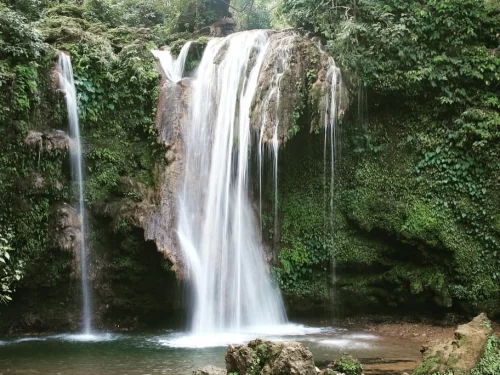
Rudradhari Waterfall Kausani lush green forested multi-tiered cascade into plunge pool rocky base tropical foliage, perfect trekking nature spot near Shiva cave temple, Uttarakhand tour packages. Waterfall

Rudradhari Falls

Rudradhari Falls is a stunning waterfall surrounded by lush forests and rocky terrain, offering a mix of natural beauty and spiritual significance.
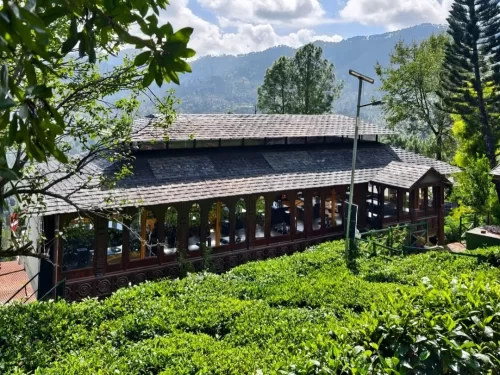
Kausani Tea Estate wooden sloped roof cafe restaurant with large windows overlooking lush green tea gardens pine mountains cloudy sky, perfect tea tasting viewpoint, Uttarakhand hill station tour packages. Tea Estate

Kausani Tea Estate

Kausani Tea Estate is a picturesque tea plantation offering serene landscapes, panoramic Himalayan views, and a glimpse into traditional tea cultivation.

Frequently Asked Questions About Bagnath Temple, Bageshwar

This temple is one of the most respected Shiva temples in the Himalayan region and attracts pilgrims seeking blessings, spiritual peace, and traditional worship. Visitors also appreciate its historic stone architecture, riverside setting, and the calm atmosphere that creates a memorable religious experience.
The most comfortable time to visit is from March to June and again from September to November when the weather is pleasant for sightseeing and temple visits. Early morning usually offers a quieter atmosphere with fewer visitors.
Most visitors spend one to two hours offering prayers, admiring the temple architecture, walking around the surrounding area, and enjoying the peaceful riverside environment without feeling rushed.
General entry is usually free for everyone. Visitors may choose to make voluntary donations or purchase prayer offerings according to their personal beliefs, but there is normally no compulsory admission charge.
Parking facilities are available near the temple area, although spaces may become limited during weekends, festivals, and important religious occasions. Arriving earlier in the day usually makes parking easier.
The temple is well connected by road and can be reached comfortably by buses, taxis, shared vehicles, or private cars. The final approach is short and suitable for most visitors throughout the year.
Yes the temple is suitable for families, children, and most senior citizens because access is generally convenient. Visitors should still move carefully on steps and supervise children, especially during busy festival periods.
Some sections may be accessible, but steps and uneven surfaces can make movement difficult in certain areas. Visitors requiring mobility assistance are advised to travel with a companion whenever possible.
Photography is generally permitted in the outer temple areas where visitors can capture the architecture and nearby scenery. Photography inside the sanctum or during religious ceremonies may be restricted by temple authorities.
Comfortable footwear, drinking water, modest clothing, personal medicines, weather appropriate clothing, and some cash for offerings or refreshments are recommended for a comfortable and respectful visit.
Avoid making unnecessary noise, ignoring temple customs, taking photographs in restricted places, wearing inappropriate clothing, or leaving litter behind. Respectful behaviour helps maintain the peaceful atmosphere for all visitors.

Loved this place ? Let’s Plan Your Uttarakhand Trip

Get customized Uttarakhand tour planning designed around seasonal weather changes, hill road travel timing, pilgrimage flow, and comfort-based pacing. Whether you are visiting for spiritual journeys, Himalayan views, wildlife reserves, river valleys, or p

⚡ Quick Response | 💰 Free consultation | 🕒 24×7 expert support

×

Plan Your Trip
