Quick Facts About Artificial Lake
| Entry Fee | 50 |
| Timings | 08:00 - 18:00 |
| Altitude (m) | 500 |
| Ideal Visit Duration (hrs) | 2 |
| Best Time of Day | Morning |
| Crowd Level | Moderate |
| Distance from City Centre (km) | 2 |
| Walking Difficulty | Easy |
| Parking Available | Yes |
| Last Mile Access | Road |
| Suitable for Kids | Yes |
| Suitable for Seniors | Yes |
| Wheelchair Friendly | No |
Why Visit Artificial Lake
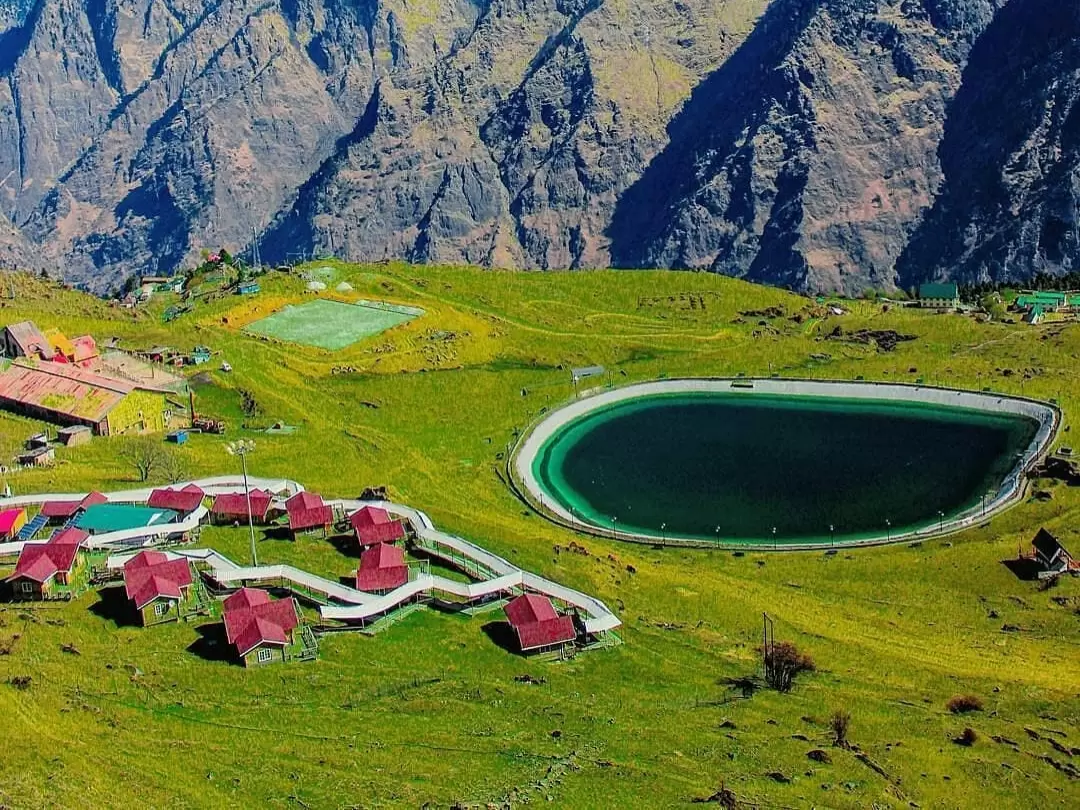
An Artificial Lake is a perfect destination for travelers looking for a peaceful natural escape within or near a city. These man-made lakes are designed to create a calm environment where visitors can relax, enjoy fresh air, and spend quality time with family or friends. Artificial lakes are often surrounded by landscaped gardens, walking tracks, seating areas, and scenic viewpoints, making them ideal for evening outings, picnics, and leisure tourism.
The atmosphere around an Artificial Lake is usually calm, refreshing, and family-friendly. The quiet water reflections, cool breeze, and open surroundings create a relaxing mood that feels soothing, especially after a busy day. Many artificial lakes also become popular for sunrise and sunset views, as the water and sky together create a beautiful natural scene. Visitors can often enjoy boating, small food stalls, and peaceful walking paths around the lake.
What makes an Artificial Lake special is its well-planned structure and easy accessibility. Unlike remote natural lakes that require trekking or long travel, artificial lakes are usually located close to towns and tourist areas, making them convenient for all age groups. They also offer clean surroundings, safe viewpoints, and well-maintained recreational facilities, making them a popular spot for photography, couples, families, and nature lovers.
Artificial Lake
An Artificial Lake is a man-made waterbody created by constructing dams, reservoirs, or excavated basins to store and manage water. These lakes are generally developed for practical purposes such as irrigation, drinking water supply, flood control, and hydroelectric projects. Over time, many artificial lakes also become popular tourist attractions due to their scenic surroundings and calm atmosphere.
In many regions, artificial lakes are designed as part of urban development projects to improve the environment, maintain groundwater levels, and provide recreational spaces for local communities. As these lakes grow in popularity, authorities often develop walking tracks, gardens, boating facilities, and viewing areas, turning them into leisure destinations for tourists and residents.
Today, artificial lakes are valued not only for their importance in water conservation but also for their tourism appeal. They serve as peaceful public spaces where visitors can enjoy nature views, relax near the water, and experience a well-maintained scenic spot without traveling far into remote areas.
Best Time to Visit Artificial Lake
The best time to visit an Artificial Lake is during the winter season (October to March), when the weather is pleasant and the surroundings feel fresh and comfortable. During these months, visitors can enjoy peaceful lake views, walking tracks, photography, and boating activities without heat or humidity. Winter evenings are especially perfect for families and couples, as the cool breeze around the lake makes the experience relaxing.
The summer season (April to June) can also be a good time to visit, especially in hill regions where temperatures remain moderate. However, in plains and city areas, summers may be hot during the afternoon, so visiting early morning or late evening is recommended.
The monsoon season (July to September) gives artificial lakes a beautiful green surrounding and full water levels, but heavy rains can make pathways slippery and outdoor activities limited. Some lakes may also restrict boating during monsoon for safety reasons.
- October to March: Best season for comfortable weather and sightseeing
- April to June: Best for evening visits and boating (avoid afternoon heat in plains)
- July to September: Scenic and green, but rain may disturb travel plans
- Best Time of Day: Early morning or sunset hours for the best views and photography
- Best Day to Visit: Weekdays are quieter; weekends are usually crowded
How to Reach Artificial Lake
- By Road: Most Artificial Lakes are well-connected by road as they are usually located near towns, cities, or popular tourist areas. Visitors can easily reach by private car, taxi, auto-rickshaw, or local bus. Roads are generally good and the lake location is often marked on Google Maps.
- By Local Transport: Local transport such as shared taxis, city buses, and auto-rickshaws are commonly available to reach an Artificial Lake, especially if it is developed as a tourist spot. Many lakes have regular transport connectivity from the main market area or bus stand.
- Nearest Railway Station: The nearest railway station depends on the city where the Artificial Lake is located. In most cases, the main railway station of the nearest town or city is the best option. From the station, you can hire a taxi or take local transport to the lake.
- Nearest Airport: If the Artificial Lake is located near a major tourist city, the nearest airport of that region can be used. After landing, travelers can reach the lake by taxi, cab, or bus depending on distance.
- Last Mile Connectivity: Artificial Lakes usually have direct road access up to the entry gate or parking area. Most visitors do not need trekking or long walking routes to reach the lake viewpoint.
- Parking Facility: Most Artificial Lakes have parking space available for cars and bikes. In popular lakes, parking may be paid and crowded during weekends.
- Travel Tip: For a better experience, visit early morning or evening to avoid traffic and enjoy the lake in peaceful weather conditions.
What to Expect When You Visit Artificial Lake
- Peaceful Water Views: An Artificial Lake offers calm and relaxing water views, making it a perfect spot for visitors who want a quiet break from city life. The lake surroundings often feel refreshing and soothing.
- Well-Maintained Walking Paths: Most artificial lakes are developed with proper walking tracks, seating areas, and landscaped gardens. Visitors can enjoy a comfortable stroll around the lake without difficult terrain.
- Boating and Leisure Activities: Many artificial lakes provide boating options such as paddle boats, row boats, or motor boats. These activities make the visit more enjoyable for families, couples, and children.
- Beautiful Sunset and Evening Atmosphere: Artificial lakes are especially popular during sunset. The sky reflection on the water creates a scenic view, and the cool evening breeze adds to the relaxing atmosphere.
- Picnic and Family-Friendly Environment: Artificial lakes are often designed as picnic spots with open areas, gardens, and seating zones. Visitors can expect a family-friendly environment suitable for kids and group outings.
- Photography Spots: Expect multiple photo-friendly locations such as lake viewpoints, garden corners, bridges, and open waterfront areas. The reflections and wide landscape make it ideal for travel photography.
- Food Stalls and Small Cafes: Many artificial lakes have local snack stalls or small eateries nearby offering tea, coffee, and fast food. However, options may be limited in less-developed areas.
- Moderate Crowd on Weekends: Artificial lakes are popular local attractions, so weekends and holidays can be crowded. Weekdays are usually quiet and better for peaceful sightseeing.
- Clean and Safe Tourist Area: Most artificial lakes are maintained by local authorities, so visitors can expect cleaner surroundings and safe walking areas compared to natural remote locations.
- Relaxing Overall Experience: Overall, visiting an Artificial Lake is a slow and refreshing experience, ideal for relaxing, spending quality time, and enjoying nature without long travel or trekking.
Important Visitor Information for Artificial Lake
- Crowd & Weather Notes: Artificial Lakes are usually popular local attractions, especially in the evening hours. The crowd level becomes high during weekends, holidays, and festival seasons. Weather plays an important role, as summer afternoons can be hot in plains, while winters are pleasant and comfortable for long walks.
- Peak / Quiet Hours: Peak crowd hours are generally from 4:00 PM to 7:00 PM, especially on weekends. Quiet hours are early morning between 6:00 AM to 9:00 AM when the lake surroundings are calm and ideal for photography and peaceful walks.
- Dress Code: Wear comfortable casual clothing and walking shoes. In summer, light cotton clothes are best. During winter evenings, carry a light jacket or warm layer, especially if the lake is located in a hill region.
- Safety Notes: Visitors should avoid going too close to the water edge, especially with children. Some lakes may not have proper fencing around all areas. Be careful during monsoon season as pathways can become slippery. If boating is available, always follow safety rules and wear a life jacket if provided.
- Boating Safety Tip: If boating is available, avoid overloading boats and follow instructions from staff. Boating may be stopped during heavy rain or strong winds for safety reasons.
- Night Visit Advice: Some artificial lakes close after sunset. Even if open, it is better to leave before late night as lighting may be limited in certain areas.
- Cleanliness Note: Artificial lakes are often maintained by local authorities, so visitors are advised to keep the area clean and avoid throwing plastic or waste into the water.
- Best Travel Tip: For the best experience, visit during winter evenings or early mornings when the weather is pleasant and the surroundings look most scenic.
Photography and Viewpoints in Artificial Lake
- Lake Reflection Photography: One of the best photography experiences at an Artificial Lake is capturing the reflection of the sky, trees, and surrounding landscape on the calm water surface. Early morning and sunset hours provide the most beautiful reflections.
- Sunset Viewpoint: Artificial lakes are popular for sunset views because the wide open horizon and water surface create a golden glow effect. The sunset time is considered the best moment for scenic photography and romantic views.
- Garden and Walking Track Views: Many artificial lakes are surrounded by landscaped gardens, walking tracks, and seating areas. These spots offer clean backgrounds and well-maintained scenery, perfect for family photos and travel reels.
- Boating Photography: If boating is available, you can expect amazing photo angles from the middle of the lake. Boating shots provide wide panoramic views and create a unique travel experience for couples and tourists.
- Bridge and Waterfront Shots: Some artificial lakes have small bridges, viewpoints, and waterfront railings that are perfect for capturing cinematic photos. These areas are ideal for solo portraits and group photography.
- Bird Photography: Many artificial lakes attract birds such as ducks, cranes, and local migratory birds, especially during winter. Visitors interested in wildlife photography can capture beautiful bird shots near the lake edges.
- Best Time for Photography: The best photography time is 6:00 AM to 9:00 AM and 4:30 PM to 7:00 PM, when lighting is soft and natural, and the lake looks most scenic.
- Night Photography (If Allowed): Some artificial lakes have decorative lighting and street lamps around the walking area. If the lake remains open in the evening, visitors can capture night photos with beautiful light reflections on the water.
- Best Viewpoint Spots: The best viewpoints are usually found near the main entry gate, boating point, garden side, and any elevated sitting area or railing viewpoint around the lake.
- Photography Tip: Carry a wide-angle lens or mobile camera with panorama mode to capture full lake views. For portraits, the lake background works best during golden hour for a professional travel look.