+91 9910402252
admin@chalbanjare.com



Dehradun to Dehradun
Customize
13 Days
Safe Travel
Flexible Cancellation
Easy EMI
Virtual Guide
24/7 Support
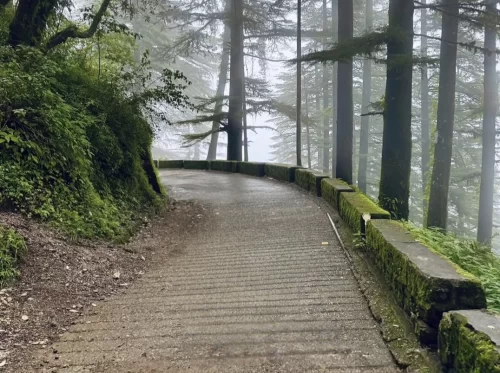
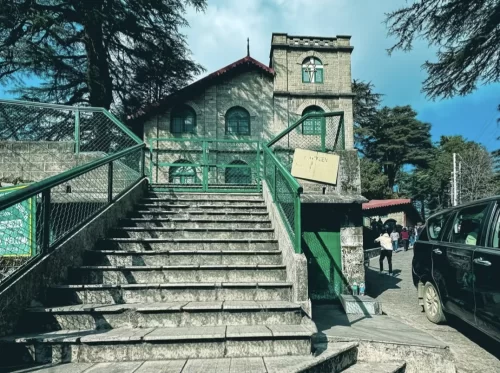
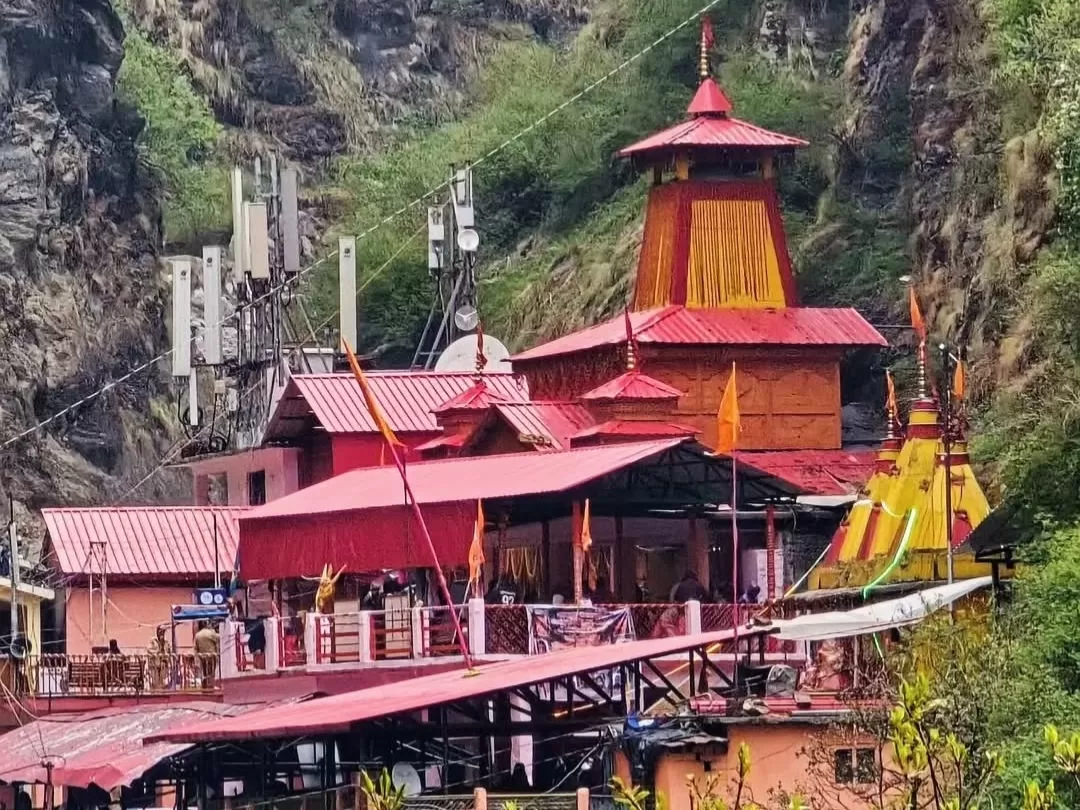
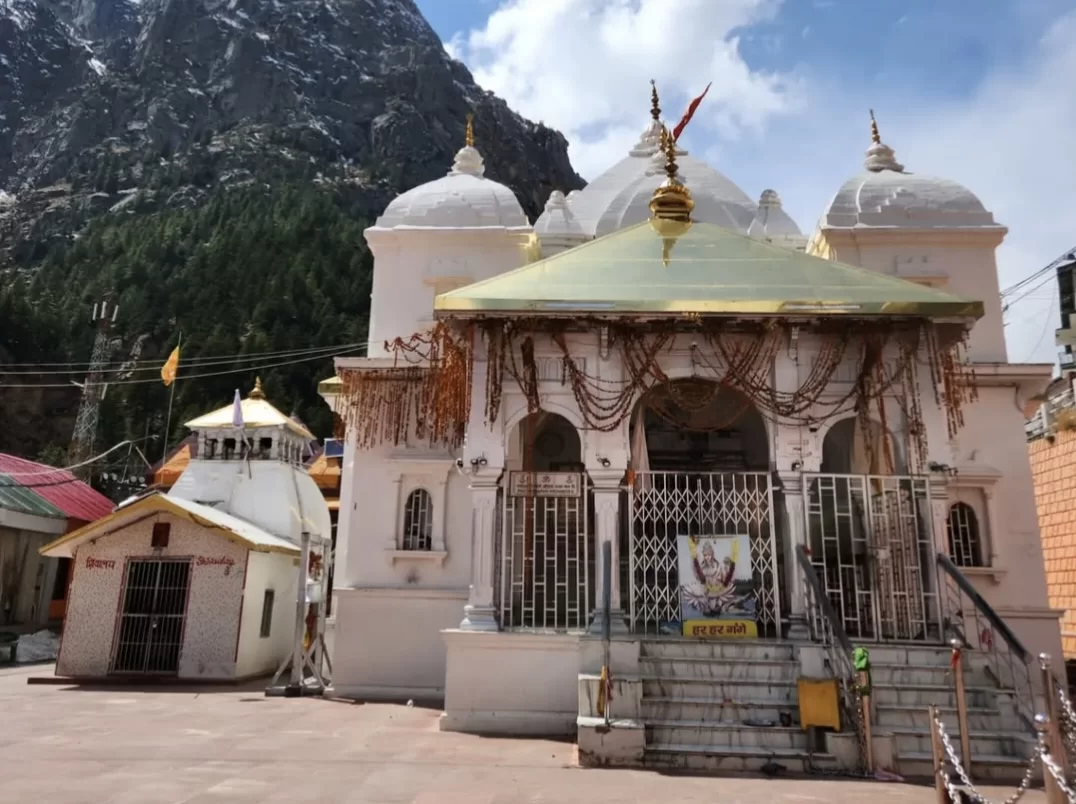
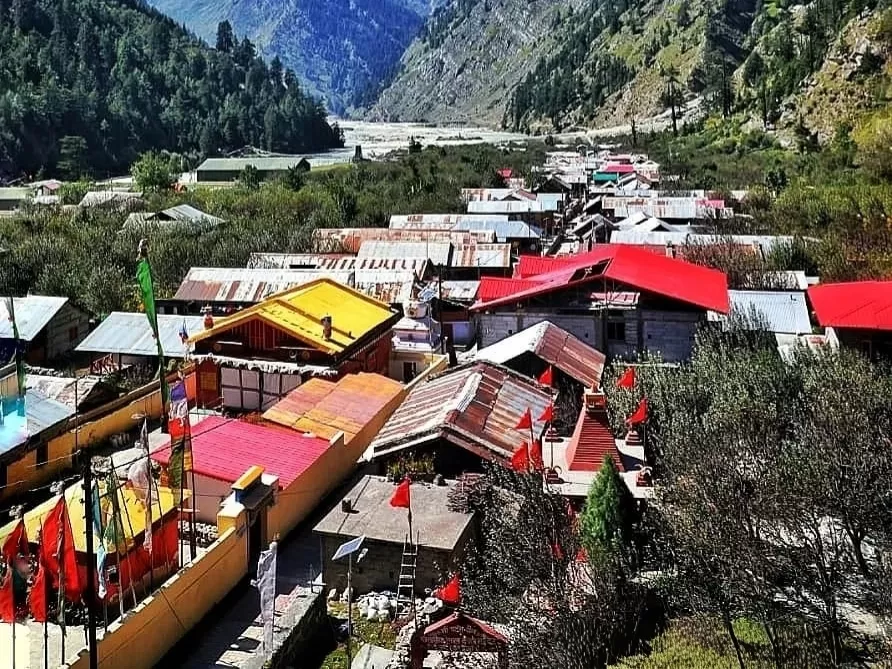
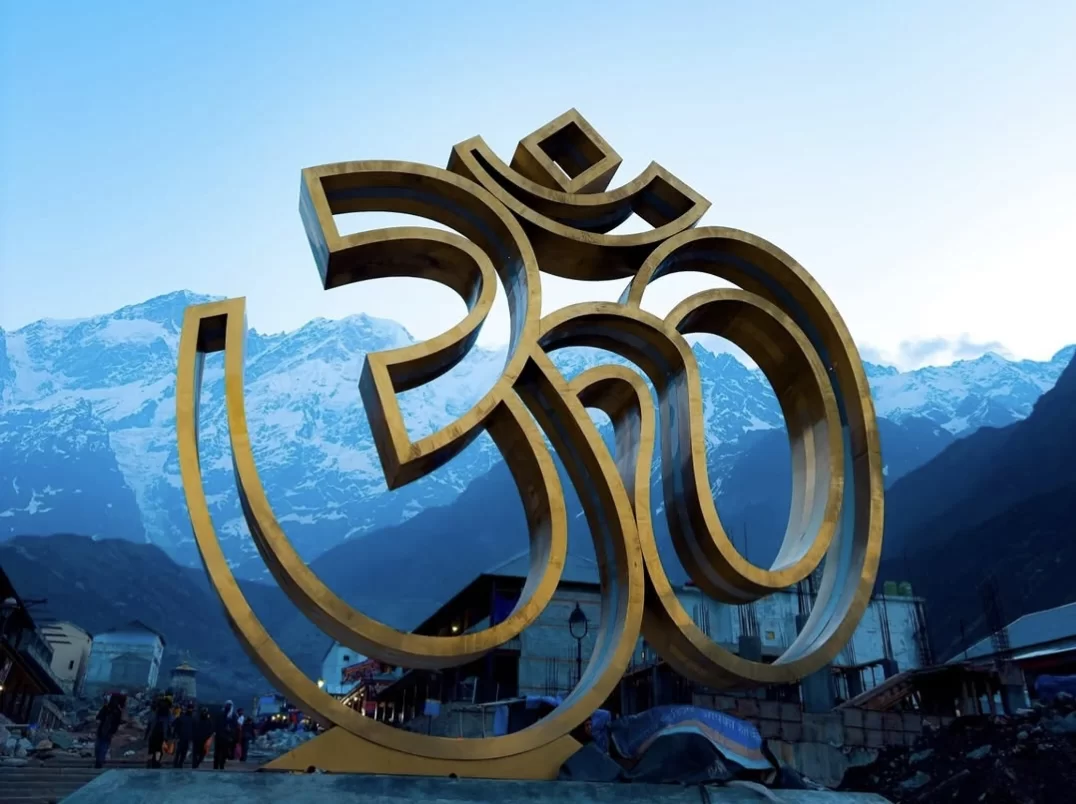
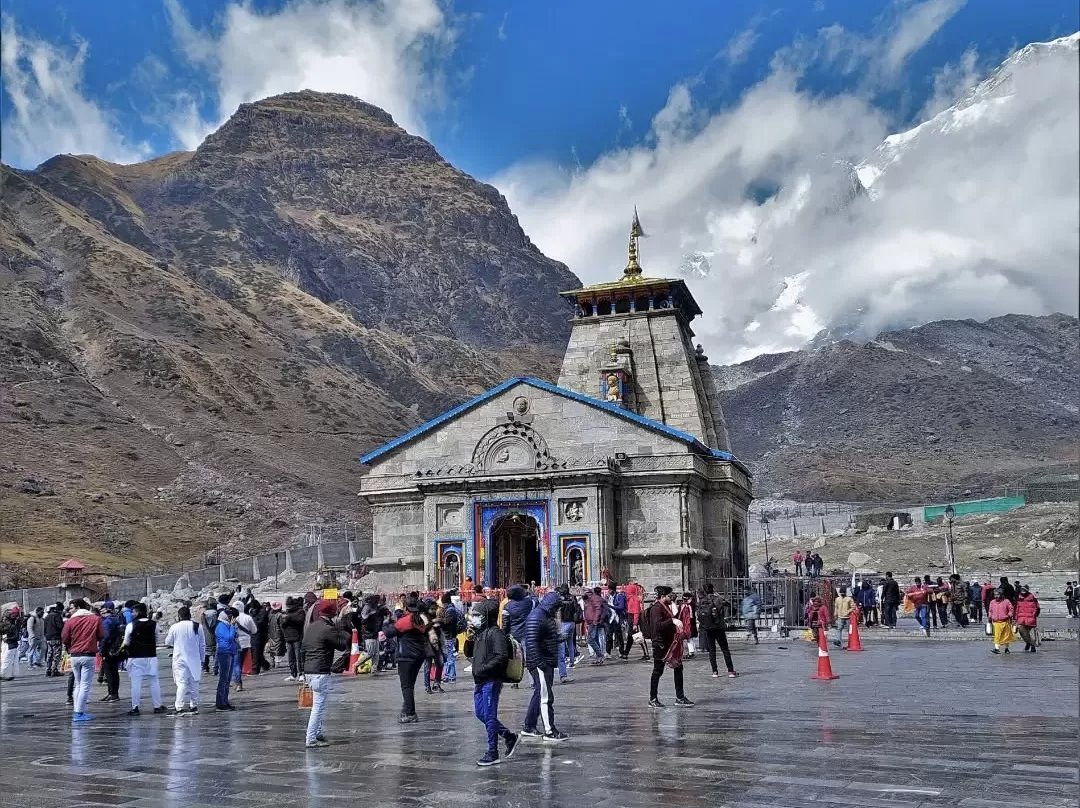
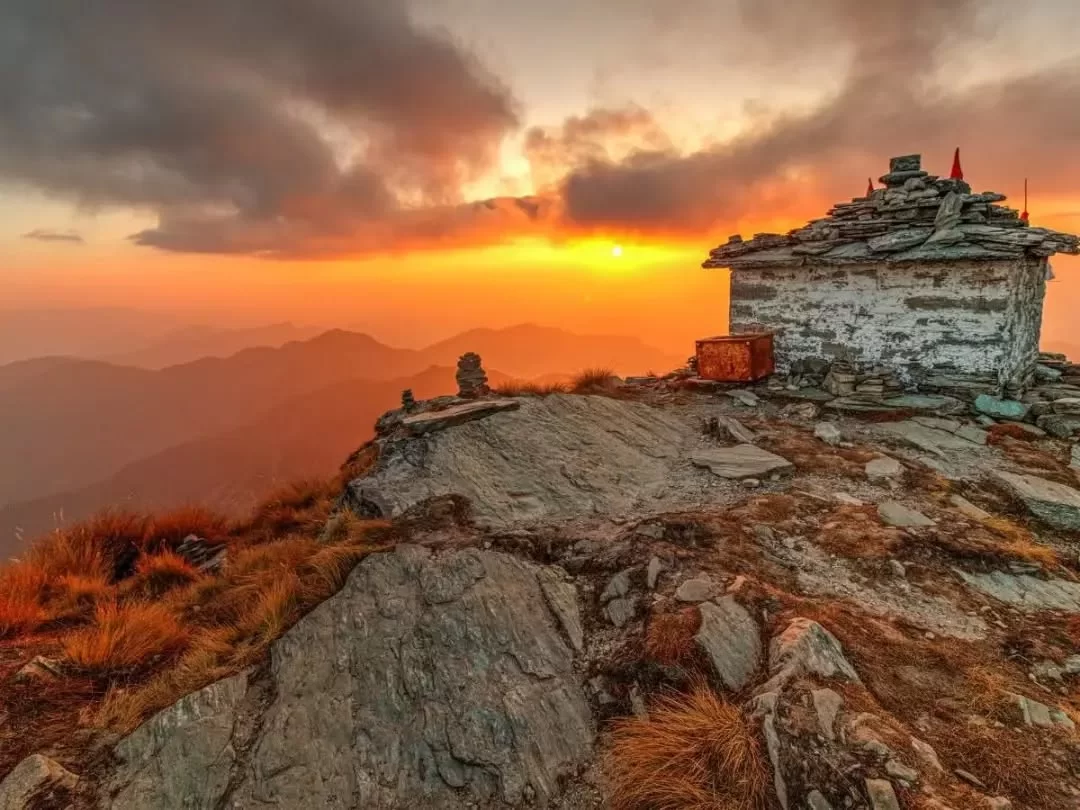
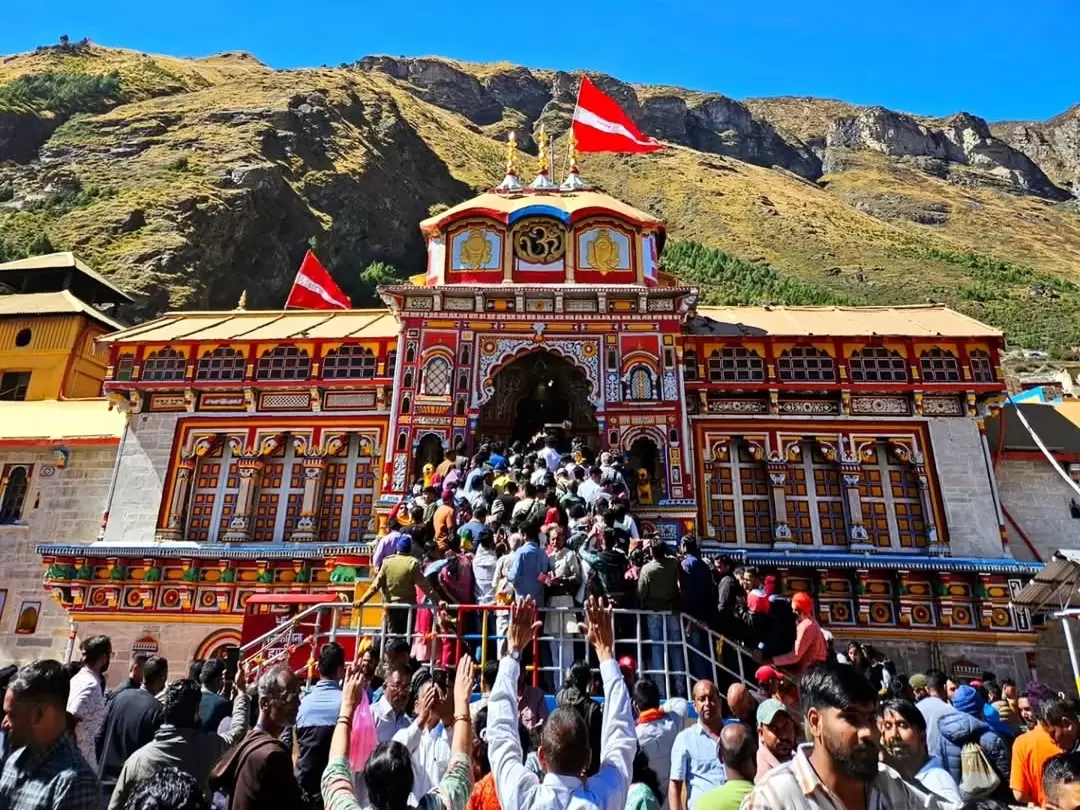
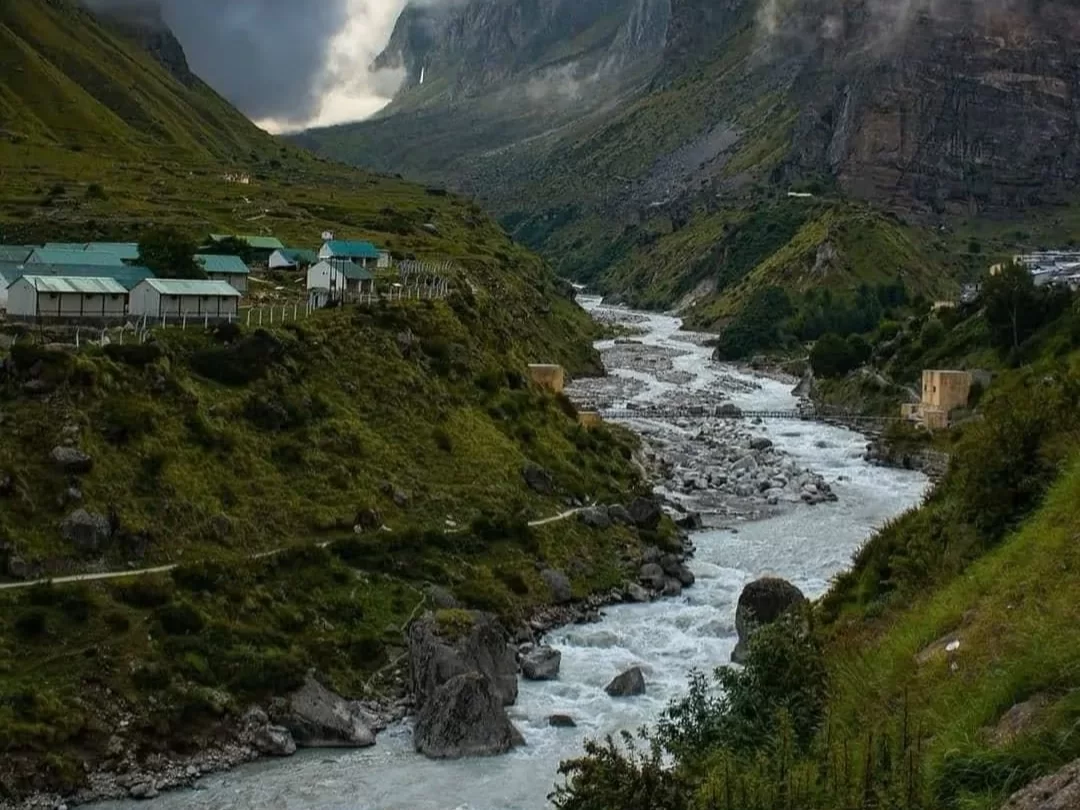
Char Dham Yatra with Heli Tour Packages from Dehradun is a 13-day spiritual journey through Uttarakhand, combining the sacred Char Dham circuit with Mussoorie, Chopta, Tungnath, Chandrashila, Deoria Tal, Joshimath and Rishikesh. The journey begins and ends in Dehradun and includes a helicopter journey to Kedarnath.
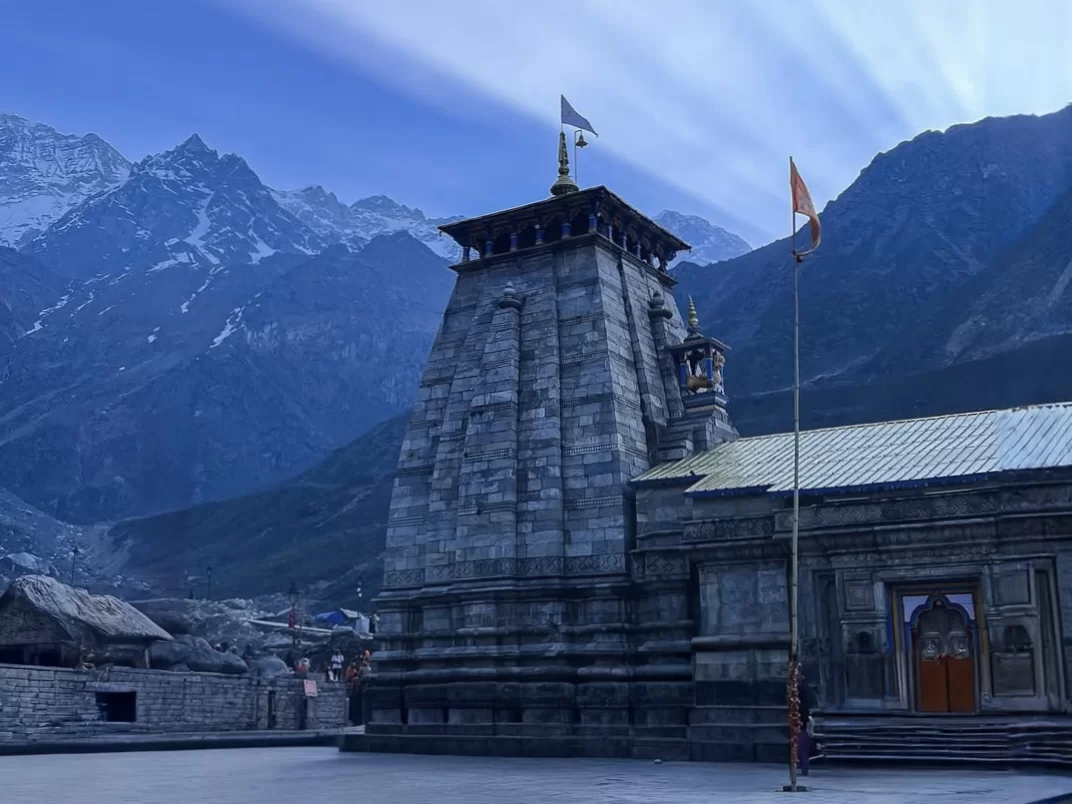
After exploring Mussoorie, continue through Barkot for the trek to Yamunotri Dham, followed by Uttarkashi and Gangotri. The route then proceeds through Ukhimath and Guptkashi before the helicopter journey for darshan at Kedarnath Temple.
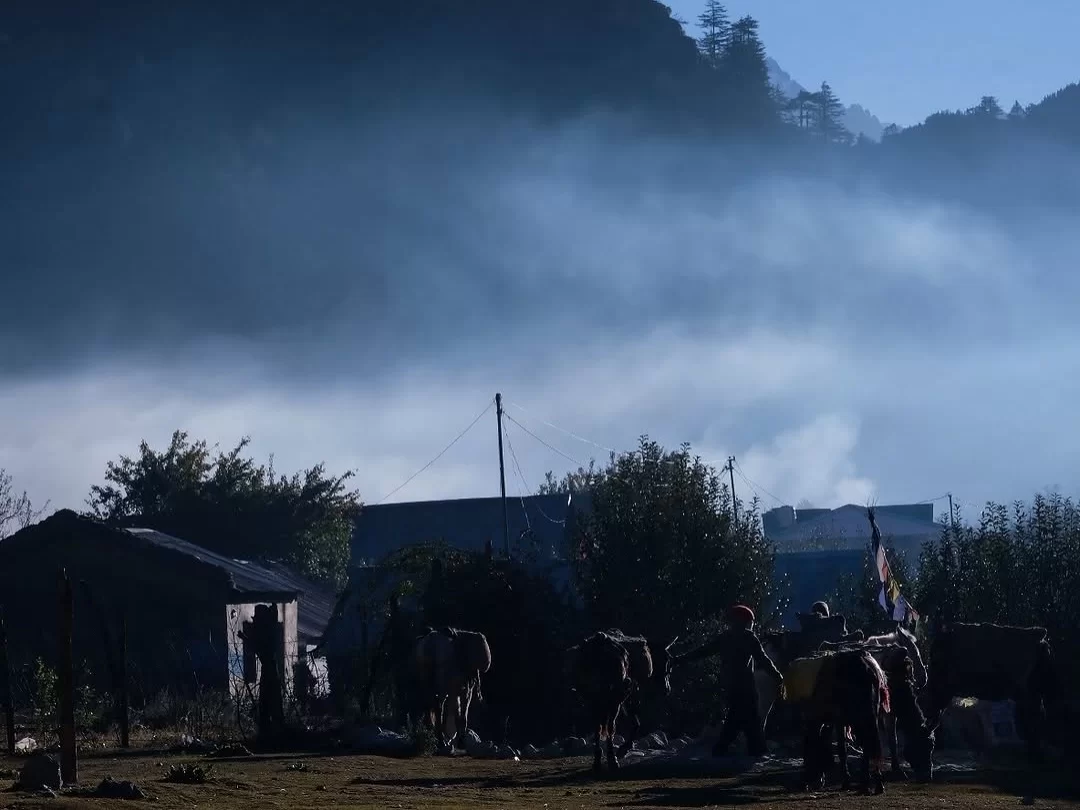
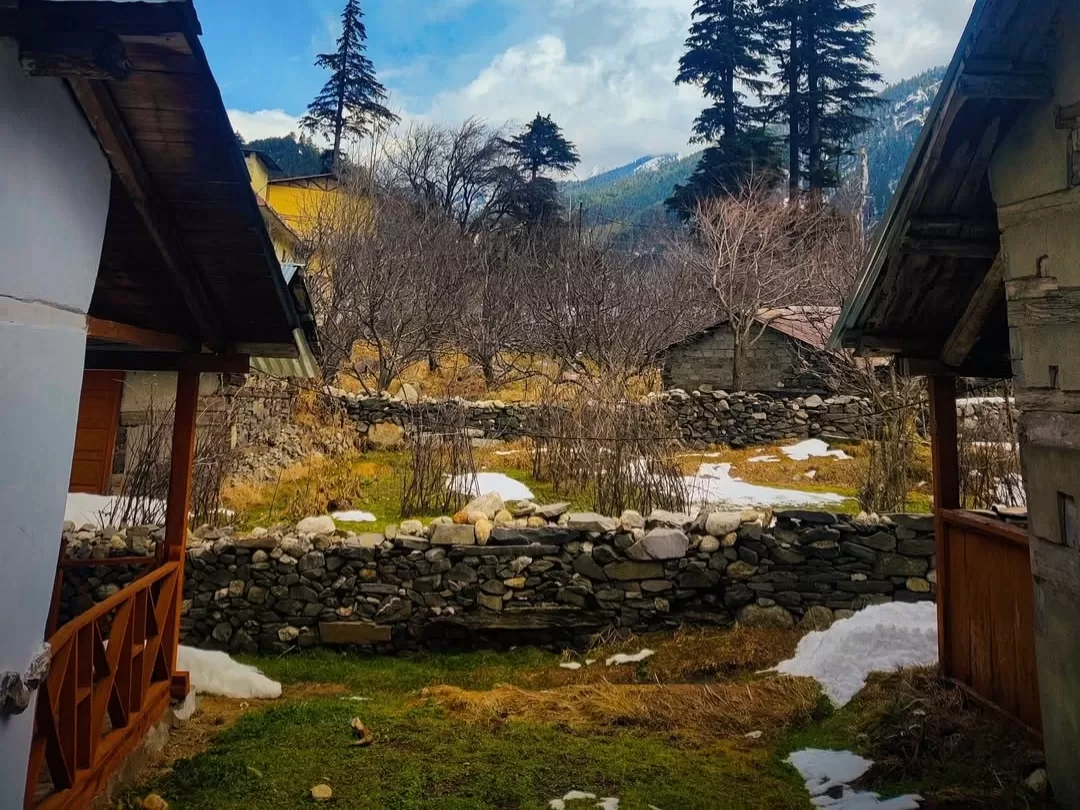
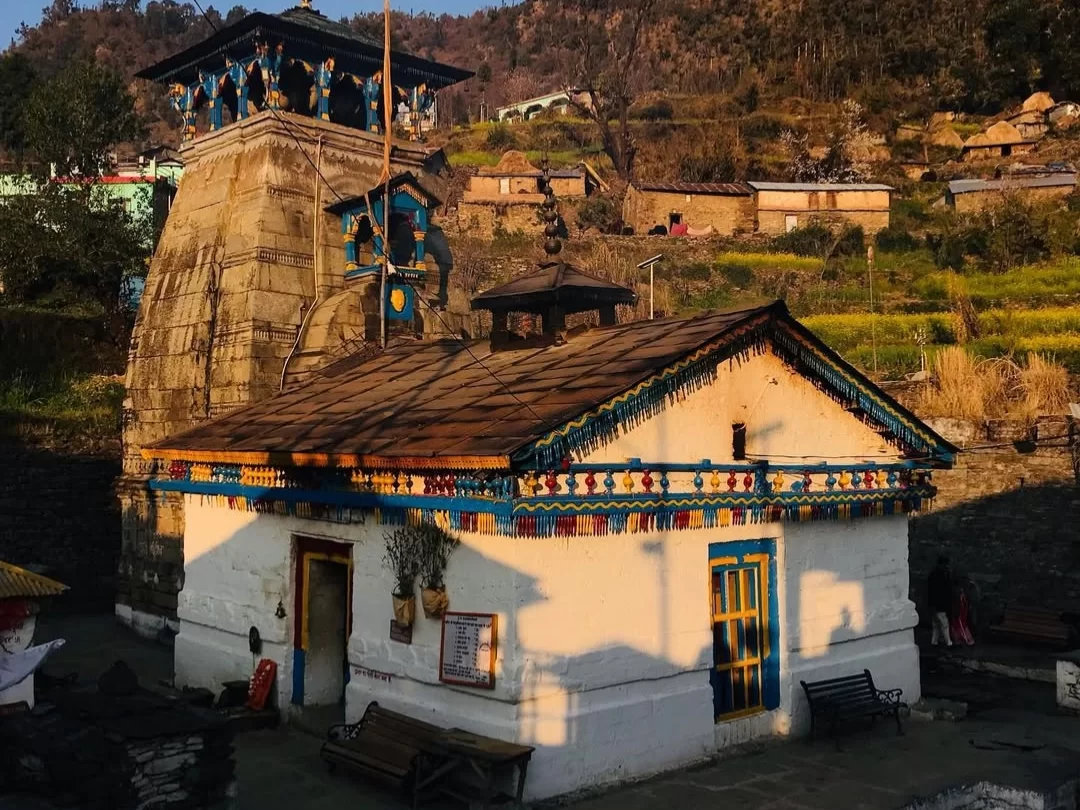
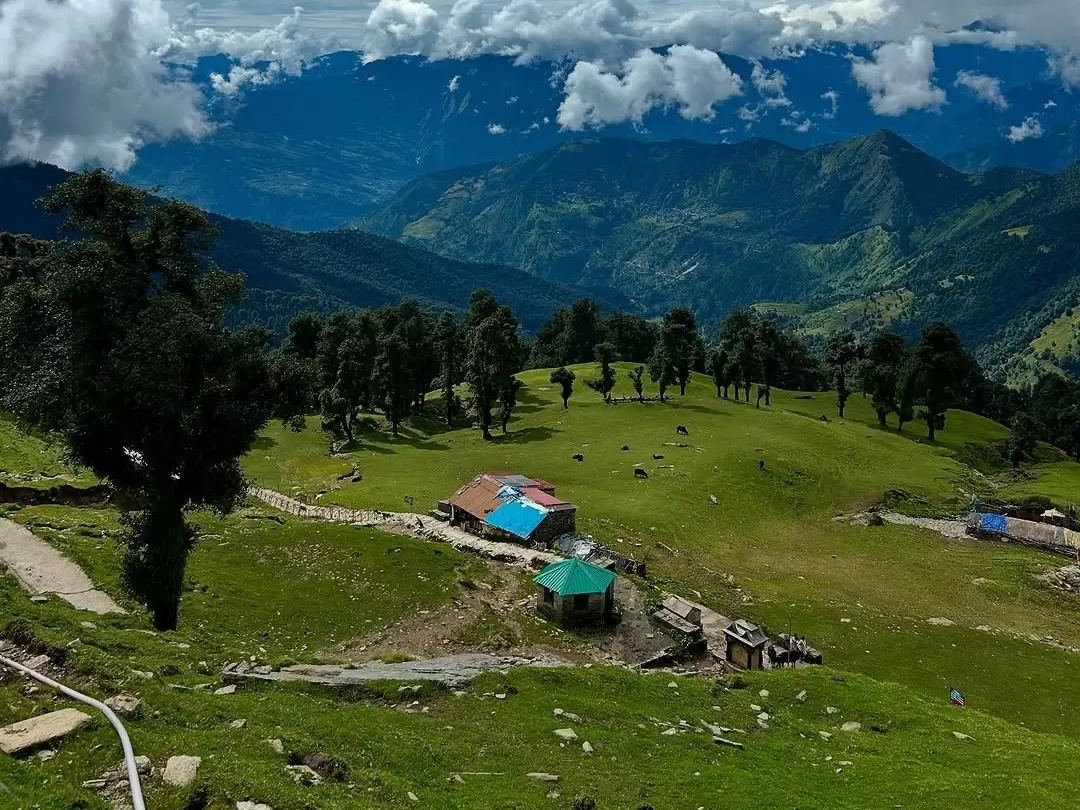
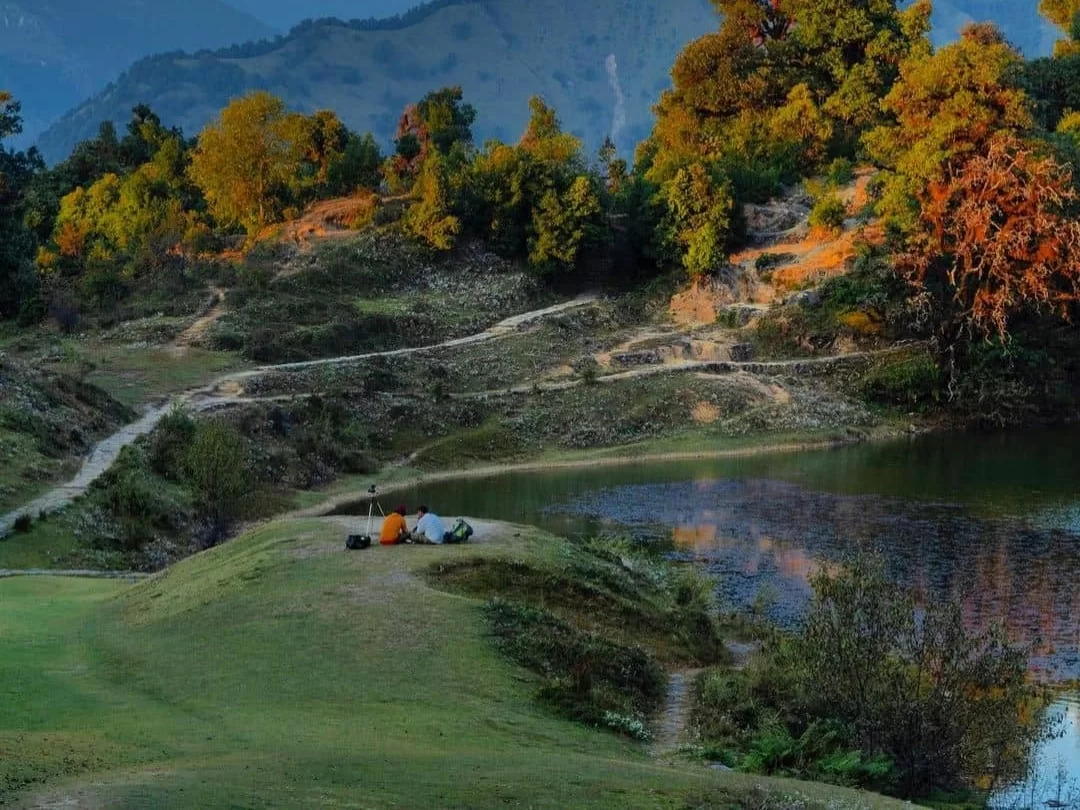
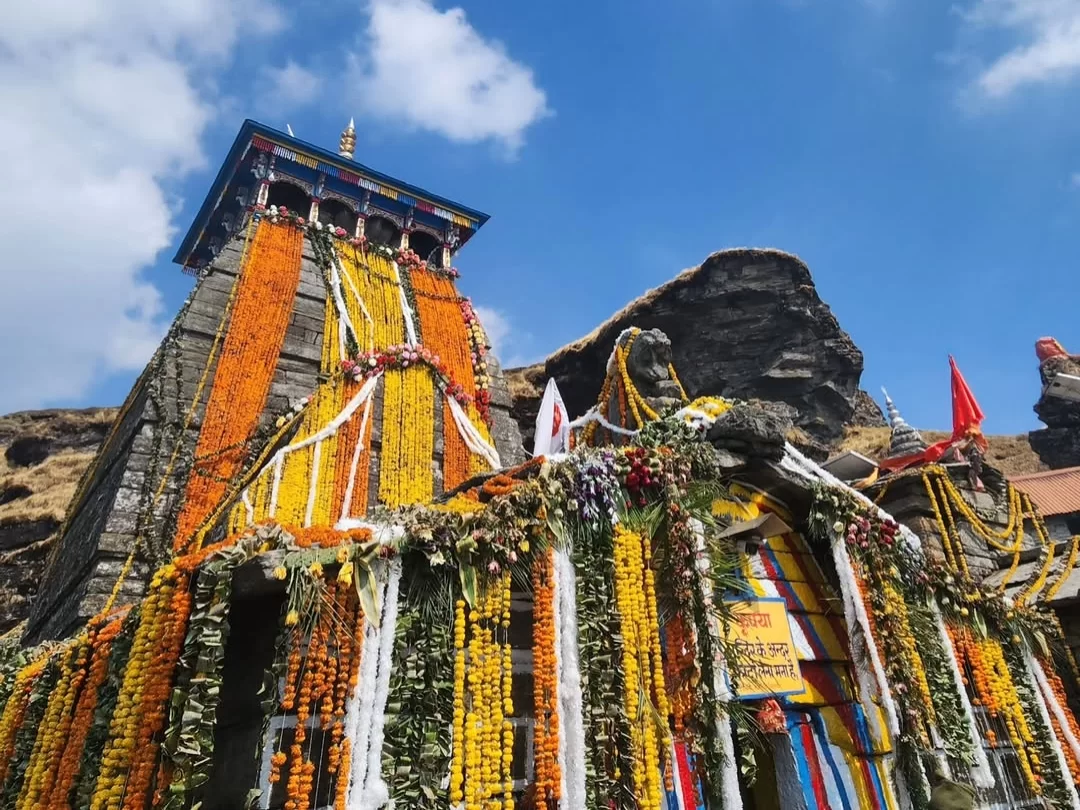
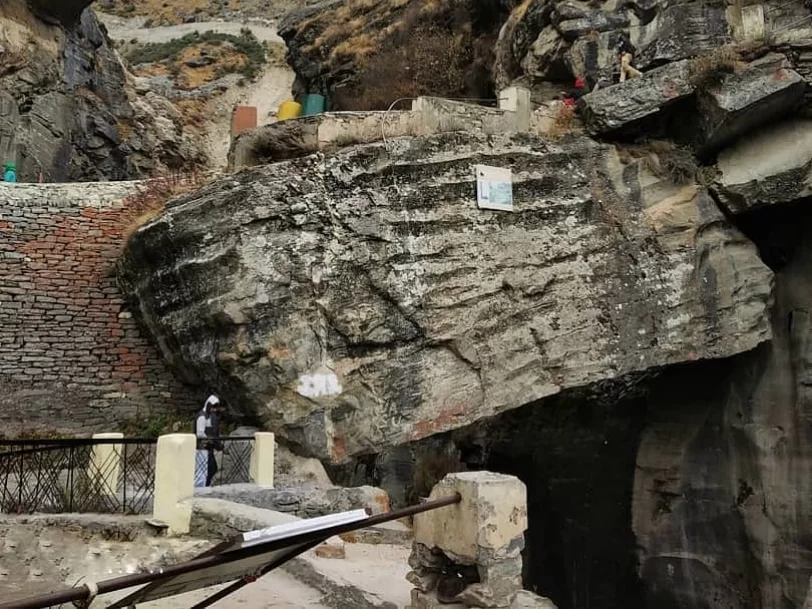
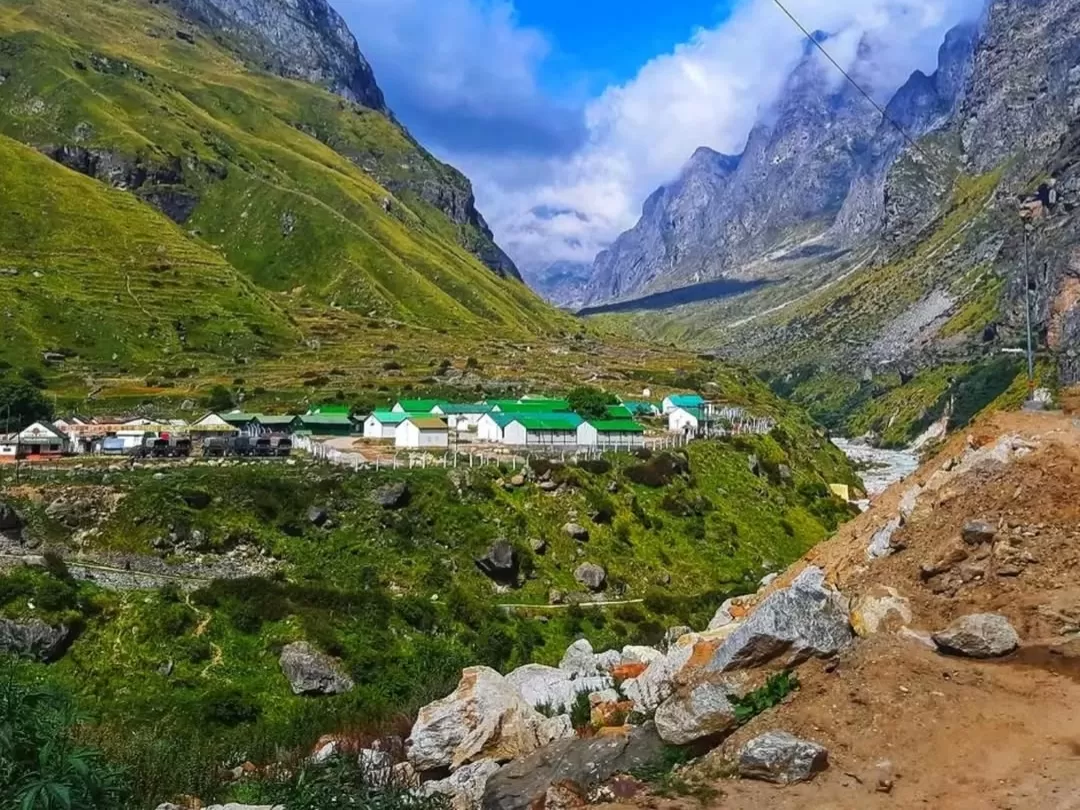
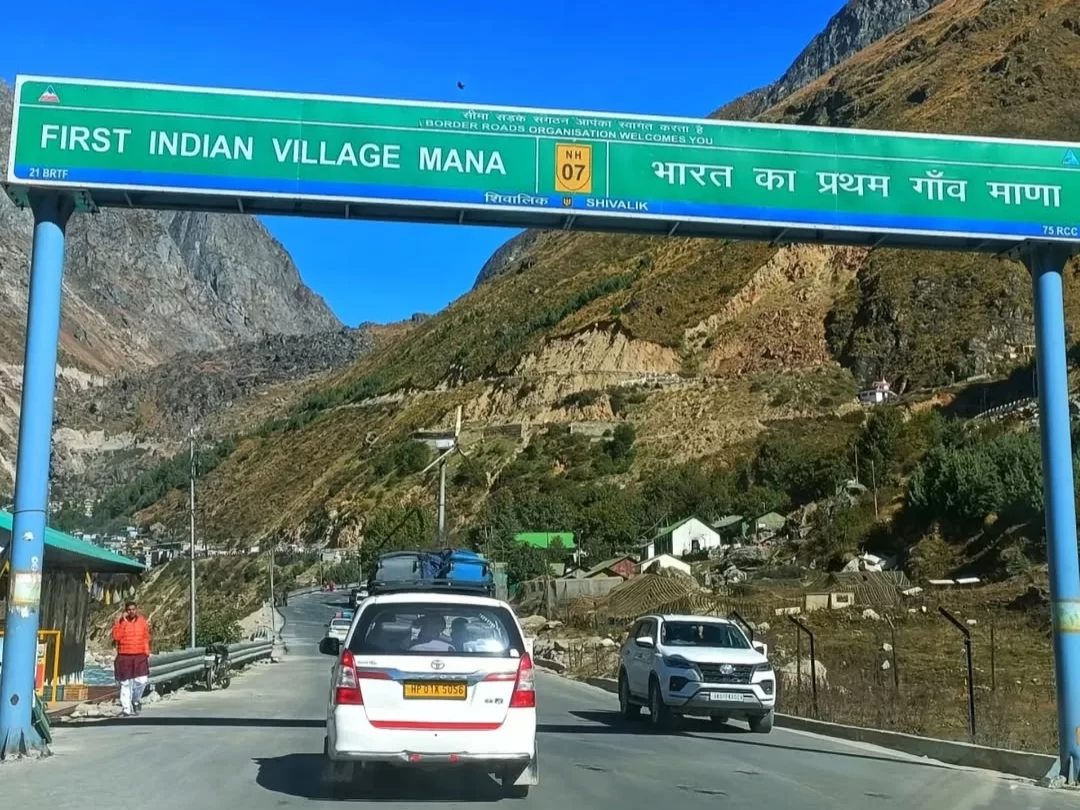
The Himalayan experience continues to Chopta, where you trek to Tungnath Temple and Chandrashila Peak, followed by a trek to Deoria Tal. From Joshimath, take an excursion to Badrinath Dham and explore Mana Village, Vyas Gufa and Bhim Pul.
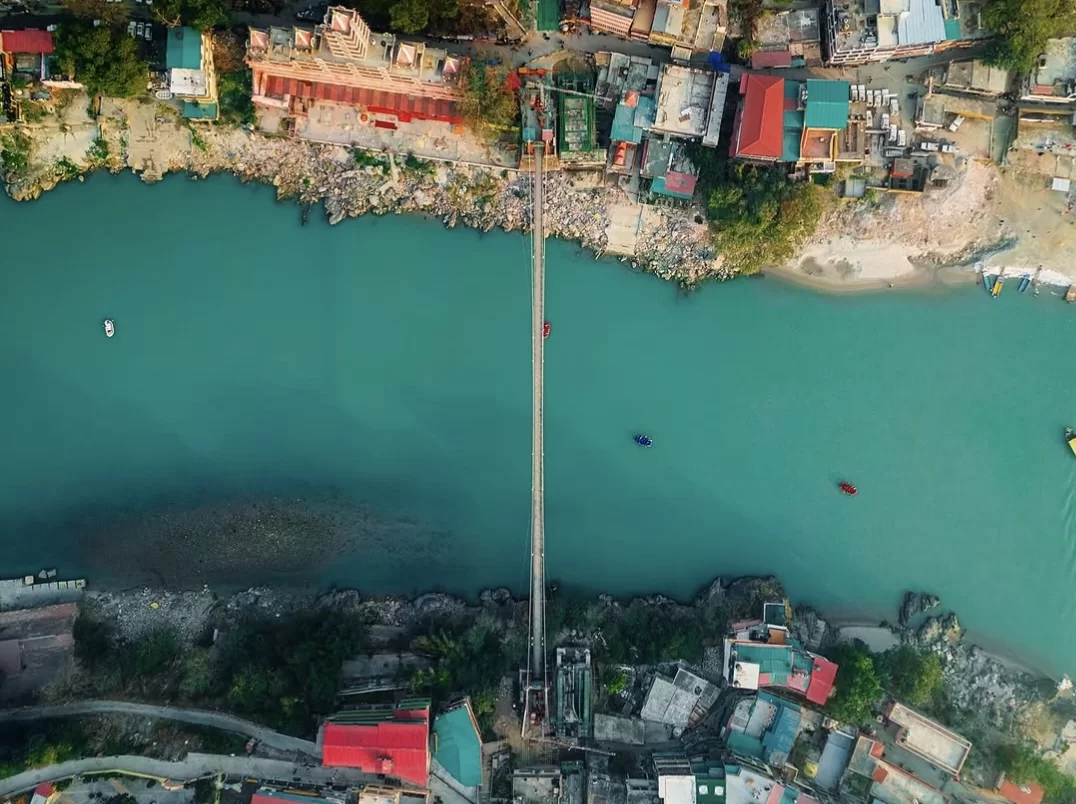
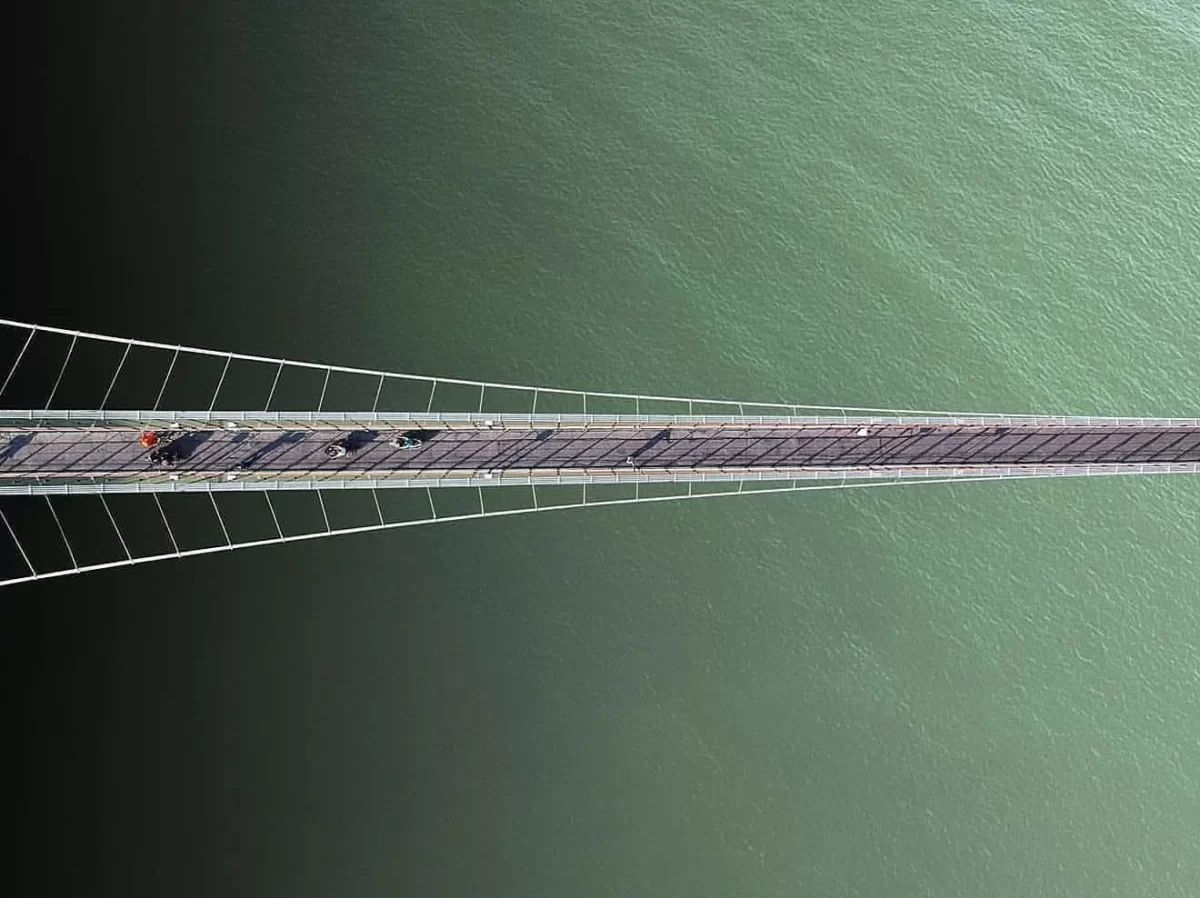
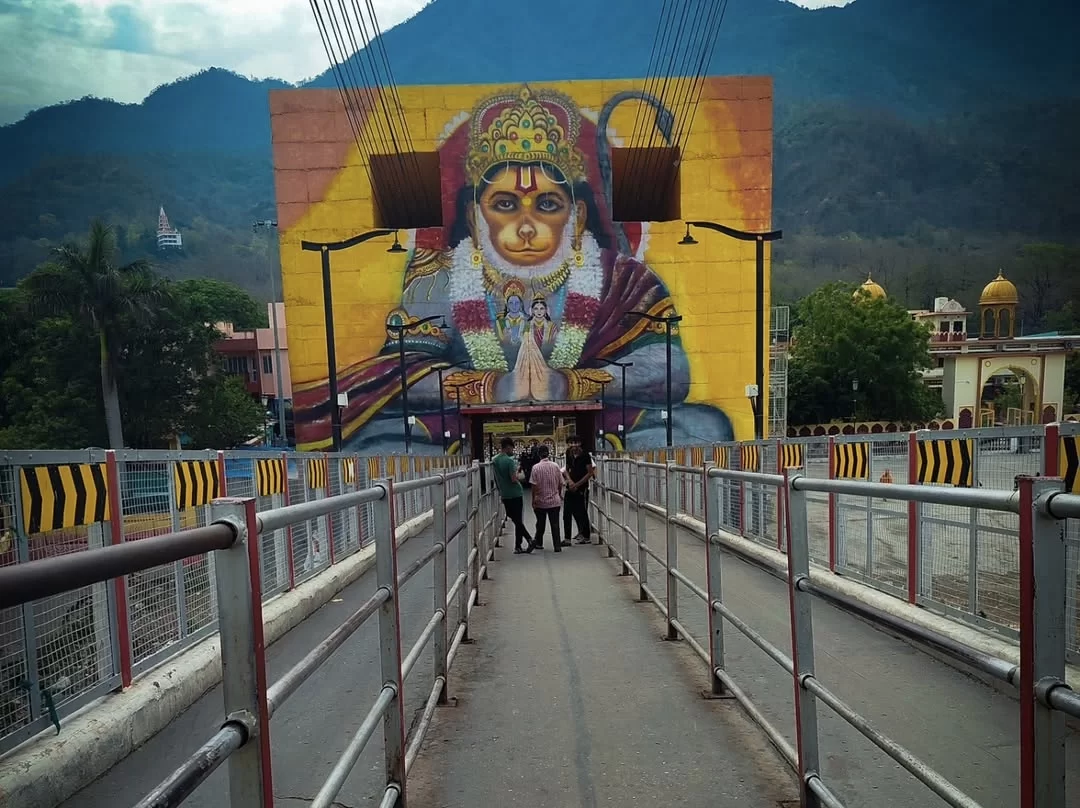
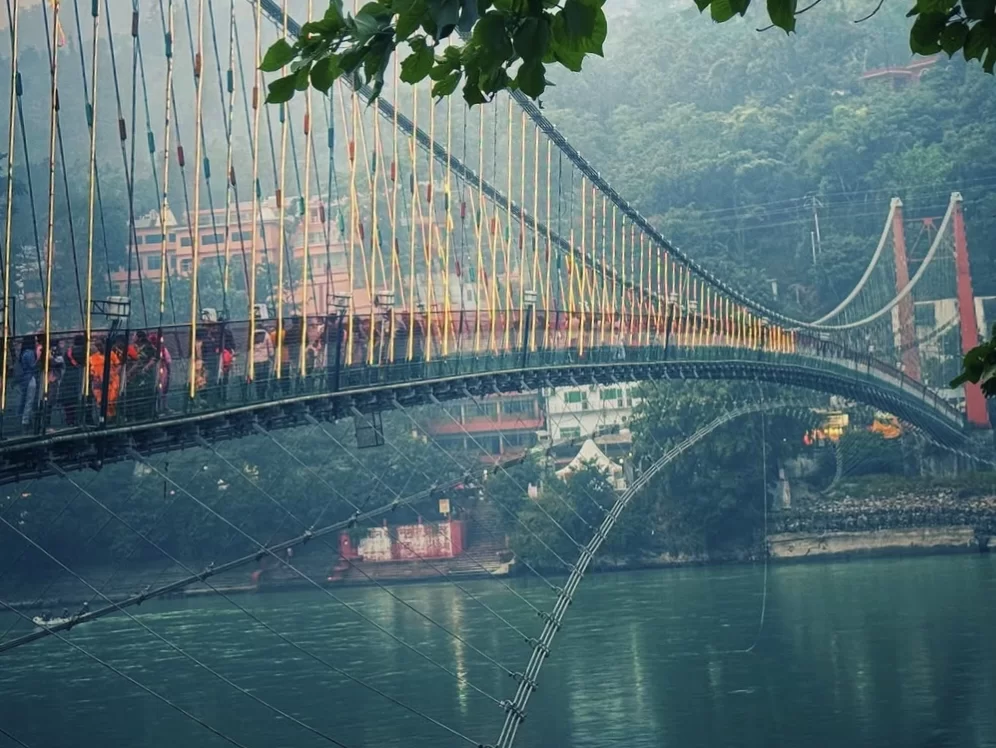
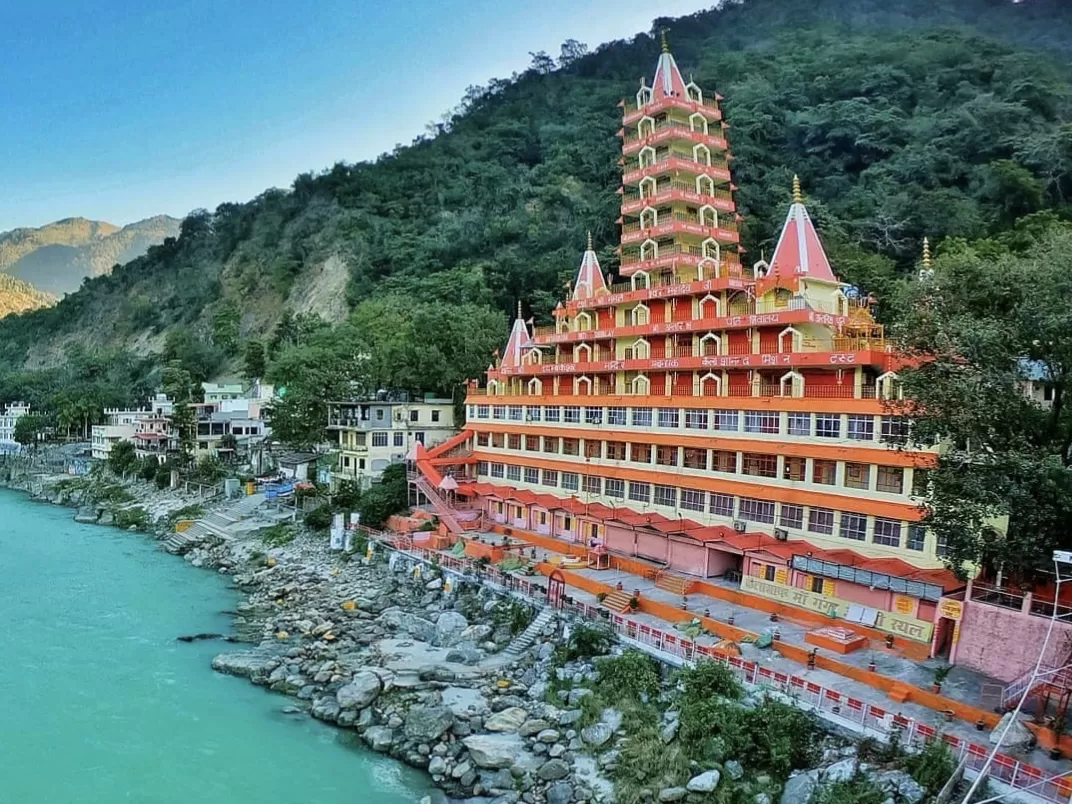
The return journey follows the sacred river valleys through Nandprayag, Karnaprayag, Rudraprayag, Dhari Devi Temple and Devprayag before reaching Rishikesh. Visits to Ram Jhula, Triveni Ghat, Parmarth Niketan Ashram, Neelkanth Mahadev Temple and Janki Setu complete the pilgrimage before departure from Dehradun.
Review what is included, excluded and important before confirming your journey.
Services and assistance covered in your confirmed package.
Services and expenses not covered in the package price.
Important information to review before travelling.
Advance payment, balance payment and cancellation terms.
This itinerary is designed for around 12 to 13 days covering Yamunotri, Gangotri, Kedarnath, Badrinath and Tungnath trek