Quick Facts About State Museum Lucknow
State Museum, Lucknow, Uttar Pradesh Quick Facts
| Entry Fee | Entry fee applicable; separate charges may apply for cameras and special exhibitions |
| Timings | 10:30 AM–4:30 PM; closed on Mondays and government holidays as notified |
| Altitude (m) | Approximately 123 m above sea level |
| Ideal Visit Duration | 1.5–3 hours |
| Best Time of Day | Morning to early afternoon for a relaxed visit |
| Crowd Level | Low to moderate; higher on weekends and school holidays |
| Distance from City Centre (km) | Approximately 3 km from Hazratganj city centre |
| Walking Difficulty | Easy; exhibits are accessed through indoor galleries and level walkways |
| Parking Available | Yes, parking available within the museum complex vicinity |
| Last Mile Access | Direct road access via taxis, auto-rickshaws, city buses, and private vehicles |
| Suitable for Kids | Yes |
| Suitable for Seniors | Yes |
| Wheelchair Friendly | Partially accessible; accessibility may vary between galleries and facilities |
Why Visit State Museum, Lucknow, Uttar Pradesh
Visitors come to the State Museum to explore collections related to archaeology, sculpture, natural history, coins, manuscripts, and regional heritage. The museum provides a structured introduction to the cultural and artistic traditions of Uttar Pradesh through curated exhibits.
The atmosphere is quiet and educational, with galleries designed for self-guided exploration. Visitors can move through themed sections at their own pace, making it suitable for those interested in history, art, and museum-based learning.
What makes the State Museum distinct is the breadth of its collections within a single institution, including artifacts from different historical periods and regions of northern India. Its location within the Nawab Wajid Ali Shah Zoological Garden complex also allows travelers to combine cultural and recreational experiences in one visit.
History of State Museum, Lucknow, Uttar Pradesh
The State Museum, Lucknow, traces its origins to 1863 when it was established as the Provincial Museum of Awadh. It was created to preserve and display archaeological, historical, and cultural artifacts from the region and is among the oldest museums in Uttar Pradesh.
Over the years, the museum expanded its collections to include sculptures, coins, manuscripts, paintings, natural history exhibits, and artifacts from various periods of Indian history. Its holdings reflect the rich heritage of Uttar Pradesh and neighboring regions.
The museum was later relocated to its present premises within Nawab Wajid Ali Shah Zoological Garden in Lucknow, where it continues to serve as an important center for heritage preservation, research, and public education.
Best Time to Visit State Museum Lucknow, Uttar Pradesh
State Museum Lucknow can be visited year-round because most exhibits are housed indoors, but the cooler months provide a more comfortable experience when combining the museum visit with nearby attractions in the city.
- Ideal Months: October to March is the most pleasant period for visiting the museum and exploring the surrounding areas of Lucknow.
- Weather Conditions: These months typically offer comfortable temperatures for walking through the museum campus, nearby gardens, and other cultural sites without the discomfort of extreme heat.
- Periods to Avoid: April to June can be less comfortable due to high daytime temperatures in Lucknow, although the museum itself remains a suitable indoor attraction throughout the year.
How to Reach State Museum Lucknow, Uttar Pradesh
- By Air: Chaudhary Charan Singh International Airport, Lucknow, is the nearest airport, located approximately 15–17 km from the State Museum. The airport has regular domestic and international flight connections. Taxis, app-based cabs, and airport transport services are available for direct access to the museum.
- By Train: Lucknow Charbagh Railway Station is the nearest major railway station, situated around 5–6 km from the museum. Lucknow Junction and Badshahnagar Railway Station also offer convenient rail access. Visitors can reach the museum by metro, taxi, auto-rickshaw, or city bus services.
- By Road: State Museum Lucknow is located within the Nawab Wajid Ali Shah Zoological Garden complex in central Lucknow and is easily accessible through the city's road network. Public buses, taxis, auto-rickshaws, app-based cabs, and Lucknow Metro provide convenient connectivity. The nearest metro stations are within a short distance of the museum area. Traffic congestion and limited parking can occur during weekends, holidays, and peak tourist periods, so visitors should plan additional travel time.
What to Expect When You Visit State Museum Lucknow, Uttar Pradesh
- The State Museum is located within the Nawab Wajid Ali Shah Zoological Garden complex in central Lucknow and offers an indoor environment focused on history, archaeology, art, anthropology, and natural heritage exhibits.
- Visitors can expect multiple galleries displaying sculptures, coins, manuscripts, paintings, arms, archaeological artifacts, and cultural collections from different periods of Uttar Pradesh's history and the Indian subcontinent.
- The museum is housed in a dedicated building with organized exhibition halls, interpretive displays, ticketing facilities, washrooms, and seating areas. Food and refreshment options are generally available elsewhere within the larger zoo complex rather than inside the galleries.
- Movement within the museum is straightforward, with visitors following designated gallery routes through multiple floors and exhibition sections. Exploring the full collection typically involves extended periods of walking and standing.
- The atmosphere is generally quiet and educational, attracting students, researchers, families, and visitors interested in history and culture. School groups may increase activity levels during weekdays.
- Photography permissions, gallery access, and exhibit availability may vary depending on museum policies, temporary exhibitions, maintenance work, or conservation requirements.
- As most exhibits are displayed indoors, the museum provides a comfortable alternative during periods of extreme heat or rain, though visitor numbers may increase during weekends, holidays, and tourist seasons.
Important Visitor Information for State Museum Lucknow, Uttar Pradesh
- The museum is generally busiest on weekends, public holidays, and during school excursion periods, while weekday mornings offer a quieter environment for exploring the galleries.
- Visitor numbers tend to increase during the afternoon hours, whereas the first few hours after opening provide a more relaxed experience with fewer groups.
- As most exhibits are housed indoors, visits are largely unaffected by seasonal weather, making the museum a comfortable option during Lucknow's hot summers and monsoon months.
- No formal dress code applies, although visitors are expected to maintain decorum appropriate to a cultural institution and educational space.
- Photography restrictions may apply in specific galleries or for certain collections, and visitors should follow all museum signage and staff instructions.
- Care should be taken around display areas and artifacts, and food, beverages, or activities that may disturb other visitors are generally not permitted inside exhibition halls.
Photography and Viewpoints at State Museum Lucknow, Uttar Pradesh
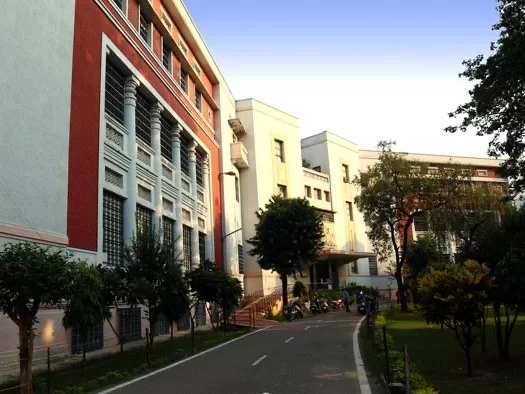
- The museum's exterior within the Nawab Wajid Ali Shah Zoological Garden offers the best architectural photography opportunities, particularly from the approach pathways where the building can be framed against landscaped surroundings.
- Indoor photography opportunities depend on current museum regulations, with certain galleries, rare artifacts, manuscripts, paintings, and archaeological exhibits potentially subject to photography restrictions.
- The entrance hall and public exhibition areas provide the most accessible viewpoints for capturing the museum's interior design, subject to permissions and visitor guidelines in force at the time of visit.
- Morning hours generally provide the most even natural lighting around the museum exterior, while midday sunlight can create stronger contrasts on the building façade and surrounding grounds.
- Flash photography may be restricted in galleries containing sensitive historical objects, artworks, textiles, or manuscripts to help preserve the exhibits.
- Visitor movement is usually moderate on weekdays, allowing clearer photographs of public spaces, whereas weekends, holidays, and school group visits can increase crowd levels inside major galleries.
- Tripods, professional photography equipment, and commercial shoots may require prior permission from museum authorities and are not typically permitted in regular visitor areas without approval.