Quick Facts About Hanuman Dhara
| Entry Fee | Free |
| Timings | 06:00 - 19:00 |
| Altitude (m) | 200 |
| Ideal Visit Duration (hrs) | 2 |
| Best Time of Day | Morning |
| Crowd Level | High |
| Distance from City Centre (km) | 2 |
| Walking Difficulty | Moderate |
| Parking Available | Yes |
| Last Mile Access | Road |
| Suitable for Kids | Yes |
| Suitable for Seniors | Yes |
| Wheelchair Friendly | No |
Why Visit Hanuman Dhara
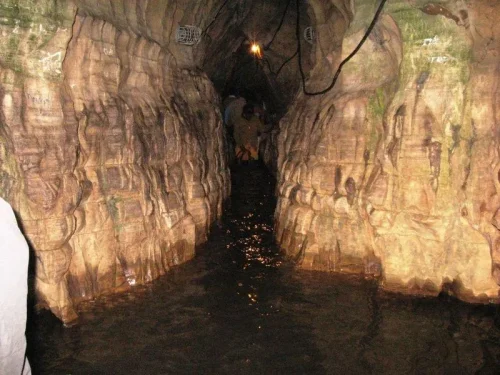
Hanuman Dhara is a serene spiritual and natural site that combines the beauty of a flowing waterfall with the devotion of a sacred temple. Visitors come here to enjoy the tranquil environment, pay respects at the temple, and experience the natural charm of the surrounding area.
The atmosphere at Hanuman Dhara is peaceful and rejuvenating, with the sound of cascading water, lush greenery, and shaded areas creating a calming environment for meditation and relaxation. The temple and waterfall together provide a spiritual and scenic retreat for visitors of all ages.
What makes Hanuman Dhara special is its blend of natural beauty and religious significance. The waterfall is not only a picturesque spot for photography but also a place of worship dedicated to Lord Hanuman. Visitors can participate in rituals, enjoy the serene surroundings, and explore the nearby pathways and gardens, making it a must-visit for pilgrims, nature lovers, and tourists seeking both peace and scenic views.
History of Hanuman Dhara
Hanuman Dhara has long been a revered spiritual site dedicated to Lord Hanuman. The temple at the waterfall has attracted devotees for centuries, who come to offer prayers and seek blessings, making it an important pilgrimage spot in the region.
The site gained prominence due to its natural waterfall, which is considered sacred and believed to have healing properties. Over the years, the temple and surrounding area have been maintained to accommodate pilgrims and visitors, preserving both its religious significance and natural beauty.
Today, Hanuman Dhara stands as a blend of spiritual devotion and natural charm, drawing both pilgrims and tourists. The combination of flowing water, lush greenery, and religious practices makes it a culturally significant and scenic destination.
Best Time to Visit Hanuman Dhara
The ideal time to visit Hanuman Dhara is during the cooler months and times of day when the waterfall and temple area are most pleasant, allowing visitors to enjoy the natural beauty and spiritual ambiance comfortably.
- October to March: Best months with mild temperatures, clear skies, and comfortable weather for visiting the temple and waterfall.
- Early Morning (6:00 AM – 9:00 AM): Ideal for meditation, prayer, and capturing the soft morning light over the waterfall.
- Late Afternoon (4:00 PM – 7:00 PM): Perfect for enjoying the serene ambiance and photographing the waterfall during sunset.
- Avoid peak summer months (April to June): High temperatures and humidity can make the visit less comfortable.
- Weekdays: Generally less crowded, providing a more peaceful and contemplative experience compared to weekends and festivals.
How to Reach Hanuman Dhara
- By Air: The nearest airport is Jay Prakash Narayan International Airport, Patna, approximately 120 km away. Taxis and app-based cabs are available to reach the site directly.
- By Train: The closest railway station is [nearest railway station], about [distance] km from Hanuman Dhara. From there, local taxis and auto-rickshaws provide easy last-mile connectivity.
- By Road: Hanuman Dhara is well connected by regional roads and highways. Private taxis, buses, and rental vehicles from nearby towns or cities can reach the temple and waterfall area easily.
- Local Transport: Auto-rickshaws, cycle rickshaws, and taxis are available from the nearest town or bus stops to reach the site.
- Parking: Parking is available near the temple and waterfall entry for cars and buses.
What to Expect When You Visit Hanuman Dhara
- Experience a tranquil waterfall surrounded by lush greenery, providing a peaceful environment for reflection and relaxation.
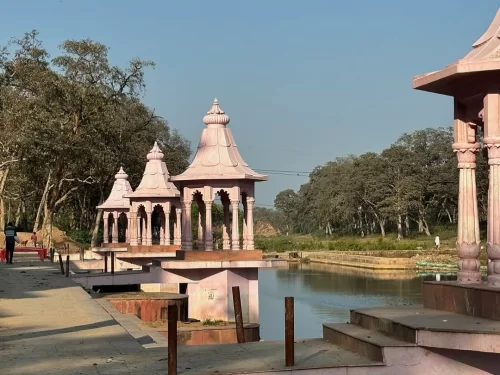
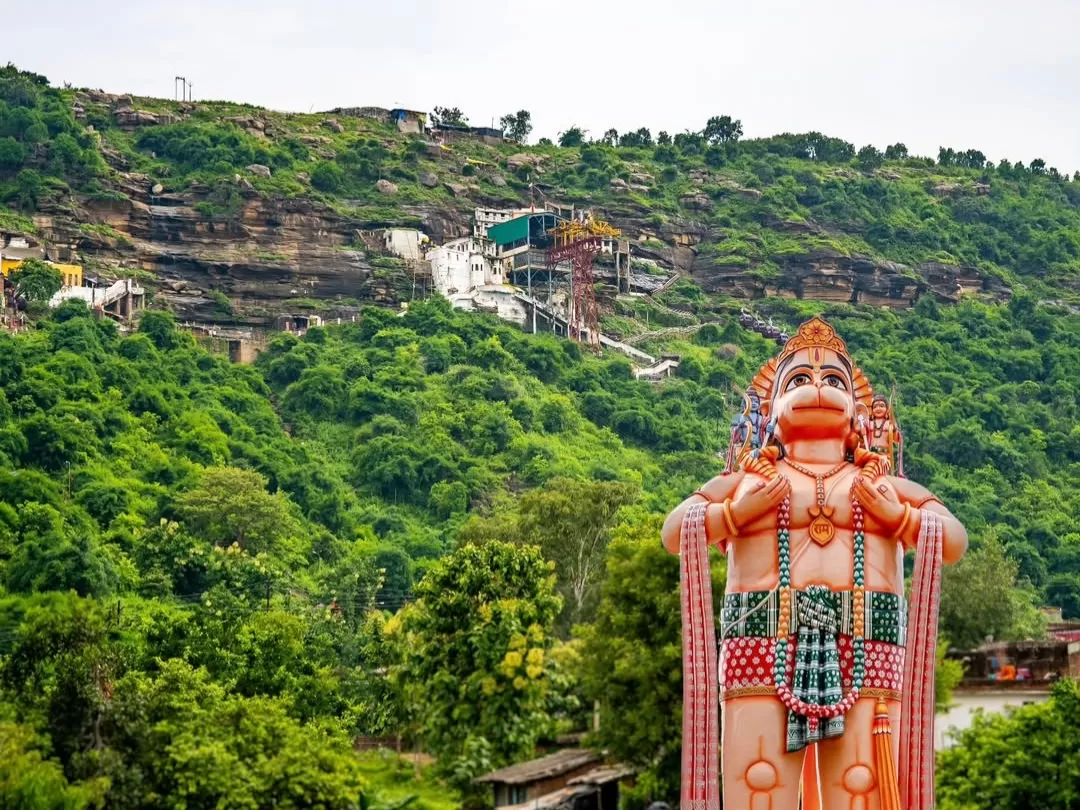
- Visit the Hanuman temple located near the waterfall, where devotees offer prayers and participate in rituals.
- Walk along well-maintained pathways and short trails around the waterfall and temple premises.
- Enjoy photography opportunities of the waterfall, temple, and scenic natural surroundings.
- Observe local cultural practices and religious ceremonies that take place at the temple.
- Ideal for families, pilgrims, and tourists looking for a mix of nature, spirituality, and calm ambiance.
- Some areas near the waterfall may be slightly uneven, so comfortable footwear is recommended.
Important Visitor Information
- Crowd & Weather Notes: The site experiences moderate crowds on weekdays and high footfall during weekends and festivals. The best time to visit is from October to March when the weather is cool and comfortable for walking and exploring.
- Peak / Quiet Hours: Peak hours are usually late morning to early afternoon. Early morning (6:00 AM – 9:00 AM) and late afternoon (4:00 PM – 7:00 PM) are quieter and ideal for meditation, photography, and a peaceful experience.
- Dress Code: Visitors are advised to wear modest and comfortable clothing. Footwear should be removed before entering temple areas.
- Safety Notes: Walk carefully on uneven trails near the waterfall, supervise children, and follow signage. The area is safe, but caution is recommended around wet or slippery surfaces.
Photography and Viewpoint
- The waterfall and temple offer excellent photography opportunities, with scenic views of cascading water, lush greenery, and surrounding natural landscapes.
- Early morning and late afternoon provide the best natural lighting, enhancing the serene ambiance and colors of the waterfall and temple.
- Visitors can capture wide-angle shots of the waterfall along with the Hanuman temple in the foreground for a balanced composition.
- The landscaped paths and open spaces allow for both landscape and portrait photography, as well as capturing cultural rituals.
- Photography during festivals or religious ceremonies adds cultural depth to images.
- Drone photography is not permitted; standard cameras and smartphones are recommended for high-quality images.