Dudhwa Tiger Reserve – Safari Booking, Timings, Entry Fee & Travel Guide

Dudhwa Tiger Reserve , Dudhwa National Park
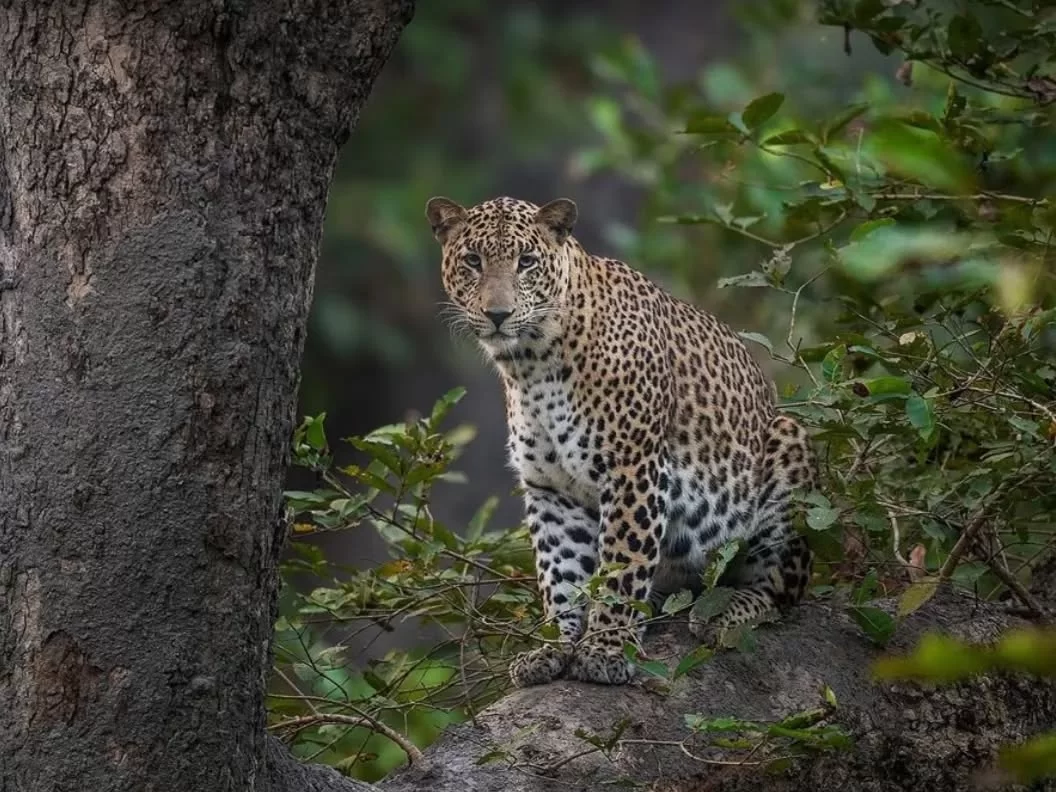
Dudhwa Tiger Reserve is one of the most important and beautiful wildlife destinations in North India, located in the Terai region of Uttar Pradesh. It is part of Dudhwa National Park and is well-known for its thriving population of Royal Bengal Tigers, swamp deer (barasingha), leopards, elephants, and hundreds of bird species. The reserve is covered with sal forests, grasslands, and wetlands, offering a true jungle safari experience. It is an ideal destination for wildlife lovers, photographers, birdwatchers, and adventure seekers who want to explore natural forests and experience jeep safaris in a protected tiger habitat.

Quick Facts About Dudhwa Tiger Reserve

Entry Fee 300
Timings 06:00 - 18:00
Altitude (m) 190
Ideal Visit Duration (hrs) 48
Best Time of Day Morning
Crowd Level High
Distance from City Centre (km) 6
Walking Difficulty Easy
Parking Available Yes
Last Mile Access Road
Suitable for Kids Yes
Suitable for Seniors Yes
Wheelchair Friendly No

Why Visit Dudhwa Tiger Reserve

Dudhwa Tiger Reserve is one of the finest wildlife destinations in Uttar Pradesh and a must-visit place for nature lovers, adventure seekers, and wildlife photographers. Located in the Terai belt near the Indo-Nepal border, this reserve offers an authentic jungle experience with dense sal forests, grasslands, rivers, and wetlands. It is best known for being a protected habitat of the Royal Bengal Tiger, along with many other wild animals such as leopards, elephants, swamp deer (barasingha), wild boars, and a large variety of birds. A visit here gives tourists a rare chance to explore untouched wilderness and witness wildlife in its natural environment.

The atmosphere of Dudhwa Tiger Reserve is calm, raw, and deeply connected to nature. The sound of birds, the dense forest trails, and the fresh air create a peaceful and thrilling environment at the same time. Unlike crowded tourist parks, Dudhwa still feels like a real jungle, where every safari ride brings excitement and unpredictability. Morning safaris are especially refreshing, while evening safaris offer golden light, making the forest landscape look magical and perfect for photography.

What makes Dudhwa Tiger Reserve special is its unique Terai ecosystem, which is very different from the dry forests of central India. The reserve is famous for its rich biodiversity, large grasslands, and rare species like the swamp deer and Bengal florican. It is also one of the few tiger reserves in India where visitors can experience a peaceful, less commercialized safari atmosphere. For travellers who want a true wildlife adventure, birdwatching opportunities, and a chance to explore one of North India’s most beautiful forest landscapes, Dudhwa Tiger Reserve is an unforgettable destination.

History of Dudhwa Tiger Reserve

Dudhwa Tiger Reserve is one of the most important wildlife conservation areas in North India, located in the Terai region of Uttar Pradesh near the Indo-Nepal border. The forest of Dudhwa was historically known for its rich wildlife and dense sal tree cover, making it a natural habitat for large mammals like tigers, leopards, deer, and elephants. The region remained largely untouched for a long time because of its thick jungle terrain and swampy grasslands, which helped preserve its natural biodiversity.

Dudhwa was officially declared a National Park in 1977, and later it became part of Project Tiger in 1988, which strengthened its protection and management for tiger conservation. Over time, Dudhwa developed into a larger protected landscape and was declared a Tiger Reserve, including important areas such as Dudhwa National Park, Kishanpur Wildlife Sanctuary, and Katarniaghat Wildlife Sanctuary. This combined landscape created a strong wildlife corridor that supports a wide variety of animal species and plays a major role in protecting the Terai ecosystem.

Today, Dudhwa Tiger Reserve is widely respected for its contribution to wildlife conservation, especially for protecting endangered species like the Royal Bengal Tiger and the rare swamp deer (barasingha). The reserve has also gained recognition as an important destination for birdwatching and ecological tourism. Its well-preserved forests and grasslands continue to make it a key wildlife sanctuary in Uttar Pradesh and an essential part of India’s national conservation efforts.

Best Time to Visit Dudhwa Tiger Reserve

The best time to visit Dudhwa Tiger Reserve is during the winter and early summer season when the weather is pleasant and wildlife sightings are at their best. Since Dudhwa is located in the Terai region, the forest becomes dense and difficult to explore during the monsoon months, and the park generally remains closed in the rainy season. Winter is considered the most comfortable time for tourists because the temperature stays cool, safaris are enjoyable, and the chances of spotting animals like deer, elephants, and birds increase. Early summer is also a good season, as animals often come out near water sources, increasing the chances of tiger sightings.

  • Best Season: November to March is the ideal time for visiting due to cool weather and comfortable safaris.
  • Best Wildlife Sightings: February to April is excellent for spotting animals, as visibility improves and wildlife movement increases.
  • Winter Advantage: Perfect for birdwatching, nature photography, and long jeep safari rides without heat discomfort.
  • Summer Tip: April to mid-June can be warm, but it offers better chances of tiger sightings near water bodies.
  • Monsoon Closure: The reserve is usually closed from mid-June to September due to heavy rainfall and forest safety reasons.
  • Best Time of Day: Early morning safaris (6:00 AM – 10:00 AM) are best for active wildlife sightings.
  • Weekend Crowd Tip: Weekdays are quieter, while weekends and holidays attract more tourists and safari bookings fill fast.

How to Reach Dudhwa Tiger Reserve

  • By Air: The nearest airport is Chaudhary Charan Singh International Airport, Lucknow, located around 220–240 km from Dudhwa Tiger Reserve. From Lucknow, visitors can hire a taxi or travel by bus/train to reach Palia Kalan, the main gateway town for Dudhwa.
  • By Train: The nearest railway station is Dudhwa Railway Station, which is connected by limited trains. A more convenient major railhead is Lakhimpur Kheri Railway Station (approx. 90–100 km) or Mailani Junction, which connects to routes from Lucknow and nearby regions. From the station, taxis and local vehicles are available to reach the reserve.
  • By Road: Dudhwa Tiger Reserve is well-connected by road from major cities like Lucknow, Bareilly, and Lakhimpur. The nearest town is Palia Kalan, which is the most common base point for tourists. Regular buses and private taxis operate from Lucknow and Lakhimpur Kheri to Palia.
  • From Palia Kalan: The main entry point of Dudhwa is located around 4–6 km from Palia Kalan town. Visitors can easily reach the park gate by auto-rickshaw, local taxi, or private vehicle within 10–15 minutes.
  • By Private Taxi / Cab: Hiring a private cab is one of the best options, especially for tourists traveling with family. It allows comfortable travel and easy access to safari entry gates and forest lodges.
  • Last Mile Access: Roads are mostly good, but some stretches near the forest gates may be narrow or uneven. It is recommended to drive carefully, especially during early morning safari hours.

What to Expect When You Visit Dudhwa Tiger Reserve

  • Thrilling Jeep Safari Experience: The main highlight of Dudhwa Tiger Reserve is the jeep safari through dense forests and grasslands. Visitors can explore the natural habitat of tigers and other wildlife while enjoying an adventurous jungle ride.
  • Chance to Spot Royal Bengal Tigers: Dudhwa is famous for its tiger population. Although tiger sightings depend on luck and season, visitors can expect an exciting wildlife experience with possibilities of spotting tigers, leopards, and other predators.
  • Rich Wildlife Diversity: Apart from tigers, you can expect to see animals like swamp deer (barasingha), spotted deer, sambar, wild boar, elephants, nilgai, monkeys, and reptiles during safari drives.
  • Beautiful Terai Landscape: The reserve is known for its unique Terai ecosystem with sal forests, tall grasslands, rivers, wetlands, and swampy areas. The greenery and natural environment make the safari experience scenic and refreshing.
  • Birdwatching Paradise: Dudhwa is a major destination for bird lovers. Visitors can expect sightings of various migratory and local birds, especially during winter months, making it an ideal place for nature photography.
  • Quiet and Less Commercialized Jungle: Compared to many famous tiger reserves, Dudhwa offers a more peaceful and raw jungle experience. The atmosphere feels natural and less crowded, giving tourists a true wilderness feel.
  • Wildlife Photography Opportunities: The forest trails, tall grasses, and animal sightings create excellent photography opportunities. Early morning and evening safaris provide the best natural lighting for wildlife shots.
  • Forest Rest Houses and Stay Options: Visitors can expect basic to comfortable forest lodges and government rest houses near the reserve. Staying inside or near the forest increases the chance of enjoying multiple safaris.
  • Seasonal Conditions: In winter, mornings can be foggy and cold, while summers may be warm and dusty. Visitors should expect changing weather conditions and plan clothing accordingly.
  • Nature Adventure and Eco-Tourism Feel: Overall, a visit to Dudhwa Tiger Reserve feels like a complete nature escape, combining adventure, wildlife, peaceful forest environment, and an educational experience about conservation.

Important Visitor Information for Dudhwa Tiger Reserve

  • Crowd & Weather Notes: Dudhwa Tiger Reserve is a popular wildlife destination, especially during peak winter season. The weather remains pleasant from October to March, making safaris comfortable. Summers can be hot and humid, while winters can be cold and foggy, especially in early mornings.
  • Monsoon Closure Note: The reserve is generally closed during the monsoon season (usually mid-June to September) due to heavy rainfall, muddy forest tracks, and wildlife safety reasons. Always confirm safari availability before planning your trip.
  • Peak Hours: The busiest time is during the official safari slots, mainly 6:00 AM – 10:00 AM and 3:00 PM – 6:00 PM. Weekends, long holidays, and winter months attract more tourists and safari bookings fill quickly.
  • Quiet Hours: Weekday safaris are less crowded, especially during early morning slots. For a peaceful jungle experience, plan your visit on weekdays in November or early February.
  • Dress Code: Wear neutral-coloured clothes (brown, green, grey) for safari to blend with the forest environment. Avoid bright colours like red, yellow, or white, as they may disturb wildlife and reduce the natural safari experience.
  • Winter Clothing Tip: Winter mornings can be very cold and foggy in the Terai region, so carry jackets, gloves, mufflers, and warm caps, especially for early morning safari rides.
  • Summer Essentials: In warmer months, carry water bottles, sunglasses, sunscreen, and a cap. Light cotton clothes and comfortable shoes are recommended for forest stays and travel.
  • Safety Notes: Do not step out of the safari vehicle inside the reserve. Always follow the instructions of the forest guide and driver, and avoid making loud noises during safari.
  • Wildlife Behaviour Tip: Avoid feeding animals or throwing food inside the forest. Maintain silence and patience, as sudden movements or noise can scare wildlife away.
  • Photography Rules: Photography is allowed during safari, but flash photography should be avoided. Drone usage is strictly prohibited in tiger reserves due to wildlife disturbance and security rules.
  • Booking Tip: Safari permits and forest stays should be booked in advance during peak season, as limited safari vehicles are allowed per day to maintain eco-balance.

Photography and Viewpoint at Dudhwa Tiger Reserve

  • Best Photography Experience: Dudhwa Tiger Reserve is a dream destination for wildlife photographers because of its dense sal forests, open grasslands, wetlands, and rare wildlife species. The natural Terai landscape creates a perfect jungle backdrop for photography.
  • Best Time for Photography: The best time for photography is during early morning safaris when soft sunlight and misty forest views create dramatic frames. Evening safaris also provide golden light, ideal for landscape and animal photography.
  • Wildlife Photography Highlights: Visitors can capture rare wildlife moments including tigers, swamp deer (barasingha), spotted deer, elephants, wild boars, jackals, and various bird species. Bird photography is especially rewarding during winter when migratory birds arrive.
  • Scenic Forest Viewpoints: The reserve offers beautiful viewpoints along safari trails where tourists can enjoy wide forest landscapes, tall grasslands, and river-side scenery. These natural open zones provide panoramic views of the Terai ecosystem.
  • Grassland & Wetland Shots: Dudhwa is known for its grassland areas where animals often come out for grazing. Wetlands and water bodies inside the reserve also create stunning reflection shots and birdwatching photography opportunities.
  • Best Zones for Photography: The safari routes in Dudhwa National Park and Kishanpur Wildlife Sanctuary are considered highly scenic, offering a mix of dense forest and open grasslands, perfect for wildlife and nature photography.
  • Photography Tips: A zoom lens or binoculars is highly recommended for spotting wildlife from a distance. Keeping the camera ready is important because animal sightings can happen suddenly along the safari route.
  • Rules & Responsible Photography: Flash photography should be avoided as it can disturb wildlife. Visitors must remain inside the vehicle during safari and should not make loud noises or try to attract animals for photos.
  • Ideal for Travel Reels & Nature Content: Dudhwa’s untouched forest atmosphere, sunrise safari moments, and wildlife sightings make it an excellent location for travel reels, documentary content, and eco-tourism photography.

Near By Attraction

Frequently Asked Questions About Dudhwa Tiger Reserve

Dudhwa Tiger Reserve is located in Lakhimpur Kheri district of Uttar Pradesh, near the Indo-Nepal border. It is about 230 kilometers from Lucknow and accessible by road.
Dudhwa Tiger Reserve is generally open from mid-November to mid-June, with safari timings typically in the early morning and late afternoon. Timings may vary depending on forest department regulations.
An entry fee is charged per person to visit Dudhwa Tiger Reserve. Separate charges apply for jeep safaris, guide services, and vehicle permits.
Visitors can reach Dudhwa Tiger Reserve by car or taxi from Lucknow, Uttar Pradesh. The nearest railway station is Dudhwa, and the nearest airport is in Lucknow.
Parking is available at Dudhwa Tiger Reserve near the main gate and safari booking areas. Availability may be limited during peak wildlife season.
The best time to visit Dudhwa Tiger Reserve is between February and April when wildlife sightings are more frequent and the weather in Uttar Pradesh is relatively comfortable.
Most travelers spend one to two days at Dudhwa Tiger Reserve. This allows time for multiple safari rides and exploring different zones of the reserve.
Safari rides are available at Dudhwa Tiger Reserve and are conducted in designated forest zones under the supervision of trained guides. Advance booking is recommended during peak season.
Dudhwa Tiger Reserve is suitable for family visits, especially for those interested in wildlife experiences. Families traveling within Uttar Pradesh often plan it as a short nature getaway.
Basic restroom facilities are available at Dudhwa Tiger Reserve near entry gates and forest lodges. Food options are limited inside the reserve, so visitors usually rely on nearby accommodations.

Loved this place ? Let’s Plan Your Uttar Pradesh Trip

Get customized Uttar Pradesh tour planning designed around seasonal weather, travel distances between heritage regions, spiritual travel flow, and comfortable pacing. Whether you are visiting for historic monuments, temple circuits, river experiences, cul

⚡ Quick Response | 💰 Free consultation | 🕒 24×7 expert support

×

Plan Your Trip