Velliangiri Hills, Coimbatore, Tamil Nadu, India

Velliangiri Hills , Coimbatore
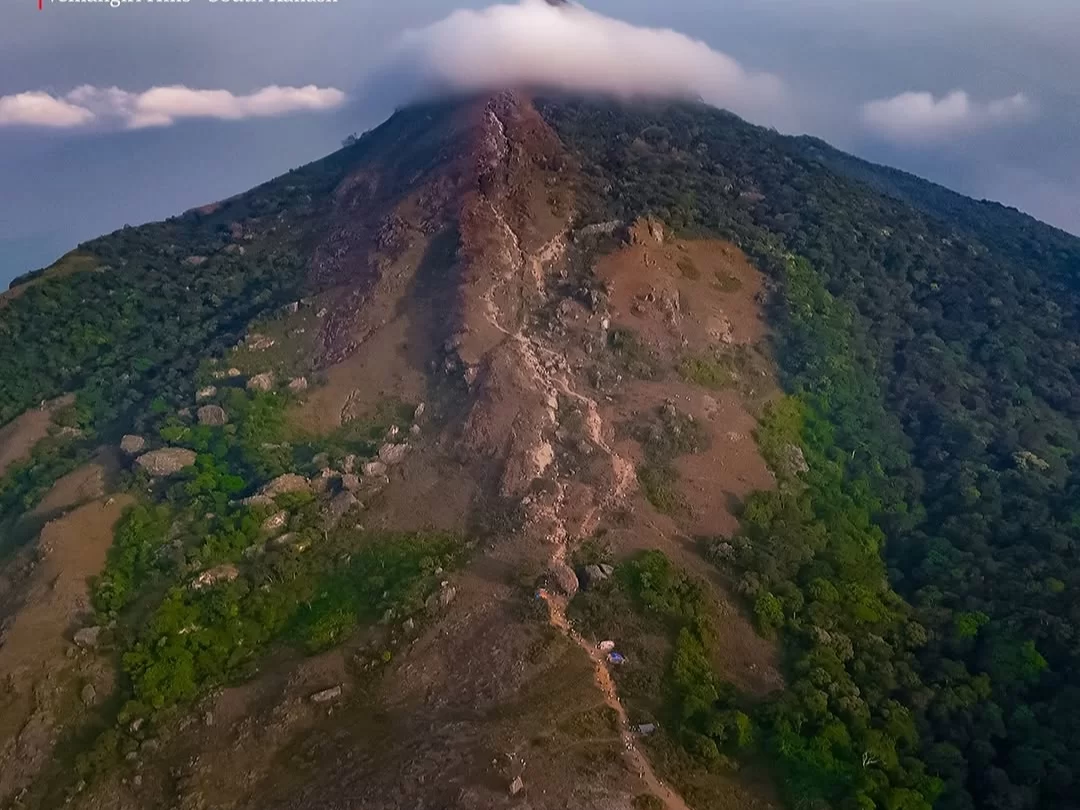
Tourists visit Velliangiri Hills mainly for the challenging uphill trek, scenic Western Ghats landscapes, and the famous Velliangiri Andavar Temple located on the upper hills. The route passes through dense forest stretches and open hill slopes, making it a popular seasonal pilgrimage and nature trek destination near Coimbatore.

Quick Facts About Velliangiri Hills

Quick Facts About Velliangiri Hills

Entry Fee No entry fee (forest entry rules and restrictions may apply during trekking season)
Timings Trek usually allowed during early morning hours (commonly from around 6:00 AM); timings and season depend on Tamil Nadu Forest Department permissions
Altitude (m) Approx. 1,840 m above sea level (highest point of the Velliangiri Hills)
Ideal Visit Duration 6 to 10 hours (round trek and return, depending on fitness and crowd)
Best Time of Day Early morning (cooler weather and safer trekking conditions)
Crowd Level Very high during Shivratri season and weekends; moderate on normal weekdays during trekking season
Distance from City Centre (km) Approx. 40 km from Coimbatore city centre (via Poondi / Isha area)
Walking Difficulty Challenging (steep uphill trek with rocky stretches and long-distance climb)
Parking Available Yes (basic parking available near the Poondi trekking base area)
Last Mile Access Road access available up to Poondi trekking base; final access is only by foot trekking
Suitable for Kids Not recommended for small children; only suitable for older kids with trekking experience and strong fitness
Suitable for Seniors Not recommended for most seniors due to steep climb, long trekking duration, and limited rest facilities
Wheelchair Friendly No (trekking route is not wheelchair accessible)

Why Visit Velliangiri Hills, Coimbatore

Velliangiri Hills is visited mainly for its demanding trekking route and its strong spiritual importance, especially for pilgrims heading towards the Velliangiri Andavar shrine on the upper hills. It attracts trekkers who want a full-day climb through the Western Ghats and visitors looking for a serious outdoor experience near Coimbatore.

The atmosphere on the trail is a mix of quiet forest stretches, steep rocky climbs, and open hill slopes with wide views. During the trekking season, the base area near Poondi becomes active early in the morning with groups of pilgrims, local vendors, and forest staff checkpoints, while the upper sections feel isolated and physically intense.

What makes Velliangiri Hills distinct is the combination of a high-altitude Western Ghats trek with a pilgrimage-style route that is climbed mostly on foot without road access beyond the base. The changing terrain, limited facilities on the climb, and the strong local belief connected to the hills make it a destination that feels more like a traditional mountain yatra than a typical viewpoint trip.

History and Religious Significance of Velliangiri Hills, Coimbatore

Velliangiri Hills has long been known in the Coimbatore region as a sacred pilgrimage hill associated with Lord Shiva, locally worshipped as Velliangiri Andavar. The trekking route is traditionally followed by devotees who climb the hills on foot as part of a religious vow, especially during the annual pilgrimage season that peaks around Maha Shivaratri.

The hills are closely linked with local Shaivite traditions, and the small temple structures and natural rock formations along the route are treated as spiritually important stopping points by pilgrims. Even today, the climb is viewed more as a yatra than a casual hike, and visitors will notice religious practices such as barefoot trekking, group chanting, and ritual offerings at specific points on the trail.

Best Time to Visit Velliangiri Hills, Coimbatore

The best time to visit Velliangiri Hills is during the official trekking season when forest entry is permitted and the trail is safer to climb. Weather plays a major role here, as rain makes the steep rocky path slippery and leech-prone, while summer heat can make the long uphill trek exhausting.
  • Ideal months: November to March (generally the most comfortable trekking window, depending on Forest Department opening dates).
  • Best weather conditions: Cool mornings, clearer visibility, and lower humidity, making the long climb more manageable.
  • Peak pilgrimage period: February to March, especially around Maha Shivaratri, when the route sees heavy pilgrim movement and long entry queues.
  • Periods to avoid: June to September (monsoon season) due to slippery rocks, heavy rain, forest safety restrictions, and higher chances of trek closures.
  • Less comfortable period: April to May, as the trek becomes physically difficult due to heat and dehydration risk, even if entry is open.

How to Reach Velliangiri Hills, Coimbatore

  • Nearest Airport: Coimbatore International Airport (CJB), around 45–55 km from the Velliangiri trekking base near Poondi. Taxis and app-based cabs are available from the airport to reach the base area.
  • Nearest Railway Station: Coimbatore Junction (CBE), approximately 35–45 km away. From the station, visitors can hire a taxi, auto, or local cab to reach Poondi / Boluvampatti side, depending on the trekking entry route in operation.
  • By Road: Velliangiri Hills is accessed by road from Coimbatore via the Siruvani–Poondi route. Regular buses and private vehicles operate towards the foothill villages during the trekking season, but service frequency can be limited early morning.
  • Last-Mile Connectivity: Motorable road access is available only up to the trekking base area near Poondi. Beyond this point, the climb to Velliangiri Hills is strictly on foot, and the route involves a steep uphill trek through forest terrain.
  • Important Travel Note: Trekking is seasonal and entry is controlled by forest authorities. Visitors should confirm whether the trek is officially open before planning travel, as access may be restricted during monsoon and wildlife-sensitive months.

What to Expect When You Visit Velliangiri Hills, Coimbatore

  • Steep full-day trek: Expect a long uphill climb with rocky and uneven paths, forest sections, and open hill slopes. The trek is physically demanding and usually takes several hours to reach higher points and return.
  • Forest check-post and regulated entry: Entry is typically controlled during the trekking season, with forest department checkpoints at the base. Visitors may need to follow fixed trekking hours and safety instructions.
  • Limited facilities on the trail: Basic amenities like small tea stalls or water points may be available only near the foothills during peak season. Once you climb higher, facilities are minimal and visitors must carry drinking water and essentials.
  • Natural terrain with minimal built infrastructure: The route is not a developed tourist walkway. Expect natural stone steps in some sections, loose gravel, steep slopes, and shaded forest stretches.
  • Pilgrim-focused crowd atmosphere: Many visitors climb as part of a religious pilgrimage, especially during Shivaratri season. You will commonly see groups trekking barefoot, chanting, and stopping for prayer at certain points.
  • Strong weather impact: Mornings can be cold and windy at higher elevations, while mid-day heat can be intense on exposed slopes. Sudden fog or light rain can reduce visibility and make the path slippery.
  • Wildlife-sensitive zone: As the trek passes through protected forest areas, visitors may notice strict rules about plastic use, littering, and movement timings. Loud music and disruptive behavior are usually discouraged.
  • No wheelchair or vehicle access beyond base: Access after the foothill entry is only by trekking, making it unsuitable for wheelchairs, strollers, and visitors with mobility limitations.

Important Visitor Information for Velliangiri Hills, Coimbatore

  • Crowd and weather notes: Crowd levels rise sharply during the trekking season, especially around Maha Shivaratri. Weather can change quickly on the hills, with cold winds and fog at higher elevations even when the foothills feel warm.
  • Peak and quiet visiting hours: The base area becomes busiest early morning when entry opens, as most trekkers start before sunrise to complete the climb safely. Weekdays outside festival periods are usually less crowded compared to weekends and special religious days.
  • Seasonal access limitation: Trekking is not open throughout the year. Forest authorities may restrict entry during monsoon months and wildlife-sensitive periods, so visitors should confirm trek availability before travelling.
  • Dress code: There is no formal dress code, but since the route is a pilgrimage trail, modest clothing is commonly followed. Footwear is essential for most visitors due to rocky terrain, though some pilgrims trek barefoot.
  • Safety notes: The trek involves steep climbs, slippery rocks after rain, and long stretches without medical facilities. Visitors should carry sufficient drinking water, basic first aid, and avoid starting late in the day due to limited permitted trekking hours.
  • Fitness requirement: This is a physically demanding trek and may not be suitable for people with breathing issues, heart conditions, or serious knee problems due to continuous uphill walking and high exertion.
  • Wildlife and forest rules: The route passes through protected forest zones, and strict rules against littering and plastic use may be enforced. Visitors should follow forest staff instructions and avoid straying from the marked trekking path.

Photography and Viewpoints at Velliangiri Hills, Coimbatore

  • Best viewpoints on the trek: Wide valley and forest views are best captured from the open hill stretches after the initial forest climb, where the landscape opens up and Coimbatore-side plains become visible on clear days.
  • Upper hill photography: Higher elevations offer dramatic shots of layered Western Ghats ridges, cloud movement, and steep rocky trail sections, especially during early morning when mist is common.
  • Best time for lighting: Early morning light is ideal for long landscape shots and clear visibility, while late afternoon can create strong shadows on the trail and is less preferred due to the need to descend before entry closing hours.
  • Forest stretch conditions: The lower forest sections are heavily shaded, so photos taken here often appear darker unless shot during brighter morning hours. Wildlife-sensitive areas may require visitors to move continuously without long stops.
  • Temple and pilgrimage points: Many visitors take photos near the Velliangiri Andavar shrine area and key resting points, but the space can become crowded during peak pilgrimage days, limiting clear wide-angle shots.
  • Crowd impact on photography: During Maha Shivaratri season and weekends, the trekking route becomes densely packed with pilgrims, making it difficult to capture clean trail photos without people in the frame.
  • Photography restrictions: There are generally no major photography restrictions on the trekking route, but visitors should follow forest staff instructions at checkpoints and avoid using drones unless officially permitted by local authorities.

Near By Attraction

Kovai Kutralam Waterfalls, scenic cascade near Coimbatore in Siruvani hills surrounded by lush forest and rocky cliffs Waterfall

Kovai Kutralam Water Falls

Kovai Kutralam Water Falls is a picturesque waterfall near Coimbatore, known for its natural beauty and forest surroundings.

Gopuram at Tirumala Venkateswara Temple during night, featuring illuminated tower and TTD sign, perfect spiritual experience Tirupati tour package. Temple

Then Tirupati Tirumala Srivari Ananda Nilayam

Then Tirupati Tirumala Srivari Ananda Nilayam is a revered temple dedicated to Lord Venkateswara, inspired by the Tirumala shrine.

Sri Naga Sai Mandir, beautifully decorated Shirdi Sai Baba temple with golden altar and floral offerings in Coimbatore Temple

Sri Naga Sai Mandir

Sri Naga Sai Mandir is a well-known temple in Coimbatore, dedicated to Shirdi Sai Baba and revered by devotees across the region.

Frequently Asked Questions About Velliangiri Hills

The best time to visit Velliangiri Hills is from February to May during the official trekking season. Weather conditions are generally safer and clearer during this period.
Velliangiri Hills can be reached by taxi bus or private vehicle to the base area followed by a trek to higher elevations. The starting point is accessible via main roads.
There is usually no major entry fee to begin the trek at Velliangiri Hills. Local authorities may regulate access during peak pilgrimage season.
Most travelers spend one full day or more trekking Velliangiri Hills depending on fitness level. Some visitors choose overnight treks during permitted seasons.
Trekking is allowed at Velliangiri Hills during designated months as regulated by forest authorities. The route includes steep and challenging sections.
Velliangiri Hills is not ideal for beginners due to steep inclines and long trekking distance. Proper physical preparation is recommended before attempting the climb.
Permits may be required to trek Velliangiri Hills during peak season as entry is regulated for safety and environmental protection.
Velliangiri Hills is generally closed during monsoon due to slippery trails and safety concerns. Heavy rainfall can make the trek dangerous.
Visitors trekking Velliangiri Hills should carry water energy snacks sturdy footwear and weather appropriate clothing. Medical fitness and preparation are important for the climb.
Velliangiri Hills can be combined with nearby temples waterfalls and nature reserves. These attractions are usually accessible within short travel distance from the base area.

Loved this place ? Let’s Plan Your Tamil Nadu Trip

Get customized Tamil Nadu tour planning designed around temple visit timing, seasonal weather comfort, road travel distances, and realistic pacing across regions. Whether you are visiting for architectural heritage, spiritual journeys, coastal relaxation,

⚑ Quick Response | πŸ’° Free consultation | πŸ•’ 24Γ—7 expert support

×

Plan Your Trip