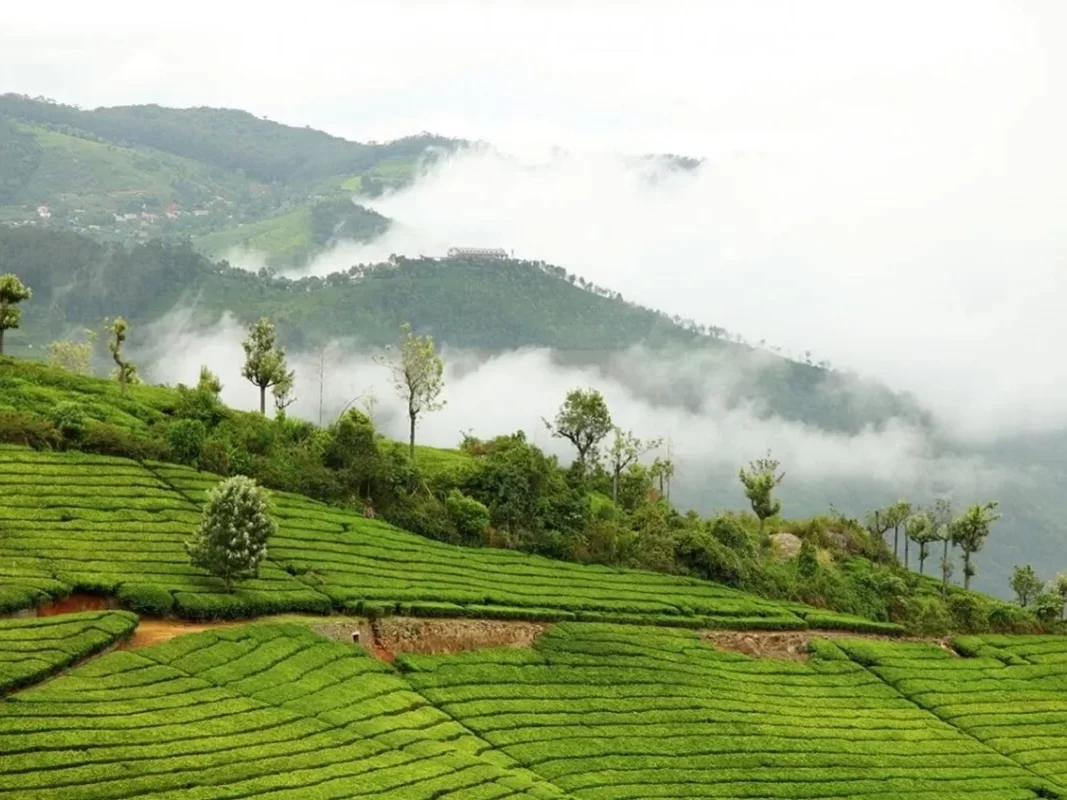
Tea Park, Ooty (Tamil Nadu, India)

Tea Park , Ooty
Tourists visit Tea Park mainly for short sightseeing breaks, tea-themed photo spots, and quick tea shopping or tasting options nearby. It is usually covered as part of Ooty local sightseeing routes rather than a full-day attraction.

Quick Facts About Tea Park

Quick Facts About Tea Park, Ooty

Entry Fee Varies (entry fee depends on the specific Tea Park setup and ticket policy at the time of visit)
Timings Typically open during daytime hours (exact timings may vary by season and management)
Altitude (m) Approx. 2,240 m above sea level (Ooty region altitude)
Ideal Visit Duration 20 minutes – 45 minutes
Best Time of Day Morning or late afternoon for comfortable weather and clearer views
Crowd Level Moderate on weekdays; high during weekends and peak season (April–June, October–January)
Distance from City Centre (km) Depends on the Tea Park location in Ooty (many tea parks/tea stops are within 5–10 km of Ooty town)
Walking Difficulty Easy (short walking area, generally suitable for casual visitors)
Parking Available Yes (usually limited parking near the entry area)
Last Mile Access Accessible by taxi, private vehicle, and local sightseeing tours
Suitable for Kids Yes
Suitable for Seniors Yes (minimal walking required)
Wheelchair Friendly Partially (depends on pathway condition and slope at the site)

Why Visit Tea Park, Ooty

Visitors stop at Tea Park in Ooty mainly to see tea-themed displays, spend a short time in a plantation-style setting, and explore tea-related counters or small exhibits. It is usually included as a quick break during local sightseeing drives around Ooty.

The on-ground atmosphere is casual and activity-focused, with visitors moving through small walking areas, photo points, and tea stalls. The surroundings often include tea bushes and landscaped sections, and the place tends to be busiest when tourist taxis arrive in groups.

What makes Tea Park distinct for travelers is that it combines a short plantation-style visit with tea tasting and shopping in one stop, without needing a full estate tour. It suits visitors who want a tea-related experience within limited time, especially as part of a packed Ooty itinerary.

History of Tea Park, Ooty

Tea Park in Ooty is a modern tourism-oriented attraction developed to highlight Nilgiri tea as part of local sightseeing routes. Unlike heritage tea estates or colonial-era factories, it functions mainly as a visitor stop designed for short plantation-style experiences, tea displays, and retail counters.

Its relevance is connected to the wider tea-growing identity of the Nilgiris, where tea plantations have shaped the region’s landscape and economy for generations. The park itself is not known for historical monuments or religious importance, and it is primarily valued as a contemporary tourist facility.

Best Time to Visit Tea Park, Ooty

Tea Park in Ooty can be visited in all seasons, but the experience is better when the weather is dry and visibility is clear for viewing tea-covered slopes and enjoying short outdoor walks. During monsoon months, rain and mist can reduce comfort and limit the overall outdoor experience.
  • Ideal months: October to March for cooler weather and clearer skies; April to early June is also suitable for sightseeing before heavy rains begin.
  • Best-season weather: Cool daytime temperatures with fresh air and better visibility, making it easier to walk around tea sections and enjoy the outdoor setting.
  • Periods to avoid: July to September due to frequent rainfall, slippery ground conditions, and dense fog that can reduce views and shorten the visit experience.

How to Reach Tea Park, Ooty

  • Nearest airport: Coimbatore International Airport (CJB), approx. 85–100 km from Ooty. From Coimbatore, travelers typically reach Ooty by taxi or private cab via Mettupalayam.
  • Nearest railway station: Udagamandalam (Ooty) Railway Station on the Nilgiri Mountain Railway is the closest station within town. For major train connectivity, Mettupalayam Railway Station is the main railhead, from where visitors continue by taxi or toy train.
  • By road: Ooty is connected by hill roads from Mettupalayam, Coonoor, and Mysuru. Tea Park is usually reached by local sightseeing routes and is accessible through standard town and plantation-side roads.
  • Last-mile connectivity: Local taxis, autos, and sightseeing cabs can drop visitors directly at the Tea Park entry area. Most tourists visit it as part of an Ooty sightseeing cab package.
  • Travel conditions to note: Roads around Ooty include sharp bends and steep stretches, and fog is common in mornings, so daytime travel is more comfortable for visitors unfamiliar with Nilgiri hill driving.

What to Expect When You Visit Tea Park, Ooty

  • Small tea-themed tourist stop: Expect a short visit setup focused on tea-related displays, plantation-style surroundings, and quick sightseeing rather than a large estate walk.
  • Outdoor environment: The area typically includes tea bushes, landscaped sections, and open spaces that are suitable for short walking and photo stops, depending on the exact Tea Park layout.
  • Limited time experience: Most visitors spend a short duration here, mainly for photos, brief walking, and tea-related browsing before continuing to other Ooty attractions.
  • Tea counters and small stalls: Tea tasting, packaged tea sales, and basic souvenir-style counters are commonly available, but the range of products and services depends on the management and season.
  • Easy accessibility: Tea Park is generally accessible directly by road, with minimal walking required from parking or drop-off points, making it suitable for most age groups.
  • Peak crowd behavior: Crowding is usually linked to tourist cab timings, with groups arriving together during late morning and afternoon hours, which can reduce quiet photo opportunities.
  • Weather impact: Cold wind, fog, and sudden rain are common in Ooty, and these conditions can affect visibility and comfort, especially during monsoon and winter mornings.
  • Basic facilities: Seating and clean restroom availability may not be consistent, so visitors should not expect full-scale garden-style facilities like large parks.

Important Visitor Information for Tea Park, Ooty

  • Crowd and weather notes: Tea Park is usually busiest during summer season and weekends when sightseeing taxis arrive in groups. Fog, cold wind, and sudden rain are common in Ooty and can affect visibility and comfort during the visit.
  • Peak visiting hours: 11:00 AM to 2:30 PM is typically the most crowded period due to scheduled tourist cab routes and group stops.
  • Quiet visiting hours: Early morning (around 9:00 AM to 10:30 AM) and late afternoon are usually calmer for walking and photography.
  • Dress code: No dress code applies, but warm clothing is recommended because the area can feel cold even during daytime.
  • Safety notes: Some tea garden sections may have uneven ground and wet patches during monsoon months, so careful walking is required, especially for seniors and children.
  • Roadside caution: Since Tea Park is often located along sightseeing routes, vehicle movement and parking congestion can occur near the entrance during peak hours.

Photography and Viewpoints at Tea Park, Ooty

  • Tea garden photo points: The main photography areas are usually the tea bush sections and landscaped tea-themed corners where visitors can capture plantation-style backgrounds without entering a full tea estate.
  • Best angles for tea landscape shots: Side-angle frames along the plantation edges work best for capturing the curved tea rows and slope patterns that are typical of the Nilgiri region.
  • Best time for lighting: Morning hours provide softer light and clearer visibility before mist thickens. Late afternoon light can be warmer but may be affected by cloud cover common in Ooty.
  • Fog and visibility impact: Tea Park photography is highly weather-dependent, and foggy conditions can reduce background depth, especially during monsoon and winter mornings.
  • Crowd and access factors: During peak hours, photo spots may be occupied by tourist groups, and it can be difficult to get uninterrupted frames without people in the background.
  • Photography rules: General personal photography is usually allowed, but any restrictions depend on the management and signage at the entry, especially near tea counters or private display areas.
  • Movement limitations: Some tea garden areas may have narrow walking space, and standing near edges for photos may be unsafe during wet weather or when the ground is slippery.

Near By Attraction

Stunning sunset Ooty Lake Udhagamandalam Nilgiris Tamil Nadu India golden orange sky reflections on serene emerald waters distant boats silhouetted eucalyptus shola forests hills blue clouds foreground branches, perfect Nilgiri hill station romantic tour  Lake

Ooty Lake

Ooty Lake is a man-made freshwater lake located in Udhagamandalam (Ooty) in the Nilgiris district of Tamil Nadu.
Government Botanical Garden Botanical Garden

Government Botanical Garden

Government Botanical Garden is a historic public botanical garden located in Udhagamandalam (Ooty) in the Nilgiris district of Tamil Nadu.

Lush Nilgiri Hills Tamil Nadu India aerial view showcasing terraced tea plantations winding roads scattered village homes small lake surrounded by eucalyptus shola forests rolling green hills, perfect Ooty Coonoor hill station tour package Mountain

Nilgiri Hills

Nilgiri Hills is a major mountain range in the Western Ghats, known for hill stations like Ooty and Coonoor, tea estates, forests, and scenic viewpoints.

Frequently Asked Questions About Tea Park

The best time to visit Tea Park is from October to March when the weather is pleasant for exploring tea gardens and outdoor displays. Morning hours usually provide clearer views of the surrounding hills.
Tea Park is generally open during standard daytime hours with fixed closing times in the evening. Timings may vary slightly on public holidays.
Tea Park charges a nominal entry fee for visitors. Additional charges may apply for guided tours or special exhibitions.
Tea Park can be reached easily by taxi bus or private vehicle as it is located in a well connected hill region. The entrance is accessible from main roads.
Most travelers spend one to two hours at Tea Park. The visit usually includes walking through tea sections and viewing informational exhibits.
Tea Park features tea plantations demonstration areas and displays explaining tea processing methods. Informational boards provide basic insights into cultivation and production.
Tea Park is suitable for families due to its open layout and educational value. Visitors should supervise children on sloped garden paths.
Guided tours may be available at Tea Park depending on staff schedules. Guides typically explain tea history cultivation and processing techniques.
Tea Park can be visited during monsoon when the greenery appears more vibrant and lush. Rain may make pathways slippery so caution is advised.
Tea Park can be combined with nearby viewpoints botanical gardens and hill attractions. These places are usually accessible within short travel distance.

Loved this place ? Let’s Plan Your Tamil Nadu Trip

Get customized Tamil Nadu tour planning designed around temple visit timing, seasonal weather comfort, road travel distances, and realistic pacing across regions. Whether you are visiting for architectural heritage, spiritual journeys, coastal relaxation,

⚑ Quick Response | πŸ’° Free consultation | πŸ•’ 24Γ—7 expert support

×

Plan Your Trip