Quick Facts About Sri Ranganatha Swamy Temple
Quick Facts About Sri Ranganatha Swamy Temple
| Entry Fee | Free |
|---|---|
| Timings | 6:00 AM – 12:30 PM, 4:00 PM – 8:00 PM |
| Altitude (m) | 67 |
| Ideal Visit Duration | 2–3 hours |
| Best Time of Day | Morning for rituals and evening for temple lighting |
| Crowd Level | High during festivals; moderate on weekdays |
| Distance from City Centre (km) | 6 km from Tiruchirappalli city centre |
| Walking Difficulty | Moderate, with long corridors and steps |
| Parking Available | Yes, limited temple and nearby public parking |
| Last Mile Access | Auto-rickshaw, taxis, and pedestrian access |
| Suitable for Kids | Yes, under supervision |
| Suitable for Seniors | Yes, though some areas require walking |
| Wheelchair Friendly | Partial; ramps available in limited areas |
Why Visit Sri Ranganatha Swamy Temple
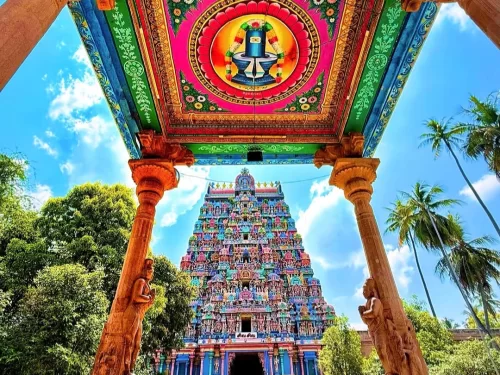
Sri Ranganatha Swamy Temple attracts pilgrims and tourists for its status as one of the largest functioning Vaishnavite temples in India, renowned for its intricate Dravidian architecture and sacred sanctum.
The temple atmosphere is vibrant, with devotees participating in daily rituals, ringing temple bells, and chanting, creating an immersive spiritual experience. Courtyards and pillared halls offer spaces for reflection and observation of traditional temple practices.
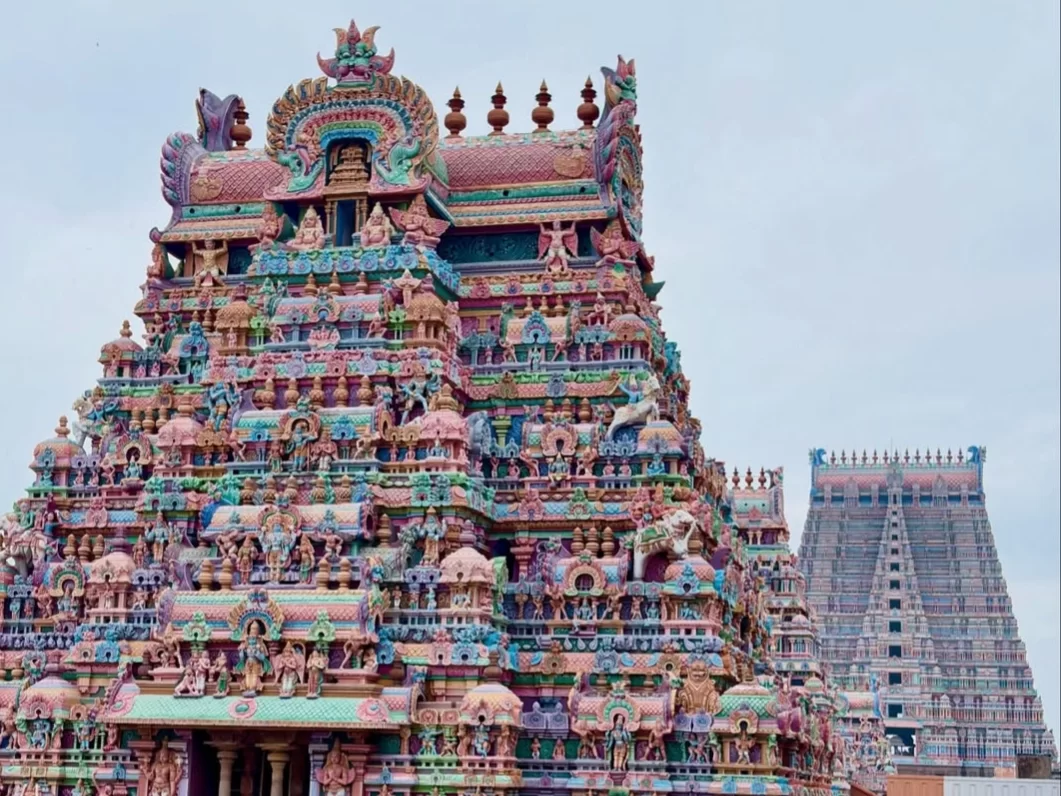
What sets this temple apart is its monumental gopurams, detailed carvings, and extensive corridors, providing both architectural grandeur and an authentic cultural experience that draws both spiritual visitors and architecture enthusiasts.
History of Sri Ranganatha Swamy Temple
Sri Ranganatha Swamy Temple, located on Srirangam Island, was established between the 9th and 12th centuries and expanded under the patronage of the Chola, Pandya, and Vijayanagara dynasties.
The temple is a major center of Vaishnavism, housing the deity Ranganatha, a reclining form of Vishnu, and serves as a key site for religious festivals, rituals, and pilgrimages, reflecting centuries of devotional and cultural significance.
Best Time to Visit Sri Ranganatha Swamy Temple
The best time to visit Sri Ranganatha Swamy Temple is during the cooler months, when the weather is comfortable for exploring the expansive temple complex and attending rituals and festivals.
- Ideal months: November to February
- Weather conditions: Mild temperatures ranging from 20°C to 30°C, low humidity, and clear skies for temple visits and photography
- Periods to avoid: April to June, due to high heat and humidity, which can make walking through the large complex uncomfortable
How to Reach Sri Ranganatha Swamy Temple
- Nearest airport: Tiruchirappalli International Airport (TRZ), approximately 13 km from the temple, with taxi and cab services available.
- Nearest railway station: Srirangam Railway Station, just 2 km away; Tiruchirappalli Junction is 12 km away with frequent train connections.
- Road access and last-mile connectivity: The temple is well-connected by local buses, auto-rickshaws, and taxis from Tiruchirappalli city; narrow streets near the temple can get crowded during peak hours.
What to Expect When You Visit Sri Ranganatha Swamy Temple
- The temple complex is expansive, featuring multiple gopurams, courtyards, and sacred tanks; it is well-maintained but can become crowded during festivals.
- Facilities include clean pathways, designated prayer areas, and public restrooms; limited food stalls are available near the entrance.
- Movement within the temple involves walking across stone-paved courtyards and steps; visitors should wear comfortable footwear and be prepared for moderate walking.
- Typical visitor behavior is respectful and devotional; crowds increase significantly during major religious events, affecting personal space and pace of movement.
Important Visitor Information for Sri Ranganatha Swamy Temple
- Temple sees the highest crowds during major festivals like Vaikunta Ekadasi; weekdays and early mornings are comparatively quieter.
- Ideal visiting hours are early morning (6:00 AM – 9:00 AM) and late afternoon (4:00 PM – 6:00 PM) to avoid peak crowd congestion.
- Visitors are expected to dress modestly, covering shoulders and knees; shoes must be removed before entering the sanctum areas.
- Carry water, especially during hot months; be cautious on stone steps and slippery surfaces near temple tanks.
Photography and Viewpoints at Sri Ranganatha Swamy Temple
- Capture the temple's iconic gopurams from the main entrance for full architectural framing, preferably in the early morning for soft, diffused light.
- Wide-angle shots of the temple tank (Sri Rangam Theertham) work best during late afternoon when sunlight highlights the water reflections.
- Photography is permitted in external courtyards and public areas; however, the sanctum sanctorum and inner shrine areas prohibit cameras and mobile photography.
- Early mornings and weekdays offer clearer shots with fewer visitors; festival days can make photography challenging due to large crowds.