Quick Facts About Sri Padmavati Ammavaari Temple Tiruchanur
Sri Padmavati Ammavari Temple, Tiruchanur Quick Facts
| Entry Fee | Free for general darshan; special entry darshan and sevas are available at prescribed charges set by TTD. |
|---|---|
| Timings | Generally 5:00 AM–9:00 PM; timings may vary during festivals, sevas, and temple events. |
| Altitude (m) | Approximately 160 m |
| Ideal Visit Duration | 1–2 hours, depending on the darshan queue. |
| Best Time of Day | Early morning for shorter queues or evening for aarti and a cooler atmosphere. |
| Crowd Level | Moderate on weekdays; very high during Fridays, Navaratri, Kartika Brahmotsavam, and public holidays. |
| Distance from City Centre (km) | Approximately 5 km from Tirupati city centre. |
| Walking Difficulty | Easy; the temple complex has level pathways with organized queue arrangements. |
| Parking Available | Yes, parking facilities are available near the temple complex. |
| Last Mile Access | Accessible by motorable road, followed by a short walk through the temple entrance and queue complex. |
| Suitable for Kids | Yes |
| Suitable for Seniors | Yes; separate arrangements may be available for senior citizens as per TTD regulations. |
| Wheelchair Friendly | Partially; the main temple approach is accessible, though access may vary depending on queue management and temple procedures. |
Why Visit Sri Padmavati Ammavaari Temple, Tiruchanur
Visitors come to Sri Padmavati Ammavaari Temple to seek the blessings of Goddess Padmavati, the consort of Lord Venkateswara. It is one of the most important pilgrimage sites near Tirupati and is traditionally visited by devotees before or after their darshan at Tirumala.
The atmosphere is devotional throughout the day, with regular pujas, Vedic chants, and a steady flow of pilgrims. The well-maintained temple complex provides an organized setting for worship, while major festivals bring vibrant religious processions and cultural celebrations.
What makes Sri Padmavati Ammavaari Temple distinct is its exclusive dedication to Goddess Padmavati and its close spiritual connection with the Tirumala pilgrimage. Its religious significance, Dravidian temple architecture, and active worship traditions make it an essential stop for devotees visiting the Tirupati region.
History of Sri Padmavati Ammavaari Temple, Tiruchanur
Sri Padmavati Ammavaari Temple is a prominent Hindu temple located in Tiruchanur near Tirupati in Andhra Pradesh. The temple is dedicated to Goddess Padmavati, regarded as an incarnation of Goddess Lakshmi and the divine consort of Lord Venkateswara. It has been an important Vaishnavite pilgrimage center for centuries, with inscriptions indicating the temple received patronage from several South Indian dynasties, including the Cholas, Pandyas, and Vijayanagara rulers.
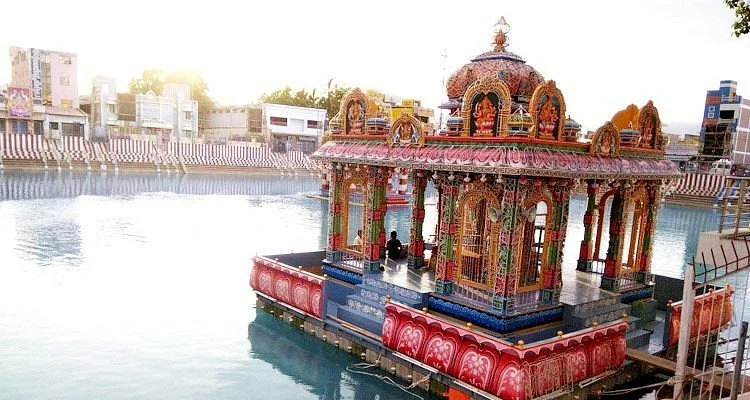
According to Hindu tradition, Goddess Padmavati appeared on a golden lotus in the sacred Padma Sarovaram before her marriage to Lord Venkateswara. This religious tradition forms the spiritual foundation of the temple and is an integral part of the Tirupati pilgrimage. The temple's present structure has undergone renovations and expansions over different periods while preserving its religious significance.
Today, Sri Padmavati Ammavaari Temple is one of the most visited temples in Andhra Pradesh. Managed by the Tirumala Tirupati Devasthanams (TTD), it is customary for many pilgrims to seek the blessings of Goddess Padmavati before or after visiting the Tirumala Venkateswara Temple.
Best Time to Visit Sri Padmavati Ammavaari Temple, Tiruchanur
The best time to visit Sri Padmavati Ammavaari Temple is from October to March, when the weather is relatively pleasant for temple visits and exploring Tiruchanur. The temple remains open throughout the year, with the annual Karthika Brahmotsavam drawing large numbers of devotees.
- Ideal months: October to March for comfortable weather, with November–December being especially significant during the Sri Padmavati Brahmotsavam (dates vary according to the Hindu calendar).
- Best season conditions: Mild mornings and evenings make it convenient for darshan, walking around the temple complex, and visiting nearby religious sites.
- Periods to avoid: April to June if possible, as daytime temperatures can be very high. During major festivals, expect long queues and increased waiting times due to heavy pilgrim turnout.
How to Reach Sri Padmavati Ammavaari Temple, Tiruchanur
- Nearest Airport: The nearest airport is Tirupati Airport (Renigunta), approximately 15 km from Sri Padmavati Ammavaari Temple. Taxis, app-based cabs, and APSRTC buses are available for the short journey to Tiruchanur.
- Nearest Railway Station: Tirupati Railway Station, about 5 km away, is the nearest major railhead with frequent train services from Chennai, Bengaluru, Hyderabad, and other major cities. Renigunta Junction, around 10 km away, is another important railway station.
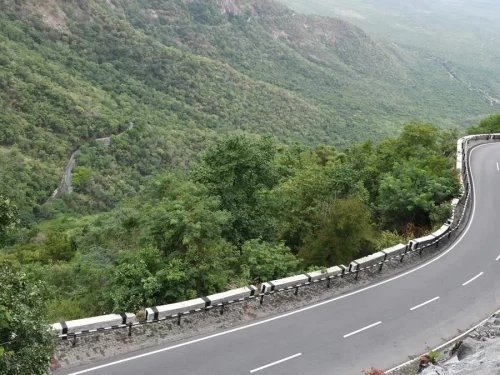
- By Road: Sri Padmavati Ammavaari Temple is located in Tiruchanur, around 5 km southeast of Tirupati city. It is easily accessible via well-maintained roads, with frequent APSRTC buses, local buses, auto-rickshaws, taxis, and app-based cabs operating between Tirupati and the temple. Parking facilities are available near the temple, though traffic and waiting times increase during weekends, festivals, and the annual Padmavati Brahmotsavam.
What to Expect When You Visit Sri Padmavati Ammavaari Temple, Tiruchanur
- Sri Padmavati Ammavaari Temple is a major Hindu pilgrimage site in Tiruchanur, near Tirupati, dedicated to Goddess Padmavati. The temple complex is well maintained and experiences a steady flow of devotees throughout the year.
- Visitors can expect organized darshan arrangements with separate queues during normal and peak periods. Waiting times vary depending on the day, festival schedule, and pilgrim turnout.
- The temple premises are spacious with paved walkways, covered queue corridors, and designated entry and exit points, making movement within the complex relatively convenient.
- Facilities such as parking, drinking water, restrooms, footwear deposit counters, prasadam counters, cloakrooms, and shops selling flowers and puja items are available around the temple.
- As an active place of worship, visitors are expected to wear modest clothing, remove footwear before entering the temple, and follow the instructions issued by temple authorities.
- Photography and videography are generally not permitted inside the main temple and sanctum. Mobile phone usage may also be restricted in certain areas.
- The temple receives particularly heavy crowds during the annual Brahmotsavam, Fridays, weekends, and other important Hindu festivals, which can result in longer queues for darshan.
- Security checks are conducted at the entrance, and visitors should carry only essential belongings to make the entry process quicker and more convenient.
Important Visitor Information for Sri Padmavati Ammavaari Temple, Tiruchanur
- Crowd and weather: The temple experiences the highest footfall during the annual Karthika Brahmotsavam, Fridays, weekends, and major Hindu festivals. Summers can be hot, so morning and evening visits are generally more comfortable.
- Peak and quiet visiting hours: Early morning is usually the best time for a shorter wait and a peaceful darshan. Mid-morning, evenings, Fridays, and festival days typically have longer queues due to increased pilgrim traffic.
- Dress code: Sri Padmavati Ammavaari Temple is a major Hindu pilgrimage site. Visitors are expected to wear modest, traditional attire suitable for temple worship. Footwear must be removed before entering the temple premises.
- Safety and practical cautions: Follow the designated queue system and instructions from temple staff, especially during festivals and peak pilgrimage periods. Keep personal belongings secure in crowded areas and be prepared for extended waiting times during special religious occasions.
Photography and Viewpoints at Sri Padmavati Ammavaari Temple, Tiruchanur
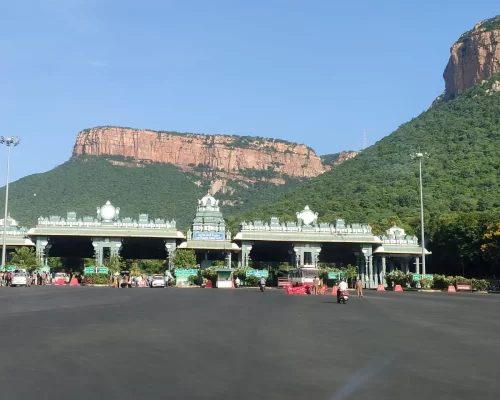
- The temple entrance, Rajagopuram, and the outer courtyard offer the best locations for capturing the Dravidian architecture and the overall temple complex.
- Early morning provides softer light and fewer devotees, while the illuminated temple exterior after sunset is suitable for exterior photographs during permitted hours.
- Photography is generally allowed in the outer temple premises. However, photography and videography are prohibited inside the sanctum (garbhagriha) and in restricted worship areas. Visitors should follow instructions issued by the temple authorities.
- During festivals, especially the annual Padmavati Brahmotsavam, the temple attracts large crowds, which can limit clear views of the entrance and courtyard for photography.
- The temple tank (Padma Sarovaram) and the open areas around the complex provide wider angles to capture the Rajagopuram and the temple's traditional architectural features.