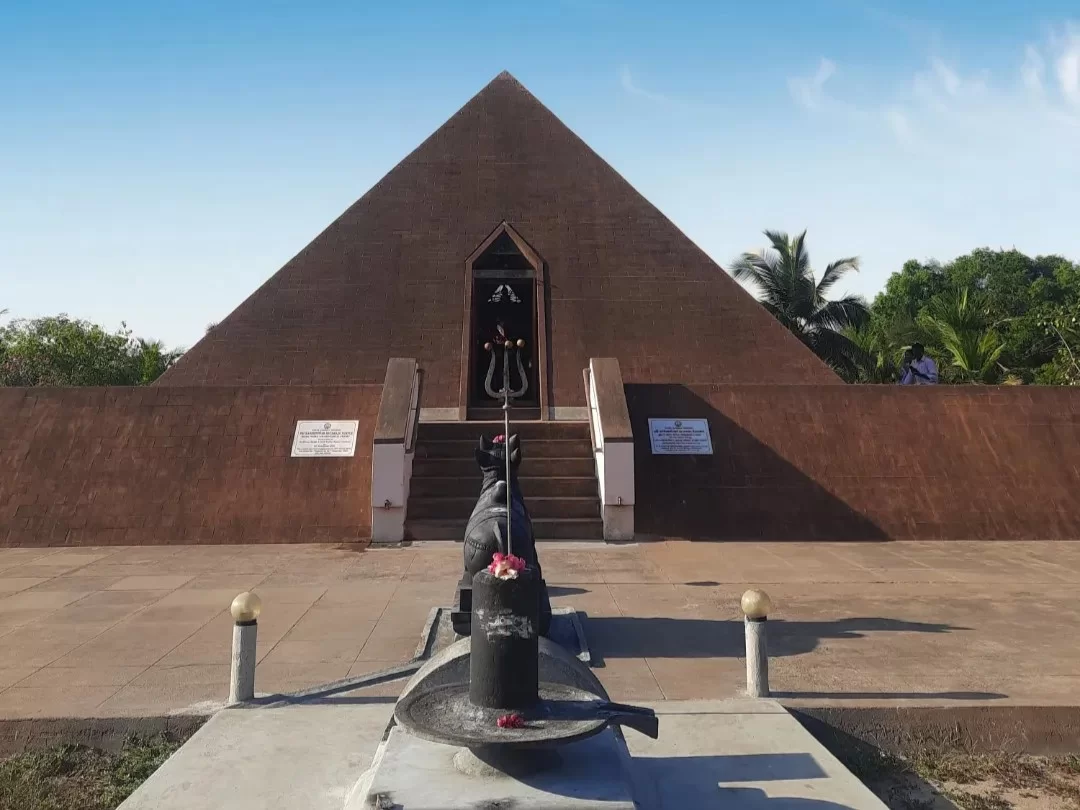
Quick Facts About Sri Karaneswar Nataraja Temple
Sri Karaneswar Nataraja Temple Quick Facts
| Entry Fee | No entry fee |
| Timings | Generally open from 6:00 AM to 12:00 PM and 4:00 PM to 8:00 PM daily |
| Altitude (m) | Approximately 20 m above sea level |
| Ideal Visit Duration | 45 minutes–1.5 hours |
| Best Time of Day | Morning or evening for peaceful darshan and coastal breeze |
| Crowd Level | Low to moderate; higher during festivals and special poojas |
| Distance from City Centre (km) | Approximately 2–3 km from Karaikal town centre (Puducherry region) |
| Walking Difficulty | Easy; temple located in flat coastal town area |
| Parking Available | Yes, limited parking available near temple premises |
| Last Mile Access | Direct road access within Karaikal town followed by short walk |
| Suitable for Kids | Yes |
| Suitable for Seniors | Yes |
| Wheelchair Friendly | Partially; main areas accessible but some inner sections may have steps |
Why Visit Sri Karaneswar Nataraja Temple
Visitors come to Sri Karaneswar Nataraja Temple to worship Lord Shiva in his Nataraja form and experience a serene spiritual site dedicated to divine cosmic dance symbolism.
The atmosphere is calm and devotional, with traditional rituals, temple prayers, and a peaceful setting that attracts devotees and spiritual seekers.
What makes Sri Karaneswar Nataraja Temple distinct is its representation of Lord Shiva as Nataraja, its cultural and spiritual significance in the region, and its role as a peaceful center of worship reflecting classical Shaivite traditions.
History of Sri Karaneswar Nataraja Temple
Sri Karaneswar Nataraja Temple is a revered Hindu shrine dedicated to Lord Shiva in his form as Nataraja, the cosmic dancer. The temple is associated with ancient Shaivite traditions that celebrate the concept of cosmic creation, preservation, and dissolution through divine dance.
According to local tradition, the temple has long served as an important center of worship for devotees of Lord Shiva, with rituals and festivals reflecting classical Tamil Shaiva practices. Over time, it became a significant spiritual landmark for surrounding communities.
Today, Sri Karaneswar Nataraja Temple remains an active place of worship, attracting devotees who come to experience its spiritual atmosphere and its connection to the rich cultural and devotional heritage of Shaivism.
Best Time to Visit Sri Karaneswar Nataraja Temple
Sri Karaneswar Nataraja Temple is best visited from October to March when Pondicherry experiences pleasant coastal weather, making it comfortable for darshan, spiritual activities, and exploring the temple surroundings.
- Ideal months: October to March is the most favorable period to visit Sri Karaneswar Nataraja Temple, offering comfortable temperatures and enjoyable conditions for pilgrimage and sightseeing.
- Weather conditions during the best season: Pleasant sea breezes, moderate temperatures, and lower humidity provide ideal conditions for attending rituals, exploring the temple complex, and experiencing its peaceful spiritual atmosphere.
- Periods to avoid: April to June can be hot and humid in coastal Tamil Nadu, making daytime visits less comfortable. The monsoon season from July to September brings periodic rainfall that may affect outdoor movement and sightseeing around the temple area.
How to Reach Sri Karaneswar Nataraja Temple
- Nearest Airport: Puducherry Airport, located approximately 5 km from Sri Karaneswar Nataraja Temple, is the nearest airport. Chennai International Airport, about 135 km away, is another major option with wider connectivity.
- Nearest Railway Station: Puducherry Railway Station, about 4 km away, is the nearest railway station and offers regular connectivity to Chennai, Villupuram, and nearby cities.
- Road Access and Last-Mile Connectivity: Sri Karaneswar Nataraja Temple is situated in the coastal region of Puducherry and is easily accessible by private vehicle, taxi, auto-rickshaw, and local bus services. The final approach is fully motorable, with parking available near the temple area. A short walk leads to the temple entrance. The site remains accessible throughout the year and is commonly visited as part of Puducherry’s temple and beach circuit.
What to Expect When You Visit Sri Karaneswar Nataraja Temple
- Environment and Surroundings: Sri Karaneswar Nataraja Temple is a traditional Shiva temple known for its spiritual ambiance and cultural significance. Visitors can expect a peaceful devotional setting with temple architecture reflecting classical South Indian styles and regular worship activities throughout the day.
- Facilities and Amenities: Basic facilities such as shoe storage areas, drinking water points, prasadam counters, and small shops selling religious offerings are available near the temple. Additional restaurants and accommodation options can be found in the surrounding locality.
- Accessibility and Movement: The temple is easily accessible by road and can be explored on foot through courtyards, mandapas, and sanctum pathways. Movement within the premises is generally simple and suitable for all visitors.
- Visitor Conditions: Devotees visit throughout the year for darshan and special pujas, with increased crowd levels during Shivaratri, Mondays, and other Hindu festivals. Visitors are expected to follow temple customs, maintain silence in sacred areas, and dress modestly.
Important Visitor Information for Sri Karaneswar Nataraja Temple
- Sri Karaneswar Nataraja Temple experiences higher devotee footfall during Maha Shivaratri, Pradosham days, Mondays, weekends, and major Hindu festivals.
- Early morning hours generally offer a peaceful atmosphere for darshan and worship, while evenings and festival periods tend to attract larger crowds.
- The temple remains accessible throughout the year, though coastal weather conditions may occasionally bring humidity and rainfall that affect movement around the premises.
- Modest attire is recommended within the temple premises, and footwear must be removed before entering the shrine area.
- Visitors should follow temple customs, maintain decorum during prayers and rituals, respect queue arrangements during peak hours, and observe any photography restrictions within the temple complex.
Photography and Viewpoints at Sri Karaneswar Nataraja Temple
- The best photographs are captured from the temple entrance and courtyard, where the traditional Dravidian-style architecture, sacred Nataraja shrine, and coastal spiritual ambiance can be framed together.
- Early morning provides soft natural light and a calm atmosphere, making it ideal for photographing the temple exterior before devotee activity increases.
- The carved stone pillars, mandapam, gopuram details, and Nataraja iconography are best photographed during daylight hours when craftsmanship and textures are clearly visible.
- The surrounding temple complex offers multiple angles to capture the shrine within its peaceful coastal or village setting.
- Photography is generally permitted in exterior public areas, but photography inside the sanctum sanctorum and during rituals may be restricted. Visitors should follow temple guidelines.
- Major festivals such as Maha Shivaratri, Pradosham days, and special pujas attract larger crowds, which can affect access to preferred photography viewpoints.
- Weekdays and early mornings usually provide quieter conditions, while weekends and festival days may bring higher footfall inside the temple premises.