Quick Facts About Ooty Mountain View Point
Ooty Mountain View Point Quick Facts
| Entry Fee | No entry fee (some viewpoints may have small parking charges) |
| Timings | Open 24 hours; best visited during daylight (6:00 AM–6:30 PM) |
| Altitude (m) | Approximately 2,240 m above sea level |
| Ideal Visit Duration | 1–2 hours |
| Best Time of Day | Early morning for clear valley views and sunrise photography |
| Crowd Level | High during peak tourist season, holidays, and summer months |
| Distance from City Centre (km) | Approximately 2–5 km from Ooty town centre (varies by viewpoint) |
| Walking Difficulty | Easy to Moderate; some viewpoints require short uphill walks |
| Parking Available | Yes, limited parking available near major viewpoints |
| Last Mile Access | Direct road access up to viewpoints followed by short walking paths |
| Suitable for Kids | Yes, with supervision near cliff edges |
| Suitable for Seniors | Yes, but some viewpoints may require short walking uphill |
| Wheelchair Friendly | Partially; only select viewpoints have accessible paved areas |
Why Visit Ooty Mountain View Point
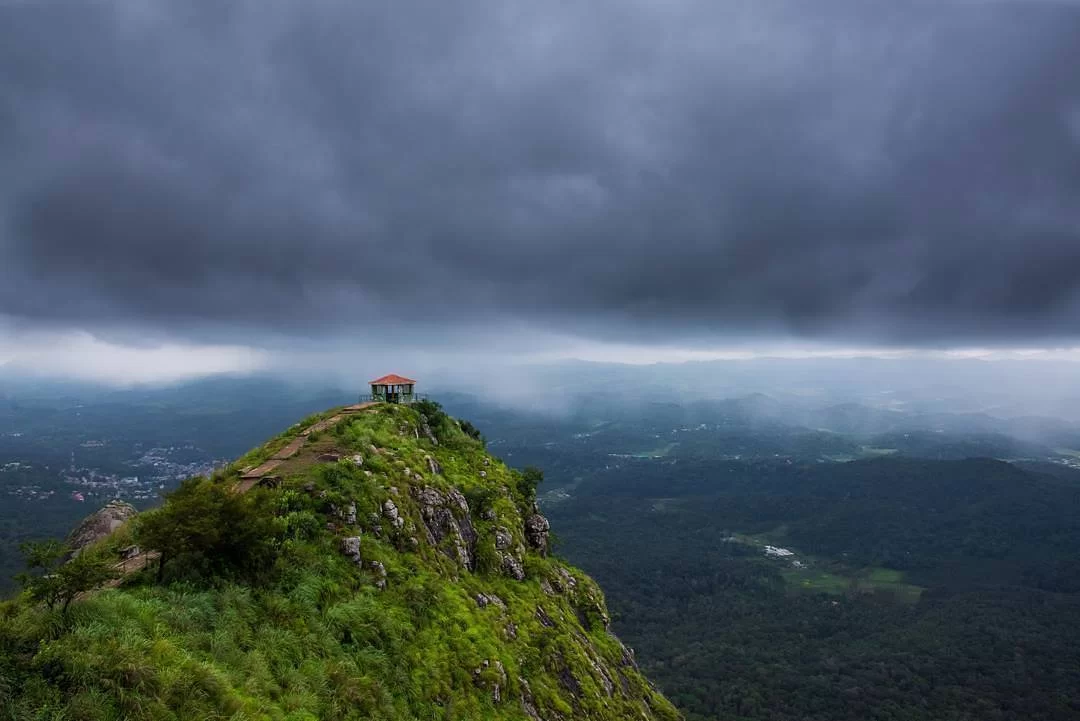
Visitors come to Ooty Mountain View Point to experience sweeping views of the Nilgiri hills, tea plantations, and winding mountain roads that define the Ooty landscape.
The atmosphere is cool and refreshing, with mist-covered valleys, shifting clouds, and open viewpoints that make it a popular stop for photography and sightseeing.
What makes Ooty Mountain View Point distinct is its elevated panoramic perspective over the Western Ghats, its ever-changing weather conditions, and its ability to showcase the layered hill scenery of the Nilgiris in a single frame.
History of Ooty Mountain View Point
Ooty Mountain View Point refers to several scenic viewpoints in and around Ooty (Udhagamandalam), a historic hill station in the Nilgiri Hills of Tamil Nadu. The region was developed during the early 19th century under British colonial rule as a summer retreat due to its cool climate and lush mountainous landscapes.
As Ooty grew into an important hill station, various viewpoints were identified and developed along the Nilgiri hills to showcase the surrounding valleys, tea plantations, and forested slopes. These viewpoints became part of the region’s tourism infrastructure, attracting visitors seeking panoramic views of the Western Ghats.
Today, Ooty Mountain View Points are among the most visited attractions in the Nilgiris, offering sweeping vistas of mist-covered mountains and contributing to Ooty’s identity as one of India’s premier hill destinations.
Best Time to Visit Ooty Mountain View Point
Ooty Mountain View Point is best visited from October to June when the Nilgiris experience pleasant weather, clear valley views, and misty landscapes, making it ideal for sightseeing, photography, and enjoying panoramic views of the Western Ghats.
- Ideal months: October to June is the most favorable period to visit Ooty Mountain View Point, offering comfortable temperatures and excellent visibility.
- Weather conditions during the best season: Cool to mild temperatures, fresh mountain air, and occasional mist provide ideal conditions for enjoying sunrise views, valley panoramas, and scenic photography of the Nilgiri hills.
- Periods to avoid: July to September brings heavy monsoon rainfall, dense fog, and slippery conditions, which can reduce visibility and make travel less comfortable. Peak summer weekends in April and May may also experience higher tourist crowds.
How to Reach Ooty Mountain View Point
- Nearest Airport: Coimbatore International Airport, located approximately 85 km from Ooty Mountain View Point, is the nearest airport. Mysuru Airport, about 125 km away, is another option with limited connectivity.
- Nearest Railway Station: Mettupalayam Railway Station, about 50 km away, is the nearest broad-gauge railway station. From here, visitors can continue via road or the Nilgiri Mountain Railway to Ooty.
- Road Access and Last-Mile Connectivity: Ooty Mountain View Point is located along scenic hill roads in the Nilgiris district of Tamil Nadu and is easily accessible by private vehicle, taxi, or local bus from Ooty town. The final approach is fully motorable, with designated stopping points and viewpoints along the route. Short walks may be required to reach specific viewing spots. The area offers panoramic views of the Nilgiri hills and valleys, and road conditions are generally good, though fog and mist may reduce visibility during early mornings and monsoon seasons.
What to Expect When You Visit Ooty Mountain View Point
- Environment and Surroundings: Ooty Mountain View Point offers sweeping views of the Nilgiri hills, tea plantations, forested valleys, and mist-covered mountain ranges. Visitors can expect cool weather, scenic landscapes, and frequent cloud movements that enhance the hill station experience.
- Facilities and Amenities: Basic tourist facilities such as parking areas, small tea stalls, snack shops, and seating points are available near most viewpoints. Additional restaurants, hotels, and travel services are easily accessible in Ooty town.
- Accessibility and Movement: The viewpoint is generally accessible by road with short walking distances from parking areas. Visitors may need to walk on mild slopes or designated paths to reach the best viewing spots.
- Visitor Conditions: Most visitors come for photography, sunrise and sunset views, and enjoying the cool hill station climate. Visibility can change quickly due to mist or fog, especially during monsoon and winter mornings. Weekends and peak tourist seasons may see higher crowds and traffic near popular viewpoints.
Important Visitor Information for Ooty Mountain View Point
- Ooty Mountain View Point experiences the highest visitor numbers during weekends, public holidays, and the peak tourism season from October to June when hill station tourism is at its peak.
- Early morning and late afternoon hours generally offer the best experience, with clearer views of the Nilgiri hills, pleasant weather, and ideal conditions for photography.
- Monsoon season brings mist, fog, and occasional heavy rainfall, which can reduce visibility but enhance the scenic greenery of the hills.
- No specific dress code applies, though warm clothing, comfortable footwear, and rain protection are recommended due to the cool and changing hill climate.
- Visitors should exercise caution near cliff-edge viewpoints, avoid overcrowded railing areas, and follow local safety instructions for a safe sightseeing experience.
Photography and Viewpoints at Ooty Mountain View Point
- The main viewpoint offers sweeping panoramic views of the Nilgiri Hills, tea estates, winding mountain roads, and layered valleys, making it one of Ooty’s most scenic photography spots.
- Early morning provides the best visibility with soft golden light and drifting mist over the hills, creating a classic Nilgiri landscape atmosphere.
- The hilltop edges and designated viewing platforms allow wide-angle compositions of rolling green slopes, forest patches, and distant mountain ranges.
- Monsoon and post-monsoon seasons enhance photography with lush greenery, dramatic clouds, and mist-filled valleys across the landscape.
- Sunset is especially photogenic, with warm tones casting over the hills and creating layered silhouettes of the Western Ghats.
- Photography is generally permitted in public viewing areas, but visitors should remain cautious near cliff edges and avoid restricted or unsafe zones.
- Weekdays and early mornings usually provide quieter conditions, while weekends and peak tourist seasons attract larger crowds to popular viewpoints.