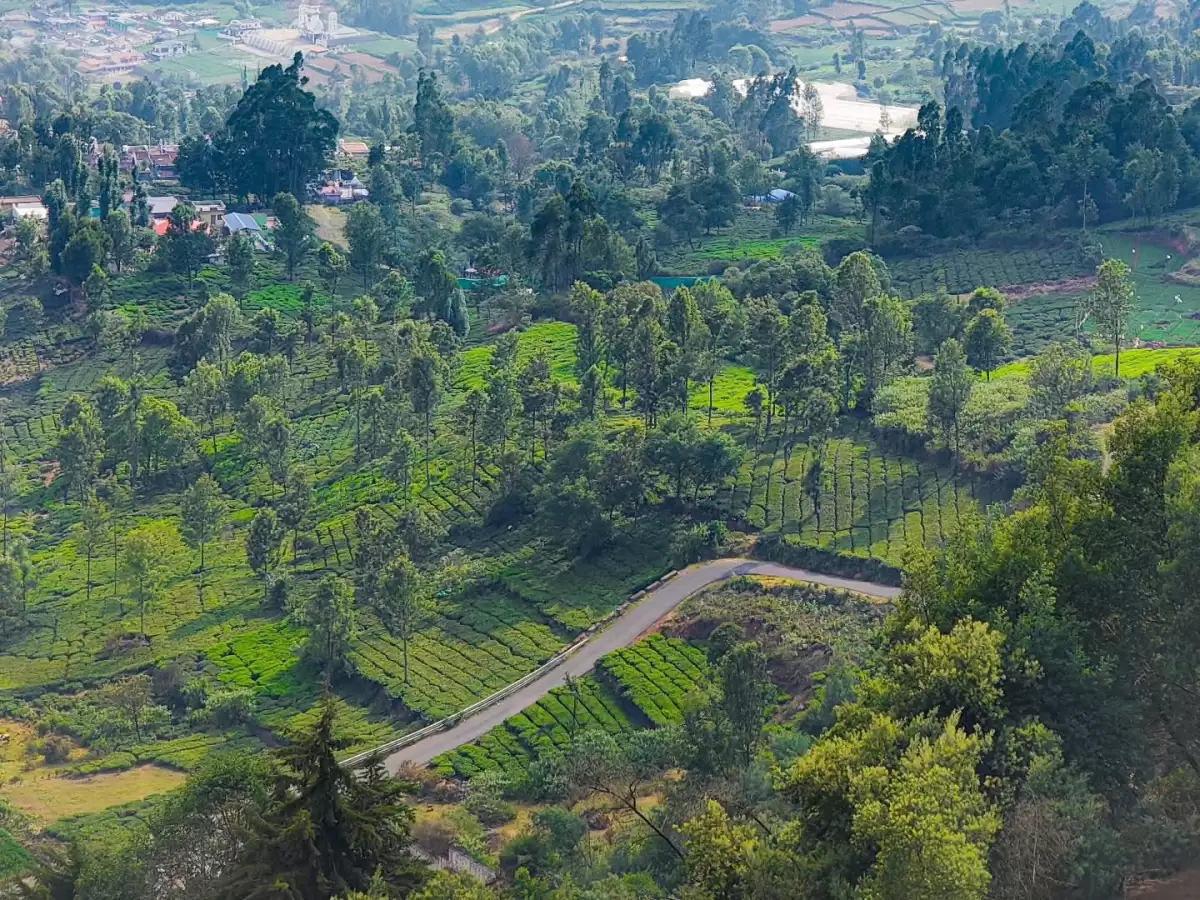
Nilgiri Hills, Tamil Nadu, India

Nilgiri Hills , Ooty
Tourists visit the Nilgiri Hills for cool-weather travel, tea plantation landscapes, wildlife-rich forest zones, and panoramic valley viewpoints. The region is popular for road trips, toy train journeys, trekking routes, and sightseeing across multiple towns and nature attractions. Travel conditions can vary due to fog, steep ghat roads, and seasonal rains.

Quick Facts About Nilgiri Hills

Quick Facts About Nilgiri Hills

Entry Fee No general entry fee (specific attractions, parks, viewpoints, and reserves may have separate charges)
Timings Open year-round (individual attractions like viewpoints, gardens, and wildlife reserves have separate timings)
Altitude (m) Approx. 900 m to 2,637 m (highest point: Doddabetta Peak)
Ideal Visit Duration 2 to 5 days (depending on towns covered such as Ooty, Coonoor, Kotagiri, and Gudalur)
Best Time of Day Morning for clear hill views and travel; evening for scenic sunset viewpoints
Crowd Level Moderate to Very High (very high during April–June and long holiday weekends)
Distance from City Centre (km) Varies by entry point (Ooty is approx. 85 km from Coimbatore and approx. 125 km from Mysuru)
Walking Difficulty Easy to Moderate (depends on activity; viewpoints and gardens are easy, trekking routes are moderate)
Parking Available Yes, available at most major viewpoints and tourist spots (limited during peak season)
Last Mile Access Accessible by road; local taxis, buses, and private vehicles are the main transport options within the hills
Suitable for Kids Yes (many parks, gardens, and short viewpoints are family-friendly)
Suitable for Seniors Yes (major towns and viewpoints are accessible, but steep roads and cold weather may be challenging)
Wheelchair Friendly Partially (town areas and some gardens are accessible, but many viewpoints and hill paths have uneven terrain)

Why Visit Nilgiri Hills

Nilgiri Hills is visited for its hill stations, tea estate landscapes, forest drives, and cool-weather sightseeing across towns like Ooty, Coonoor, and Kotagiri. Tourists come here for scenic viewpoints, toy train journeys, boating lakes, and short nature trails spread across the Nilgiris district.

The on-ground atmosphere is defined by winding ghat roads, misty mornings, and strong temperature changes between day and night. The region feels active in town centres during peak season, while tea plantation zones and forest stretches offer quieter routes with limited commercial activity.

What makes Nilgiri Hills distinct is the combination of high-altitude tea country, protected forest zones, and colonial-era hill town settings within a compact travel circuit. Unlike single-location hill viewpoints, the Nilgiris offers multiple towns, landscapes, and experiences connected by scenic road routes and the UNESCO-listed Nilgiri Mountain Railway.

History of Nilgiri Hills

Nilgiri Hills has long been known as a high-altitude region of the Western Ghats, historically inhabited by indigenous communities such as the Todas, Kotas, and Badagas. The hills gained wider prominence during the British period when Ooty and Coonoor were developed as hill stations for administrative and summer settlement purposes.

Tea cultivation expanded strongly in the Nilgiris during the colonial era, shaping much of the landscape that visitors see today. The construction of the Nilgiri Mountain Railway in the early 20th century further strengthened access to the hills and remains one of the region’s most historically significant travel landmarks.

Best Time to Visit Nilgiri Hills

Nilgiri Hills can be visited throughout the year, but the travel experience depends heavily on visibility, rainfall, and road conditions across hill routes. Clear-weather months are best for viewpoints, toy train journeys, and tea estate sightseeing, while monsoon months can bring heavy mist and slower travel on ghat roads.
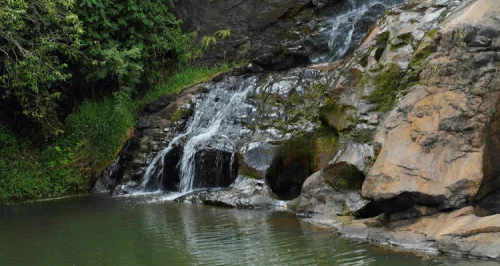
  • Ideal months: October to March (cool climate with better visibility for hill views and outdoor sightseeing).
  • Best season conditions: Pleasant daytime weather, clearer mornings, and comfortable conditions for road travel, trekking routes, and tea plantation visits.
  • Peak tourist season: April to June (popular summer escape period, but towns like Ooty and Coonoor become heavily crowded).
  • Periods to avoid: July to September during strong monsoon spells, as fog, landslide-prone stretches, and rain can affect travel plans and limit viewpoint visibility.
  • Best time of day: Morning hours are best for viewpoints and travel, as mist often increases later in the afternoon.

How to Reach Nilgiri Hills

  • Nearest Airport: Coimbatore International Airport (CJB) is the most commonly used airport for Nilgiri Hills travel, located around 85–100 km from Ooty depending on the route. From the airport, taxis and buses are available towards Mettupalayam and Ooty.
  • Nearest Railway Station: Mettupalayam Railway Station is the key rail gateway for the Nilgiris and serves as the starting point of the Nilgiri Mountain Railway toy train route to Ooty. Coimbatore Junction is the major rail hub for long-distance trains.
  • By Road: Nilgiri Hills is accessible by ghat roads from Coimbatore, Mettupalayam, Mysuru, and Gudalur. The main entry routes lead to Ooty, Coonoor, Kotagiri, and Gudalur, with frequent government and private bus services.
  • Last-Mile Connectivity: Within the Nilgiris, local taxis, shared jeeps, and buses connect towns and sightseeing points. Many viewpoints and estates require short road travel beyond main town centres.
  • Travel Conditions to Note: Hill roads include sharp bends, steep climbs, and fog-prone sections. Travel time can increase during weekends, peak tourist months, and monsoon periods due to traffic and reduced visibility.

What to Expect When You Visit Nilgiri Hills

  • Environment and surroundings: Expect steep hill roads, tea plantations, eucalyptus patches, forest stretches, and frequent mist in higher zones around Ooty, Coonoor, and Doddabetta. Weather can shift quickly, with cool evenings even in warmer months.
  • Town-based travel experience: Most sightseeing is spread across multiple towns rather than one single location, so visitors usually move between Ooty, Coonoor, Kotagiri, and nearby viewpoints by road.
  • Facilities and amenities: Major towns have hotels, restaurants, fuel stations, ATMs, and medical facilities, while remote viewpoints and estate areas may have limited food stalls and basic washrooms only.
  • Accessibility and movement: Many popular viewpoints are reachable by vehicle, but some attractions involve short uphill walks, uneven paths, and stairs. Traffic congestion is common on narrow roads during peak season.
  • Typical visitor conditions: Expect crowded market areas, botanical gardens, and lake zones during weekends and summer months. Early mornings are generally quieter and better for sightseeing before fog and tourist rush increase.
  • Road and travel limitations: Fog, rain, and sharp bends can slow down driving, especially during monsoon months. Travel between sightseeing points often takes longer than expected due to winding hill routes.
  • Wildlife and forest stretches: Certain routes pass through forested areas near Mudumalai and Bandipur regions, where driving rules and time restrictions may apply depending on the route and season.

Important Visitor Information for Nilgiri Hills

  • Crowd and weather notes: Nilgiri Hills experiences heavy tourist movement in Ooty and Coonoor during April to June, long weekends, and school holidays. Mist and sudden drizzles are common in higher elevations, especially during monsoon months.
  • Peak visiting hours: 10:00 AM to 5:00 PM is typically the busiest period at popular spots such as Ooty Lake, Botanical Garden, Doddabetta Peak, and major viewpoints.
  • Quiet visiting hours: Early mornings (before 9:00 AM) are usually quieter and offer better visibility for hill views before fog and tourist traffic build up.
  • Dress code: No dress code applies for the Nilgiri Hills region overall, but warm clothing is strongly recommended as evenings can be cold even outside winter season.
  • Road safety notes: Ghat roads have sharp bends, steep gradients, and fog-prone stretches. Driving can become difficult during heavy rain and low visibility, especially on routes between Ooty, Coonoor, Kotagiri, and Gudalur.
  • Weather-related cautions: During monsoon months, landslide-prone stretches and falling tree branches can temporarily affect road travel. Travel delays are common during strong rainfall spells.
  • Altitude and comfort: Visitors sensitive to cold weather or steep climbs may feel discomfort at higher points like Doddabetta. Carrying water and planning short breaks is useful during hill travel.
  • Wildlife zone caution: Some routes to and from the Nilgiris pass through protected forest areas near Mudumalai and Bandipur, where night travel restrictions may apply and wildlife crossings are possible.

Photography and Viewpoints in Nilgiri Hills

  • Doddabetta Peak viewpoints: One of the highest accessible points in the Nilgiris, offering wide valley and mountain ridge views on clear days. Visibility can drop quickly due to fog, especially after late morning.
  • Coonoor and Kotagiri view stretches: Roads between Coonoor, Kotagiri, and Ooty provide continuous tea estate landscapes and layered hill scenery, with several roadside stopping points ideal for wide-angle photography.
  • Dolphin’s Nose and surrounding cliffs: A key viewpoint for dramatic valley and gorge shots, especially during early morning when cloud cover is lower. Crowds increase in peak season, limiting tripod space near the main viewing edge.
  • Lamb’s Rock viewpoint: Known for framed forest-and-valley views, especially useful for landscape photography when skies are clear. Late afternoon light often creates stronger contrast across the valley.
  • Tea gardens and estate roads: Tea plantation slopes around Ooty and Coonoor offer long, patterned hill compositions. Best photographed in morning light when the hills are less hazy.
  • Nilgiri Mountain Railway sections: Train stretches between Mettupalayam, Coonoor, and Ooty provide iconic photography opportunities of tunnels, bridges, and hillside curves. Crowding can be high near popular stations and photo stops.
  • Ooty Lake and town viewpoints: Useful for wide shots of boating areas and surrounding hills, especially during golden hour. Weekend evenings can be crowded, affecting clean-frame photography.
  • Photography rules and restrictions: Open viewpoints and public roads generally allow photography, but some protected forest zones and wildlife reserve areas may restrict drone use and certain types of filming.

Near By Attraction

Stunning sunset Ooty Lake Udhagamandalam Nilgiris Tamil Nadu India golden orange sky reflections on serene emerald waters distant boats silhouetted eucalyptus shola forests hills blue clouds foreground branches, perfect Nilgiri hill station romantic tour  Lake

Ooty Lake

Ooty Lake is a man-made freshwater lake located in Udhagamandalam (Ooty) in the Nilgiris district of Tamil Nadu.
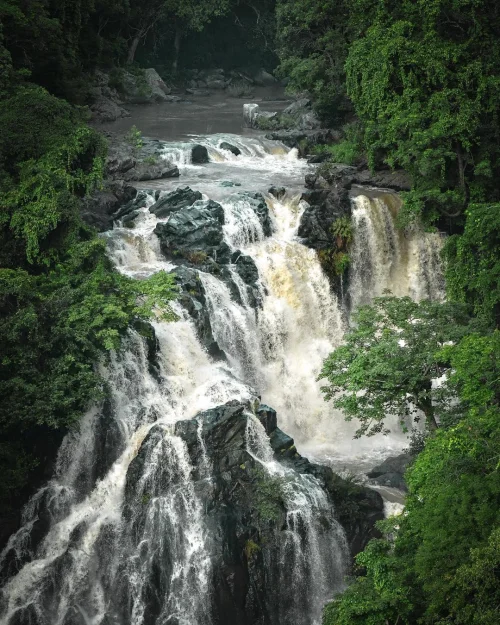
Government Botanical Garden Botanical Garden

Government Botanical Garden

Government Botanical Garden is a historic public botanical garden located in Udhagamandalam (Ooty) in the Nilgiris district of Tamil Nadu.

Rose Garden vibrant terraces of the Government Rose Garden in Ooty featuring thousands of blooming roses and manicured lawns Garden

Government Rose Garden

Government Rose Garden is a large botanical garden in Ooty known for its extensive collection of rose varieties and terraced landscaped layout.

Frequently Asked Questions About Nilgiri Hills

The best time to visit Nilgiri Hills is from October to March when the weather is cool and clear. These months are ideal for sightseeing and outdoor exploration.
Nilgiri Hills can be reached by road rail and nearby airports depending on the chosen town. Hill roads are winding so travelers should plan comfortable transport.
There is no general entry fee to visit Nilgiri Hills as it is a broad hill region. Specific parks viewpoints or attractions within the hills may charge separate fees.
Most travelers spend two to four days exploring Nilgiri Hills. The duration depends on the number of towns viewpoints and nature spots included in the itinerary.
Nilgiri Hills is known for tea plantations scenic viewpoints waterfalls and hill towns. Visitors often explore lakes gardens and heritage train routes.
Nilgiri Hills is suitable for family trips due to its pleasant climate and accessible attractions. Families can plan relaxed sightseeing with minimal trekking.
Activities in Nilgiri Hills include boating trekking plantation visits and scenic train rides. Nature walks and photography are also popular among visitors.
Nilgiri Hills can be visited during monsoon when the landscape appears lush and misty. Heavy rain may affect visibility and road travel conditions.
Visitors traveling to Nilgiri Hills should carry warm clothing comfortable footwear and rain protection. Weather can change quickly in elevated areas.
Nilgiri Hills can be combined with nearby hill stations wildlife reserves and scenic valleys. These destinations are usually accessible within short travel distance.

Loved this place ? Let’s Plan Your Tamil Nadu Trip

Get customized Tamil Nadu tour planning designed around temple visit timing, seasonal weather comfort, road travel distances, and realistic pacing across regions. Whether you are visiting for architectural heritage, spiritual journeys, coastal relaxation,

⚑ Quick Response | πŸ’° Free consultation | πŸ•’ 24Γ—7 expert support

×

Plan Your Trip