Homepage Banner

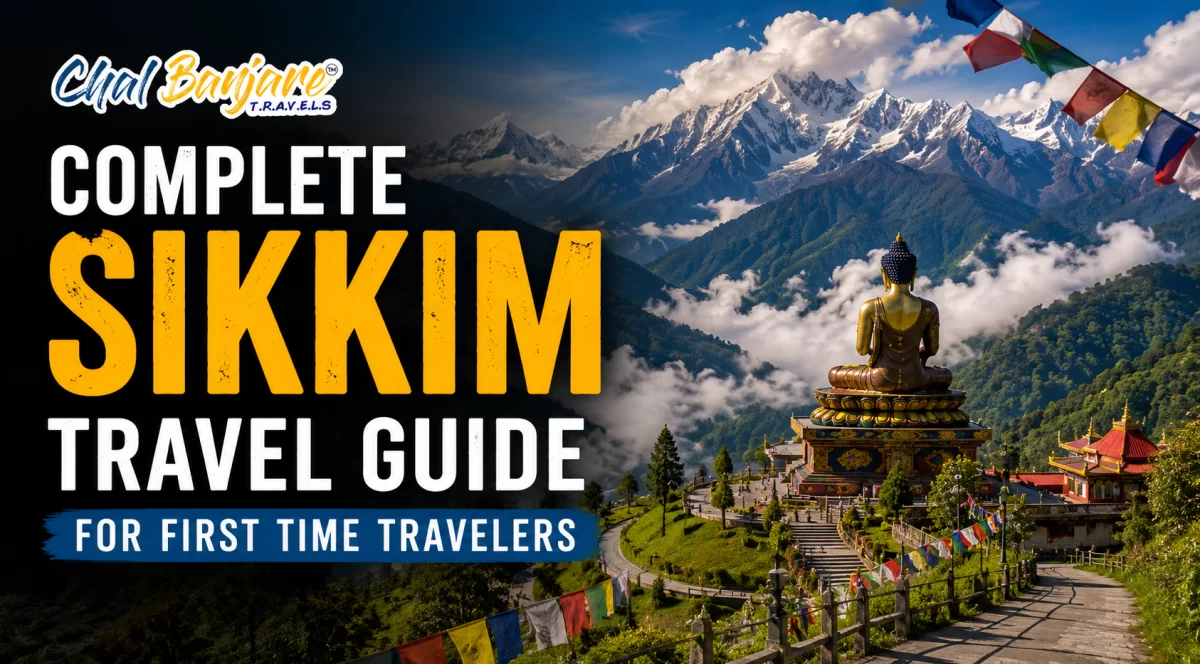
Complete Sikkim Travel Guide for First Time Travelers

This Sikkim travel guide helps first time travelers plan routes, weather, permits, budget, transport, and sightseeing circuits for a smooth Himalayan trip.

Travel Guide


20 May, 2026 By: Sonam Bhutia

Sikkim overview and travel planning basics

Geography of Sikkim and Major Tourist Regions

Sikkim is a small Himalayan state in Northeast India known for its dramatic mountain terrain, deep valleys, glacial rivers, and rich biodiversity, with tourism spread across four distinct regions: East, West, North, and South Sikkim.

Each region offers a unique mix of culture, nature, and adventure experiences shaped by altitude and landscape.

  • East Sikkim – Gangtok, Tsomgo Lake, Nathula Pass.
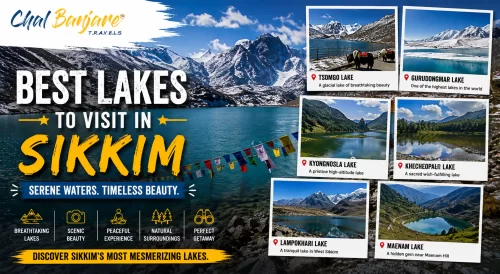
  • North Sikkim – Lachung, Lachen, Gurudongmar Lake.
  • West Sikkim – Pelling, Rabdentse Ruins, Kanchenjunga views.
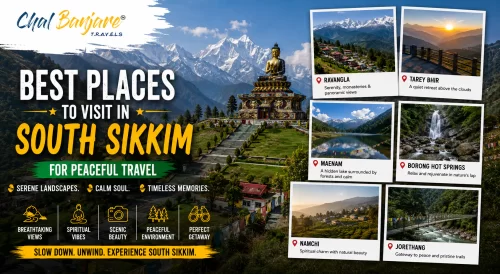
  • South Sikkim – Namchi, Ravangla, peaceful monasteries.
  • Teesta River Valley – Scenic drive corridors.
  • Kanchenjunga Range – Third-highest peak in the world backdrop.
  • Alpine Ecosystems – Snow, forests, and rhododendrons.
  • One of India’s Most Diverse Himalayan Destinations – Nature and culture combined.

Sikkim’s compact geography allows travelers to experience multiple landscapes within a single trip.

Best Number of Days Required for Sikkim Travel

The ideal duration for a Sikkim trip depends on how many regions you plan to cover, with most travelers needing a balanced itinerary to fully experience its mountains, valleys, and cultural sites without rushing.

Proper planning ensures smoother travel and better acclimatization.

  • 5–6 Days – Gangtok + East Sikkim highlights.
  • 7–8 Days – East + North Sikkim coverage.
  • 9–10 Days – Full circuit including West Sikkim.
  • Acclimatization Time – Important for high altitude areas.
  • Buffer Days – For weather or road delays.
  • Permit Requirements – Extra time for North Sikkim.
  • Flexible Planning – Essential for mountain travel.
  • One of the Key Planning Factors in Sikkim Travel – Duration defines experience quality.

A well-paced itinerary helps you enjoy Sikkim without travel fatigue.

Choosing Between North East West and South Sikkim Circuits

Sikkim’s four travel circuits offer very different experiences, from high-altitude adventure in the north to cultural and scenic relaxation in the west and south, allowing travelers to design personalized itineraries.

Your choice depends on time, interest, and season.

  • North Sikkim – Snow landscapes and high-altitude lakes.
  • East Sikkim – Gangtok city and popular attractions.
  • West Sikkim – Kanchenjunga views and heritage sites.
  • South Sikkim – Peaceful monasteries and nature.
  • Adventure vs Relaxation – Circuit-based experience choice.
  • Accessibility Differences – Varies by region and weather.
  • Photography Opportunities – Lakes, peaks, and valleys.
  • One of the Most Important Sikkim Travel Decisions – Circuit selection shapes the trip.

Each circuit highlights a different face of Sikkim’s Himalayan beauty.

Must visit places in Sikkim region wise coverage

Gangtok Tsomgo Lake Nathula Pass and East Sikkim Attractions

East Sikkim is the most accessible and popular region, centered around Gangtok, offering a mix of urban charm, spiritual monasteries, and high-altitude Himalayan viewpoints that define a classic Sikkim experience.

This region is ideal for first-time travelers and short itineraries.

  • Gangtok – Capital city with MG Marg and viewpoints.
  • Tsomgo Lake – Glacial lake surrounded by mountains.
  • Nathula Pass – Indo-China border high-altitude pass.
  • Rumtek Monastery – Major Buddhist spiritual center.
  • Hanuman Tok – Scenic hilltop temple view.
  • Namgyal Institute of Tibetology – Cultural heritage site.
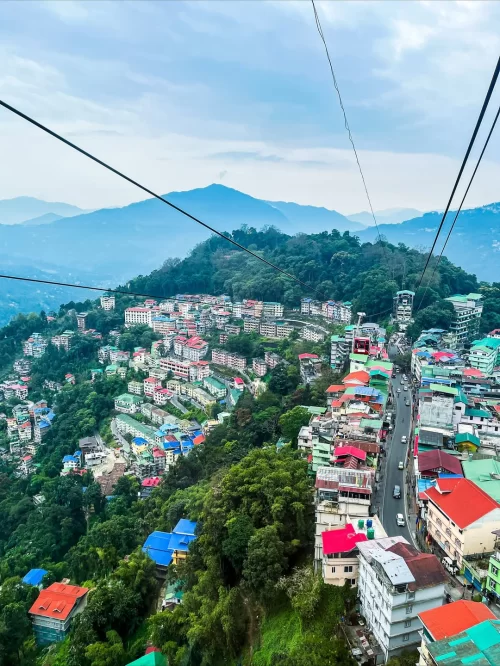
  • Ropeway Ride – Panoramic valley views.
  • One of the Most Important Sikkim Regions – Culture and accessibility combined.

East Sikkim blends culture, comfort, and dramatic mountain scenery.

Lachung Yumthang Valley Zero Point and North Sikkim Highlights

North Sikkim is the most dramatic and remote region, known for snow-covered landscapes, alpine valleys, and high-altitude destinations that showcase the raw beauty of the Himalayas.

It is best suited for adventure seekers and nature lovers.

  • Lachung – Scenic mountain village base.
  • Yumthang Valley – Valley of flowers and seasonal blooms.
  • Zero Point – Snow-filled high-altitude destination.
  • Gurudongmar Lake – Sacred glacial lake experience.
  • Lachen – Gateway to North Sikkim exploration.
  • Hot Springs – Natural geothermal sites.
  • River Valleys – Teesta tributaries and landscapes.
  • One of Sikkim’s Most Breathtaking Regions – Nature at extreme altitudes.

North Sikkim offers some of the most unforgettable Himalayan landscapes in India.

Pelling Ravangla Namchi Yuksom and West South Sikkim Places

West and South Sikkim offer a peaceful and scenic experience with panoramic mountain views, historical sites, and spiritual landmarks, making them perfect for relaxed travel and cultural exploration.

This region is ideal for slower, immersive journeys.

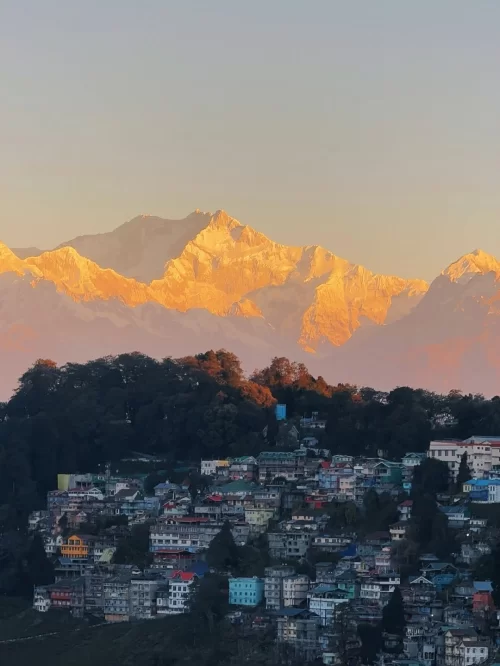
  • Pelling – Best Kanchenjunga sunrise viewpoints.
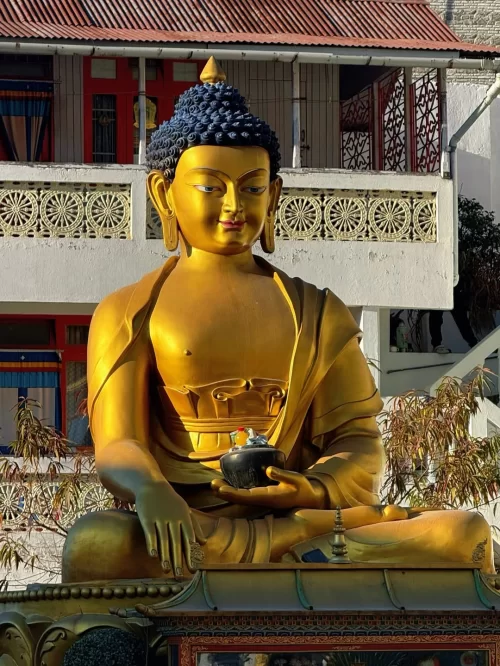
  • Ravangla – Buddha Park and serene landscapes.
  • Namchi – Char Dham and cultural attractions.
  • Yuksom – Historic first capital of Sikkim.
  • Rabdentse Ruins – Ancient heritage site.
  • Temi Tea Garden – Scenic plantation views.
  • Monasteries – Peaceful spiritual locations.
  • One of Sikkim’s Most Peaceful Regions – Nature and spirituality combined.

West and South Sikkim provide a calm contrast to the adventurous northern region.

Best time to visit Sikkim month wise guide

Spring Season Flowers Clear Views and Pleasant Weather

Spring is one of the most beautiful times to visit Sikkim, when valleys bloom with rhododendrons, orchids, and wildflowers, and the Himalayan skies remain clear for excellent mountain visibility.

This season offers ideal conditions for sightseeing, photography, and comfortable travel across all major regions.

  • Rhododendron Bloom – Colorful Himalayan landscapes.
  • Clear Mountain Views – Best visibility of Kanchenjunga.
  • Pleasant Weather – Comfortable daytime temperatures.
  • All Region Access – East, West, and South Sikkim open.
  • Photography Season – Vibrant natural colors.
  • Moderate Crowds – Balanced tourist flow.
  • Stable Road Conditions – Fewer weather disruptions.
  • One of the Best Seasons for Sikkim Travel – Nature and clarity combined.

Spring provides a visually rich and comfortable travel experience across Sikkim.

Monsoon Landslides Roadblocks and Travel Limitations

The monsoon season brings heavy rainfall that transforms Sikkim into a lush green paradise but also increases the risk of landslides, roadblocks, and travel delays, especially in North Sikkim and remote mountain routes.

Travel flexibility is essential during this period due to unpredictable conditions.

  • Heavy Rainfall – Continuous wet weather conditions.
  • Landslide Risk – Frequent road disruptions.
  • Travel Delays – Unpredictable journey timings.
  • Limited North Sikkim Access – Restricted travel zones.
  • Low Visibility – Cloud and fog coverage.
  • Slippery Roads – Difficult driving conditions.
  • Tour Cancellations – Weather-dependent operations.
  • One of the Most Challenging Seasons for Sikkim Travel – Risk and limitation combined.

Monsoon is best avoided unless travelers are prepared for uncertainty and delays.

Winter Snowfall Cold Weather and Mountain Visibility

Winter in Sikkim brings snowfall in higher regions, freezing temperatures, and crystal-clear skies, making it one of the most scenic seasons for snow landscapes and Himalayan photography.

However, proper preparation is essential due to harsh cold conditions and occasional route restrictions.

  • Snowfall in North Sikkim – Lachung and Zero Point areas.
  • Clear Sky Views – Excellent mountain visibility.
  • Cold Temperatures – Sub-zero conditions in high altitudes.
  • Snow Landscapes – Stunning white Himalayan scenery.
  • Limited Accessibility – Weather-dependent routes.
  • Best for Photography – High contrast mountain views.
  • Warm Clothing Essential – Required for safety and comfort.
  • One of the Most Scenic Seasons in Sikkim – Snow and mountains combined.

Winter offers a breathtaking but challenging experience for Himalayan travelers.

How to reach Sikkim and major route options

Bagdogra Airport and NJP Railway Station Connectivity

Sikkim is accessed primarily through West Bengal, with Bagdogra Airport and New Jalpaiguri (NJP) Railway Station serving as the main air and rail gateways for travelers heading towards Gangtok and other regions of Sikkim.

From these points, road transport is the only way to reach Sikkim.

  • Bagdogra Airport (IXB) – Nearest airport to Sikkim.
  • NJP Railway Station – Major rail connectivity hub.
  • Siliguri Transit Point – Main transport interchange.
  • Prepaid Taxi Services – Available at both airport and station.
  • No Direct Rail/Air to Sikkim – Road journey required.
  • Permit Checkpoints – Entry formalities for restricted areas.
  • High Tourist Flow Hub – Well-connected to Northeast India.
  • One of the Most Important Entry Gates to Sikkim – Air and rail combined access.

These two points form the backbone of all Sikkim-bound travel routes.

Siliguri to Gangtok Road Route and Travel Time

The journey from Siliguri to Gangtok is a scenic Himalayan road trip that follows the Teesta River, passing through winding mountain roads, forests, and valleys with stunning views throughout the drive.

Travel time varies depending on weather and road conditions.

  • Distance – Approximately 110–120 km.
  • Travel Time – 4 to 6 hours on average.
  • Teesta River Route – Scenic valley drive.
  • Sevoke Coronation Bridge – Gateway to hills.
  • Mountain Roads – Curved and scenic terrain.
  • Frequent Weather Changes – Fog and rain possible.
  • Multiple Viewpoints – Photography stops along route.
  • One of the Most Scenic Road Journeys in India – River and mountain landscapes combined.

This route offers a beautiful introduction to Sikkim’s Himalayan environment.

Shared Taxi Private Cab and Local Transport Planning

Transport within Sikkim is primarily road-based, with shared taxis being the most economical option and private cabs offering flexibility and comfort for multi-day itineraries across different regions.

Proper transport planning is essential due to limited public transport infrastructure.

  • Shared Taxis – Budget-friendly group travel.
  • Private Cabs – Flexible and comfortable option.
  • Fixed Route Pricing – Standard fares for key destinations.
  • Gangtok Taxi Stand – Main transport hub.
  • North Sikkim Packages – Mandatory bundled transport.
  • Permit-Based Travel – Required for restricted zones.
  • Advance Booking Recommended – Especially in peak season.
  • One of the Key Planning Elements in Sikkim Travel – Transport defines experience quality.

Choosing the right transport option ensures a smoother and safer Sikkim journey.

Sikkim itinerary planning and route combinations

5 to 6 Day Gangtok Pelling and Nathula Itinerary

A 5 to 6 day Sikkim itinerary covering Gangtok, Pelling, and Nathula Pass is ideal for first-time travelers who want a balanced mix of culture, mountain views, and iconic high-altitude experiences.

This route focuses on East and West Sikkim highlights with minimal travel fatigue.

  • Gangtok Stay – MG Marg and city exploration.
  • Tsomgo Lake – Glacial lake experience near Gangtok.
  • Nathula Pass – Indo-China border viewpoint.
  • Pelling Transfer – Scenic mountain drive.
  • Kanchenjunga Views – Sunrise viewpoints in Pelling.
  • Rabdentse Ruins – Historic heritage site visit.
  • Local Monasteries – Cultural exploration stops.
  • One of the Best Short Sikkim Circuits – Balanced and efficient itinerary.

This itinerary is perfect for travelers with limited time who want a complete Sikkim experience.

7 to 9 Day Gangtok Lachung Yumthang and Pelling Circuit

A 7 to 9 day itinerary covering Gangtok, Lachung, Yumthang Valley, and Pelling offers a deeper exploration of Sikkim’s natural beauty, including snow landscapes, alpine valleys, and panoramic Himalayan views.

This circuit is ideal for nature lovers and adventure seekers.

  • Gangtok Base – Arrival and acclimatization.
  • Tsomgo Lake & Nathula – High-altitude experiences.
  • Lachung Village – North Sikkim mountain stay.
  • Yumthang Valley – Valley of flowers and scenery.
  • Zero Point (Optional) – Snow-covered landscapes.
  • Pelling Stay – Kanchenjunga viewpoints.
  • Rabdentse Ruins – Cultural heritage stop.
  • One of the Most Scenic Sikkim Circuits – Nature and mountains combined.

This itinerary offers a complete Himalayan experience with diverse landscapes.

Extended Sikkim Itinerary with Darjeeling and Kalimpong

An extended itinerary combining Sikkim with Darjeeling and Kalimpong creates a comprehensive Northeast India travel experience, blending mountains, tea gardens, monasteries, and colonial hill stations.

This route is ideal for travelers seeking variety and extended exploration.

  • Gangtok Exploration – Cultural and city experiences.
  • North Sikkim Trip – Lachung and Yumthang Valley.
  • Pelling Views – Kanchenjunga sunrise points.
  • Darjeeling Transfer – Tea gardens and hill town.
  • Tiger Hill Sunrise – Iconic Himalayan view.
  • Kalimpong Visit – Peaceful hill station experience.
  • Monastery Visits – Spiritual cultural stops.
  • One of the Best Northeast India Circuits – Multi-destination Himalayan journey.

This extended circuit offers a rich combination of nature, culture, and heritage across three destinations.

Sikkim trip cost and budget breakdown

Hotel Transport and Local Sightseeing Cost Planning

The overall cost of a Sikkim trip mainly depends on accommodation type, transport mode, and the number of sightseeing circuits covered, with prices varying significantly between budget, mid-range, and luxury travel styles.

Careful planning helps balance comfort and affordability across different regions of Sikkim.

  • Budget Hotels – Affordable stays in Gangtok and nearby towns.
  • Mid-Range Hotels – Comfortable stays with better amenities.
  • Luxury Resorts – Premium mountain-view properties.
  • Shared Taxi Costs – Most economical transport option.
  • Private Cab Packages – Flexible but higher cost.
  • Local Sightseeing Charges – Region-based pricing.
  • North Sikkim Packages – Includes transport and permits.
  • One of the Key Cost Factors in Sikkim Travel – Stay and transport dominate budget.

Accommodation and transport form the largest portion of the Sikkim travel budget.

Food Permits Entry Tickets and Shared Taxi Expenses

Daily travel expenses in Sikkim include food, permits, entry fees, and shared taxi costs, which remain moderate but can increase in remote regions like North Sikkim due to logistical requirements.

Most high-altitude areas require pre-arranged packages that include permits and transport.

  • Local Food Costs – Affordable regional cuisine.
  • North Sikkim Permits – Mandatory for restricted areas.
  • Entry Tickets – Monasteries and attractions.
  • Shared Taxi Fares – Budget-friendly travel option.
  • Guide Charges – Included in some packages.
  • Package Tours – Essential for remote regions.
  • Seasonal Price Variation – Costs increase in peak months.
  • One of the Important Budget Elements – Daily expenses vary by region.

Food and permit-related expenses are manageable but must be planned in advance.

Luxury Resorts Offbeat Stays and Hidden Travel Charges

Luxury travel in Sikkim includes premium resorts, boutique eco-stays, and offbeat village accommodations, but travelers should also consider hidden costs such as remote transport charges and seasonal price fluctuations.

Offbeat destinations often require additional logistical arrangements due to terrain and accessibility.

  • Luxury Mountain Resorts – Premium scenic stays.
  • Eco Boutique Lodges – Sustainable nature stays.
  • Offbeat Village Stays – Unique cultural immersion.
  • Remote Transport Charges – Higher fares for isolated areas.
  • Seasonal Price Surges – Peak tourism impact.
  • Private Tour Packages – Premium curated experiences.
  • Limited Availability Costs – Early booking required.
  • One of the Key Luxury Travel Factors in Sikkim – Hidden expenses affect planning.

Understanding hidden costs ensures accurate budgeting for a smooth Sikkim trip.

Sikkim permits and travel regulations guide

Nathula Pass Permit Process and Required Documents

Nathula Pass is a high-altitude border area near Gangtok that requires a special permit, as it is a sensitive Indo-China border zone and cannot be accessed independently by travelers.

Permits are issued through registered tour operators and are subject to daily quotas and weather conditions.

  • Mandatory Permit – Required for all visitors.
  • Issued via Registered Tour Operators – No direct application.
  • Valid ID Proof – Aadhaar, Voter ID, or Passport required.
  • Passport Size Photos – Required for permit processing.
  • Limited Daily Entry – Quota-based access system.
  • Shared Vehicle Travel – Group arrangement mandatory.
  • Weather Dependent Access – Sudden closures possible.
  • One of the Most Restricted Sites in Sikkim – Security-controlled zone.

Advance booking is essential due to limited access and strict regulations.

North Sikkim Permit Rules for Lachung and Yumthang

North Sikkim destinations like Lachung, Yumthang Valley, Zero Point, and Lachen require Protected Area Permits due to their proximity to international borders and sensitive ecological zones.

Travel is only allowed through registered tour operators with fixed packages.

  • Protected Area Permit (PAP) – Mandatory for entry.
  • Registered Tour Operator Booking – Independent travel not allowed.
  • Valid Government ID – Required for processing.
  • Package-Based Travel – Includes transport and permits.
  • Group Vehicle System – Fixed itinerary tours.
  • Advance Document Submission – Required before travel.
  • Weather Restrictions – Roads may close unexpectedly.
  • One of the Strictest Travel Zones in Sikkim – Controlled access region.

North Sikkim permits ensure regulated and safe access to high-altitude regions.

Restricted Area Rules for Indian and Foreign Travelers

Certain parts of Sikkim, especially border regions like Nathula Pass and North Sikkim, have strict entry regulations that differ for Indian and foreign nationals due to security and geographical sensitivity.

Compliance with permit rules is essential for a smooth travel experience.

  • Restricted Area Permit – Required for designated zones.
  • Indian Citizens – Allowed with valid permits for most regions.
  • Foreign Nationals – Restricted in North Sikkim and border areas.
  • Approved Travel Circuits – Fixed routes only.
  • Mandatory Tour Operators – Assisted travel required.
  • Passport Verification – Required for foreigners.
  • Regulation Changes Possible – Subject to government updates.
  • One of the Most Controlled Travel Systems in India – Security-sensitive region rules.

Understanding these regulations helps ensure hassle-free travel planning in Sikkim.

Sikkim travel risks and ground realities

Landslides Road Closures and Unpredictable Mountain Weather

Sikkim’s mountainous terrain and heavy rainfall patterns make it highly vulnerable to landslides, sudden road closures, and rapidly changing weather conditions, especially during monsoon and early winter months.

These factors can significantly affect travel schedules and route accessibility.

  • Landslide-Prone Roads – Common in steep valleys.
  • Sudden Weather Shifts – Fog, rain, and snow variations.
  • Frequent Road Closures – Temporary route blockages.
  • Delayed Travel Timings – Journeys take longer than expected.
  • Remote Area Isolation – Limited alternate routes available.
  • Weather-Dependent Sightseeing – Plans may change instantly.
  • Emergency Route Clearing – Time-consuming in hills.
  • One of the Key Realities of Sikkim Travel – Nature strongly influences connectivity.

Flexibility is essential when traveling through Sikkim’s mountain roads.

Altitude Sickness Risks in Nathula and North Sikkim

High-altitude destinations such as Nathula Pass, Lachung, Lachen, and Zero Point can cause altitude sickness due to reduced oxygen levels and rapid elevation gain.

Proper acclimatization is crucial for a safe and comfortable experience.

  • High Altitude Zones – Above 10,000 ft regions.
  • Low Oxygen Levels – Causes breathlessness and fatigue.
  • Acclimatization Required – Gradual ascent recommended.
  • Common Symptoms – Headache, nausea, dizziness.
  • Cold Weather Impact – Can worsen discomfort.
  • Hydration Importance – Helps reduce symptoms.
  • Medical Precautions – Basic altitude medication advised.
  • One of the Most Important Health Considerations – Altitude awareness is critical.

Proper preparation helps reduce risks associated with high-altitude travel in Sikkim.

Network ATM Electricity and Medical Limitations in Remote Areas

Remote regions of Sikkim, especially North Sikkim and border areas, often face limited mobile connectivity, scarce ATM availability, and occasional electricity disruptions due to difficult terrain and infrastructure challenges.

Medical facilities are also limited in high-altitude zones, making preparedness essential.

  • Weak Mobile Networks – Limited or no signal in remote zones.
  • ATM Scarcity – Cash required for rural travel.
  • Power Fluctuations – Occasional electricity interruptions.
  • Offline Navigation Needed – Digital maps may fail.
  • Limited Medical Facilities – Basic healthcare only.
  • Emergency Dependence on Towns – Gangtok as main hub.
  • Self-Sufficiency Required – Carry essentials in advance.
  • One of the Core Realities of Remote Sikkim Travel – Infrastructure limitations are common.

Being well-prepared ensures a safer and more comfortable journey in remote Himalayan regions.

Sikkim travel tips and common mistakes

Avoiding Overpacked Itineraries Across Mountain Routes

Sikkim’s mountainous terrain, winding roads, and weather-dependent routes make travel slower than expected, so overpacked itineraries often lead to exhaustion and missed experiences.

A balanced plan helps you enjoy each destination without rushing or stress.

  • Slow Mountain Travel – Distances take longer than maps suggest.
  • Weather Delays – Frequent changes in plans possible.
  • Limited Daylight Hours – Early return from remote areas.
  • Altitude Fatigue – Requires rest between long journeys.
  • Better Experience Quality – Focus on fewer destinations.
  • Flexible Scheduling – Essential for mountain travel.
  • Avoid Same-Day Long Circuits – Prevents travel exhaustion.
  • One of the Most Common Sikkim Travel Mistakes – Overplanning reduces enjoyment.

A relaxed itinerary ensures a safer and more immersive Sikkim experience.

Carrying Warm Clothes Medicines Cash and ID Documents

Due to Sikkim’s unpredictable weather and remote locations, carrying proper clothing, basic medicines, cash, and valid identification is essential for a smooth and safe journey.

These essentials help manage both planned and unexpected situations during travel.

  • Warm Layered Clothing – Necessary for cold regions.
  • Medicines for Altitude Sickness – Preventive care essential.
  • Cash Backup – Limited ATM availability in remote areas.
  • Valid ID Documents – Required for permits and checkpoints.
  • Rain Protection Gear – Sudden weather changes possible.
  • Power Bank – Useful in low connectivity zones.
  • Comfort Essentials – Gloves, thermals, and caps.
  • One of the Key Travel Preparations for Sikkim – Proper packing ensures safety.

Being well-prepared helps travelers handle Sikkim’s changing mountain conditions easily.

Choosing Reliable Drivers and Checking Road Conditions

Since Sikkim travel heavily depends on road transport, selecting experienced drivers familiar with mountain routes and regularly checking road conditions is crucial for safety and smooth travel.

Weather and terrain conditions can change quickly, affecting travel times.

  • Experienced Local Drivers – Familiar with hill terrain.
  • Safe Driving Practices – Important on narrow roads.
  • Real-Time Road Updates – Weather and landslide alerts.
  • Flexible Timing – Adjust travel based on conditions.
  • Route Knowledge – Better handling of diversions.
  • Permit Awareness – Proper documentation handling.
  • Emergency Preparedness – Useful in remote regions.
  • One of the Most Important Travel Decisions in Sikkim – Driver selection impacts safety.

Choosing reliable transport ensures a safer and more comfortable journey across Sikkim.

Final Sikkim travel planning guide

Best Route for First Time Travelers in Sikkim

First-time travelers in Sikkim should follow a balanced route covering Gangtok as a base, along with nearby East Sikkim attractions and one additional circuit such as North or West Sikkim depending on time and weather conditions.

This approach ensures a smooth introduction to the Himalayas without excessive travel stress.

  • Gangtok Base – Entry point for most itineraries.
  • Tsomgo Lake & Nathula Pass – Iconic East Sikkim highlights.
  • Pelling Extension – Kanchenjunga viewpoints.
  • North Sikkim Option – Lachung and Yumthang Valley.
  • Balanced Duration – 5 to 8 day ideal plan.
  • Acclimatization Stops – Essential for high altitude travel.
  • Scenic Road Journeys – Teesta river valley routes.
  • One of the Best First-Time Sikkim Routes – Simple and scenic planning.

A structured route helps maximize experience while minimizing travel fatigue.

Choosing Between Snow Nature Monastery and Family Circuits

Sikkim offers three main travel themes—snow experiences in North Sikkim, nature-focused circuits across valleys and forests, and monastery or cultural routes ideal for relaxed family travel.

Selecting the right theme helps shape the overall experience of the trip.

  • Snow Circuits – Zero Point and high-altitude regions.
  • Nature Circuits – Valleys, waterfalls, and scenic drives.
  • Monastery Routes – Rumtek, Pemayangtse, and cultural sites.
  • Family-Friendly Travel – South and West Sikkim options.
  • Seasonal Choices – Snow in winter, flowers in spring.
  • Photography Focus – Landscapes vs cultural exploration.
  • Comfort vs Adventure Balance – Depends on traveler preference.
  • One of the Key Travel Decisions in Sikkim – Theme selection defines experience.

Each circuit offers a distinct way to experience Sikkim’s natural and cultural richness.

Final Checklist Before Planning a Sikkim Trip

Proper preparation is essential for a smooth Sikkim journey due to its mountainous terrain, weather sensitivity, and permit requirements for restricted regions.

A complete checklist ensures safety, comfort, and hassle-free travel.

  • Check Weather Forecast – Avoid monsoon disruptions.
  • Plan Permits in Advance – Required for North Sikkim and Nathula.
  • Pack Warm Clothing – Essential for high-altitude regions.
  • Carry Cash – Limited ATM access in remote areas.
  • Book Transport Early – Shared taxis and packages fill fast.
  • Include Buffer Days – For weather or road delays.
  • Prepare for Altitude – Basic health precautions needed.
  • One of the Most Important Sikkim Travel Steps – Proper planning ensures smooth travel.

With the right preparation, Sikkim becomes a safe and unforgettable Himalayan experience.
Frequently Asked Questions About Complete Sikkim Travel Guide for First Time Travelers

Explore Sikkim Tour Packages

Explore All Packages

Latest Travel Blogs

View all Blogs β†’

Loved this place ? Let’s Plan Your Sikkim Trip

Get customized Sikkim tour planning based on season, altitude comfort, travel permits, and realistic road travel time. Whether you are visiting for scenic landscapes, monastery circuits, mountain views, or peaceful hill stays, our experts design practical

⚑ Quick Response | πŸ’° Free consultation | πŸ•’ 24Γ—7 expert support

×

Plan Your Trip