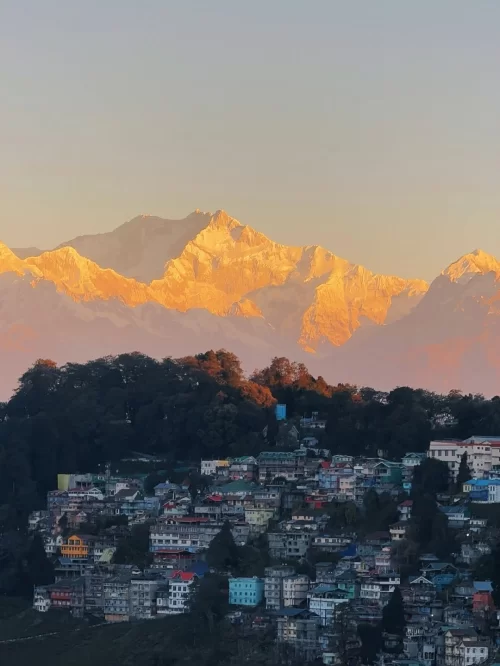
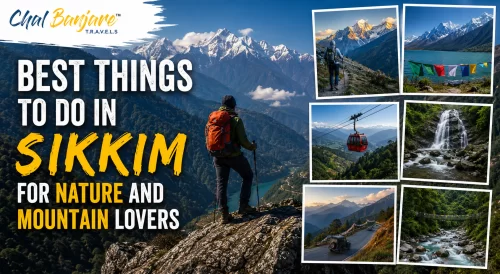
Best Things to Do in Sikkim for Nature and Mountain Lovers
Sikkim offers mountain valleys, alpine lakes, waterfalls, monasteries, forests, and scenic Himalayan experiences perfect for nature and mountain lovers.
+91 9910402252
admin@chalbanjare.com


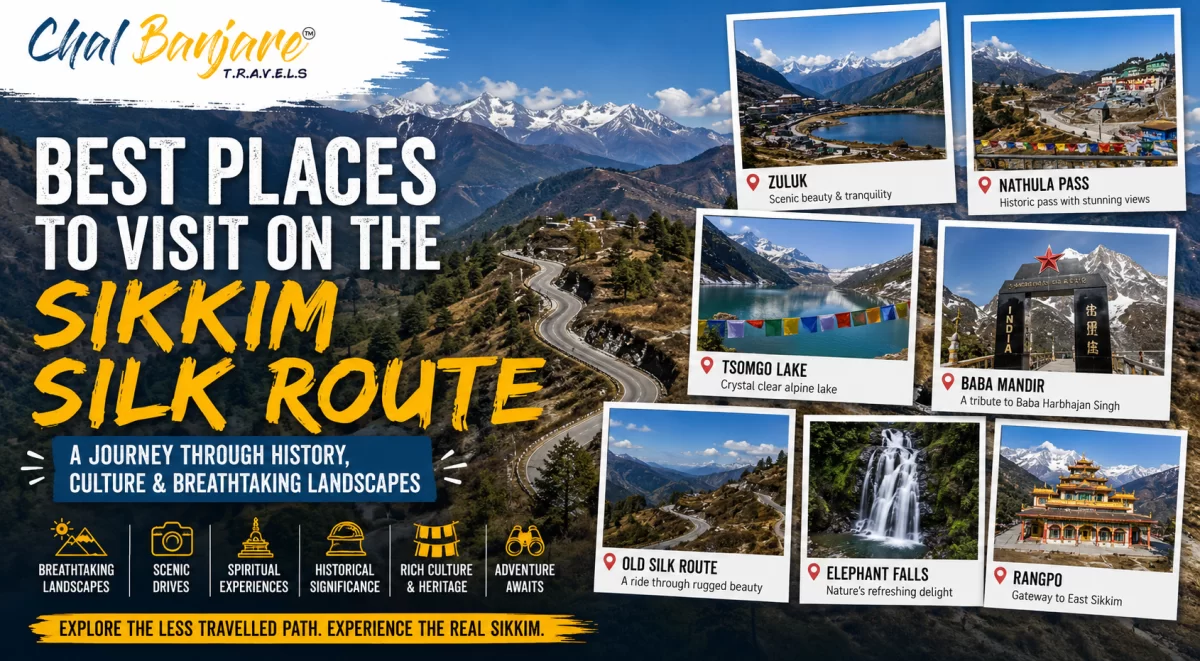
The Sikkim Silk Route offers mountain villages, winding roads, sunrise viewpoints, snow valleys, and old trade route landscapes across East Sikkim.
Zuluk is famous for its dramatic zigzag hairpin loops carved into the mountains, offering one of the most thrilling high-altitude driving experiences in East Sikkim with constantly changing valley views and rugged Himalayan terrain.
The road itself is one of the biggest attractions of the Silk Route circuit.
Thambi View Point is the most popular sunrise spot near Zuluk, offering breathtaking early morning views of the Kanchenjunga range as the first light spreads across the Himalayan peaks and valleys.
It is a must-visit for photographers and early risers.
Zuluk village offers authentic homestay experiences where travelers can stay with local families, enjoy traditional Sikkimese food, and experience the simple and peaceful lifestyle of the Himalayan community.
It is perfect for slow and cultural travel experiences.
Nathang Valley is a stunning high-altitude plateau in the Silk Route region, known for its vast open snow landscapes in winter and rugged Tibetan-style terrain that offers a raw and untouched Himalayan experience.
It is one of the coldest and most dramatic valleys in East Sikkim.
Eagle Nest Bunker near Nathang Valley is a popular viewpoint offering sweeping panoramic views of the surrounding Himalayan ranges, valleys, and winding Silk Route roads that stretch into the distance.
It is especially popular for sunrise and cloud photography.
During winter, Nathang Valley transforms into a completely frozen landscape where snow blankets the entire region, creating dramatic photography opportunities and a surreal Himalayan winter atmosphere.
It is ideal for travelers seeking extreme cold and snow experiences.
Lungthung is one of the most dramatic viewpoints on the Silk Route, known for its rolling cloud valleys, mist-covered slopes, and winding mountain roads that create cinematic frames throughout the day.
It is especially beautiful during early morning when clouds move across the valleys.
Tukla Valley carries the historic charm of the Old Silk Route, surrounded by rugged mountain terrain, open valleys, and remnants of traditional trade paths that once connected Sikkim with Tibet.
It offers a raw and historical Himalayan experience.
The Silk Route offers several sunrise viewpoints where the first light touches the Kanchenjunga range and surrounding peaks, creating golden reflections across valleys, roads, and cloud layers.
These spots are ideal for early morning photography and peaceful observation.
Kupup Lake, often called the Elephant Lake due to its unique shape, is a stunning high-altitude water body on the Silk Route surrounded by rugged mountains and vast open landscapes that reflect the raw beauty of East Sikkim.
It is one of the most iconic natural landmarks in the region.
Menmecho Lake is a serene alpine lake hidden within dense forests along the Silk Route, offering a calm and untouched environment ideal for nature lovers and those seeking solitude in the mountains.
It requires a short trek, making it a rewarding offbeat destination.
The Silk Route is filled with high-altitude rivers, seasonal waterfalls, and alpine meadows that create constantly changing landscapes as you travel through Zuluk, Nathang, and surrounding regions.
These natural elements enhance the entire journey experience.
Old Baba Mandir is one of the most revered spiritual sites on the Silk Route, dedicated to Baba Harbhajan Singh, set amidst high-altitude mountain terrain where mist, wind, and silence create a deeply reflective atmosphere.
It is both a place of devotion and a unique Himalayan experience.
Remote villages along the Silk Route feature small monasteries that reflect the deep-rooted Buddhist traditions of East Sikkim, offering peaceful environments where prayer, meditation, and local culture blend with Himalayan life.
These monasteries are simple yet spiritually powerful.
The Silk Route is filled with colorful prayer flags fluttering across mountain passes, valleys, and monasteries, symbolizing peace, spirituality, and the deep connection between nature and Buddhism in East Sikkim.
These elements create a strong spiritual Himalayan atmosphere throughout the journey.
Padamchen is a quiet forest village on the Silk Route known for its dense greenery, misty surroundings, and peaceful homestay experiences that allow travelers to enjoy slow mountain living away from crowded tourist spots.
It is ideal for nature lovers and relaxed stays.
Rongli acts as one of the main entry points to the Silk Route, featuring small local markets, administrative checkpoints, and a gateway atmosphere that introduces travelers to the rugged beauty of East Sikkim.
It is a key stop before ascending into higher mountain regions.
Gnathang, also known as Nathang Valley, is a high-altitude settlement that reflects the raw mountain culture of East Sikkim, where traditional yak herding, cold desert landscapes, and Tibetan-influenced lifestyle define everyday life.
It is one of the coldest inhabited places in the region.
Aritar is a peaceful offbeat destination near the Silk Route, known for its serene lake, traditional villages, and calm Himalayan surroundings that make it perfect for slow travel and relaxation.
It offers a refreshing contrast to the high-altitude rugged terrain of East Sikkim.
The Silk Route region is filled with hidden forest roads, seasonal waterfalls, and remote viewpoints that appear unexpectedly along winding mountain routes, offering untouched natural beauty and peaceful travel moments.
These spots are perfect for nature lovers and photographers.
Driving along the Silk Route means traveling through old trade paths once used for commerce between Sikkim and Tibet, now transformed into isolated mountain roads surrounded by dramatic landscapes and high-altitude silence.
It is one of the most adventurous road experiences in East Sikkim.
Spring is one of the most beautiful seasons to visit the Sikkim Silk Route, when rhododendrons bloom across the hills and valleys, and the weather remains relatively clear for enjoying wide Himalayan views and scenic drives.
It offers a perfect mix of color, comfort, and visibility.
During the monsoon season, the Silk Route region experiences heavy rainfall, dense fog, and frequent landslides, which can lead to road blockages and limited visibility across mountain roads and viewpoints.
Travel becomes unpredictable and requires caution.
Winter transforms the Silk Route into a frozen Himalayan landscape with snow-covered valleys, icy roads, and extreme cold conditions, offering a dramatic and adventurous travel experience for snow lovers.
However, travel can be challenging due to harsh weather.
Silk Route travel involves high-altitude regions where temperatures can drop suddenly, so carrying proper warm clothing, essential medicines, and all required permits is extremely important for a smooth journey.
Preparation plays a key role in ensuring safety and comfort throughout the trip.
Nathang Valley is located at a very high altitude where oxygen levels are lower, and some travelers may experience altitude sickness symptoms such as headache, dizziness, or fatigue.
Proper acclimatization and slow travel are essential to reduce risks.
Silk Route roads are narrow, winding, and highly dependent on weather conditions, with frequent fog, snowfall, or landslides that can cause delays, while fuel stations are limited in higher regions.
Proper planning and flexibility are essential for a smooth journey.
For first-time travelers, the ideal Silk Route circuit starts from NJP/Bagdogra to Gangtok and continues via Rongli, Zuluk, and Nathang Valley, covering scenic viewpoints, historic trade routes, and high-altitude landscapes in a structured flow.
This route ensures smooth acclimatization and maximum sightseeing coverage.
The Silk Route offers two distinct travel experiences—golden sunrise viewpoints like Thambi and Lungthung, or scenic mountain road journeys through hairpin bends, valleys, and cloud-covered landscapes that change throughout the day.
Both experiences depend on season, weather, and travel style preference.
Before planning your Silk Route journey, ensure you are fully prepared with permits, warm clothing, transport arrangements, and awareness of high-altitude conditions to enjoy a safe and smooth travel experience.
Proper preparation is essential for this remote Himalayan region.
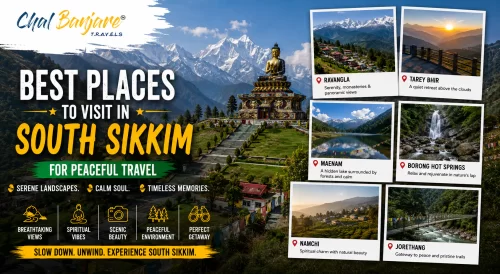
Get customized Sikkim tour planning based on season, altitude comfort, travel permits, and realistic road travel time. Whether you are visiting for scenic landscapes, monastery circuits, mountain views, or peaceful hill stays, our experts design practical
⚡ Quick Response | 💰 Free consultation | 🕒 24×7 expert support