
Best Cultural Experiences to Try in Sikkim Villages
Sikkim villages offer authentic Himalayan culture through monastery traditions, local food, homestays, farming life, and peaceful mountain community experiences.
+91 9910402252
admin@chalbanjare.com


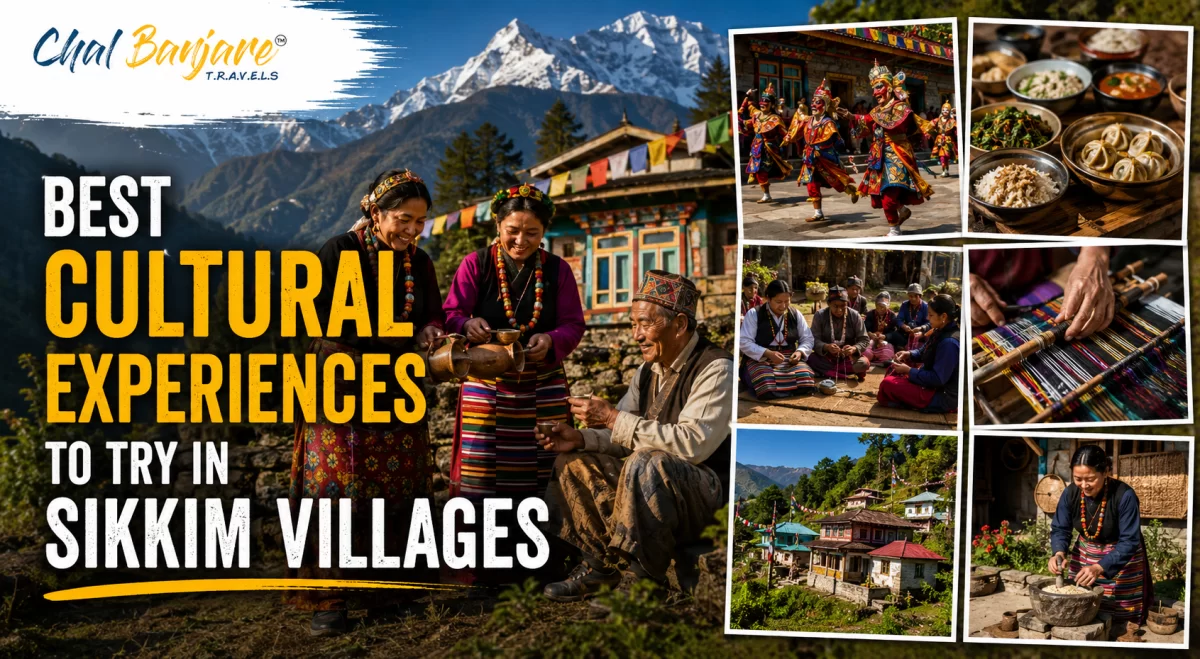
Sikkim villages offer authentic Himalayan culture through monastery traditions, local food, homestays, farming life, and peaceful mountain community experiences.
Lachung and Lachen offer some of the most authentic homestay experiences in North Sikkim, where travelers stay with local families surrounded by snow peaks, rivers, and traditional Himalayan village life.
It is ideal for experiencing warmth in extreme mountain conditions.
Zuluk and the Silk Route region are known for their charming wooden homestays perched on mountain slopes, offering stunning views of winding roads, valleys, and cloud-covered landscapes.
It is perfect for offbeat and scenic stays.
Ravangla and South Sikkim countryside homestays offer peaceful village experiences surrounded by tea gardens, monasteries, and rolling hills, ideal for slow and immersive travel.
It provides a balance of culture, nature, and relaxation.
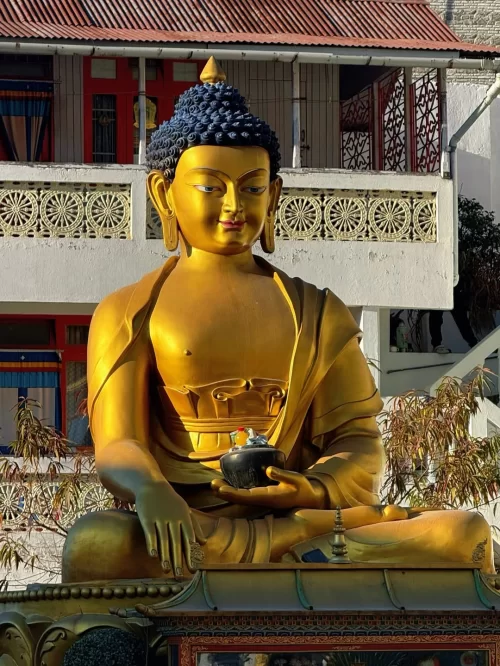
Remote village monasteries in Sikkim offer deeply spiritual experiences where travelers can witness Buddhist prayer ceremonies, chanting rituals, and traditional offerings performed by monks in serene Himalayan settings.
It is a powerful way to experience living spiritual culture.
Village monasteries across Sikkim are often set against breathtaking Himalayan backdrops, surrounded by forests, hills, and quiet settlements that enhance their spiritual charm.
They provide a perfect balance of nature and devotion.
Sikkim’s villages are rich in Buddhist traditions, where colorful prayer flags, mani stones, and local customs reflect the spiritual beliefs and cultural identity of the Himalayan communities.
It is ideal for cultural understanding and respectful travel.
Village homestays in Sikkim offer authentic homemade meals where travelers can enjoy freshly prepared momos, thukpa, and traditional local dishes cooked using age-old Himalayan recipes.
It is one of the most comforting cultural experiences in the mountains.
Butter tea and herbal drinks are an essential part of Sikkim’s village culture, offering warmth and energy in the cold mountain climate while reflecting deep Tibetan Buddhist traditions.
It is perfect for cultural immersion in daily village life.
Many Sikkim villages follow organic farming practices, and homestays often serve food directly sourced from their fields, giving travelers a pure farm-to-table experience.
It reflects sustainable Himalayan living and simplicity.
Sikkim’s villages are known for their beautifully carved terraced farms where locals practice sustainable mountain agriculture, growing seasonal crops on steep Himalayan slopes with traditional methods.
It offers a deep insight into rural Himalayan living.
Village communities in Sikkim preserve rich handicraft traditions, including weaving, knitting, and handmade artifacts that reflect the cultural identity and artistic heritage of the Himalayas.
It is ideal for cultural observation and local interaction.
Slow walks through Himalayan villages in Sikkim reveal peaceful surroundings, friendly locals, and small markets where daily life unfolds against a backdrop of mountains and greenery.
It is perfect for immersive and mindful travel experiences.
Temi Tea Garden is the only tea estate in Sikkim, offering a beautiful landscape of rolling green plantations where travelers can explore tea cultivation, processing, and the cultural importance of tea farming in the region.
It is a must-visit for scenic and educational countryside experiences.
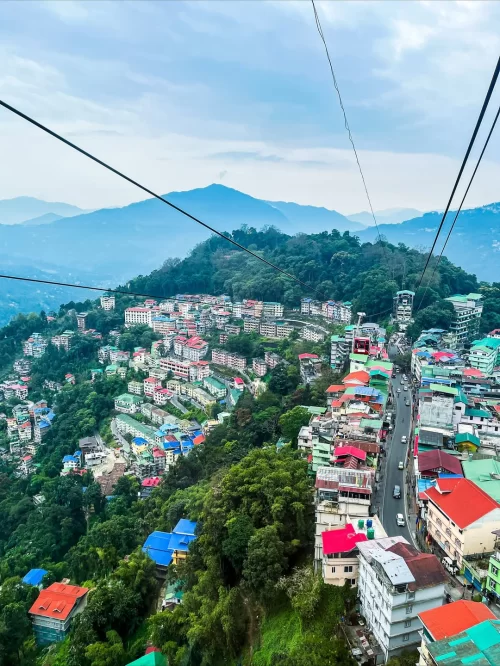
Countryside villages in South Sikkim offer peaceful homestay experiences surrounded by tea gardens, forests, and wide mountain valleys, making them perfect for slow travel and relaxation.
It is ideal for disconnecting from busy city life.
Visitors can enjoy freshly brewed tea tasting sessions in Sikkim’s tea gardens while learning about local plantation lifestyles, seasonal harvesting, and the connection between community and agriculture.
It is a flavorful way to understand regional culture.
Cham dance festivals in Sikkim’s monastery villages are powerful cultural performances where masked monks perform sacred dances symbolizing the victory of good over evil, accompanied by traditional music and rituals.
It is one of the most visually striking spiritual experiences in the Himalayas.
Losar, the Tibetan New Year, is celebrated across Sikkim’s villages with prayers, family gatherings, traditional food, and cultural rituals that reflect deep-rooted Himalayan traditions and community bonding.
It is a vibrant mix of spirituality and celebration.
Village gatherings in Sikkim often include folk music, traditional dance performances, and community celebrations that reflect the simplicity and warmth of Himalayan rural life.
It is a great way to experience local culture firsthand.
Gnathang Valley is one of the most remote high-altitude villages on the Silk Route, known for its vast open landscapes, harsh winter conditions, and deep-rooted nomadic Himalayan culture.
It offers a raw and untouched offbeat village experience.
Yuksom is a culturally significant village in West Sikkim, known as the first capital of Sikkim and home to ancient monasteries, historical landmarks, and serene forest surroundings.
It blends history, spirituality, and nature beautifully.
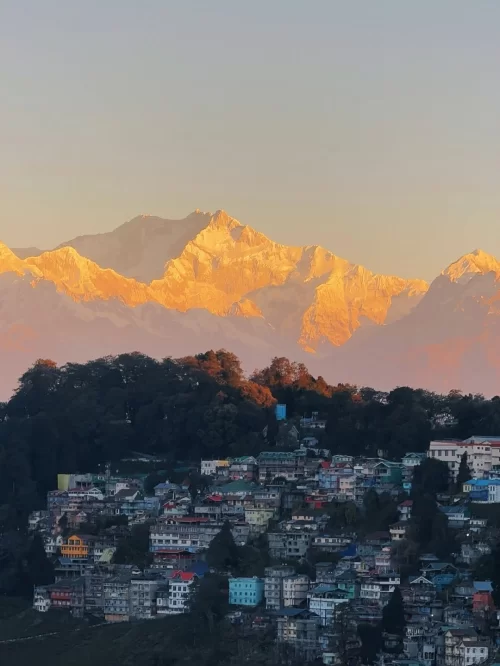
Borong and nearby hidden villages in South Sikkim offer peaceful mountain escapes surrounded by forests, hot springs, and panoramic views of the Kanchenjunga range.
It is perfect for slow travel and relaxation.
Village homestays in Sikkim offer some of the most intimate sunrise photography experiences, where golden light slowly illuminates Himalayan peaks, rolling valleys, and mist-covered settlements.
It is ideal for peaceful and immersive morning shots.
Sikkim’s villages provide rich cultural photography opportunities, from monks in daily monastery life to colorful prayer flags fluttering across hillsides and traditional Himalayan customs.
It is perfect for capturing spiritual and cultural depth.
Sikkim’s villages are surrounded by lush forest trails, flowing rivers, and open countryside landscapes that create diverse natural photography opportunities throughout the year.
It is ideal for nature and landscape storytelling.
Sikkim’s villages are deeply rooted in Buddhist culture and traditional Himalayan lifestyles, so respecting local customs, dressing modestly, and following monastery etiquette is essential for a meaningful and respectful travel experience.
It helps build positive connections with local communities.
Village regions in Sikkim often have limited ATMs and unpredictable weather, making it important to carry sufficient cash, warm clothing, and essential supplies for a comfortable stay.
Preparation ensures smooth travel in remote Himalayan areas.
Many Sikkim villages operate with limited mobile network coverage, occasional electricity fluctuations, and restricted transport availability, especially in high-altitude or offbeat regions.
Flexibility is important when traveling in these areas.
For first-time cultural travelers, Sikkim offers a diverse mix of villages where you can experience monasteries, tea gardens, and traditional Himalayan life in a simple and authentic way.
These villages provide the perfect introduction to Sikkim’s culture and slow mountain lifestyle.
Sikkim village travel offers three distinct experiences—monastery-focused spiritual stays, tea garden countryside relaxation, and remote mountain village life in high-altitude regions.
Each option offers a unique pace and atmosphere for travelers.
Before planning a village trip in Sikkim, ensure you are prepared with essentials like permits, warm clothing, cash, and an understanding of remote travel conditions.
Good preparation ensures a smooth and immersive cultural experience.

Get customized Sikkim tour planning based on season, altitude comfort, travel permits, and realistic road travel time. Whether you are visiting for scenic landscapes, monastery circuits, mountain views, or peaceful hill stays, our experts design practical
⚡ Quick Response | 💰 Free consultation | 🕒 24×7 expert support